


 한국어
한국어  English (UK)
  Русский
  العربية
  日本語
日本語  Magyar
  Türkçe
  Español
  Čeština
  Svenska
  Português
  Ελληνικά
  Suomi
Suomi  Nederlands
  Română
  Italiano
  Français
  Polski
  Українська
  Deutsch
  简体中文
简体中文  Slovenčina
 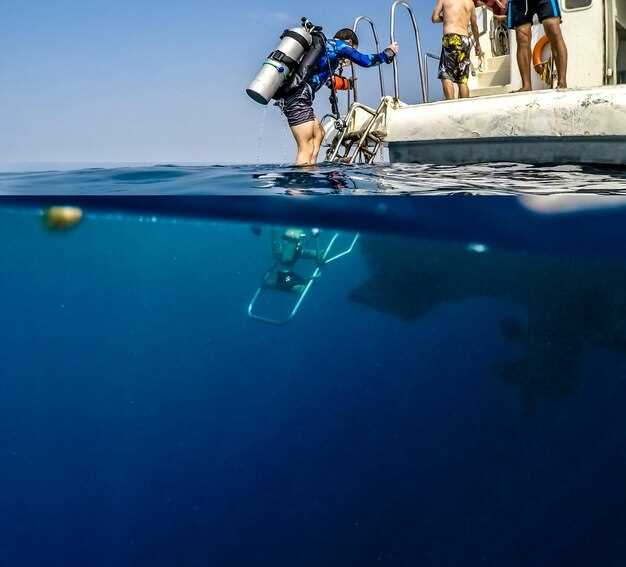 Top 10 Deep Sea Fishing Tips for Tourists">

Start with a concrete move: verify the forecast and ocean conditions before boarding, then align with the crew to keep staying comfortable during the first trip.
On the motion of the boat, stay with your group, listen to the captain’s control cues, and keep weight positioned to absorb heavy swells between land and open water.
Spotted dolphin riding the bow wake signal a real omen; treat wildlife with respect, maintain distance, and never chase or lean over the rail.
Pack special gear: breathable layers, sun protection, non-slip footwear, and a compact personal kit; staying hydrated and shaded is a key for comfort during long trips.
Here is a simple benchmark: arrive near dawn, record exactly what youve learned from the crew about rigging and knots, and apply it on the next trips to keep lines steady and reduce fatigue here.
Learn the routine for waste handling, keep hands clean, and never discard line or bait into the water; that approach reduces hazards for the group and preserves the environment.
Between land and open waters, carry a compact flashlight, a light rain shell, and a whistle; in heavy conditions, have a plan to return to port if conditions worsen.
With these cues, youve shaped your own journey and will return with stories that are real and precise; youve learned how to manage motion, weather, and group dynamics on a memorable trip that stays comfortable, again.
Deep Sea Fishing Guide for Tourists: 10 Tips and 8 Fight Techniques
1. Pre-trip gear check: inspect lines and reels; use 60–80 lb test lines with 80–120 lb fluorocarbon leaders; rig 3–4 setups and carry pliers, lure scissors, and a sharp knife to improve readiness; verify line strength so every pull feels controlled.
2. Boat choice and stance: opt for a stable, non-slip deck craft; a peaceful ride keeps balance when strikes arrive and boosts confidence under pressure.
3. Nearest port watch: check the nearest port forecast and watch winds; pick a window with light breeze and modest swells, then stay adaptable on deck there.
4. Week planning: for a longer, week‑long trip, target multiple species to diversify action and build experience across the trip cadence.
5. Bait spread and checking: spread live bait across several lines; checking baits every 20–30 minutes helps adapt to turning feeding zones and keeps action steady.
6. Rig setup: choose a classic trolling spread with a surface lure and a heavy leader; adjusting rigging reduces line tangles and boosts caught fish, while attracting larger creatures.
7. Fighting stance: stand square, feet shoulder-width apart; when a line goes taut, apply true strength with steady shoulder and hip movement, especially as the fight grows longer.
8. Safety and handling: wear a PFD, clip into a harness during long pulls, and keep hands clear of hooks and a possible gaff to prevent accidents there.
9. Release and respect: undersized catches go back quickly; there is reason there are larger specimens that deserve space, so release without delay.
10. Notes for next week: log depth, bait type, first bite time, and every helpful observation; each entry guides the next trip.
Technique 1: Calibrated reel pull: lower the rod tip, lock steady pressure, and drive with legs to keep line control.
Technique 2: Angle management: keep line angle around 30–45 degrees during the initial run to balance load.
Technique 3: Harness use: clip into a belt harness and stand firm as the fight grows longer.
Technique 4: Stop-and-go pumping: short lifts, then a pause to take up slack and tire the target.
Technique 5: Strike timing: when signs of a strike appear, drop the rod tip and reel with even rhythm.
Technique 6: Leader tuning: swap to 100 lb fluorocarbon if a larger creature appears; stay durable against tougher lines and keep tension steady against brushes.
Technique 7: Crew signals: clear calls about line status, tension, and position near the nearest teammate to avoid tangles.
Technique 8: Endgame landing: guide toward the side of the boat, use a net near the waterline, and rotate your body with the pull.
Choose a Licensed Charter with Gear Included
Choose a licensed charter with gear included; starting your outing with ready tackle saves time and avoids last-minute shop runs. The setup should match their waters and the kind of species you expect.
The licensed operator brings a vetted crew and certified safety gear; this can mean faster confidence and fewer delays on the water. The briefing covers basic boat handling, safety checks, and gear care, so you can focus on the moment and the group dynamic.
When gear is included, you can discuss methods with the captain to fit their waters and the target types; pick from types such as light‑spin, trolling, or bottom rigs. In the morning, calmer waves let you watch line motion and see baitfish gather near the bottom, where the bite often arrives. you’ll sometimes see a strong strike followed by a clean hooked pull, proving the setup works. To attract bites, ensure the lures match bottom structure and current direction.
Here is how to vet a service: verify license status, confirm gear included, check vessel capacity, and ask about the crew’s experience with their waters. If something is missing, mention it here and request substitutions from the shop; plan this yourself. A voyager with groups can share lines and keep every cast productive, allowing you to cover more water without crowding.
Keep expectations practical: gear included should offer enough options to handle multiple conditions; confirm back-up reels and spare hooks, and ask about return policy if gear fails. This way you’ll be ready when your line sings strikes and you’re finally hooked, ready to enjoy the ride and the ride home.
Bring or Rent the Right Tackle for Deep-Sea Species
First recommendation: rent an offshore trolling kit consisting of a 6’6″–7′ rod rated 60–100 lb, a 4,000–6,000-size reel, braided main line 50–80 lb, and a fluorocarbon leader 60–100 lb. Use 8–16 oz weights for mid-depth action; carry 20–40 oz weights for deeper zones in strong currents. This setup yields more control, larger hook-ups, and reliable hold when conditions are unpredictable.
- Guide alignment: consult a guide or charter crew to tailor gear to the expected species, which saves time and increases early success.
- Novice approach: renting a complete package from a trusted shop reduces mismatches in line strength and rod action, boosting confidence on debut trips.
- Groups: when groups share gear, ensure ratings match to avoid tangles; confirm each member uses similar main line strength and reel size.
Check internet reviews of rental outlets; seek intel on current stock, spares, and what baits are included or recommended. When selecting baits, prefer natural options that naturally trigger eating responses; squid chunks, sardine pieces, and cut yellowtail tend to perform well, especially during eating windows.
- Fluorocarbon: a leader in the 60–100 lb range stays invisible in clear water, improving hookup rate.
- Weights and rigging: bring a range from 8 oz up to 40 oz; adjust based on depth, current, and target species.
- Backups: carry extra hooks, pliers, and a spare spool; having a back-up reduces downtime between drops.
During retrieval, focus on technique: hold the rod back to load the rod and maintain tension; staying relaxed helps you react quickly when a bite hits. If a fish pulls hard, gather yourself, adjust depth and baits as intel from the guide or crew suggests; adapting tactics leads to more successful fights, increasing chances of landing larger specimens.
Learn Local Regulations, Permits, and Catch Limits
Check local regulations and book the required permits online at the official regulator site. This keeps your landing compliant and avoids penalties when you return to the dock.
Know the types of authorization that cover saltwater voyages: daily angler license, vessel permit, and event-specific passes. Their rules differ by place, so if youre guiding a crew, each participant may need a license and the boat may require captain credentials. Gather documents, then lock them in before you leave the marina.
Catch limits and size thresholds are set by creature types and may shift with seasons. Theyre listed on the official sheet and sometimes behind a warning on the harbor notice. Always check the surface guidelines posted at the pier or on the regulator site; if a species is protected, that creature must be released immediately behind you. Noncompliance can jeopardize your allowed landings and harm their habitat.
Beginner anglers should focus on true limits before dropping into offshore ventures. A smart approach: know the types of saltwater targets, the surface behavior of their creatures, and the rules that protect them. Experienced sailors appreciate better compliance because it preserves the place behind every trip and keeps work with their teams smooth. Keeping to limits is smart and great practice that reduces risk and keeps the sport fair.
Smart record-keeping: log every landing with date, place, types of creatures, size, and count. If youre unsure about a rule, contact the regulator or consult the official page; staying current protects your crew and the resource. Avoid dropping gear into restricted zones and keep your line within allowed areas. When you focus on these steps, your saltwater expedition becomes better aligned with regulations, and the outcomes are quite reliable.
여행 시간 계획하기: 조석, 날씨 및 해상 조건
밀물보다 60분 전에 물에 들어가 조류가 완만해지는 시간을 활용하세요. 조류는 꾸준히 움직이며, 조횟수를 높여줍니다. 다음은 가이드라인입니다. 동일 지역에 20~40분 동안 머무른 후, 낚싯줄을 계속 움직이면서 조류에 따라 흘러가세요. 조류가 가장 강했던 곳에서는 미끼가 먹이 지역을 통과하도록 속도를 조절하세요.
풍력 예보: 시속 15마일 미만의 약한 바람에서 중간 강도의 바람이 부는 목표 기간을 설정합니다. 시속 20마일 이상의 돌풍은 캐스팅과 라인 제어를 방해하는 표면 파도를 만듭니다. 바람이 약해지는 새벽이나 늦은 오후 시간을 선호하십시오. 예보된 평균 풍속이 증가하면 이 시간을 건너냍니다.
현재 및 파고: 3피트 미만의 단주기 파 또는 2피트 미만의 바람에 의한 파도를 목표로 삼으십시오. 장주기 파고가 4피트 이상이면 항해가 어려워집니다.
장비 설정: 오픈 페이스 릴에 60–80lb의 릴스를 감아 둡니다. 튼튼한 장비를 사용하고 스위벨 한 쌍을 사용합니다. 강력한 리더를 배포하고, 신뢰할 수 있는 매듭을 묶습니다. 태클 박스 뒤에 여분의 라인과 추가 훅을 보관하십시오.
종류 및 미끼: 지깅 미끼, 소프트 플라스틱, 플러그, 표면 팝퍼 등이 있습니다. 초보 낚시꾼은 가시성을 높이기 위해 밝은 미끼로 시작합니다. 소용돌이와 조류 접합부로 던지는 연습을 합니다. 돌고래 그룹 행동이 선택을 어떻게 지시하는지 관찰하고 그에 따라 조정하십시오. 다른 사람들을 보면서 캐스팅과 전술을 배우십시오. 지역 주민들의 팁을 활용하십시오.
안전 및 기술: 모든 출조는 기술을 향상시킵니다. 작업을 분담하기 위해 그룹과 함께 모이십시오. 경험 많은 낚시꾼을 지켜보면 학습 속도가 빨라집니다. 돌고래와의 싸움이 벌어지면 긴장을 유지하고, 안정적으로 릴링하고, 급격한 움직임을 피하십시오. 점진적으로 압력을 가하면 깨끗한 낚시를 보장할 수 있습니다.
여행 계획: 해류에 따라 2~5마일의 표류를 예상해야 합니다. 작은 노트에 이동 거리와 전술을 기록하세요. 캐스팅 시에는 레일 뒤에 머물러야 합니다. 돌고래가 접근하면 속도를 늦추고 라인과 스위블을 주시하며 즉석에서 조절하세요. 꾸준한 연습은 자신감과 기술을 향상시킵니다.
관광객을 위한 심해어 전투 8가지 핵심 기술
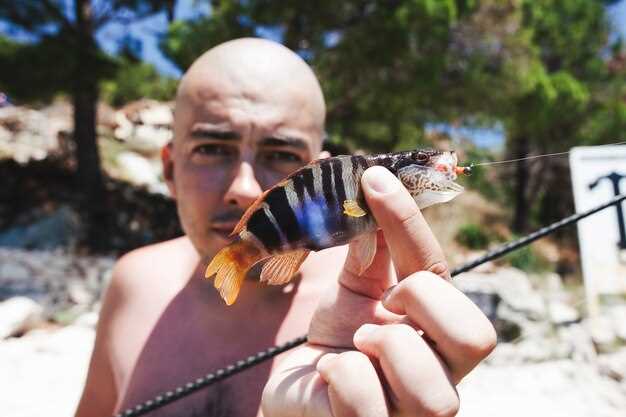
기술 1: 빠른 입질 대응. 드래그을 안정적이고 적당한 수준으로 설정하고, 입질이 감지되는 즉시 릴 다운합니다. 어깨 너비로 다리를 벌리고, 엉덩이를 로드에 기대고, 라인을 계속 조이세요. 여러 번의 경험에서 얻은 지역 지식을 바탕으로, 챔질 시 당기는 느낌이 들 때 과도하게 반응하지 않도록 주의하세요.
기술 2: 자세 및 지렛대. 발을 딛고, 무릎을 굽히고, 봉의 방향으로 몸을 기울여 공백에 굴곡이 유지되도록 합니다. 이 자세는 장시간 끌 때 피로를 줄여줍니다. 접지력이 있는 옷과 두꺼운 안감이 있는 장갑을 선택하고, 갑작스러운 갑판 변경 및 햇빛 노출에 적절하게 옷을 입으십시오.
기술 3: 라인 제어 및 드래그 조정. 일정한 긴장을 유지하고, 여유를 줄이려면 부드럽게 릴을 감고, 물고기 크기에 맞춰 드래그를 조정하십시오. 스풀에서 쌕 소리가 나기 시작하면 약간 풀어주면서 물고기가 발차기를 하지 못하도록 충분한 압력을 유지하십시오. 라인이 미끄러지지 않도록 하고, 물린 역학이 변하면 경계하십시오.
기술 4: 로드 각도 통제. 초기 질주 시 로드 팁을 위로 유지하고 휜 정도를 얕게 유지하십시오. 물고기가 지치면 로드를 20~40도 아크로 기울이고 짧고 의도적인 동작으로 크랭킹합니다. 팔에 가해지는 힘뿐만 아니라 지렛대와 물고기가 향하는 방향을 생각하고 발을 딛고 서 있는 것에 유의하여 넘어지지 않도록 하십시오.
기술 5: 장비 및 장비 사용. 더 큰 표본을 다루려면 파이팅 벨트를 연결하고, 가능하다면 의자를 사용하세요. 이렇게 하면 팔과 어깨의 하중을 줄일 수 있습니다. 튼튼한 장갑과 하네스를 포함한 적절한 장비를 가져오고 몸에 고정하여 다리를 통해 무게를 전달하세요. 이 설정은 선장이 방향 전환을 신호할 때 도움이 됩니다.
기술 6: 미끼 다루기 및 챔질 인식. 미끼를 사용할 때는 손목 스냅을 순간적이고 정확하게 하여 챔질하고, 과도한 펌핑은 피하십시오. 라인을 주의 깊게 살펴 미세한 챔질 반응을 확인하고 미끼 액션에 따라 타이밍을 조정하며, 서두르기보다는 각 동작을 고려하십시오. 좋은 접근 방식은 당신을 사냥에 계속 참여하게 하고, 표적이 물었을 때 확실하게 잡을 수 있는 가능성을 높입니다.
기술 7: 그룹 인식 및 승무원 간의 소통. 주변의 다른 사람들과 동기화 상태를 유지하고, 특히 선수 근처의 그룹에 주의하십시오. 선장의 말을 듣고, 그들의 경로를 따르며, 언제 물러서거나 선을 줄일지에 대해 조율하십시오. 명확한 신호는 엉킴을 줄이고 모든 손님이 낚싯줄에 물고기를 걸고 돌아올 가능성을 높여줍니다.
기술 8: 착수, 해방 및 사후 관리. 물고기가 총괄에 가까워지면 다리를 사용하여 조절된 리프팅으로 전환하고, 수확물을 갑판 위로 가져온 후 조심스럽게 다루십시오. 해방시, 접촉을 최소화하고 물고기를 바닷물에서만 잠깐 동안 두십시오. 보존하는 경우, 안전하게 물고기를 처리하고 적절하게 보관할 계획을 세우십시오. 여행 후, 옷과 장비를 마모 상태로 검사하고 다음 항해에 맞게 조정하십시오.