


 한국어
한국어  English (UK)
  Русский
  العربية
  日本語
日本語  Magyar
  Türkçe
  Español
  Čeština
  Svenska
  Português
  Ελληνικά
  Suomi
Suomi  Nederlands
  Română
  Italiano
  Français
  Polski
  Українська
  Deutsch
  简体中文
简体中文  Slovenčina
  The Complete Sailing Trip Packing List – What to Pack for Your Voyage">

Pack jackets for every crew member first. This move provides missing precision when winds shift and spray hits the deck. It keeps you warm on night watches and prevents scrambling through damp bags that are made to dry quickly.
Layering is built around fabrics that dry quickly and move moisture away. They have quick-dry properties, and cotton next to skin stays damp. For warmth, include two hooded pieces and a compact wind shell you can wear over a base layer. In florence-style conditions, think florence mornings when the marina is calm; a light shell and microfiber lining keep you comfy in gusts, and if you sweat, these fabrics wick it away fast.
Pack by category, then tailor to your voyage. Include personal items like sunscreen, medications, and a waterproof bag for damp gear. Keep swimsuits handy for quick dips, and plan for a few changes so you never run out of clean options. The crew can swap outfits between salt days and calm days, and theyre quick to adjust when the breeze shifts.
For limited cabin space, keep a compact kit with spare socks, a small towel, and a micro-dry towel. Label bags clearly so you never search in rough seas. Talk through the packing plan with your teammates; theyre likely to appreciate a fixed routine and faster checks during setup, which boosts confidence 그리고 집중 on safety and navigation.
The Complete Sailing Trip Packing List
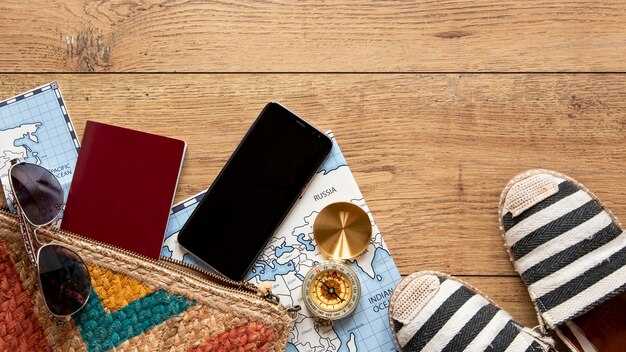
Start with a quick-dry base kit: pack a pair of moisture-wicking shirts, one warmer layer, a lightweight shell, and a compact rain jacket. These pieces stay comfortable as you move around the cockpit and below deck, and they reduce chafing on longer passages.
Protect your body and face from sun and salt: a wide-brim hat, sunglasses, reef-safe sunscreen cream SPF 50, lip balm, and a buff. Include a life jacket and a harness for safety when you move along the rails or step to the bow.
Documentation and credit: keep your passport, licenses, boat papers, and insurance in a waterproof pouch; carry two credit cards and some cash in a separate pocket for shore visits.
Accessories and gear: invest in compact, multi-use pieces: a headlamp, a small multitool, a spare carabiner, a dry bag, and packing cubes. A compact, waterproof camera housing helps capture the voyage without bulky gear.
Entertainment on deck: books, a waterproof speaker, playing cards, a tablet with downloaded movies; these entertainment options keep morale high during calmer evenings on a catamaran.
Groceries and provisioning: plan meals for the voyage, list groceries for the time you sail; stock coffee, tea, canned foods, pasta, rice, canned fish, oil, and spices. Shopping in advance saves time and reduces last-minute runs at ports while traveling.
Clothing for water activities: pack a pair of swim trunks, a rash guard, water shoes, and snorkel gear; fins for snorkeling or diving slip on easily and improve performance.
On-board laundry and drying: carry quick-dry towels, a compact clothesline, a damp-dry bag, and a small bottle of detergent. Do laundry when you reach a dock to keep humidity down and your kit fresh.
Living aboard on a catamaran: store items in watertight lockers and use labeled containers; when you live aboard, you learn to pack lighter and rotate gear to fit around the main salon and cabins.
Footwear and shipboard comfort: choose non-slip deck shoes, neoprene socks for cooler mornings, and a bigger dry bag for wet clothes when you go ashore.
Safety and health kit: include a first-aid kit, seasickness remedies, a whistle, a flashlight, anti-chafe cream, and spare batteries. Keep sun protection close to your sleeping area and a face covering for dusty ports.
What to do with route planning: stamp a concrete packing checklist around the equipment locker; verify documentation and fuel safety for each waypoint; keep maps and digital backups offline and accessible during travel.
Traveling with crew: divide tasks to optimize space, rotate cooking duties, and share provisioning lists; if you have lived on a sailboat before, you know how to pace packing and keep the cabin tidy.
Navigation and Communication Tools
Carry a portable VHF radio and a backup handheld GPS to stay connected when marina signals drop. For bareboat skippers, this combo keeps the whole crew safe during night passages and in remote anchorages. Your setup depends on these factors, depending on your boat size, power availability, and how remote your planning grounds are.
Mount units in the weatherproof cockpit locker, and keep a windbreaker nearby to shield them from spray. Have a back spare battery tucked in the cockpit, and ensure the devices are applicable to your vessel’s power system and data-sharing setup. Having a quick-access backup charger helps keep you going if you lose shore power. dont rely on a single device in rough weather; test the backup under load before departure.
Prepare a carry-on kit with chargers, adapters, a compact solar panel, and spare cables. Store it in a dry bag so you can grab it in a pinch. posts from coast guard and meteorological updates before each leg help you spot changes in routing or weather.
In port, wear a windbreaker and pack sun protection for the crew; avoid cotton fabrics for active layers, which can stay damp and chill you. Dress the whole crew in lightweight, quick-dry clothing to prevent sunburn. In busy harbors, have a mask handy for crowded lines and checks. dont forget a small inventory of groceries so youre not chasing supplies at the marina store.
Prepare for off-grid days by storing a back-up plan and keeping the crew informed via a simple, shared log; this reduces confusion if comms shift to standby channels. Practice basic calls on deck, confirm channels for each leg, and assign a clear who-contacts-who on the move. dont hesitate to adjust gear as you gain experience across different seas and winds.
Weather-Ready Layering and Footwear
Start with a lightweight, moisture-wicking base layer around 150 g/m2 that sits close to your skin; this fabric moves sweat away from every inch and keeps you comfortable on every watch. For exposed skin, apply sunscreen to the face and chin, and stash deodorant for long watches on deck.
Add a mid-layer fleece (200–300 g/m2) to trap heat without bulk. This fleece should be breathable and quick-drying, so it doesnt soak through when spray hits you. These layers help you stay warm as conditions shift, and theyre easy to shed when the sun strengthens.
Finish with a waterproof, breathable outer shell that blocks wind and spray while venting excess heat. Look for a jacket with a secure hood, adjustable cuffs, and a reliable function that you can operate with gloves. Sunscreen stays put on the face and neck when you button up, and a light beanie adds further protection.
Footwear should deliver grip and water resistance. Choose deck shoes with non-marking, siped soles or lightweight waterproof boots with solid tread. Pair with moisture-wicking socks; avoid cotton because it holds water and irritates skin. For trousers you wear on deck, ensure cuffs clear the tops of boots to prevent snagging and keep spray out of your ankles. Back protection: tuck trousers into boots if spray is heavy.
Pack a compact weather kit: deodorant, sunscreen, lip balm with SPF, and a small amount of face cream. Have a favorite pair of lightweight gloves and a beanie; theyre helpful when spray chills your hands and chin. Maintain precision in packing: roll items, then list by activity, and keep this list handy so you know what you need every time. Recent forecasts guide adjustments; if rain threatens, pull up the hood and swap to a wetter shell.
Deck Gear: Lines, Fenders, and Safety Equipment
Keep a dedicated deck gear kit on board and review it before every trip. This simple check ensures youve got what you need to handle different berthing scenarios quickly and safely.
Lines: Lines stay organized in a labeled bag: two full sets of mooring lines, each 15-25 m long and 12-16 mm in diameter, braided nylon for strength and stretch. Include a pair of spring lines for fore and aft control, plus a stern line as backup. Store these in a sleeve or dedicated rack near the bow for fast access when you arrive at a dock.
Fenders: Carry at least four fenders, sized 6×9 inches or 8×12 inches, with a durable foam core. Place them at bow and stern and keep spare in a fender bag. Use fender sleeves to protect the hull and reduce chafe, and inflate to the manufacturer’s recommendation. Check for wear after each trip and replace any cracked or compressed units.
Safety equipment: Equip life jackets for everyone onboard, plus a throwable buoyant cushion within reach. Include a compact whistle and a loud air horn, a high-luminosity flashlight, and a fire extinguisher that’s in date. Maintain a first aid kit with basic supplies, an EPIRB or PLB, and spare batteries for signaling. Consider a MOB line and harness for crew working at the rail.
Medications and customs: Store medications, including seasickness tablets, in a dry, labeled sleeve within the medicine kit. When traveling internationally, declare required items at customs to avoid delays. Having these items ready helps traveling crews stay comfortable and on schedule.
조직 및 빠른 접근갑판 장비에 대한 간단한 라미네이트 가이드라인을 만들어 장비 이름과 위치를 나열합니다. 이를 통해 장비 위치를 쉽게 찾을 수 있고, 파고들거나 가방을 뒤질 필요가 없습니다. 필요한 장비를 빠르게 선택할 수 있도록 조종석이나 컴패니언웨이 근처에 가이드라인을 게시하십시오. 보다 간소화된 접근 방식은 보트, 요트 또는 다양한 구성에 적합합니다.
이 데크 기어 루틴을 적용 가능한 점검 목록으로 활용하십시오. 그렇게 하면 보트나 요트를 타고 여행하는 동안 안전을 높이고 지연을 줄일 수 있습니다. 품목을 쉽게 접근할 수 있도록 하고, 세트에는 라벨을 붙이며, 정기적으로 슬리브, 라인 및 펜더의 마모 상태를 점검하십시오.
음식, 물, 그리고 휴대용 취사 장비
여기서, 같은 접근 방식은 경비 후 식사를 간단하고 안정적으로 유지합니다. 가볍고 방풍인 스토브, 중첩된 조리 도구 세트, 그리고 빠른 접근을 위해 건조한 침낭에 넣은 폴딩 주전자가 있습니다. 제한된 짐 공간은 소형 구성 요소를 선택하고 다재다능함을 우선시한다는 것을 의미합니다. 정박 중이든 앵커 중이든, 설정을 빠르고 간단하게 유지하세요.
물 계획은 간단합니다. 1인당 하루 3~4리터를 목표로 삼고, 덥거나 습한 환경에서는 더 많이 섭취하십시오. 데이팩에 1~2리터 병과 방수백에 접이식 2리터 물통을 휴대하십시오. 안전한 장소에서 리필할 때는 휴대용 정수 필터나 정화 알약을 사용하십시오. 혼동을 피하기 위해 용기에 라벨을 붙이고, 항구 규정에 대한 문서를 휴대폰에 항상 준비해 두십시오.
요리 장비는 당신을 날렵하게 유지합니다. 뚜껑이 있는 두 개의 냄비 세트, 작은 프라이팬, 접이식 주전자를 사용하면 대부분의 식사를 준비할 수 있습니다. 바람막이와 가벼운 연료 카트리지를 추가하십시오. 더 큰 냄비는 공간을 낭비하고 속도를 늦춥니다. 손이 젖었을 때에도 제어력을 유지하기 위해 그립 핸들이 있는 몇 개의 조리 도구 세트를 포함하고, 청소를 위한 예비 개스킷과 작은 수건을 추가하십시오. 건조 장비와 교차 오염을 피하기 위해 전용 가방에 기름기가 있는 잔여물을 보관하십시오. 바다에서 요리를 처음 하는 사람의 경우 이 설정은 더 긴 여정에 돌입하게 되면 하나의 추가 냄비를 추가하여 확장할 수 있습니다. 구체적인 항구 팁을 위해 경험이 풍부한 선장의 게시물을 확인하십시오. 작고 다용도 제품에 충실하여 지출을 관리하십시오. 그리고 어떤 품목이 누락되어도 무엇을 놓칠 것인지에 주목하십시오 – 누락된 품목이 없도록 목록을 다시 확인하십시오.
- 스토브 및 연료: 방풍 캠핑 스토브, 두 개의 가벼운 연료 가스통, 콤팩트 윈드스크린
- 쿡웨어 세트: 뚜껑이 있는 조리 도구 세트, 프라이팬, 접이식 주전자
- 조리 도구 및 그립: 그립 핸들이 있는 조리 도구 세트
- 보관 및 청소: 방수 가방, 밀폐 용기, 수건
- 급수 시스템: 병 및 저수지, 정수 정제 таблетки 또는 소형 필터
- 식품 옵션: 탈수 식품, 귀리, 파스타, 쌀, 퀴노아, 생선/콩 통조림, 견과류, 말린 과일, 또띠아
- 의류 호환성: 메리노 베이스 레이어, 경량 조끼 세트, 방풍 재킷
- 문서 및 안전: 문서 사본, 항구 규정, 기본적인 응급 처치 정보
응급 처치, 약물, 그리고 개인 위생
항상 소형, 방수 응급처치 갑판 위에서 팔 길이 안에 키트가 있었습니다. 이 간단한 list- 항목들을 미리 준비해두면 시간과 신경을 절약할 수 있습니다: 멸균 붕대, 소독 솜, 접착 테이프, 멸균 거즈, 작은 가위, 핀셋, 심폐소생술 차단 장치, 진통제, 항히스타민제, 제산제, 그리고 디지털 체온계. 각 항해 후 키트를 보충하고, 출항 전에 사용한 품목을 교체하세요. 누군가 사고가 발생하면 신속하게 대응할 수 있습니다. 이러한 빠른 준비는 마음의 안정을 가져다 줄 것입니다.
약물: 모든 처방 약물을 읽을 수 있는 라벨이 부착된 원래 용기에 휴대하고, 서면 list- 투여량 및 시기에 대한 정보. 여행 기간을 충분히 커버하고 2일분을 추가로 가져가며, 보관함에 보관하십시오. 시원하다 혹은 열과 습기로부터 성능을 저하시키는 것을 방지하기 위한 냉장 보관 가방을 사용하십시오. 만약 이전에 배에서 생활했다면, 더 오랫동안 항구들을 탐험할 수 있도록 여분의 비축품을 갖는 것의 가치를 알 것입니다. 기본적인 일반의약품도 잊지 마십시오. 진통제, 항구토제, SPF 30 이상의 자외선 차단제, 그리고 항히스타민제입니다. Use an electric 알약 정리함을 사용하고 단계별 접근 방식을 통해 분류하세요. types 그리고 복용을 놓치지 않도록 여러 번 알림을 설정하세요.
보트에서의 개인 위생은 소형, 경량 장비를 요구합니다. 챙겨서 생분해성 비누, 치약, 칫솔, 치실, 그리고 작은 수건, 거기에 손 소독제, 물티슈, SPF가 포함된 립밤. 사례를 선택하세요. made 습하고 짭짤한 공기로 물건을 정리하고 액체를 담아둘 수 있습니다. 시원하다 또는 열기에서 멀리 건조 가방을 보관하십시오. 가벼운 것을 몇 개 가져오십시오. 조끼 햇빛과 바람으로부터 보호할 수 있을 뿐만 아니라 갑작스러운 소나기를 대비할 수 있는 우비가 필요합니다. 피렌체에 들르는 것은 보급할 수 있는 좋은 기회가 될 수 있으므로 파손 방지 키트 안에 물건들을 함께 보관하여 갑판에 어수선함 없이 깨끗함을 유지하십시오. 짧은 여행이나 longer 수영 후에는 가능한 한 신선한 물로 헹구고, 수영 사이를 깨끗하게 유지하며, 수건으로 닦을 때마다 최대한 편안함을 유지하는 간단한 루틴이 모두에게 도움이 됩니다. 만약 그렇다면 fishing 해안선을 따라 이동할 때는 작은 소독 헝꿈를 항상 휴대하십시오.