


 한국어
한국어  English (UK)
  Русский
  العربية
  日本語
日本語  Magyar
  Türkçe
  Español
  Čeština
  Svenska
  Português
  Ελληνικά
  Suomi
Suomi  Nederlands
  Română
  Italiano
  Français
  Polski
  Українська
  Deutsch
  简体中文
简体中文  Slovenčina
 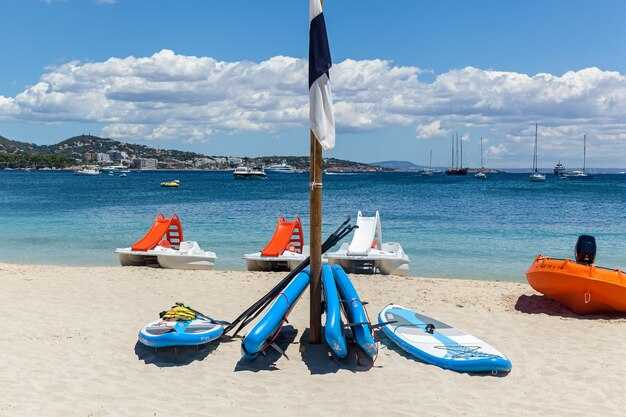 The Best Boat-Accessible Beaches in Europe – Top Sailing Destinations">

Choose cassis as your first stop on the south dazur coast for easy boat access to golden sand coves, calanques with crystal-clear water, and underwater life that invites a quick dip–enjoying the scenery without long hikes.
Next, sail to Porquerolles 그리고 Port-Cros for a variety of sheltered bays and wide beaches. You can anchor in calm water, then walk to sand beaches or swim off the stern, with 군중 far more manageable than on the mainland.
In the dazur belt, La Taillat on Cap Taillat offers a wide beach reachable by tender, with a golden hour glow and smooth water–perfect for an anchored lunch and a gentle swim, without rushing crowds.
For a broader perspective, destinations like saint-barthélemy show what a remote island vibe can feel like; European routes, however, offer a variety of options that offers fast access to beaches and places you can explore by shore or snorkel.
Wherever you sail, plan anchorages that are reached from marinas within a few hours, balancing sun, water clarity, and wind direction; the south dazur coastline and nearby islands deliver a set of places with adjustable itineraries and 해변 you’ll remember long after you return from the voyage.
European Boat-Accessible Beaches: A Practical Guide
Begin with katsiki Beach in Lefkada as your anchor; it offers a sandy shore, easy boat-access entry, and calm waters for a first swim.
This selection balances scenery and practicality, keeping the fastest route in mind while ensuring a variety of landscapes. These stops are boat-accessible, comfortable for a half-day circuit, and provide options for snorkel sessions, seabed exploration, and a short hike if you want a knotted view above the coves.
- katsiki, Lefkada, Greece – sandy shore, shallow seabed near the edge, and clear marine waters. Anchor close to the headland for easy in-and-out, then snorkel along the seabed among rocks and small fish. A quick coastal hike adds a look-out perspective without leaving the boat for long. This stop sets a relaxed pace for the selection and keeps energy high for the day.
- illetes, Formentera, Spain – an extended sandy crescent with protective waters, ideal for a family-friendly swim. Boat-accessible coves let you anchor in calm zones, snorkel around seagrass beds, and enjoy the shallow, turquoise waters. Plan a shorter transfer from Ibiza if you want to maximize time on the water and still leave room for a second stop.
- cassis, France – iconic calanque scenery with dazurs cliffs and towering limestone walls. Boat-accessible coves open up quick swims in protected waters, while a short hike to a cliff viewpoint offers a different perspective without sacrificing comfort. If you spot a small cristo shrine along the bluff, it makes for a memorable break on the route.
Practical tips to maximize accessibility and comfort: verify local anchoring rules and approach channels before launch, choose a boat size that handles shallow harbors, and keep snorkel gear ready for quick dips. For a smooth transition between stops, time entries to catch morning light on the illetes sands and late-afternoon shade near cassis coves. These details help you enjoy a seamless day with a balance of sandy shores, rocky coves, and open marine views, all within a compact, boat-accessible circuit.
Top Sailing Routes to Boat-Accessible Beaches in Europe
Begin in Marseille and head to the Frioul archipelago, then push on to Porquerolles for an ideal first leg. You’ll find surrounded coves, sandy beaches, and a shallow seabed that makes swimming easy right off the boat. Visit Notre-Dame Beach on Porquerolles for a bright, full day of sun, turquoise waves, and the chance to snorkel along lush rocky edges. This option keeps the sailing short, the scenery dramatic, and the mood relaxed, perfect for building confidence before longer hops.
France’s Côte d’Azur to Hyères offers a seamless second leg from Porquerolles to Port-Cigale and Almanarre. The selection of spots includes hidden coves with bleached sand and calm pools shielded by promontories. Look for a sheltered anchor near Plage Notre-Dame’s twin bays and then sail a gentle circuit toward Îles d’Hyères, where you can anchor again in protected water, bring a thermos, and enjoy peaceful evenings after a day of blue skies and sun-kissed water.
From Split, Croatia, chase Zlatni Rat on Brač and continue to Hvar for a true Adriatic experience. Zlatni Rat is a long sand spit that shifts with the wind, a must-see treasure for photo-ops and swimming between crystalline islets. The route is practical for a two‑to‑three‑day hop, with easy jumps between sheltered bays where the seabed shelves gently and the water remains crystal-clear. Those looking for more variety can hop to Hvar’s coves, where pine‑framed cliffs cradle calm water pools and beaches that feel untouched by time.
In Greece, start at Zakynthos to visit Navagio Beach by sea, then loop toward Porto Vromi and Agios Nikolaos for calmer days. Navagio is a renowned boat-accessible cove with a shipwreck that draws day sails from nearby resorts. The cove around Porto Vromi offers a natural harbor where you can snorkel over a rocky seabed and find pockets of sand that invite a quick dip. A stop at a small inlet nicknamed Cristo provides a quiet, less crowded option for evenings under starry skies.
Next, set a course for Lefkada’s Porto Katsiki and nearby coves to finish with dramatic blue horizons. The coast around Lefkada delivers steep limestone walls, spots with gentle entrances, and shallow sections ideal for families. You can ride the ferry lanes or sail along the coast to anchor in a sheltered spot with a sand‑fringed shoreline, perfect for a sunset swim and a final look at the marine panorama that makes this route so addictive.
Anchoring and Mooring: Practical Tips Near Each Beach
Anchor in a sheltered, sandy cove near dantibes, target 6–12 m depth, and deploy a three-to-one scope in light to moderate wind to minimize swing. If gusts rise, add a second anchor or a stern line to keep the boat centered on the spot.
Near navagio, select a spot 200–300 m off the beach with 5–12 m depth and good holding on sand or gravel. Avoid the cliff lee and monitor swell; adjust quickly if a tour boat passes nearby to preserve space for others and protect your ground tackle.
In balearic waters, search turquoise bays and secluded spots where boat-accessible anchorages exist. Favor 8–14 m depths, shielded from strongest gusts by the coast’s shape, and use a buoy-or-marked option when available to reduce risk and keep the area tidy for visitors.
Along the dazurs, pick a pocket behind a headland for calm nights, anchor in 6–10 m, and keep 30–50 m from other boats to avoid crowding. If permitted, a stern line to a rock can improve stability and reduce wake for those nearby spots already busy with yachting traffic.
At luna, choose 7–12 m depths, check for seagrass or coral beds, and avoid anchoring directly above sensitive habitats. Maintain a comfortable distance from shore and align with the flow of boats that visit sandy beach sections rather than clustered pontoons.
For those visiting busy destinations with yachts, agree on a rotation to share boat-accessible moorings and minimize interference with other vessels and swimmers. Disconnect your engine in quiet hours, monitor wake, and keep navigation lights on when necessary to signal your location to those around you.
Always verify local rules, weather, and buoyage before dropping anchor; plan to visit during early hours to reduce congestion and keep every spot surrounded by respectful behavior for all those who come to enjoy these European beaches.
Hidden Boat-Only Coves in the Adriatic, Aegean, and Baltic
Stiniva Cove on Vis Island in the Adriatic is a small inlet framed by towering cliffs, with a wide, sheltered entry and shallow water that makes an easy visit for boaters seeking a quiet horizon. It’s a hidden gem offering exclusivity for exploring, and its paradises for enjoying golden sunsets attract sailors looking to avoid crowded marinas.
Across Croatia’s Dalmatian coast, the Pakleni archipelago near Hvar hides several coves that stay quiet even in peak season. Expect easy anchorage in shallow depths of 4–8 m, broad entries for maneuvering, and sandy patches near shore that invite a relaxed swim. Destinations here cater to beginners and seasoned skippers alike, presenting a wide range of coves that feel truly private and close to main routes.
In the Aegean, the Cyclades and Dodecanese host boat-only coves with turquoise water, golden sands, and underwater features set against rugged cliffs. Plan routes from Naxos, Paros, or Rhodes to visit these coves, enjoying calm evenings and stunning sunsets after exploring narrow channels by tender. These anchorages offer exclusivity and an easy, enjoyable experience for beginners while still thrilling veterans with crystal-clear seas and shallow shelves.
The Baltic coast, particularly around Stockholm and Gotland, hides coves reachable only by boat that reward patience with wide entrances, gentle cliffs, and shallow bottoms. Visit shipwreck sites tucked along rocky segments, anchor near sandy beaches, and swim in crystal water sheltered from prevailing winds. These hidden gems invite careful planning, offering a close, relaxing escape for explorers seeking quiet paradises with easy access for improvised itineraries and underwater discoveries.
Seasonal Windows: Winds, Tides, and Best Times to Visit
Plan options for visits to cassis and marseille in May–June or September–October when steady Mistral winds keep the sea comfortable and make routes to secluded coves straightforward.
In the Ionian, Navagio’s blue cove shines when winds run moderate and visibility is high, so pick May, June or September for snorkel in crystal-clear water and easy access to the marine life, avoiding peak heat in July–August.
Croatia’s Brač coast, featuring zlatni sand spit, favors late spring and early autumn when Maestral winds keep the sea comfortable and currents predictable, offering easy, accessible sailing to secluded spots and pristine sand.
Across these regions, use tide awareness to time visits to natural harbors and sand beaches; start from close-to-port bases and sail to unique bays that surround you with calm atmosphere and easy mooring options. Prioritize spots that feel comfortable for visitors, with plenty of options to snorkel, sail, and enjoy the beauty of places like navagio and the surrounding coastlines near cassis and marseille.
Permits, Local Rules, and Environmental Considerations for Sailors
Verify permits before you sail and keep a compact book of permits and local rules. Permit systems differ across coastlines: some MPAs require a per-boat pass, others rely on harbor dues and posted restrictions. Agree with your crew on a simple plan to stay within designated zones, and book ahead through official channels when required to access moorings or anchor fields, which makes your trip smoother and reduces crowds.
Respect anchoring rules, speed limits, and waste-discharge prohibitions. In busy coastlines, use designated moorings or anchorage areas and steer clear of seagrass beds and coral bases. In the illetes area, follow posted times and stay off protected bottoms; these measures keep the coast calm and comfortable for visitors. If you’re snorkeling, stay in permitted zones and avoid touching wildlife, helping these unique habitats stay natural for years.
Environmental considerations cover waste, water use, and power. Pack out all trash, bring a compact bag, and dispose of it at shore facilities. Avoid single-use plastics and rinse equipment at approved stations; these steps reduce pollution for swimming and picnics and protect the coast for future voyagers. yachts and boats should use shore facilities whenever possible and minimize engine idling to reduce noise and emissions, helping visitors disconnect from busy ports and enjoy more beautiful, quiet anchors.
Practical tips to plan a smooth trip: pick accessible bays with calm waters, review tides, and note luna cycles before you go. Once you arrive, check the weather, wind, and safe mooring options, and make a quick crew agreement on who handles checks. These steps let you explore coastlines offering a golden variety of experiences, from hidden coves to long stretches ideal for snorkeling, swimming, and a picnic with friends on your boat. By visiting these destinations off-peak, you avoid crowds while still enjoying white beaches, natural scenery, and opportunities to observe wildlife in a respectful way.