


 한국어
한국어  English (UK)
  Русский
  العربية
  日本語
日本語  Magyar
  Türkçe
  Español
  Čeština
  Svenska
  Português
  Ελληνικά
  Suomi
Suomi  Nederlands
  Română
  Italiano
  Français
  Polski
  Українська
  Deutsch
  简体中文
简体中文  Slovenčina
 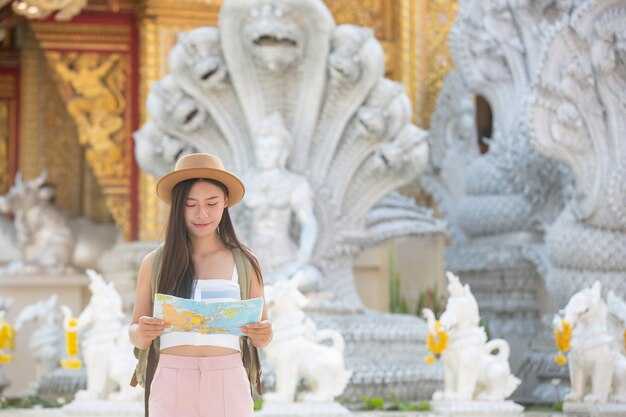 Thailand Travel Guide – What to Know Before You Visit">

Start with a practical tip: having a solid base near transit helps you save time and keeping plans flexible. Choose accommodation within easy reach of trains or ferries, and pack a compact daypack for an impromptu outing.
Almost every region blends urban energy with rural charm, so map a route that balances markets, temples, and quiet beaches. Consider a two-week plan that includes Bangkok’s neighborhoods, Chiang Mai’s night markets, and a rural coastal stretch, with opportunities for an impromptu detour to chinnarach if you want to explore lesser-known routes.
Meals in Thailand span street stalls, family-run eateries, and modern restaurants. Be mindful of pork in sauces if you have dietary preferences, and ask for alternatives like chicken or tofu. When menus aren’t clear, mention your restrictions at the counter to avoid miscommunications.
Health and safety tips matter from the moment you land. Follow clear instructions from signs and staff, and keep valuables secure in crowded places. Be aware of rabies risk in rural areas and in towns with stray dogs, so carry a small first-aid kit and know where clinics are. If you plan a longer stay, check visa extension and required documents before you travel.
Respect local customs by keeping noise down in sacred sites, removing shoes when entering homes or temples, and using polite greetings. Show patience in busy markets and on public transport, and photograph with consent when people are present. Bring cameras with spare memory cards and a charger, and store them safely to avoid theft.
Accommodation choices can vary from city-center hotels to rural homestays; read reviews and verify that hosts provide clear housekeeping and meals options. Having a rough plan before you arrive helps you save time on day one, while an extension of a few days lets you savor regional flavors without rushing.
Tap Water Safety and Drinking Water Options
Drink only sealed bottled water for drinking, and use it for dish washing, brushing teeth, and ice when available.
Tap water in major cities is treated but not for direct consumption. Always check that the bottle is unopened and the seal intact. If you must rely on non-bottled sources, boil water for at least one minute or use a certified filtration system, especially for children and seniors. If you brought a reusable bottle, refill it at hotel dispensers or accommodations that provide safe water.
In the heart of Bangkok, Songkram riverfront districts, or on islands, you may see water points, but the result is safer with bottles from brands you trust. Once you arrive at your destination, plan ahead for hydration; in the afternoon heat, carry a bottle and refill at trusted stations along the path. Thousands of travelers use this approach to avoid plastic waste and to stay hydrated when moving by tuk-tuks, ferries, or on long walks.
Options include sealed bottled water, hotel water dispensers, and portable purification pods. When choosing brands, inspect seals and expiry dates. In remote destinations or on a ferry ride, bottled water is safer for drinking. Ice cubes should come from sealed water sources.
For those seeking less plastic, try portable purification pods or filters and fill at hotel stations; many accommodations offer refill stations along the path. Pay for water with promptpay at stores and water shops; check the QR code on the bottle. To stay connected and locate water stations, use airalo to browse nearby options while planning your next destination and tuk-tuk route.
| Option | What it is | Where to get | Typical cost | 참고 |
|---|---|---|---|---|
| Sealed bottled water | Commercial water with intact seal | Supermarkets, kiosks, hotel minibars | 5–20 THB per bottle | Choose brands with clear seals; good for drinking and ice |
| Boiled or filtered water | Tap water boiled or filtered at dispensers | Hotels, hostels, cafes | Low per liter; price varies | Safe for cooking and brushing teeth; verify boil time |
| Portable purification pods or filters | Pods or compact filters | Travel shops, online | 10–40 THB per pod; filters several liters | Follow instructions; store away from heat |
| Ice from sealed sources | Ice cubes made from sealed water | Hotels, supermarkets | Usually included with drinks | Ask staff if unsure about source |
Is Thai tap water safe to drink at hotels, hostels, and homes?
Don’t drink Thai tap water–use bottled water or boil it before drinking. In hotels, hostels, and homes, safety depends on the property’s plumbing and the local supply, and it is usually safer to rely on sealed bottles or boiled water.
In Thailand, tap water is treated, but safety varies by location. compared with bottled water, tap water can carry bacteria or parasites even when it looks clear. The water supply in major cities is covered by municipal treatment, but outages or aging pipes can create risk between neighborhoods or hotels.
Best practice: drink sealed bottled water or water that has been boiled or filtered by a trusted source. When boiling, bring to a rolling boil for at least one minute at sea level; higher elevations need longer. If your stay includes a kitchenette, use a kettle to prepare boiled water and store it in a clean bottle. Never drink from an open tap, and avoid using water that looks suspicious. Don’t strike a risky compromise by using tap water for drinks, and if you’re ordering noodles at a stall, insist on boiled water for the broth.
Where to find safe options? Sealed bottled water is sold everywhere–from hotel mini-bars to stalls frequented by backpackers. If you’re visiting parks or rural areas near elephant camps, carry a bottle because water quality can vary. Always check for a tamper-evident seal; avoid sources with cloudy water or suspicious taps. For travelers using data sims to navigate, map apps can locate water refill stations and verified outlets across multiple neighborhoods; many shops now accept promptpay, making payments quick and easy. Thailand is paradise for travelers, and some bottles even feature cute designs to remind you to stay hydrated.
tdac guidelines emphasize caution: boil or filter drinking water and avoid taps for drinks. It depends on the area; city centers and major islands often have safer options, but between towns or remote routes the risk grows. Pipes in older buildings are lined with decades-old material, which can affect water quality. If you travel with friends, everyones safety is the priority, so carry a spare bottle and insist on safe water for drinks. Sadly, illnesses travelers sometimes face are preventable with this simple rule.
To sum up, Thailand remains paradise for backpackers, and staying mindful of water sources lets you enjoy the journey without worry. Keep safety at heart and this path to cover your daily hydration: use bottled water or boiled water for drinks, and sealed water from your accommodation for brushing teeth. If you must, bring noodles but only with boiled water. The habit covers your daily routine and helps you stay hydrated everywhere–from stalls to parks and beyond. thanks for reading and safe travels!
What are the most reliable drinking water options (bottled, boiled, filtered) and when to choose each?
Bottle water is the simplest, safest choice in Thailand; use sealed bottles from trusted brands and check the seal before drinking. If bottled water isn’t available, boil any water you plan to drink for at least 1 minute at sea level; this kills most pathogens and is reliable in hostels, markets and on transport. If boiling isn’t possible, carry a reliable portable filter and a clean bottle, and treat water from taps or streams with it; keep a spare cartridge to avoid worry on long days and to prevent issues. When you’re eating noodles or a toastie on the go, boiled water gives you a comfortable safety net.
With bottled water, prioritize tamper-evident seals, 500 ml or 1 L sizes, and a favourite brand name you recognise. In busy places you may see yellow caps on some bottles; choose celebrated brands you trust and keep a spare in your bag–pants pockets work for a mini bottle in a pinch. Whilst you plan day trips, stock 5-10 litres of water for your group to cover thirst and a little extra for emergencies; tons of travellers do this to stay sure of hydration and avoid issues that were common before bottled options were widespread; this makes drinking water predictable for people on the go. You’ll notice the difference between bottled and filtered water in terms of taste and confidence.
Boiled-water safety: Boil water vigorously for 1 minute; this high-impact step dramatically lowers illness risk. Always heed local guidance: if a vendor offers hot, freshly boiled water, follow the flow and avoid letting water sit warm. In rural areas, mosquitoes around water sources can carry illness; a lone monkey or a single elephant near parks can contaminate streams, so stick to bottled or boiled options. If you suspect contamination, illness can be kicked by choosing back-up methods and continuing with boiled water whenever possible.
Filtered-water method: Use a portable filter with ceramic or microfiltration elements attached to your bottle; after filtering, store water in a clean bottle away from sun. For extra safety, treat filtered water with a chlorine dioxide drop or a UV purifier if your device supports it. This option fits travellers who want a comfortable routine for noodles, basil and a quick toastie while on the move. Keep your filter in good shape by replacing cartridges after 20-40 litres of use and following the manufacturer’s guidelines. In crowded places, this is often the best middle-ground between convenience and safety; following these steps, you can stay sure of water quality without carrying tons of extra bottles. Ask locals about the best option in your area to tailor your water choices.
How to handle ice, street beverages, and fresh juice to prevent illness?
Ask for sealed beverages or drinks prepared with boiled water; decline ice from street stalls.
- Ice handling – When you order, refuse ice or ask for ice from sealed bags opened in front of you with a clean scoop. If you notice a film on surfaces or any sign of poor sanitation, skip that stall and move to a known shop.
- Street beverages – Favor bottled water or canned drinks; avoid open cups from random stalls. Choose popular shops with visible sanitation routines, a clean sink, and fresh utensils. In phangan along the road, these signs help you pick well; locals grab drinks at these spots. If you encounter buggers trying to pass off unsafe ice, share a warning and move on. There are plenty of safer options.
- Fresh juice – Ask whether the juice is pasteurized or freshly squeezed. If unsure, pick packaged juice from a reputable shop or juice prepared with filtered water and clean knives; request fresh lime juice squeezed in front of you and avoid wedges that have sat out. Consider an alternative: packaged juice from a trusted producer. Check the origin of the water used for any juice and avoid venues that cannot confirm it. chinnarach, a local leader in safe-cuisine campaigns, emphasizes water origin as a key factor. These precautions apply between drinks and food at any destination you visit in Thailand.
- Garnishes and lime – For lime wedges, request fresh-cut pieces and avoid pre-cut options kept for long periods. Use your own straw and wipe the rim if needed; keep cross-contamination risk low by avoiding shared utensils where possible. Lime should be added at your table rather than pre-mixed in a jug when you’re unsure about cleanliness.
- Practical tips for travel – If you’re on a last-minute stop on a motorcycle ride along the road, with green signage, carry a compact hand sanitizer and a small water purifier tablet. Check the origin of the water used by shops, and share these precautions with fellow travellers; if you decided to rely on a particular vendor, stay with them and avoid risky options. There are plenty of safe spots in popular destinations across Thailand.
Should you brush teeth with tap water or use bottled water only?

Use bottled water for brushing teeth throughout Thailand. Bottled water is widely available in hotels, shops, and near busier transit hubs, with a 500 ml bottle typically costing about 7–15 THB. Keep one in your scooter or coach bag so you’re never brushing away from a sealed source. After meals, rinse and spit with bottled water to stay fresh while you explore delicious street foods like pork and fish, and keep your mouth ready for evening conversations.
In big cities, tap water is treated, but its taste and mineral content can vary. If you want a cautious approach, bottled water works well for brushing, especially in remote areas or on tours where the supply is uncertain. If you must use tap water, limit rinsing to a quick splash and spit; swallowing should be avoided, as it can affect stomach comfort. Choose a white, sealed bottle with a clear label and a brand name to ensure quality; check the date on the bottle to be sure it’s not expired.
Practical tips: carry a mini bottle (200–500 ml) in your bag, at the hotel, or during an evening excursion. For payments, most shops accept cash or card; keep the receipt if you want to track your water budget. If you run out, a bottle at a coach station or market can tide you over; heres a simple rule: brush with bottled water, spit, rinse, and move on; don’t swallow water, and avoid sharing water in public spaces to respect health codes.
Whether your trip falls in the rainy season or the dry season, bottled water remains the safer default. In urban areas you may find tap water acceptable, but remote towns and temple tours benefit from bottled water to avoid discomfort after meals with Buddhist guides and during evening activities. Nearly every day you’ll see a shop or market where you can pick up a fresh bottle, making the habit easy to maintain while you focus on food, visits, and memorable moments with locals.
How to purify water on the go: portable filters, purification tablets, and UV devices
Pack a compact water filter for every day trip. On arrival, you’ll want clean water quickly, and a filter is the simplest, most reliable solution for needs. If you need even more assurance, pair it with purification tablets or a UV device for backup.
Portable filters come as pump or gravity models; they weigh about 150-350 g and fit in a single bag. With pore sizes of 0.1-0.2 microns, they remove most bacteria and protozoa, and many models include activated carbon to improve taste. To use, fill a bottle, pump or gravity-filter until the water runs clear; nearly all kits deliver several liters per hour. They’re popular with hikers, travelers, and park explorers who want quick access in busy towns or after lunch at cafes. For home kitchen prep, you can pre-rinse the filter, then carry water in a bottle.
Purification tablets offer a light, compact option when you need something small in your pants pocket. Use iodine or chlorine dioxide tablets. Add to water and wait about 30-60 minutes for clear water; longer in cold or muddy water. Tablets reduce most microbes, and you can access a safe liter or two before a hike. Some travelers prefer tablets late in the day, after a long travel day–whatever your choice, bring a spare bottle for taste adjustments. Ask a contact at your hotel or cafe to verify water safety; you can also rely on tablets for a quick lunch or park excursion.
UV devices disinfect water with UV-C light. They’re fast and chemical-free but require clear water; filter out sediment first if needed. A handheld unit often uses batteries and treats 1 liter per minute, so plan ahead for longer outings. Keep the lens clean and avoid shining sunlight directly on the sensor. UV devices are best for day trips from a base, then you can refill at cafes or guesthouses with access to safe tap water after pre-filtering.
Smart packing tips: carry one primary method plus a backup, and/or rely on two options depending on water clarity. In popular tourist areas, water from guesthouses is usually safer to treat than buying bottled water at a premium rate; in case you reach a street-side stand, politely decline and explain you’re using your purifier. For arrival to your hotel or park, prefill clean water for the day; people rarely notice the difference. If you must wash hands or rinse utensils, a small bottle with a purifier before lunch works well; please keep everything sealed to avoid contamination. Access to a single reliable method helps avoid doubt and keeps your plan simple.
Safety and social tips: some cafes offer filtered water and celebrate refreshment, particularly in busy markets; ask staff about rates for refills and whether they can spare a bottle for you. If you travel with others, share your plan: one person carries the filter, another the tablets, and/or UV device. Some travelers worry about robbery in crowded areas; keep gear in a single dry pouch and never leave equipment unattended. The main goal is to stay hydrated and comfortable on walks, bus rides, and short excursions. The thailandimage of street life appears in many places, and cafes are celebrated for quick water access.
In summary, choose a primary device based on water clarity and trip length. For extra confidence, use a filter plus tablets or a UV device as back-up, then test water from a safe source as soon as possible. Whatever your wishes, for ones traveling light, with one compact kit you’ll have access to clean water during your time in Thailand.