


 한국어
한국어  English (UK)
  Русский
  العربية
  日本語
日本語  Magyar
  Türkçe
  Español
  Čeština
  Svenska
  Português
  Ελληνικά
  Suomi
Suomi  Nederlands
  Română
  Italiano
  Français
  Polski
  Українська
  Deutsch
  简体中文
简体中文  Slovenčina
 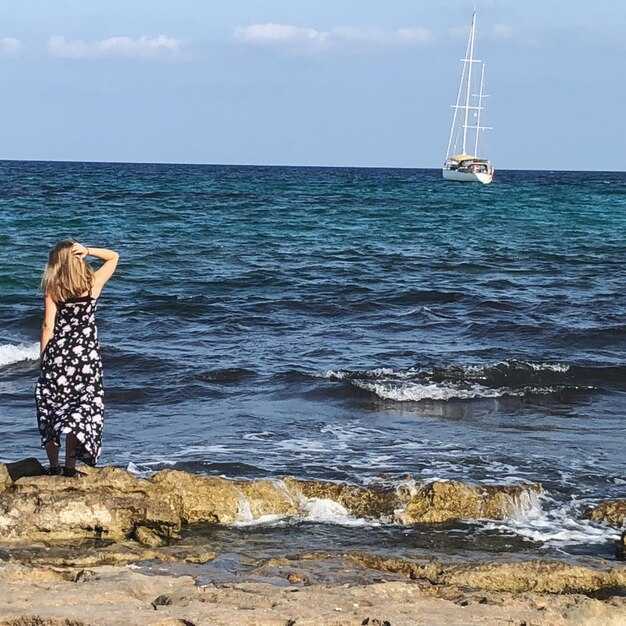 Sailing in Spain – The Perfect Haven for Sea Lovers">

Start with a round coastal loop from the Basque coast to Galicia, then arc south into the Balearics for a balance of rugged beauties and sheltered harbors. This approach keeps passages practical and lets you compare northern winds with southern calms, setting a steady pace for your voyage.
Along the northern coast you meet a variety of towns, from large port cities to smaller fishing villages. They each reveal coastal life with distinct flavors, and the scenery shifts from cliff-backed shores to sheltered estuaries, offering comfortable anchorages and the option to shorten legs if you prefer a shorter night at sea.
From palmas on Gran Canaria to the mainland, you’ll feel the year-round pulse of the sea. Each year, sailors return for reliable winds and predictable harbors. In busy ports you’ll pay higher cost per night, while in smaller harbors you’ll find more intimate moorings for about 40–70 EUR nightly. After sunset, many bays invite night swimming and a fresh breeze to wake your senses before bed as you drift toward the next anchor.
Head toward Galicia for the unique coastal beauties and a culture-rich land where you can plan a day ashore to explore santiago, then return to the boat for a sunset sail. This inland detour complements the maritime pace with culture and architecture, enriching the trip with unique experiences and coastal beauties.
For a practical frame, plan a final leg to Toro’s wine country after your coastal circuit, or combine a short inland loop to taste the best of Spain’s countryside. The route offers a variety of bays, coves, and lagoons where you can swim, fish, or simply drink in the fresh air and watch the sun dip behind rugged headlands, all while keeping the costs manageable and the pace comfortable.
Guide to Sailing in Spain
Fly into Malaga and book a sailing charter via Boataround for weekly trips along the Costa del Sol, then plan a Tenerife leg for a diverse holiday.
That blend of beaches and open-water passages lets you reset each day with a fresh horizon. Stay flexible to mix sheltered hops with longer sails.
The best windows are late spring and early autumn when steady winds shape easy days; the swells around Tenerife add exciting options for the crew seeking variety.
Main hubs and access: Malaga is the main gateway to southern Spain, while Tenerife anchors the Canary route; both have airports with frequent services and boats available for centre-based charters.
Beaches and havens along the coast invite flexible plans where you can anchor near protected coves, a haven for rest, after long hops and still reach lively towns.
Boataround connects you to a wide range of main routes and trips, with weekly options for bareboat or skipper-led formats, routes which suit your pace.
Practical tips: verify weather forecasts, check port fees, and confirm licenses; plan around ports in the Malaga centre or the Tenerife base if you want a longer-scale voyage.
Best Atlantic routes from Galicia to Basque Country: choosing a starting point and season
Start from A Coruña in Galicia, the recommended starting point, in May or September for the best balance of winds and seas. This keeps the level of risk approachable for a capable crew, while nearby ports provide provisioning and marinas with reliable wi-fi, and harbor protection. The wide, pristine coastline allows a flexible itinerary toward the Basque Country, with asturias as a natural nearby leg for a gentle first hop. If you prefer a shorter intro, Ferrol or Luarca offer nearby options with similar protection and a strong nautico vibe. Definitely plan the first leg to Santander at roughly 180–210 NM, then continue 60–90 NM to Bilbao, adjusting for forecast and currents.
Seasonal window and winds: late spring (May–June) and early autumn (September–October) deliver mostly steady conditions, with winds from the west-northwest averaging 15–25 knots and manageable seas. Winter adds stronger Atlantic lows, increasing risk; though experienced crews can handle it, you should rely on protected harbors and shorter hops. To navigate confidently, hire an expert skipper or pair up with a crew that has solid nautico credentials. If you crave a longer voyage, you can link this northward route with canaries or menorca extensions during milder months, always returning to a southern detour before rejoining the Basque coast. For enthusiasts, this setup works well as a stepping stone to longer, more ambitious itineraries.
Route structure and practical stops: begin A Coruña, hop to Luarca or Gijón for rest and provisioning, then press to Santander and finish in Bilbao. Distances fit well on multi-day passages: A Coruña–Santander about 180–210 NM; Santander–Bilbao about 60–90 NM. Along the way you’ll discover famous towns, protected harbors, and occasional pimpi bars where you can enjoy local wine and a quick wind check. For a more offshore feel, a direct Bilbao leg is possible in stable weather, but that demands careful planning and a ready crew. If you want a southern detour, malaga, churriana, and cabopino offer warm-water breaks, and you can loop to canaries or menorca later on for a longer, more ambitious voyage; you’ll also enjoy less crowded anchorages in sheltered bays depending on the season.
License, permits, and experience thresholds for Spain’s Atlantic coast
Get the right skipper certificate and ensure your vessel papers are current before you sail Spain’s Atlantic coast. Verify vessel registration and insurance, carry a valid VHF radio license, and have an EPIRB on board. Keep maintenance records up to date and perform a thorough pre-departure check; these things help when winds shift or fog rolls in. If you plan to enter protected zones, consult Capitanía Marítima well in advance for required permits; parc authorities along the coast may restrict anchoring or landing within designated areas. In galicias, plan for several checks with local authorities, and map your route to avoid restricted zones where needed.
What you need to document and obtain adds up to a practical list: vessel registration, proof of insurance, crew certificates for the skipper and any onboard trained members, a radio license for VHF use, and safety gear up to maintenance standards. For entries into Parc zones, you may encounter landing or anchoring limits that require a specific parc permit. Always verify current rules before you depart, especially if your plan crosses into the Las Islas Atlánticas de Galicia or other protected zones.
In parc zones along the Atlantic coast, you will find that permissions can change with the seasons and nesting periods. Factor in the delta area near the Guadalquivir for seasonal restrictions and designated moorings; this significant area demands careful scheduling and respect for wildlife rules. While you chart your course, keep in mind that several anchorages near galicias offer reliable shelter, but you must respect local regulations and avoid restricted basins during sensitive periods.
- Galicias coastal itineraries: start from A Coruña or Ferrol, sail through the rías, and progress toward Vigo and Baiona. Keep daily legs modest (20–40 nautical miles when possible) and choose daytime passages during summer trade winds. This approach builds experience while maintaining safety.
- Atlantic ring routes to the Guadalquivir delta: if you extend your voyage south, plan a conservative pace with backup anchorages near Cala de la Isla or Puerto de Santa María, and verify mooring options before entering the delta region. Keep a close eye on currents and wind shifts.
- Canaries addition: arguineguín serves as a reliable provisioning and maintenance hub when heading farther offshore; use it as a milestone for longer ocean passages, especially in winter when tradewinds are favorable for west-to-east legs along the Canaries and back toward the mainland.
When it comes to onshore stops, you’ll find delicious options, including wines and seafood in galcias ports. In vilanova and nearby towns, several restaurants serve authentic regional dishes that pair well with local wines; plan evenings for entertainment and informal maintenance checks in harbors that feel welcoming after a day at sea. Also, if you crave a change of scenery, consider Málaga as a cultural detour to contrast Atlantic sailing with Mediterranean energy, though keep in mind the sailing conditions and required permits if your route crosses into different maritime zones. Winds along the coast can shift quickly, so always have a backup plan and safe, short-day itineraries ready to serve your crew’s safety and comfort. The ultimate goal is a well-prepared voyage that balances adventurous sailing with practical constraints, delicious stops, and responsible boating across Spain’s remarkable Atlantic coast.
Weather, tides, and currents to plan safe passages along the Spanish Atlantic
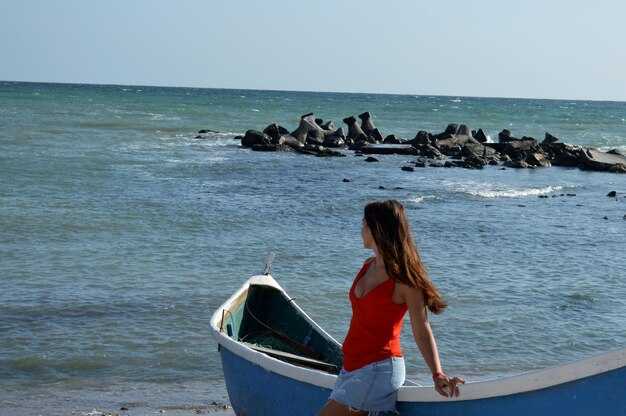
Plan long Atlantic hops in late spring or early autumn when NW winds stay steady and mornings are calmer, typically 12–18 knots with lighter chop. This window lets you ride a smooth, breathtaking ride along the coast and makes visiting marinas like Vigo, A Coruña, and Santander a pleasure. Make sure your certification is current and that rental terms cover safety gear; confirm crew needs and any assist options with your charter provider before departure.
Wind patterns vary by coast, so tailor each leg. From March to October the NW sector dominates the Atlantic near Galicia and Cantabria, with fronts bringing gusts that can spike to 25–30 knots in squalls. Choose legs that fit your level: 15–20 knot days for steady progress from A Coruña toward Ferrol or from Vigo toward Baiona, with a contingency for wind shifts. When the sea state tightens, slow down and enjoy the scenery–beautiful delta-like estuaries unfold to the east, while the next sheltered stretch offers calmer sailing. While you’re ashore, the buzzing restaurant scene near marinas keeps your crew entertained during visiting days and shore-side explorations.
Tides on the Atlantic coast swing with the moon, and Galicia’s Rías Baixas show tidal ranges of roughly 3–6 meters at spring tides, with other estuaries around 3–4 meters. In Cantabria and the Basque coast, expect 3–4 meter ranges. Plan passages to ride through narrows near high water for easier currents, and use tidal charts to time your approach to sheltered harbors. High-water entries shorten approach times into busy ports and help you manage marina slots during peak visiting seasons.
Currents run shallow along most open coasts, but in narrow channels and estuaries you can see 1–2 knots of ebb or flood. Expect cross-currents near headlands and around bends in the Rías Baixas delta. Bring up-to-date current tables and plot slack-water windows to keep your course true and minimize drift. If you sail during less favorable currents, adjust speed and heading gradually and communicate with the crew to keep everyone aligned and safe.
For planning efficiency, map your route with a couple of practical stops: from A Coruña south toward Vigo, then along the cantabrian towns of Gijón and Santander, finishing in Bilbao or San Sebastián if you add a longer leg. When you’re ready for shore days, you’ll find delicious options ashore and a resilient supply chain for Rentals and rentals–food markets, botanical gardens, and charming local markets enhance your route. If you’re considering a broader itinerary, you can also mix in Alcúdia to taste a different cuisine and a breezy, sun-drenched pause, or ride to Vilanova for a calm coastal vibe and a different harbor feel; Portmany can come later as a contrasting experience with a buzzing nightlife and a strong restaurant scene that highlights local products. Love the variety, and plan with safety in mind so each passage feels as calm as it is beautiful.
| Aspect | Typical values for the Spanish Atlantic | Planning tips |
|---|---|---|
| Wind | NW/ W winds commonly 12–22 knots; fronts can push gusts to 25–30+ knots | Target 2–4 day windows with 12–18 knot days; monitor forecasts from AEMET or trusted apps; choose legs with easier ranges; have contingencies for stronger fronts |
| Tides | Spring ranges 3–6 meters in Rías Baixas; 3–4 meters in Cantabria/Basque estuaries | Plan passages around high water through narrow channels when possible; use tidal charts for shelter and marina access |
| Currents | Shallow coast currents; 1–2 knots in ebb/flow within channels; variable near headlands | Consult current tables; time entry for slack water; adjust course to counter drift |
| Best seasons | Late spring and early autumn offer moderate winds and calmer seas | Prefer May–June and September–October for long hops; use July–August for shore-time in marinas |
| 위험 요소 | Atlantic fronts, fog in Cantabria, rolling seas in open bays during storms | Keep a robust forecast and have a contingency plan for shelter in Vigo, A Coruña, Santander |
Ports, marinas, and provisioning stops on popular itineraries

Begin with Palma de Mallorca as your provisioning hub, stocking weekly supplies and loading water and fuel before you head to Formentera and Ibiza.
On the Balearic loop, plan a clockwise sequence that keeps hops short and the pace comfortable. Start in Palma, then press to Alcúdia’s marinas, continue to Ibiza Town or Cala de Sant Antoni, and finish the arc with a call in Formentera (La Savina) before returning toward Mallorca. Each stop delivers full services, chandlery, and city-life options, including pubs and waterfront strolls that fit a relaxed holiday rhythm. That configuration also makes it easier for families and first-time crews to enjoy the seas, warmth, and history along the coast.
반도 북쪽, 아스투리아스는 색다른 풍미를 선사합니다. 히혼과 아빌레스는 견고한 마리나, 효율적인 보급, 그리고 장거리 항해 후 보급품을 재정비하는 데 도움이 되는 주간 시장을 제공합니다. 이들의 위치는 주요 항구보다 덜 혼잡하며, 해안 하이킹, 문화 유적지, 그리고 휴가를 더욱 풍성하게 해주는 해양 역사의 숨결을 느낄 수 있게 해줍니다.
더 긴 항해를 원한다면 카나리아 제도는 믿을 수 있는 바람과 탁 트인 하늘을 선사합니다. 라스팔마스와 산타크루스데테네리페는 슈퍼마켓, 선용품점, 수리 시설을 갖춘 주요 보급 기지 역할을 합니다. 변화를 갈망한다면 라팔마 또는 라고메라를 잠시 들러 다양한 풍경과 더 잔잔한 정박지를 즐겨보세요. 이 경로는 따뜻한 기후 속에서 일 년 내내 이동할 수 있도록 해주며, 한두 곳 이상의 목적지와 항구 도시의 펍에서 어울릴 수 있는 많은 기회를 제공합니다.
어느 방향을 선택하든, 신선한 농산물, 물, 연료, 그리고 예비 부품 등 기본적인 것에 초점을 맞춘 보급 계획을 준비하세요. 가장 좋은 방법은 주간 리듬과 유연한 구간을 결합하여 날씨와 선원 에너지에 적응할 수 있도록 하는 것입니다. 그 결과는 다양한 서비스, 다채로운 목적지, 그리고 다양한 모험이 어우러져 스페인 해안을 카나리아 바람, 아스투리아 절벽, 또는 포르멘테라의 고요한 작은 만을 쫓든 연중 내내 세일링을 즐길 수 있는 최고의 허브로 만듭니다.
스페인 대서양 횡단을 위한 선원 준비 태세, 안전 장비, 갑판 기술
출항 48시간 전에 전체 승무원 안전 브리핑을 실시하고 초보자들끼리 역할을 교대하는 20분간의 갑판 훈련을 실시하여 모든 사람이 구명 뗏목을 배치하고, 줄을 넘기고, 해상에 빠진 사람을 구조할 수 있도록 하십시오.
전세선 안전 장비 목록: 탑승 인원수만큼의 구명조끼와 여분 자켓 2개, 6인용 구명정, GPS가 장착된 EPIRB, 채널 16에 맞춰진 VHF 무전기, 소화기 2개, 해상 구급 상자, 지도, 조난 신호 장치, 물 배급품이 담긴 비상 가방. 모든 장비를 시험하고 출발 24시간 전에 모든 승무원에게 점검 목록 사본을 이메일로 보내십시오.
더 나은 컨트롤을 위한 온-덱 훈련: 약한 바람에 메인 세일 리핑, 시트 및 할야드 다루기, 해상 인명 구조, 워치 중 통제된 MOB 훈련 연습, 깔끔한 조종석 유지. 각 근무 교대 후 데크를 빠르게 청소하여 소금 및 기름 잔여물을 제거하고 미끄럼 방지 표면을 건조하게 유지하십시오.
항해 및 기상 수칙: 4시간 교대 근무, 항해 일지 작성, 구명 부표와 페인터를 이용한 인명 구조 훈련. 풍속 15–25노트, 파고 1–3미터 변동 예상, 스콜 시 돌풍 주의. 악천후 시 신중한 키 조작, 추월 파도를 피하도록 속도 조절.
스페인 대서양 회랑을 따라 여행을 계획할 때는 소규모 항구와 진정성 및 미식 경험을 높이는 주요 경유지를 적절히 혼합하여 선택하십시오. 베니돔과 마르베야에 들러 식량 보급과 해변 식사를 즐기고, 마혼 또는 산타 크루즈 데 메노르카와 같은 발레아레스 제도 방향으로 더 깊숙이 들어가 정통 해산물을 맛보고 현지 레스토랑을 방문하십시오. 항해 중간에는 신선한 낚시를 즐기고 지역 특산물을 맛보며, 멋진 풍경과 문화적 매력이 일정을 안내하도록 하십시오.
초심자의 경우, 빡빡한 훈련 일정을 유지하고 이메일을 사용하여 항로 및 안전 수칙을 팀원과 공유하십시오. 일반적인 전세 항해에서는 당직, 도킹, 보급 및 리핑에 대한 명확한 역할을 할당하고 숙련된 메이트를 탑승시키거나 전세 회사에서 대기하도록 하십시오. 이 접근 방식은 혼란을 방지하고 배우는 동안 생산적인 날들을 유지합니다.
최종 점검 후 안전 수역으로 항로를 설정하고 항만 당국의 통관 시간을 모니터링하십시오. 각 구간별 일수를 기록하고 잔잔한 날 또는 거친 바다에 대비하여 일정을 조정하십시오. 이 여행은 항해와 미식, 진정한 현지 문화를 결합하여 스페인 해안과 해양 유산을 최대한 활용합니다.