


 한국어
한국어  English (UK)
  Русский
  العربية
  日本語
日本語  Magyar
  Türkçe
  Español
  Čeština
  Svenska
  Português
  Ελληνικά
  Suomi
Suomi  Nederlands
  Română
  Italiano
  Français
  Polski
  Українська
  Deutsch
  简体中文
简体中文  Slovenčina
  Sailing Holidays in Greece – Best Islands, Yachting Tips & Vacations">

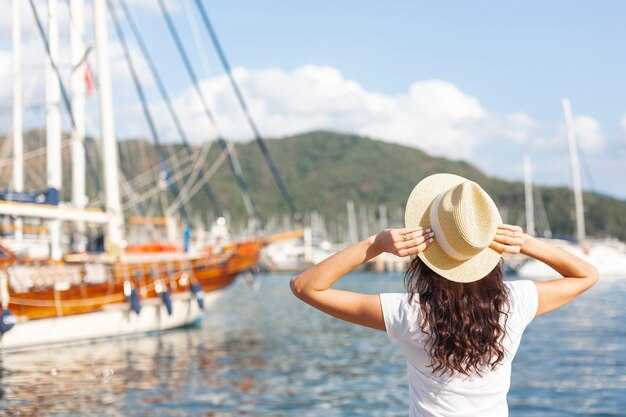
Begin with a 7-day 요트 itinerary around Hydra 그리고 Poros 에서 aegean, starting on saturday to catch the great winds and the best coves. 탑승 your yacht, secure a booking with protected berths and tavernas, so you head to shore for sunset views.
어디 greece shines for sailing, plan your route with details and flexible choices. Move between short hops to coves and anchorages, keeping a head for crew needs, water, and snacks. In each port, confirm mooring slots in advance and note local tavernas for seafood dinners. What does a great day require? Calm seas, consistent winds, and a comfortable anchorage.
Hydra and Poros offer classic scenes: car-free streets, white-washed houses, crystal water, and waterfront views. The aegean winds arrive in late afternoon, so time your hops to arrive before dusk and enjoy tavernas with sunset over the harbor. Adjust the route when winds shift to keep sails balanced, and take a brief stroll into civilization ashore for a coffee or dessert.
Booking notes: select a vessel that fits your crew, confirm 탑승 times, and map alternate ports in case winds shift. On saturday markets you can find olives, feta, citrus, and fresh fish to fill meals while you sail between hydra 그리고 poros and beyond, keeping your schedule filled with memorable stops.
Practical Guide to Greek Sailing: Islands, Routes, Yachting Tips & Athens Packing
Begin with a 5–7 day Saronic Gulf circuit from Athens. Sheltered seas, predictable afternoon winds, and straightforward logistics suit a first-time crew.
Islands to visit along this loop include Aegina, Poros, Hydra, and Spetses. Aegina offers short hops, pistachio orchards, and fresh seafood in harbor tavernas. Poros provides pine forests on its hills and a compact port that lets you refuel provisions quickly. Hydra stands out for a car-free quay where strolls along stone lanes reveal white-washed houses and waterfront cafés. Spetses features a busy old harbor, good shelter, and easy moorings for an overnight stop. Sample timing from Alimos (Athens) to Aegina runs 2–4 hours; Aegina to Poros 1.5–3 hours; Poros to Hydra 2–4 hours; Hydra to Spetses 2–3 hours; Spetses back to Athens 4–6 hours.
Extended options begin with a hop to the Cyclades: Kea, then Kythnos, Serifos, Milos, or Paros. The progression increases sailing time but pays back with white-walled towns, clear waters, and anchorages suitable for a relaxed pace. When winds shift, shorten legs by staying in sheltered bays or returning to a nearby harbor for the night.
Yachting tips for smooth sailing: confirm license and documentation for Greek waters, arrange a local skipper if needed, stock fresh provisions near your first port, and map anchorages with protected harbors. Always check local harbor facilities, fuel points, and water at the pier before departure from Athens. Have a flexible plan, but pin one primary route and one backup port in each leg in case weather changes.
Athens packing list for a sailing trip: light layers for day-to-day heat, a couple of warm tops for evenings, swimsuits, sun protection, a compact rain shell, a small daypack, and a waterproof dry bag for electronics. Bring a compact first-aid kit, basic tools, spare fuses, and a multi-tool. For city stays, pack comfortable shoes, a light jacket for the evenings, and a compact travel towel. For provisioning, plan to buy fresh bread, fruit, and fish near the harbor when you arrive, then supplement from local markets en route to your next stop.
Best Island Routes for Different Skill Levels
For beginners, the sheltered Saronic Gulf loop from Athens is the ultimate starter: short hops, calm waters, and straightforward navigation between Aegina, Poros, and Hydra. Consider 3 days to complete the loop, with a day ashore to enjoy the view from Hydra’s hills and to visit ruins on Aegina. This route is ever popular with first-time sailors, and it aligns with realistic requirements for safe, owner-operated chartering and a welcoming fleet. Expect easy activities like swimming and snorkeling along protected coves and beaches.
-
Beginner: Saronic Gulf Loop
- Route: Piraeus → Aegina → Poros → Hydra → return to Piraeus.
- Distance and pace: 20–25 nm per leg; 4–6 hours sailing per day; 3–4 days total.
- Why it works: protected coves, steady winds, and easy provisioning with port calls on each island.
- What to do: beaches on Aegina, ruins around the island, Hydra’s harbor area with a stunning view, and short visits to coves for swimming.
- Navigation and requirements: primary navigation along the coast; maintain VHF and charts; keep a simple weather check every morning.
- Tips and notes: tripadvisor reviews highlight calm anchorages and wonderful harbor experiences; you can find calm bays perfect for a first charter.
-
Intermediate: Argolic Gulf to Dokos cluster
- Route: Nafplio/Ermioni base → Ermioni → dokos (short hop) → Spetses → Hydra → return via Poros or Aegina.
- Distance and pace: Ermioni–dokos ~ 25–30 nm; dokos–Spetses ~ 20 nm; Spetses–Hydra ~ 15–20 nm; 2–3 days total.
- Why it fits: longer hops require better navigation, handling variable winds, and more careful weather checks.
- What to do: snorkel in sheltered coves near dokos, stroll Spetses town, and enjoy Hydra’s view from the quay.
- Navigation and requirements: this area adds currents and more traffic; plan with charts, pilot books, and a clear plan; understand the area before you depart.
- Tips: owner‑operated charters offer flexible schedules; tripadvisor notes highlight the serenity of coves around dokos and the beauty of the islands.
-
Advanced: Cyclades and Dodecanese crossings
- Route: base bali (Crete) → Milos or Serifos → Paros → Naxos → Delos/Mykonos or Santorini as a longer detour.
- Distance and pace: 40–60 nm between main hops; plan 4–7 days depending on wind windows and weather patterns.
- Why it fits: longer passages test navigation, timing, and crew coordination; ideal for experienced crews seeking broader island variety.
- What to do: beaches around Milos, the Delos ruins, and multiple island hops for visiting archaeology sites and coastal activities.
- Navigation and requirements: monitor weather and seasonal winds; plan with careful port calls, especially when crossing between groups of islands; coordinate with port authorities where necessary.
- Tips: tripadvisor reviews consistently point to great anchorages and vibrant island life; a well‑established owner network helps with flexible planning and support.
Wind Patterns and Ideal Sailing Windows
Plan a shoulder-season window–late May to early June or September to October–as your top plan. This period typically yields 12–22 knots across most days, calmer nights, and comfortable seas. A 7–9 day itinerary lets you cover 120–180 nautical miles and visit multiple beach destinations while keeping weather predictable.
Across the Aegean, the Meltemi northerly pattern dominates spring through autumn. Expect mornings around 8–14 knots, building to 18–28 knots by afternoon; gusts near 30–40 knots along exposed coves and landmarks. In May–June, winds average 12–20 knots; in July–August, 20–28 knots, with higher gusts; autumn winds ease to 15–22 knots and become more variable.
To beat peak winds, schedule longer hops for the morning and reserve sheltered bays for the afternoon. Between Kea, Kythnos, Serifos, Sifnos, Paros, and Naxos, plan 3–5 hour hops when winds are moderate; keep legs near coves or beaches if you want to swim. The route offers landmarks nearby and plenty of opportunities to enjoy waters and sunsets through each destination’s charms.
Choose a reputable company with qualified skippers. A crew with proven competence boosts safety; boats with multiple cabins provide private space for couples. A cabin with private head offers extra privacy on longer hops. A motor option helps when winds rise, and a custom itinerary lets you tailor days to interests, with flexibility through its itinerary rather than a fixed path.
Anchor near landmarks and nearby coves, and use the winds forecast to adjust plans. Pick destinations that balance sailing with beach time, swimming, and time to explore the local culture. The aim is to keep days rewarding, not overly long on the water, while staying within safe limits of the regressed seas.
Winter periods require caution; storms and stronger winds reduce sailing windows and comfort. If you sail year-round, choose a robust boat, a skilled crew, and a plan that prioritizes safety and comfort for every leg and every couple of days.
Docking, Anchoring & Night Mooring Techniques
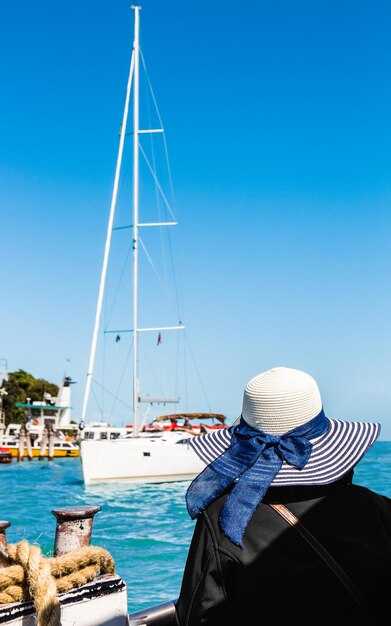
Choose a sheltered cove or marina and set two spring lines before you approach the dock; this step prevents drift and makes handling smoother.
- Docking in calm conditions
- Location: select coves or marinas with mild winds and protective waters; note landmarks to guide entry, especially where a hill or acropolis view is visible.
- Gear: deploy 4–6 fenders, two springs, and two stern lines; use high-strength rope; assign roles to boost competence and ensure a calm, coordinated approach.
- Technique: approach at very low speed, use forward and reverse to settle; attach both bow and stern lines; run a forward spring from bow to dock to control motion; adjust continuously; if wind pushes you, add a second spring.
- Anchoring fundamentals
- Bottom and scope: prefer sand or mud for hold; drop from bow and pay out scope 4:1 in mild conditions, 5–7:1 in stronger wind; test hold by gentle back- or forward-tug and observe swing; they should allow a secure hold.
This setup gives enhanced safety and enhanced competence.
- Swing space: ensure at least 1.5–2 boat lengths of clearance; assess nearby vessels and leave extra space near historic landmarks where visitors may gather.
- Special cases: for jachtu or custom charters, carry a second rode and be ready to deploy an additional anchor; plan with dates for future trips and reference your charter guide for best practice.
- Bottom and scope: prefer sand or mud for hold; drop from bow and pay out scope 4:1 in mild conditions, 5–7:1 in stronger wind; test hold by gentle back- or forward-tug and observe swing; they should allow a secure hold.
- Night mooring safety
- Lighting: switch on a visible anchor light and keep deck lights low to avoid glare; maintain a watch for swing and line tension.
- Line handling: check fenders and lines every 20–30 minutes; keep two spare lines and ensure line handling is rereibungslos under gusts.
- Record-keeping: log location, conditions and time; when exploring Greek waters near acropolis views or hill towns, note off-boat stops for cuisine and local experiences; for custom chartering, dates and options offered by local guides help plan sections of your trip.
Athens Day Sails: From Piraeus to the Athenian Riviera
Head out from Piraeus at dawn and charter a 4–5 hour sail to aegina to beat the heat and maximize daylight for a relaxed return.
From the marina, confirm navigation with the owner and choose a day-charter boat size of 38–42 ft; options include monohulls and catamarans, with chartering available if you want a hands-off feel. If you need to find the right balance between speed and comfort, tell the crew your preferred pace.
In aegina, drop anchor near the town’s sheltered quay, walk to a tavern for fresh seafood, and enjoy a quick swim before you head back; the waterfront features bars where you can grab coffee or a cold drink at a quiet moment.
After aegina, steer toward the mainland coast of the Athenian Riviera, stopping near Vouliagmeni or Glyfada marina for a leg stretch and a beach stroll; this typically short hop contrasts the open aegean with protected coves and easy shore access. Ask the skipper about the best tavern in Vouliagmeni and the calmest cove for a swim.
Navigation stays straightforward when you keep a steady course, watch ferry movements, and respect local currents; in october the winds ease, making a beat against light chop comfortable and predictable.
Pack light, with sunscreen, water, a hat, and a compact repair kit; plan a 3–4 hour sail and a 1–2 hour beach pause to reset, since summers can feel busier and you’ll enjoy calmer conditions during october; eine quiet moment on deck helps you reset while the coastline glides by.
The offered options include day-charter rates with an average around 480 EUR, depending on boat type and onboard equipment; many charters are presented by the owner, with safety gear and a basic navigation briefing; you can pick a vessel with a stable platform if you expect a few gusts along the coast and want confident sailors on board. Some berths lie in unseren ports along the mainland shore.
For a smooth rhythm, plan a practical route: head to the marina, pick aegina or a mainland stop, and confirm a berth before you cast off; this route keeps the day buoyant and lets you finish with daylight for a post-sail drink at a nearby bar or cafe once you return to Piraeus. Follow a simple step-by-step plan to keep on track.
Crew Gear and Personal Packing: What Each Sailor Should Bring
Pack a compact, weather-ready kit for each sailor: breathable base layers, a warm mid-layer, a lightweight waterproof shell, a sun hat, a headlamp with spare batteries, and a dry bag for daily essentials. Use an 8–12 L bag and store gear in your cabin with a clear label–cabins often double as stowage, so decide where to place each bin before departure. This approach keeps the most used items reachable at sea and minimizes clutter.
Sun protection is non-negotiable: SPF 50+ sunscreen, reef-safe lotion, sunglasses with strap, lip balm, and a quick-dry towel. Keep these in a pocket near the marina door so you grab them before heading to the destination or setting out for a day ashore. For Athens, the capital, you can find sun items easily if you need a last-minute top-up.
Clothing should cover Greece’s heat and changing breezes: two quick-dry shirts, two pairs of shorts, one long pant for evenings, one lightweight fleece, two pairs of socks, underwear, and a swimsuit. Add a lightweight rain shell for unexpected showers. Include two pairs of deck shoes or non-slip sandals and a towel. If your charter is a Pajot, light layers help keep ballast comfortable in cabins and on deck.
Safety basics: one properly fitted life jacket per sailor, a whistle, a compact first-aid kit, seasickness medication, a waterproof pouch for a phone, a spare SIM, and printed copies of essential contacts. Keep a small set of tools and spare fuses if your boat is older. Your head and hands stay ready with quick-access pocket gear.
Documents and gear: passport and ID, medical insurance, copies stored separately, boat papers, and a printed itinerary. For translate needs, download an offline translator app. Keep both digital and paper backups for information you might need in ports or emergencies.
Step-by-step packing plan: Step 1 gather everything; Step 2 separate by days or activity; Step 3 pack into labeled dry bags; Step 4 place heavier items low and near the center of gravity; Step 5 test access to the head and galley; Step 6 add personal souvenirs without overloading. Then recheck weights and close the lids securely.
Seasonal notes: in heat, favor breathable fabrics and shade; in winter, add a compact down jacket, warm socks, and a beanie. Protect your temple with a wide-brim sun hat and keep a touch of warmth in the cabins for the evenings.
Days ashore include hiking and walks to nearby villages and beaches. Plan to book a few shore trips in advance and collect local information from marina staff. If your days include time on a destination island, keep a minimal touch of luxury with a rich set of basics and a small personal bag that travels easily across the deck of a Pajot or similar boat. Adding a compact towel and a lightweight blanket can make overnight stays more comfortable.
What to Pack for a Sailing Holiday in Athens
Pack a compact, quick-dry rain jacket and a small first-aid kit for day trips between historic harbors. This setup keeps you ready for sea breeze shifts or sudden showers along the coast.
Layer smartly: moisture-wicking tees, linen shirts, breathable shorts or trousers, and a lightweight fleece for cooler evenings. Include a swimsuit and a cover-up, plus non-slip boat shoes and sandals. Bring a wide-brim hat, UV sunglasses, and reef-safe sunscreen for sun protection during the long summer days. Add a small waterproof bag for valuables and a quick-dry towel for beach or marina view moments. For a weekend trip, limit outfits to 3-4 pieces and a compact laundry option to stay fresh on the boat.
This year’s sailing along the Athens coast rewards careful packing that keeps you flexible and relaxed.
Electronics and navigation: bring a power bank, waterproof phone case, and a set of adapters if needed. Tips: keep the boat rental agreement and personal documents in a dry pouch. Carry a simple map or offline charts on your phone to plan daily hops between the marina and historic shores. If you rent an outboard, have a spare fuel canister stored in a safe place and follow local refueling rules. A small headlamp helps after sunset for decks and landings. Keep the crew connected with a waterproof speaker for tunes during relax time on deck.
Food and meals: pack a few ready-to-eat dishes and snacks, plus reusable cutlery and bowls. Hydration matters, so fill a water bottle and refill at each stop. When possible, buy produce from a saturday market to save money and add local flavors to your dishes.
Travel documents: carry passports, boat licenses, insurance, and a copy of the yacht charter agreement. Keep money in a secure wallet or pouch, and use cards where accepted. For flexibility on shore, store an extra cash stash in a waterproof pouch.
Family-friendly packing: include child life jackets, small toys, sunscreen for kids, and a compact first-aid kit tailored to families. Divide gear with labeled bags for clothes, gear, and groceries. The right bag layout helps you stay organized at the end of the day and lets you enjoy the view from the deck with a sense of perfekt style and luxury, even if the sea gets a bit choppy. just in case, add a small sewing kit and spare buttons for quick repairs, and remember bali for travel planning hints.
Final note: a well-thought list keeps your holiday calm. You can focus on the view and the beaches, and savor exceptional moments with families or friends. With items you carry, you stay relaxed and prepared for every hop between bays and historic shores. A touch of luxury on the deck can be a crisp towel, a compact coffee press, or a portable speaker for ambiance, and it still fits in a small bag. This is a kind, practical approach to travel that suits a Greek summer escape, perfekt in its simplicity.
| Item | Why to pack |
|---|---|
| Lightweight rain jacket | Protection from sea breeze and possible showers |
| Swimsuit & cover-up | Swim stops and beach days |
| Non-slip boat shoes | Deck safety and grip on wet surfaces |
| Dry bag | Keep valuables dry during hops and rain |
| Power bank | Stay connected on board and shore visits |
| Reusable cutlery & bowls | Meals on the go and eco-friendly |
| Spare fuel canister | Backup for rented outboard engines |
| Money & cards | Shopping and tipping without worry |
| Child life jackets | Safety for younger passengers on deck |