


 한국어
한국어  English (UK)
  Русский
  العربية
  日本語
日本語  Magyar
  Türkçe
  Español
  Čeština
  Svenska
  Português
  Ελληνικά
  Suomi
Suomi  Nederlands
  Română
  Italiano
  Français
  Polski
  Українська
  Deutsch
  简体中文
简体中文  Slovenčina
 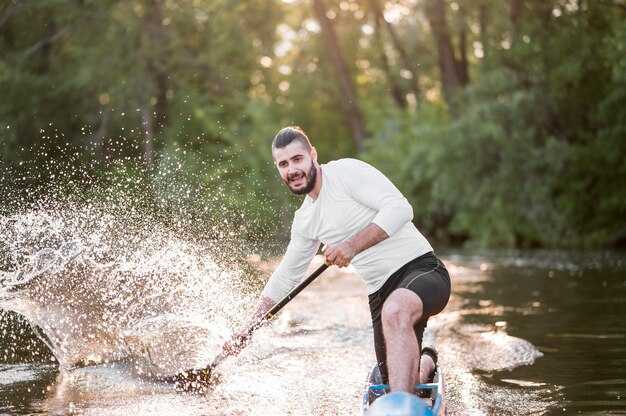 River Tubing 101 – Everything You Need to Know Before You Go">

Get a properly sized PFD and a reliable tube from a licensed outfitter, then book your shuttle in advance to lock in a spot. This concrete step sets the day for a smooth float and saves time at the launch.
Check river 레벨 and weather before you go. If gauges show rising currents, switch to a calmer stretch or postpone the float. Always wear a PFD and keep essentials in a waterproof pouch. For a first-timer, pick a gentle, shaded outdoor segment with easy shore access and a short float time, using the источник for latest notices.
For families, choose routes with a gentle current where adults supervise children closely. They should wear PFDs and stay within arm’s reach. A single-file line helps keep everyone on the same pace and reduces collisions near obstacles.
Pack light but practical: water, sunscreen, a light snack, and a dry bag for keys or phone. On white water or mixed outdoor sections, stay in the middle of the tube and use small, deliberate movements to stay upright. The shuttle will bring you back to parking, so keep valuables together in a waterproof source bag for easy pickup.
Practice a safe float: sit back, relax your shoulders, and keep feet pointed downstream. If you meet a driftwood pile or a shallow riffle, stay firmly on your tube and take a controlled push toward the bank. They can use a line to help self-rescue if needed, and always stay within sight of your group.
Route length varies from short jaunts to multi-hour floats; heres a quick planning tip: start with a 1–2 hour stretch and gradually extend as you gain comfort. If you’re new to this outdoor activity, choose a calm start and add 30–60 minutes on subsequent trips as you gain confidence.
If you’re a subscriber to these tips, download a printable checklist and share it with friends. every trip improves with preparation, and after one calm run you’ll be ready to try a slightly longer route on a nearby river.
Gear and Clothing Basics for a Safe Float
Put on a properly fitted PFD for all riders before mounting your inflatable tube; adults and anyone else should verify straps and buckles to stay safer through turns.
Choose quick-dry, synthetic clothing over cotton, and wear durable water shoes with a closed toe plus a sunhat; layers let you adjust to changing river temperatures.
Protect your eyes and skin: apply broad-spectrum sunscreen, carry lip balm, and wear sunglasses with a retainer; these keep you comfortable while you enjoy the scenic surroundings and beauty.
Pack a dry bag with food, water, a compact first-aid kit, and a basic repair kit for your inflatable; for example, use several small bags to keep items dry and organized.
For beginners, if youre new to river tubing, follow your guide hannah for route choices and mounting spots; experienced riders can handle longer stretches but still keep to flat, calm sections to build confidence.
Inspect gear before the float: durable seams on inflatable tubes, a working valve, a pump, and a patch kit; for safety purposes, this reduces risk of leaks and delays.
Before you go, read the river forecast; check clear water levels and scenic views; choose routes with several exits and a plan to regroup if anyone drifts.
Maintain a steady pace, stay in contact with your group, and take breaks soon when fatigue hits; a prepared kit and correct clothing make the experience safer for anyone.
Understanding the Orange Flag System and River Classifications
The staff is here to help. Since orange flags accompany higher water, faster current, or debris, use the signal to choose a calmer option or postpone the run. For a good, safe float, the staff will tailor tips for a boater and any fisher along the river, thatll keep the ride adventurous and avoid a common mistake. If you see orange, dont rush; keep weight low and centered for better control. A short board check and a quick safety briefing from the guide make the trip safer and more wonderful. This approach is common on many rivers and can lead to an unforgettable outing. Written weather and water checks help everyone prepare. theres a north shore section with calmer water, a clear reminder to stay on permitted routes.
Orange flag ties to river classifications used by outfitters: Class I is easy, smooth water; Class II features gentle riffles and obvious rocks; Class III has rapid moves requiring quick decisions; Class IV involves long, steep rapids with powerful hydraulics; Class V demands advanced control; Class VI is not recommended. For tubing, most runs are Class I–II, with Class III appearing on higher-water days. theres enough time to read the water and decide if a line on the left or right will minimize risk; on calm moments, the surface can feel like a rink. If the orange flag is raised, respect the cue and consider safer, shorter routes. theres a north bank option to access easier sections. Safety notes from staff remind you that challenge can be managed with preparation and teamwork.
Tips to stay safer: choose a short ride if you’re new; dont overfill with gear. Distribute weight evenly to keep the tube stable; keep heavier items low and centered on the board. Wear a properly fitted PFD and keep a whistle handy; follow the written instructions from staff. If you’re adventurous, ask for a guided option; many were surprised at how manageable a Class II float is with a clear plan, which makes the north bank feel like a pause thatll ease nerves and boost confidence, keeping the group accommodating to beginners, turning a good, unforgettable afternoon into a wonderful memory.
Pre-Trip Safety Checklist and Planning
Pack a dry bag with extra clothes and a compact first-aid kit before you launch, and test everyone’s life jacket for snug fit.
Draft a simple float plan: put-in and take-out points on the riverfront, estimate travel time based on current conditions, note water level, and list emergency contacts. Share it with friends for view and awareness, then review it as a group.
Gear checklist: every tuber wears a USCG-approved PFD; bring a helmet for rapid sections; wear water shoes with closed toes; pack a dry change of clothes, a towel, and a lightweight rain layer. If you have a board to help stabilize, keep it accessible for loading and unloading near shore.
Carry a throw rope with 40–60 feet of line, a small repair kit, and a signaling whistle; practice using standard signals for communication. Keep a compact waterproof map and a headlamp for low-light exits and if plans shift after dusk.
Know at least two knots–bowline and figure-eight on a bight–and keep a quick knot card in your dry bag so you can teach them quickly. They help in self-rescue and tying loads while pulling toward shore without tangling.
Weather and river conditions: check the forecast, river gauge if available, and water temperature; evaluate your group’s limits and experience. Usually, verify two forecast sources and compare them. If anyone feels unsafe, pause and reassess rather than rush; more time on shore beats a risky ride.
Dress for comfort and safety: avoid cotton, layer with moisture-wicking fabrics, and bring extra clothes; consider a light rain shell and sun protection. A well-dressed crew stays warmer, stays drier, and stays more confident on the water.
Route and environment: identify riverfront access points, potential pull-out spots, and safe crossings; heed sign markers and obey rules posted by the company. Coordinate with other groups in crowded sections to maintain spacing and safety. Keep away from overhanging branches and unstable banks across the water.
Communication and rescue readiness: establish a buddy system; designate a lead; agree on basic signals and hand gestures, and carry a fully charged phone in a waterproof case. If trouble hits, signal and begin pulling toward shore and wait for help.
Pre-launch review: talk through hfac check–harness, flotation, area, and communications–with the crew; confirm everyone is accounted for and that you have a plan for getting back to the riverfront safely.
On-Water Techniques and Self-Rescue Tips
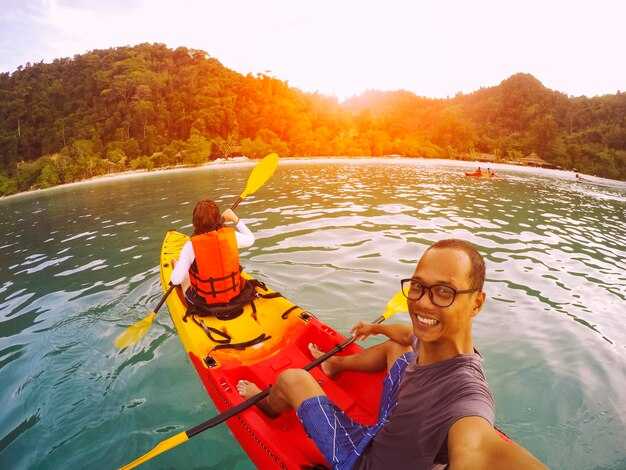
Always wear jackets and keep your service whistle accessible; secure your outfit and check your gear before you launch. Stay with your crew, watch the clock, and rely on clear communication so you can react quickly if something felt off on the river near the hudson. These tips are awesome for rafting as well as tubing and add to your adventure.
Positioning and Gear Management
- Balance on your tube by keeping hips centered, shoulders relaxed, and feet slightly apart; this lets you respond to waves without flipping.
- Outfit your self with a PFD and a snug, secure setup; keep straps and clips in place so you can pull yourself easily when needed.
- Maintain distance from downstream obstacles; scan 10–20 meters ahead and plan two quick options in case you encounter a downed branch or debris.
자체 구조 프로토콜
- 만약 물에 빠지게 되면, 가슴을 위로 향하게 하고 다리는 물살을 따라 아래쪽으로 향하게 한 채 등으로 굴러서 양손으로 튜브를 잡고, 조절된 당기는 동작으로 몸을 튜브 위로 끌어올린 다음 무릎으로 고정하여 자세를 되찾으십시오.
- 튜브가 뒤집히거나 탠더에 걸리면 침착하게 숨을 쉬고, 스트랩을 풀고, 빠른 수영으로 방향을 재정립하고, 버디에게 소리쳐 신호를 보낸 후 안전하게 튜브로 다시 들어가세요.
- 줄에 다시 합류할 때, 모든 것을 확인하세요: 재킷, 리드줄, 로프, 그리고 위치; 다음 단계를 합의하고 페이스 조절을 위해 해안과 시계를 주시하세요. 연습하는 모든 것이 물 위에서 현실이 됩니다.
- 만약 현재의 상황이 계속 어렵다면 북쪽 구간으로 이동하기 위한 대체 계획이 있습니다. 먼저 잔잔한 물에서 연습한 다음, 자신감을 얻으면서 조류를 더해 보세요.
모든 드릴은 물 위에서의 위험을 줄이는 데 도움이 됩니다.
위험 요소, 비상 조치, 그리고 흔적 남기지 않기 실천
항상 재킷과 잘 맞는 구명조끼를 착용하고, 시작하기 전에 그룹과 연락을 취하고, 더 안전한 여행을 보장하기 위해 계획을 전달하십시오.
위험 요소로는 강한 해류, 걸림목, 수몰된 통나무, 그리고 움푹 들어간 강둑이 있습니다. 수위 변화에 주의하고, 선글라스를 사용하여 눈부심을 줄이세요. 더 안전하고 꾸준한 리듬으로 움직이고, 배 사이 간격을 유지하기 위해 그룹 내에 머물러 있으세요. 속도와 거리가 완벽하게 균형을 이루면 충돌을 예방하는 데 도움이 됩니다. 불안전한 조건은 8월 햇볕 아래에서 급증하므로, 어른들은 가이드 근처에 머물러 있어야 하며, 노련한 패들러는 연안 근처에 더 많은 공간이 필요합니다. 강둑에 있는 어부 때문에 산만해질 수도 있으니, 낚싯줄을 주시하고, 처진 가지 아래에 있는 장비를 접근하지 마세요.
만약 전복이 발생하면 침착하게, 등을 사용하여 떠다니고, 손으로 머리를 보호하고, 호루라기를 사용하여 구조 신호를 보내십시오. 그룹에 위치를 알린 다음 가능하면 가장 가까운 강둑을 향해 이동하십시오. 부상이 발생하면 지역 구조 서비스에 연락하고, 가능하다면 投繩 또는 가방을 사용하고 구조대가 도착할 때까지 해당 사람과 함께 있으십시오. 스캇과 같이 하퍼 근처의 백화(급류)에 익숙한 베테랑 가이드는 팀을 더 빠르게 안전하게 이끌 수 있습니다. 육지에 도착하면 호흡과 체온을 확인하고 계속 여행하기 전에 마르십시오.
자취를 남기지 않는 지침: 모든 쓰레기를 가져가고, 식생을 방해하지 않으며, 설정된 경로와 접근 지점에 머무르세요. 적절한 경우 기존 화로를 사용하고, 개울 근처에서 비누나 세제를 최소화하세요. 코로나 이후, 손 소독제를 소지하고 장비를 공유하지 않도록 하며, 가능한 경우 안전 거리를 유지하고 다른 사람들이 해당 지역을 즐길 수 있도록 여분의 품목을 보관하세요. 하퍼의 강 관리 지침을 존중하고, 야생동물을 존중하고, 다음 그룹을 위해 사이트를 발견한 상태대로 남겨두세요.