


 한국어
한국어  English (UK)
  Русский
  العربية
  日本語
日本語  Magyar
  Türkçe
  Español
  Čeština
  Svenska
  Português
  Ελληνικά
  Suomi
Suomi  Nederlands
  Română
  Italiano
  Français
  Polski
  Українська
  Deutsch
  简体中文
简体中文  Slovenčina
  Renting a Boat vs Chartering a Boat – Key Differences, Costs, and How to Decide">

스스로 안내하는 여행을 위해 보트를 빌리는 것이 일정과 비용에 대한 통제력을 원한다면 권장되는 옵션입니다. 선택은 예산, 여정, 그리고 내비게이션에 대한 편안함에 따라 달라집니다. 지역과 같은... 세이셸, 일반적인 소형 모터보트의 일일 임대료는 범위에서 $150 에 $400, 반면 중형 요트의 베어보트 임대는 종종 $350 에 $600 하루 기준입니다. 유인 임대차의 경우, 주간 비용은 일반적으로 약 부터 시작합니다. $5,000 and can exceed $15,000, 선박 종류와 계절에 따라 다릅니다. 이 해체 도움을 주어 계획할 수 있습니다. trip 그리고 가치를 평가하십시오.
유형 옵션들은 요트 맨타임(you navigate), 스키퍼 지원 요트 맨타임(you share navigation), 그리고 전속 크루 요트(captain and crew handle most tasks)로 나뉩니다. 이러한 것들을 비교해 보세요. during 기대치와 일치하는 내용을 확인하기 위해 계획하고 있습니다. 많은 경우, always 원하는 제어 수준과 비용을 비교해 보세요. 특히 인기 경로와 같이 다양한 결과가 나타나는 경우가 많습니다. 세이셸. 일주일 이상 지속되는 여행의 경우, 승무원 차터는 편의성을 더하지만 일일 금액을 높입니다.
비용 내역 주요 분기점들을 강조합니다: 자체 운전이 가능한 보트를 빌리는 비용은 대략 $150–$400 하루에 소형 선박용; 보트 대여는 일반적으로 $350–$600 하루 기준; 유인 임대는 일반적으로 $8,000–$25,000 주당입니다. 일일 가치를 계산하면 단기 여행의 경우 렌트 또는 차터가 종종 더 저렴하며, 승무원 옵션은 서비스 및 예측 가능성 측면에서 비용을 회수합니다. in the 세이셸, 연료, 마리나 체류, 급식 등에 대한 추가 요금이 발생할 수 있으며, 이는 추가될 수 있습니다. 5–15% to the 양 예산을 고려하십시오. 전형적인 온보드 밤의 경우 별도의 식사와 온보드 편안함을 고려하여 인지된 가치를 높이고 rating.
의사 결정 프레임워크필수 항목의 짧은 목록으로 시작하세요. 답변하십시오. during 계획: 선장이 필요하신가요, 식사는 포함되어 있나요, 보험은 보장되나요, 그리고 취소 정책은 무엇인가요? 운영자 확인 rating 그리고 최근 경험 다른 여행객들의 이야기로부터. 실제로, 최대의 자유와 자신의 내비게이션 기술을 원한다면 렌트가 승리하고, 내비게이션 부담을 없애고 정박 또는 계류에서의 믿을 수 있는 밤을 보장하고 싶다면, chartering이 승리합니다. 다음과 같은 목적지를 위해 세이셸, 현지 규정 및 항구 체류 시간을 확인하여 추가 요금이나 지연을 방지하십시오.
Practical tips 잠금 값(lock value)을 설정하려면 계약 내역을 확인하고 다음 사항이 포함되어 있는지 확인하세요. 양, 그리고 안전 인증서, 보험, 그리고 승무원 자격 증명을 확인합니다. 안전을 위해 세이셸 선장 또는 운영자는 명확한 프로비저닝 목록과 서면 야간 경비 일정을 요구합니다. 승무원 차터의 경우 필수이며, 배차 계약의 경우 체크인/체크아웃을 누가 처리하는지, 야간 운영은 어떻게 관리되는지 확인하십시오. 이렇게 하면 안전을 보장하고, 예상치 못한 상황을 줄이며, 원활한 경험을 제공할 수 있습니다. 경험.
Bottom line우선순위에 따라 결정하세요. 유연성, 낮은 초기 비용, 해상 체류 기간이 중요하다면 임대가 종종 가장 좋습니다. 정해진 노선, 포함된 승무원, 식사, 물류적 확실성이 중요하다면 정박하는 것이 더 안전한 선택입니다. 대부분의 경우, 예산 편성 during a week trip, the 양 renting으로 절약하는 금액은 더 나은 프로비저닝이나 가이드 투어에 재투자할 수 있으며, 그렇지 않으면 승무원이 있는 헌터는 원활한 리듬과 더 높은 수준을 제공합니다. rating 손님들로부터, 무엇을 선택하든 미리 계획하고 최소 세 명 이상의 제공업체를 비교하여 확인하세요. 경험 그리고 리뷰를 통해 결정하는 데 도움을 받으세요.
렌트 vs 차터: 여행 계획을 위한 실질적인 차이점
원활하고 예측 가능한 여행을 위해 승무원과 고정 일일 요금이 포함된 용선(chartering)을 선택하세요. 임대는 직접 제어하고 싶고, 초기 비용을 낮추고, 단기 여행에 유연성을 원할 때 가장 좋습니다.
누가 무엇을 처리하는지, 예산, 그리고 턴키 경험과 실습 학습 중 어느 것을 더 중요하게 생각하는지에 중점을 두어야 합니다. 이 실용적인 가이드를 사용하여 여행을 위해 임대 또는 전세 중 무엇을 선택할지 결정하십시오.
- 집중과 통제: 임대는 당신을 선장의 좌석, 핸들, 그리고 항해 결정의 위치에 있게 하지만, 용선은 선장과 종종 승무원을 제공하여 그들과 당신의 업무 부담을 줄이고 안전을 향상시킵니다.
- 비용 구조: 조함(Chartering)은 보통 보트, 승무원, 연료, 기본 지급품을 포함하며, 고정된 일일 또는 주간 요금과 추가 요금이 부과됩니다. 임대(Renting)는 보트 자체를 포함하며, 연료, 마리나 이용료, 보험, 가능한 선장, 지급품을 별도로 지불해야 하므로 비용이 더 가변적입니다.
- 공급 및 가용성: 차터는 항구 및 여행 중 보장된 지원을 갖춘 기존 함대에 접근하는 반면, 임대는 개인 소유주에 따라 달라지므로 성수기 동안 공급이 제한될 수 있습니다.
- 항구 및 물류: 용선 계약에는 일반적으로 항구 입항, 통관, 계류, 급양 옵션(항구 예약 포함)이 포함됩니다. 임대는 이러한 작업을 직접 준비하거나 스키퍼 또는 대리인에게 추가 비용을 지불해야 합니다.
- 계약 조건 및 위험: 두 경로 모두 예약 또는 임대 계약을 사용합니다. 날씨 변화, 일정 변경, 응급 상황 및 인양 책임에 대한 조항을 검토하십시오. 누가 비용을 부담하고 환불이 어떻게 이루어지는지 명확히 하십시오.
- 안전과 역량: 경험이 부족하다면 승무원이 있는 요트를 빌려 이용하고, 역량이 있다면 선장이나 스키퍼를 고용하여 임대하는 것은 실현 가능합니다. 일부 운영자들은 보트 종류에 대한 역량을 향상시키기 위한 강좌나 브리핑 세션을 제공합니다.
- 승차감 및 편의 시설: 일반적으로, 헌터들은 안정적인 플랫폼과 포함된 편의 시설을 갖춘 고급 옵션을 제공하며, 렌탈을 통해 원하는 편안함 수준에 맞춰 간단한 것부터 프리미엄까지 다양한 선박을 선택할 수 있습니다.
- 예약 및 계획: 조함은 정의된 일정과 선원을 필요로 하는 반면, 임대는 유연한 예약 기간을 사용하고 선박 가용성에 따라 계획이 조정될 수 있습니다. 항구와 날짜는 서면으로 확인하십시오.
- Credit, paying, and insurance: Check what costs are included in the rate, what you must pay on arrival, and the coverage provided by insurance in emergencies; ensure you understand payment schedules and cancellations.
- Subject and learning opportunities: Renting can include on-board safety drills, basic handling, and practice time to build skills; chartering provides structured opportunities to learn from the crew during the trip.
- Rating and due diligence: Before booking, review operator rating and feedback from past clients; use that input to gauge reliability and performance of the operator.
- Decision toolkit: If your goal is a smooth ride with a professional team, decide in favor of chartering; if you want a learning curve and lower upfront commitment, choose renting.
Subject to local licensing and rules, rental options may require eligibility checks; chartering tends to have fewer licensing hurdles for the crew as it is managed by the operator.
Inclusions: skipper, insurance, equipment, and needed licenses
Choose a rental that includes a skipper and comprehensive insurance bundled into the rate to simplify planning and avoid last-minute surprises.
With a skipper on board, you are capable of focusing on pilotage and scenery; those on the trip can enjoy the ride without worrying about licensing.
Insurance should spell out hull and liability coverage; check salvage provisions, whether there is a deductible, and if any dues beyond the base rate apply.
Equipment should include life jackets, throwable devices, anchors, lines, a VHF radio, charts, fire extinguisher, and a basic tool kit; verify the window for replacements or upgrades.
Licenses and pilotage: If you intend to pilot, verify local licensing requirements; if a skipper is provided, you may not need a separate license. In falmouth harbor, many operators require pilotage documentation or licenses, so check the local rules.
Documents you need: carry identity documents and any certificates; ensure you have access to the charter’s documents portal; check how paying and dues are billed.
Food and provisioning: some rentals include basic provisions; others charge separately; ask what portion of the rate covers meals.
Decision tips: Look at several options; consider the rate structure and what part is allocated to skipper, insurance, and equipment; ensure you know what to expect.
Booking requirements and prerequisites by option
Go for a crewed charter if you lack hands-on sailing experience; they provide a captain and crew, reliable service, and a fixed daily rate, aligning with your desire to sail without lengthy preparation. If you’re experienced and want independence, bareboat rental stays a strong option–you’ll handle the boat in your own rhythm and fit your schedule.
Bareboat: whats required to book bareboat includes your valid license and demonstrated skills; you must apply to the official company and pass their checks; they review your experienced background with boats of similar size to ensure you can handle docking, navigation, and weather decisions; the rental contract fixes the amount you’ll pay and sets the security deposit; moorings availability at your chosen ports must be confirmed in advance; you should arrange your own crew if needed, otherwise you sail solo; every step centers on safety and responsibility.
Crewed charter: the official company provides a captain and crew, simplifying the process versus bareboat; you confirm dates, duration, and guest count, and you agree on the route with the skipper; health and age checks may apply to all participants, but you won’t handle boat handling each day; the service covers crew wages, fuel, and port charges, with moorings arranged by the operator; availability of crew and slots is a distinct factor from vessel availability, so plan ahead; this path reduces your personal checks while keeping the trip under professional supervision.
Decision guide: if you want a lasting, low-effort experience with others in your group, crewed wins; if you value control and potential cost savings, bareboat fits your situation. Compare whats included in each option, verify moorings availability for your ports, and ensure you complete the required application and checks with the company before finalizing the rental or charter.
Cost structure: base rate, fuel, crew, gratuities, and fees
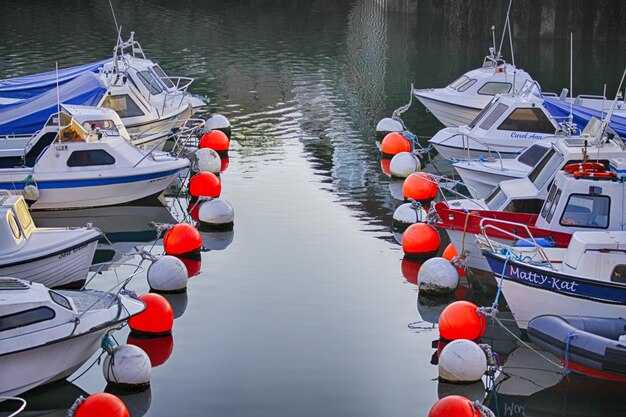
Get a line-item quote that clearly breaks out the base rate, fuel, crew, gratuities, and fees before you sign. This quick check-in list helps you compare options and avoid hidden costs. For aquatic trips, the rate is the starting point; about that total, costs come with fuel, crew, permits, and service charges, and above it all are any marina dues.
Base rate covers the charter window and the vessel, but it rarely includes fuel, crew, or marina dues. Expect ranges such as boats in the $150–$350 per day band for small craft, mid-size boats $350–$900, and offshore yachts from $2,000 up to $6,000 per day for full-day charters, depending on class and locale.
Fuel costs depend on speed, distance, and engine size. If fuel isn’t included, operators price fuel per gallon or offer a cap. A quick rule: small boats burn roughly 4–8 gal/hour, mid-size 12–40 gal/hour, and large yachts 50 gal/hour or more at higher speeds.
Crewed charters include a captain and crew; the base rate often covers these roles, while a bareboat rental leaves duties to you. Gratuities are common and typically 10–20% of the base rate, paid at trip end or included in the total; some fleets set fixed daily amounts per crew. Check competence and safety records as part of the decision, and verify marine certifications where required.
Fees and mandatory costs can push the total: docking or marina dues, port fees, permits for certain waters, inspections and safety equipment checks. Ask for a clear breakdown: what the dues or service charges cover, and whether inspections are handled by the operator or a third party. Some regions require permits that add to the cost and handling time; there can be exceptions, so confirm ahead.
Refunds and deposits: read the cancellation policy; some operators offer refunds only as credits or have strict timelines; exceptions exist for weather or safety issues. Keep a copy of the line-item invoice and notes on payment terms.
Looking to compare efficiently? Build a quick decision framework: total cost over your planned days, whether fuel is included, whether a crew is included, required permits, and safety and competence checks. It depends on your priorities. Here, either choose a crewed option for service and peace of mind or a bareboat if you want control and a lower upfront price; keep a tight check-in with the operator and carry a copy of the requirements.
Trip formats and durations: half-day, full-day, multi-day itineraries
Choose a half-day itinerary for a quick coastal look that fits busy schedules and tight plans. A typical half-day itinerary takes 3–4 hours, covers 15–25 nautical miles, and lets you explore nearby coastlines and key coves without a full-day commitment. If you rent, you set a fixed start and finish, keeping the cost predictable; if you charter, a professional crew handles the safety and navigation, delivering peace of mind and a smooth operation.
Full-day trips take about 6–9 hours, cover 20–40 nautical miles, and often include lunch on board or at a marina. They allow detours to wildlife spots or historic lighthouses, making the experience more distinct. Weather affects route options, so plan with flexible times. Because conditions vary, it takes a flexible plan. Renting keeps a fixed schedule and cost, while a charter adds a crew, provisioning, and a package that consolidates fuel, insurance, and safety checks under one set of terms. A charter also takes responsibility for safety and compliance, easing concerns for first-time skippers.
Multi-day trips open the door to island hopping, remote coves, and careful pacing. Plan for 2–5 days, with nights in marinas or anchored stays, provisioning, and daily routes that adapt to weather and regulations. Rentals here are less common; most travelers opt for a charter with a professional crew, inclusive of meals, gear, and a maintenance window. The scope includes weather windows, salvage coverage, and shore visits; costs are typically packaged per trip or per day with flexible terms.
To decide, map your goals against cost and policies. Above all, compare what is included in the package: fuel, permits, dockage, and crew; check the dues and what is covered to avoid surprises, and verify the operation complies with local rules. If you want personal control and lower stays, renting is simpler and quicker. If you seek a professional scope with a crew you can trust, chartering delivers a smoother experience and helps you manage risk through insurance and salvage options.
Liability, maintenance, and ownership duties: who bears costs and risk
Define a written agreement before booking that assigns liability, maintenance, and ownership duties for the boat and crew. Clearly state who covers damages, who performs routine service, and who holds ownership obligations within the booking window.
These terms should specify liability limits, insurance requirements, and how responsibility shifts if a passenger is injured or a third party is harmed on waters. For rented boats, the renter generally assumes use risk during the trip, while the owner keeps hull insurance and structural responsibility. For charters, the operator coordinates safety, pilotage, and onboard procedures, but exceptions can apply depending on the contract and local authorities.
Maintenance duties must be listed: who schedules inspections, who funds parts, and who handles wear and tear. These details keep the vessel safe and ready for the next journey. In practice, rented boats place major maintenance with the owner, while the renter covers routine checks during use; for charters, the operator typically handles routine maintenance and safety compliance, with exceptions spelled out in the agreement. The crew should be capable and ready to perform checks when needed, and logs should be accessible for reviews.
Ownership and control stay with the owner, but booking terms define access, permitted routes, and conditions to terminate a charter or rental. Clear records help authorities verify compliance and reduce penalties. In charters, control passes to the operator for the period, while ownership remains unchanged; in rentals, the owner reserves the right to revoke access if misuse occurs. These differences matter when penalties or fines arise within restricted zones or during pilotage requirements.
To choose wisely, compare these elements across options: duration, access to certified crews, cost structure, and risk tolerance. Review schedules, booking terms, and the tendency of larger charters to include broader protections. Consider exceptions for mechanical failure or force majeure and ensure the contract covers how costs are shared if plans change within the agreed window.
| Aspect | Rented (short-term) | Charter (longer or larger) |
|---|---|---|
| Liability | Defined by contract; renter bears use-stage risk; owner maintains hull insurance and basic liability. Verify P&I coverage and passenger protections. | Coverage via operator contract; review limits and any exceptions; ensure compliance with authorities. |
| 유지 관리 | Owner handles major service; renter covers indicators during use and reports issues promptly. | Operator handles routine maintenance and safety checks; charterer may fund specialty repairs if agreed. |
| Ownership/Control | Ownership remains with owner; access rights defined by booking; no title transfer. | Ownership stays with owner; control passes to operator for the period; ensure crew and pilotage arrangements are formalized. |
| Costs and Risk | Fuel, mooring, and insurance costs vary; explicit cost-sharing reduces disputes; watch for weather or operational window charges. | 패키지는 고정 요금제 또는 시간 기반이 될 수 있습니다. 더 큰 임대는 종종 더 많은 포함 사항을 포함하며, 악천후, 지연 또는 불가항력에 대한 예외를 지정하십시오. |