


 한국어
한국어  English (UK)
  Русский
  العربية
  日本語
日本語  Magyar
  Türkçe
  Español
  Čeština
  Svenska
  Português
  Ελληνικά
  Suomi
Suomi  Nederlands
  Română
  Italiano
  Français
  Polski
  Українська
  Deutsch
  简体中文
简体中文  Slovenčina
 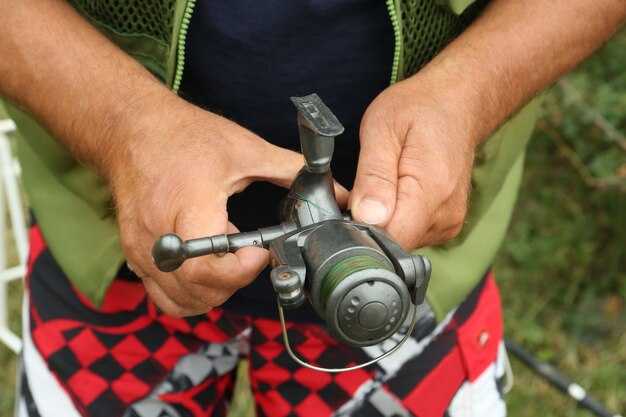 Reel Hot Fishing – Ultimate Guide to Techniques, Gear, and Hot Spots">

Begin with a clear cadence: aim for a 2-3 second retrieve rhythm, lift the rod 1–2 ft on each sweep, and return the lure to the water quickly. This consistent presentation earns more strikes on wider flats and along docking channels near Conroe, where fish respond to rhythm more than sheer speed.
Gear basics: pick a 6’6″–7’2″ fast-action medium-light rod paired with a reel that gives a 6.2:1–7.2:1 ratio. Use 20-30 lb braided main line with a 6-12 inch fluorocarbon leader. Fill the spool so you have maximum line on the reel without creating wind knots. For lures, start with 1/8–1/4 oz in chartreuse, white, or natural minnow patterns, and adjust to these conditions: brighter colors in muddy water, natural hues in clear water. Always test your knots and lures before guests board.
Techniques matter: deploy a decker rig for weed edges near docks, and switch to a simple jig-and-poke when fish hug the bottom. Use short taps and a light, routine cadence to coax bites from wary fish; keep line tension steady and avoid over-pulling. If you see bends in the rod, pause briefly to let the lure settle and then resume. These moves work well from early morning till late afternoon along channels and bends near deeper troughs.
Hot spots to scout include the conroe area channels, weed lines along docks, and bend points that feed into deeper troughs. Test water temperature and clarity: when surface temps exceed 74F, target structure 3–6 ft deep; on cooler days, fish move shallower to 5–9 ft. Use a mapping app to mark structure and dock pilings, then run a 20–30 minute search pattern around each location.
To support beginners or guests on your boat, share quick checks: tie a clean Palomar or improved clinch knot, carry extra 6–12 inch leaders, and keep a spare decker rig ready for quick swaps after a snag. Short, deliberate casts with a light tackle keep the line tight and reduce memory; this helps people on board feel the action and stay engaged without fatigue.
Put these steps into practice on your next trip and adjust cadence and lure selection based on wind and water visibility. Review your plan after each trip and tailor gear to daily conditions; this focus returns consistent results for yourself and for guests with maximum readiness and confidence on the water.
Reel Hot Fishing: Techniques, Gear, Hot Spots, and Fleet Matching Guide
Choose a center-console with a compact layout and complete check-in 15 minutes before departure to lock in your fleet slot. Confirm booking details and cancellation terms in advance to avoid last-minute changes.
Apply a balanced technique mix: trolling runs and casting along weed edges; work structure pockets and drop-offs. Monitor water depth and current, adjusting lure depth to match the bite. Keep riders near the bow and stern to balance the craft in gusts, then steer toward sheltered zones as the wind shifts toward sunset.
Pack a well-organized tackle kit and maintain spare parts: spare leaders, a basic tool set, and extra line. Inspect lines for damage and replace worn sections. Service electronics and bilge pumps after every trip. Arrange backup batteries, test the sail if you drift, and keep the service log current.
Identify hot spots around the lakefront and sheltered coves near colony docks. Target weed edges, drop-offs, and shallow rocky flats during seasons when fish concentrate after sunrise and before sunset. Use stops along your route to check bait stations and switch to deeper water with wind shifts; adjust your cadence to maintain contact with active schools.
Fleet matching guide: assess conditions, then pick a boat that fits. Windy days favor a larger, stable center-console or a layout with room for gear. For calm, tight channels, a nimble craft with shallow draft shines. A sunchaser setup provides deck space and reliable handling. Coordinate with austin operators for guided trips or structured bookings. In weatherford routes, favor sheltered lakefront itineraries to limit exposure. Confirm check-in and arrange transport to the dock; if weather shifts, you can switch boats or cancel with clear notification.
Species-specific casting and retrieval patterns
For redfish along shallow flats, cast to the edge 30–50 ft away with a 3–4 inch paddle-tail soft plastic on a 1/4–3/8 oz jig, braided line 15–20 lb and a 15–25 lb leader. Reel with a slow roll, then pause 1–2 seconds; vary the pause to two cycles if bites stall. Aim for the edge where grass gives way to sand, and adjust your reach toward pockets formed by troughs. Wind from behind favors a longer cast; from the bow, shorten the arc to keep the lure in your target area. During aboard charters guests can rotate stations every 10–15 minutes to cover more areas, boosting yield and keeping energy high.
Speckled trout pattern: cast 1/16–1/8 oz jigs or suspending soft plastics to current edges and creek mouths; use 6–8 lb fluorocarbon leader and 8–12 lb line. Retrieve with a 6–12 inch slow pull, then pause 1–2 seconds; keep the lure 1–4 ft under the surface and work weedlines, drop-offs, and point breaks. If wind pushes you off the structure, switch to a mid-depth presentation and move between stations to maximize reach; reviews from guides show that mixing shallow and mid-depth retrieves yields more bites.
Snook around structure: cast toward pilings and mangrove edges at dawn or dusk; lure choices include 1/2–1 oz topwater plugs or 4–5 inch soft plastics on 15–25 lb braid or mono. Retrieve with a long pause of 3–4 seconds between 2 short pops, then a steady, shallow strip to keep the lure tight to cover around bends. Target 1–3 ft depth near surface cover and adjust angle to hold the lure against structure. Onboard crews should guide guests across two adjacent stations to cover both sides of the pass; wind affects casting angle, so switch to a shorter arc when conditions pick up.
Largemouth bass pattern: cast to weed edges and channel drops with 3/8–1/2 oz football jigs or spinnerbaits, trailer a craw lure, and work with a cadence of 1–2 second lifts followed by 1–2 seconds of steady reel. In clear water, use a slower roll; in dirty water, bump the cadence with short bursts to increase vibration and draws nearby fish. Focus around docks, reeds, and submerged structure at 1–5 ft depth; keep the rod tip high to drive the lure past obstacles. For multi-boat trips, a decker can shift rigs at each station, and ample jackets and gear at hand keep guests comfortable while you switch tactics.
General charter note: monitor wind and current, switch cast angles between 20 and 60 degrees, and keep lures in the strike zone as long as possible. Use a lightweight tackle bag and rotate lures at each station to preserve energy aboard; overnight trips with a family-friendly vessel and sufficient capacity let you run back-to-back sessions, and a nearby villa as base can simplify logistics while guests review progresses and plan starts. This approach keeps the action steady around the boat and yields consistent results for a variety of species.
Tackle setup: rod, reel, line, and lure choices by depth and current
Recommendation: start with a 7’0" medium-fast rod paired with a 3000-series spinning reel, 15–20 lb braid with a 12–18 lb fluorocarbon leader, and a small kit of lures from 1/8 oz to 1/2 oz. This combination keeps you stable as you move between shallow, mid, and deep zones while maintaining a reliable cadence.
Planning matters: keep a dedicated deck kit with spare leaders, extra jig heads, and a tube lure option. Included sheets outline depth bands, current categories, and lure weights, so crews on Conroe or other waterways can apply the same setup quickly. Check docking points and shore-accessible docks for gear placement to minimize liability from gear loss and tangles.
Depth and current dictate your choices. Use these guidelines to lock in gear by scenario, then adjust on the water based on water clarity and wind.
- Shallow water (0–6 ft)
- Current: Slow
- Rod/reel/line: 7’0" ML-Fast; 2500–3000 reel; 8–12 lb braided line with 6–10 lb fluorocarbon leader
- Lure choices: topwater popper or pencil lure 1/8–1/4 oz; light swimbaits 3–4 in on a 1/16–1/8 oz jig; shallow diving crank 1/8 oz
- Cadence and presentation: 0.5–1.0 m long pulls with 1–2 s pauses between moves; glide the lure over docks, weed pockets, and shorelines
- Notes: keep the rig stable near the surface; check channels between flats for feeding lanes
- Current: Moderate
- Rod/reel/line: 7’0" M-Fast; 3000 reel; 12–15 lb braided line with 10–12 lb fluoro leader
- Lure choices: floating or slow-sinking topwater; 1/8–3/16 oz lipless crank for short covers; small swimbaits
- Cadence: speed up to 1.0–1.5 m cadence; vary pauses to trigger follow-through in gaps between weedbeds
- Notes: keep sheets handy with rig changes; shore-accessible banks often hold the best ambush spots
- Current: Fast
- Rod/reel/line: 7’2" – 7’4" M-Fast; 4000 reel; 14–20 lb braided line with 12–14 lb fluoro leader
- Lure choices: small lipless crank in 1/8–1/4 oz; spinnerbaits 1/8 oz with compact blades; tube jigs in 1/8–3/16 oz
- Cadence: short, nail-like taps, 2–3 s pulls; glide lures across current seams to entice reaction strikes
- Notes: docking spots can be tight; keep lines clear and use a light leader to reduce visibility
- Current: Slow
- Mid-depth water (6–15 ft)
- Current: Slow
- Rod/reel/line: 7’3" – 7’6" M-Fast; 2500–3500 reel; 12–16 lb braided line with 14–18 lb fluoro leader
- Lure choices: shallow- to mid-diving crank in 1/4–3/8 oz; tube rigs 1/4 oz; soft plastics on 1/4 oz jig
- Cadence: steady 1.0–1.5 m pulls; glide the bait through suspended fish around mid-water columns
- Notes: use light tubes to keep depth control; check water between channels for temperature breaks
- Current: Moderate
- Rod/reel/line: 7’4" – 7’8" MC-Fast; 3000–3500 reel; 14–20 lb braided line with 12–16 lb fluoro leader
- Lure choices: mid-diving crank 3/8 oz; jigs 3/16–1/4 oz with paddle tails; suspended soft plastics on light jig heads
- Cadence: 1.0–1.2 m motions with brief pauses; work along channels and drop-offs
- Notes: use glide or slow-roll retrieves to cover water thoughtfully
- Current: Fast
- Rod/reel/line: 7’6" – 7’10" MH-Fast; 4000 reel; 16–22 lb braided line with 14–18 lb fluoro leader
- 미끼 선택: 립리스 크랭크 1/4–3/8 oz; 패스트-글라이드 스윔베이트; 튜브 지그 1/4–3/8 oz; 얕은-딩거 (무게추 달린 바늘 사용)
- 케이던스: 짧게 끊어 치기, 0.5–0.8 m; 수초 가장자리와 수로 경사면을 따라 짧게 글라이딩
- 참고: 안정성이 중요합니다. 빠른 물살에서 수심을 제어하려면 낚싯대 끝을 낮게 유지하십시오.
- Current: Slow
- 깊은 물(>15피트)
- Current: Slow
- 로드/릴/라인: 7’6" – 7’11" M-Fast ~ MH; 3500–4000 릴; 18–25 lb 합사 라인에 20–25 lb 플루오로 카본 리더
- 미끼 선택: 딥 다이빙 크랭크 1/2 oz; 튜브용 헤비 지그 헤드 1/2–3/4 oz; 헤비 리그의 소프트 플라스틱
- 캐이던스: 제어된 하강으로 1.0–1.5 m 캐스팅; 바닥 구조를 따라 이 미끼들을 활강시키십시오
- 참고사항: 드롭 오프 지점에서 튜브가 빛을 발함; 깊은 곳에서 회수 시 라인 가시성을 피하려면 긴 리더를 사용하십시오.
- Current: Moderate
- 로드/릴/라인: 7’8" – 8’2" MH-패스트; 4000 릴; 20–30 lb 합사 라인에 18–25 lb 플루오로 카본 리더
- 미끼 선택: 빅 크랭크 3/8–1/2 oz; 튜브 지그 1/2 oz ~ 3/4 oz; 헤비 스윔베이트 4–5 in
- 케이던스: 1.0–1.2m를 꾸준히 당기다가 바닥에 붙어 있는 물고기를 유인하기 위해 가끔 멈춤
- 참고: 더 긴 캐스팅 계획; 바닥 구조를 위해 튜브 또는 싱커 리그를 준비해 둘 것
- Current: Fast
- 로드/릴/라인: 8’0" – 8’4" MH-Fast; 5000 릴; 20–40 lb 합사 라인에 20–30 lb 플루오로 카본 리더
- 미끼 선택: 대형 딥 다이빙 크랭크 3/8–1/2 oz; 헤비 립리스 옵션; 빅 튜브 1/2 oz+
- 케이던스: 빠른 당김, 0.4–0.8m, 루어를 구조물에 바싹 붙이고 브레이크를 따라 미끄러지듯 움직이기
- 참고: 신뢰할 수 있는 갑판 시스템을 사용하십시오. 접안 및 로프 관리는 해류로 인한 손실을 방지합니다.
- Current: Slow
온워터 지원을 위한 추가 사항: 빛이 없고 그림자가 없는 태클 시트, 여분의 리더가 들어 있는 작은 튜브, 현장 조정을 위한 간단한 점검 목록을 휴대하십시오. 팀원들에게 정보를 제공하고 보트 또는 그룹 간에 계획을 공유하십시오. 견고한 서비스 접근 방식은 가동 중지 시간을 최소화하고 모든 사람이 활동에 참여하도록 합니다. 올바른 태클 설정은 성공적인 계획을 지원하고 물, 부두 및 수로를 꾸준히 미끄러져 나갈 수 있도록 해주는 동시에 Conroe 및 인근 해역과 같은 장소에서 안전 요구 사항과 해안 접근 가능 규칙을 충족하는 데 도움이 된다는 점을 기억하십시오.
핫스팟 식별: 암초, 난파선, 해초선, 구조물
산호초, 난파선, 해초선, 구조물 순으로 우선순위를 정해 핫스팟을 파악하고, 해가 뜰 때부터 시작해 구역을 이동하는 하루 일정 전체를 계획하십시오. 조류, 날짜, 단체 규모를 기록해두고 준비된 팀과 함께 출발하십시오.
환초는 미끼와 포식자를 집중시키므로 턱이 수로로 떨어지는 가장자리를 식별하고 환초 크기를 판단하여 매복 가능성과 안전 여유를 가늠하십시오. 수심, 크기 및 최대 강하를 매핑하려면 소나, GPS 및 콘솔 장착 디스플레이와 같은 장비를 사용한 다음 나중에 방문할 웨이포인트를 저장하십시오. 편리한 방법은 앵커 포인트를 미리 로드하는 것이지만 핫스팟은 계절과 흐름에 따라 달라집니다.
난파선은 자연적인 잔해 지대이든 인공 설치물이든, 물고기 떼와 포식자를 끌어들입니다. 닻을 내리거나 표류하기 전에 허용된 접근 규칙을 확인하고, 좌표와 조류 및 접근 방식에 대한 메모를 기록하십시오.
수초 라인: 수초 가장자리를 따라가면, 종종 수온 약층 및 먹잇감 웅덩이와 일치함; 가장자리를 따라 이동하여 은신처와 먹잇감이 집중된 틈새로 진입; 캐스팅이나 트롤링 코스를 계획하기 위해 수초 두께와 조류 흐름을 모니터링.
돌무더기, 턱, 구멍, 가라앉은 잔해와 같은 구조적 특징은 믿을 만한 목표물을 만들어냅니다. 장비와 채비를 위한 편리한 배치를 구상하고, 보트를 엄폐할 수 있는 공간을 확보하고, 낚싯줄이 엉키지 않도록 그룹과 조율하십시오.
이동하기 전에 장비 준비 상태를 확인하십시오: 장비, 스키, 여분의 줄, 기본 안전 키트; 연료 필요량을 계획하고 보트 지원을 확인하십시오. 장비를 대여하는 경우 대여 세부 사항을 마무리하고 선장과 날짜를 확인하십시오.
낮 동안에는 간단하고 반복 가능한 루틴을 사용하십시오. 콘솔에서 마커를 모니터링하고, 발생하는 문제를 기록하고, 조건이 변경되면 계획을 갱신하십시오. 준비가 되었을 때만 새로운 장소로 떠나고 제한 사항을 준수하십시오.
컴팩트한 커버와 간단한 노트 기록을 유지하고, 각 날짜별로 간결한 레이아웃과 날짜를 기재하세요. 낚시했던 날들을 되돌아보고, 접근 방식을 개선하며, 다음 여행을 위한 더 나은 계획을 세우세요.
소나와 해도를 사용하여 어군을 찾고 조업 계획을 세움
일찍 계획을 시작하십시오. 음파 탐지기를 작동하고 해도를 불러와 어군을 찾고 조류를 이용할 기회를 파악하십시오. 레이아웃에 초기 웨이포인트를 배치하고 해당 세션의 바람과 흐름을 확인하십시오. 이러한 단계를 통해 첫 번째 정렬부터 복귀까지 효율적인 작업을 유지할 수 있습니다.
소나 반향을 읽어 조밀한 어군과 잔해, 켈프를 구분하고 미끼 떼를 발견하면 다운 이미징으로 전환하십시오. 수초 라인 아래의 그늘은 최고의 이동 통로를 보여주며, 이러한 판독값을 통해 정중앙을 바로 관통하는 대신 바깥쪽 가장자리 주변을 표류하도록 설정할 수 있습니다. 흐름을 추적하고 속도를 조정하여 어군을 앞지르지 않고 함께 이동하십시오.
전체 장비 세팅: 소나에 연결된 차트 플로터, GPS, 앵커 키트를 갖추세요. 여분의 배터리와 휴대용 전원 공급 장치를 포함하세요. 전세나 함대 운영의 경우, 출발 전에 예약을 확보하세요. 텍사스 해안에서는 긴 하루를 계획한다면 앵커 구역과 야간 체류를 확인하세요. PFD를 착용하고 여분의 레인 쉘을 휴대하세요. 현지 선장인 William은 풍향과 흐름이 선박과 승무원을 위한 계획 반복을 어떻게 만드는지 언급합니다. 명확한 커뮤니케이션을 유지하기 위해 예약 당사자 및 승무원과 협력해야 합니다.
학교 주변 표류 계획: 바람과 해류에 맞춰 방향을 잡고, 구조물의 그늘과 가장자리를 따라 회전하도록 선택하십시오. 짧은 휴식을 이용하여 위치를 변경하고, 항상 닻을 내릴 계획을 세우십시오. 카약을 가지고 탑승하는 경우, 음파 탐지기 간섭을 피하기 위해 선수 가까이에 보관하십시오. 모터보트가 해당 지역을 선회할 때, 항해하며 장비와 승무원을 보호하기 위해 안전 거리를 유지하십시오. 표류 후, 선박으로 돌아가거나 다른 구간으로 전환하십시오. 전세 또는 개인 예약은 다음 구간을 조정할 수 있으며, William이 코스를 개선하는 데 도움을 줄 수 있습니다.
함대 선택: 여행에 맞춰 보트 크기, 수용 인원 및 선상 기능 선택
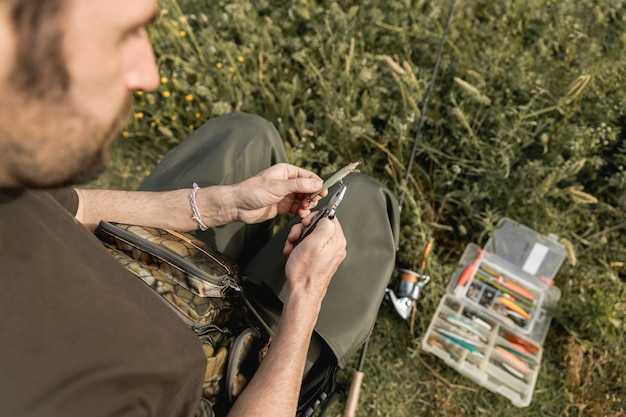
라이더와 장비에 따라 다르며, 그룹 크기와 장비를 먼저 고려한 다음, 보트 길이를 선택하세요. 가벼운 장비를 가진 최대 4명의 라이더에게는 20–25피트 중앙 콘솔 또는 데크 보트가 쉬운 해안 접근, 안정적인 발판, 그리고 부두에서 빠른 탑승을 제공합니다. 당일 여행에 6–10명의 라이더가 있다면 28–40피트 캐빈 크루저 또는 2층 보트는 편안한 좌석, 아늑한 캐빈, 새 장소로 이동하는 동안 장비를 안전하고 깨끗하게 유지할 수 있는 넓은 데크 공간을 제공합니다.
선호하는 스타일에 맞춰 데크 레이아웃을 선택하세요. 물과 바람에 빠르게 접근할 수 있는 중앙 조종석, 사교 활동을 위한 2층 데크, 또는 바람이 좋을 때 돛을 활용할 수 있는 옵션이 있습니다. 해안가 근처에서 대여하면 조용한 크루즈와 안전한 승차감을 즐길 수 있고, 요트 대여는 클래식한 분위기와 수동 조작을 선호하는 사람들에게 추가적인 기동의 즐거움을 선사합니다. 동력 데크 보트는 간단한 조작을 선호하는 선장과 선원에게 편리함을 제공합니다.
비교할 탑승 기능: 깨끗한 선실, 안전 난간, 그리고 보호된 좌석 공간; 냉장고, 담수 싱크대 및 휴대용 스토브와 같은 가전제품은 더 긴 여행에서 외출을 개선합니다. 신뢰할 수 있는 전자 장비, 어군 탐지기, VHF 채널 및 다른 사람이 항해 및 정박을 처리하는 것을 선호하는 경우 선장 옵션이 있는 보트를 찾으십시오. 물 위에서 오랜 시간 동안 손님들이 상쾌함을 유지할 수 있도록 충분한 냉장 시설, 날씨 보호 기능 및 그늘이 있는지 확인하십시오.
현지 업체의 계절별 대여는 계절풍과 조류에 맞춰 옵션을 제공합니다. 현지 업체를 통해 대여하면 명확한 가격 책정, 계절별 프로모션, 온콜 지원을 통해 프로세스를 간소화할 수 있습니다. 보호된 작은 만과 표시된 수로로의 접근성을 확인하고 해안에서 이동 시간을 최소화하는 위치를 선택하십시오. 여러 날 또는 연속 출항을 계획하는 경우 더 큰 2층 보트는 더 나은 휴식 공간과 여행 사이에 장비를 보관할 수 있는 공간을 제공합니다. 대여 시 정확한 위치와 픽업 시간을 확인하고 선장에게 선호하는 경로와 휴식 시간에 대해 알려주십시오.
계획 점검 목록: 탑승객 수 파악, 태클 및 장비 확인, 안전한 갑판 접근과 깨끗한 내부를 갖춘 보트 선택, 선상 가전제품과 전원 공급 장치가 필요에 맞는지 확인. 가족 나들이에는 조용하고 해안과 가까운 보호된 공간을 선택하십시오. 더 큰 그룹의 경우, 명확하게 표시된 좌석 공간이 있는 2층 데크는 하루 종일 모든 사람이 편안하고 수분을 유지하는 데 도움이 됩니다.