


 한국어
한국어  English (UK)
  Русский
  العربية
  日本語
日本語  Magyar
  Türkçe
  Español
  Čeština
  Svenska
  Português
  Ελληνικά
  Suomi
Suomi  Nederlands
  Română
  Italiano
  Français
  Polski
  Українська
  Deutsch
  简体中文
简体中文  Slovenčina
  Practical Boat Owner – Maintenance, Safety Tips, and Buying Guide">

Begin with a practical rule: run a 15-minute pre-launch check and log the plan for the day. Open the chart, mark the intended course, and set a clear direction. While you are glancing at the forecast, note the likely wind shifts and the time you should head back. Start by checking safety gear: four life jackets, a throwable, a horn, and a first-aid kit; place them where they are easy to grab. If something looks off, fix it before you splash–an organised start saves time later and supports your passion for safe boating.
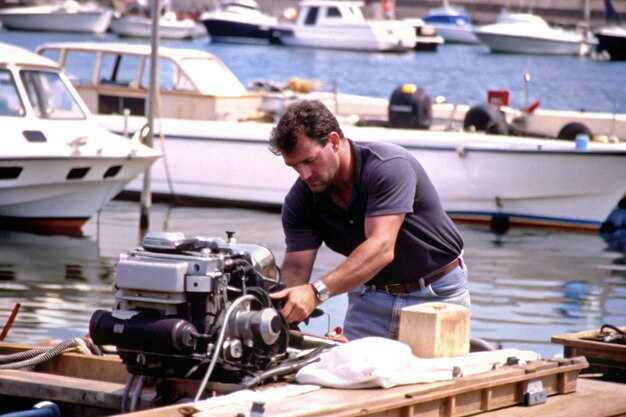
Maintain the engine, electricals, and hull. Do mechanical checks: inspect hoses for cracks, tighten clamps, perform the oil change on schedule, test the battery load, and replace as needed. Keep a scoop ready in the bilge to remove any water quickly. Clean the deck and non-skid to remove sand and salt; a quick rinse from bow to stern helps prevent corrosion. Create a simple maintenance plan and practise it monthly. Document service intervals and parts so you can manage next steps with clear data. For a small craft, plan four tasks per session: check fuel, check oil, inspect the prop shaft and stern gear, and test the bilge pump. This helps you spot apparent wear and avoid surprises on the water.
Stay safe on the water with practical steps you can trust: anchor ready with a proper rode and backup line; know depth and seabed type for selecting the right anchor and setting it, especially in mud or sand. Before leaving, verify flotation and signaling gear–PFDs sized for all passengers, a throwable cushion, and a waterproof VHF. Learn a calm way to react to a sudden wind shift: point your bow into the wave, ease the sheets or throttles, and keep a steady direction to maintain control. If you have a crew, whoever steers should keep hands on the wheel and eyes on the chart. Develop your skill through regular drills, like MOB protocols and emergency stops, so you can respond quickly. Maintain clear shelter options by choosing routes that offer offshore or marina protection if gusts rise. Practice a quick test of the bilge pump and sea-sickness precautions so you stay focused when things feel tense. Your methodical approach makes it easier for them and any guests aboard to feel safe.
When you plan to buy, align the choice with your planning goals and the skill level of the crew. A modest, well-kept used boat often beats a flashy purchase; check for soft decks, cracks, and soft spots in the deck in sand where moisture collects. For boats with outboards, examine the lower unit for gear oil leaks and inspect the prop for dings. For sailboats, inspect rigging, sails, and attachment points, and verify spar alignment. In a sea trial, run at moderate throttle for at least 20 minutes, test steering response, and observe how the hull handles chop. If you note a likely need for cosmetic or structural work, price accordingly and plan for the repair backlog. Bring a scoop to skim water during the test and note how quickly waves damp; you want a stable platform with predictable performance. Consider the maintenance footprint and whether you can manage the upkeep within your budget. Do four checks during a trial: hull condition, rig integrity, engine access, and electronics function. Keep a simple checklist, set a realistic ceiling, and avoid rushing into a decision. If you are unsure, consult a local boatyard or surveyor and map out the next steps. Your choice should reflect your passion for safe, enjoyable time on the water.
Routine Maintenance Checklist to Prevent Breakdowns
Perform a weekly visual walk-around and log changes to catch issues before they strand you. A year spent on steady maintenance builds reliability for long-distance passages and near headlands, and it naturally leads to a reduction in breakdown risk. Strongly consider an upgrade to critical safety gear if you find wear on lifejackets or life safety equipment, and keep essential items accessible. A careful, hopeful approach saves time, money, and life on the next voyage, keeping costs down. Coupled with a disciplined log, a finding from one voyage can become your next upgrade. Allow the log to guide maintenance decisions.
Pre-Season Mechanical and Electrical Checks
- Engine: inspect oil level, coolant condition, and filter status; log readings. Check belts and hoses for wear or cracks; follow size thresholds for replacement.
- Battery and charging: test voltage, inspect terminals for corrosion, and verify the alternator output; ensure you have a reliable start battery for long-distance legs.
- Fuel system: inspect lines for leaks, check clamps, drain water from the separator, and replace filters on schedule; sometimes contamination requires an extra filter change.
- Steering and controls: test helm responsiveness, hydraulic pressure, and pump operation; lubricate moving parts and verify no play in the rudder system.
- Bilge and pumps: run bilge pumps and test float switches; verify audible alarms and ensure discharge path remains clear.
- Electrical distribution: check wiring insulation, fuse panel, and shore power readiness; correct loose connections; allow extra time for corrosion checks.
- Rigging and sails: inspect standing and running rigging, halyards, cleats, and winches; for larger sails, check sail tracks and halyard tension; ensure alignment is good for a safe launch.
- Navigation readiness near headlands: test autopilot, chart plotter, GPS, and compass accuracy; ensure you can hold course in challenging currents.
- Maintenance plan with expert input: if readings drift or you lack confidence, consult an expert or apply a yachtmaster-guided approach and schedule a professional service.
Safety Gear, Drills, and Emergency Readiness

- Lifejackets: inspect buoyancy, seams, straps, and expiry; replace gear that fails buoyancy tests; store in accessible locations.
- Life raft or tender equipment: check service status, inflation bag, cradle, and expiry date; rehearse inflation and stowage procedures on calm water.
- Fire extinguishers and safety gear: verify charge status, accessibility, expiration tags; recharge or replace as needed and refresh crew training.
- Flares, signals, and audible devices: verify expiry dates and proper storage; replace used or damaged items.
- EPIRB and VHF: test Mayday functions, ensure battery life, and confirm proper mounting and waterproof seals.
- First aid kit: review contents, replenish depleted items, remove expired medications, and adapt the kit to crew size and voyage length.
- Line handling gear and harnesses: inspect lifelines, harnesses, and attachment points; replace worn rope and damaged hardware; check for proper storage practices.
- Emergency response drills: practice man overboard, engine failure, and steering loss; rehearse crew roles and measure response times to improve outcomes.
- Navigation backups: confirm a readable chart, a star or backup navigation method, and ensure larger displays or devices are legible in sun; identify a safe fallback route in case of digital failure.
Engine, Rig, and Sail Care for Longevity
Change fuel filters and inspect electrics before every voyage to increase reliability aboard your vessel. If fuel has changed in quality, drain a small sample into a clear container to check for water and sediment, then replace the primary filter and the separator if fitted. Keep spare filters within reach and note the date on a maintenance chart so you can review trends, and stay prepared for the next haulout. A concise plan helps starts run smoothly and reduces fatigue for tired crew.
Regularly service the engine and fuel system to minimise disruption. Change engine oil per manufacturer guidelines and replace the oil filter every second oil change interval; inspect belts and hoses for wear, and adjust tension as needed to prevent slip. In salt water, the water pump impeller should be changed at least once per season; depending on usage and water quality, more frequent changes may be prudent. When starting in cooler conditions, allow the glow plugs or starter to warm; instead of rushing the start, wait a few extra seconds to avoid a hard start. Keep the draught and water intake in mind when maneuvering near shallow passages.
Rig and sail checks: inspect standing rigging for corrosion, frayed strands, and hardware wear; inspect the chainplates and fittings. Discern subtle changes in tension or bend, and service pulleys and turnbuckles; replace any stiff or cracked parts. In foul weather, shelter the sail area and minimise handling in strong gusts. When sailing in shallow waters, watch the draught and adjust trim to avoid grounding. After a long passage, review wear on sheets and halyards and re-tie knots for clarity and safety; plan replacement if you have likely fatigue in the line. Keep a record for the helmsperson to track what changed and what needs maintenance. Lulls between squalls are a good time to verify line routing and winch function without rushing.
Sail care: rinse sails with fresh water after exposure to salt; dry and store away from direct sun. Inspect the sailcloth for tears, patches, and UV damage; repair early with patches or by a sailmaker. If sails stay furled during long lull periods, scoop any standing water from the sail pocket to prevent mildew; avoid leaving sails folded for extended times in damp heat; use a cover to shelter them from sun and moisture. Prepared maintenance and a quick review of sail life helps you plan replacements and avoid fatigue on the fabric across seasons. The benefit is longer life and more predictable performance at helm and on deck.
Preventive maintenance timetable
Engine: oil every 50–100 hours or 6 months; oil filter every 100 hours; fuel filters every 100 hours; water pump impeller yearly; battery test monthly. Rig: standing rigging annual inspection, running rigging quarterly. Sails: inspect after every voyage, patch as needed, replacement per sailmaker guidance. Safety gear and bilge pumps: check monthly.
Finish with a practical routine you can rely on: review your maintenance log monthly; been consistent yields benefit in reliability. If you wait for trouble, the chance of a breakdown increases and you’ll be blind to early signs. Keep the plan simple and practical; generally follow a fixed routine: check the fuel and electrics, test starts, check the rig, inspect the sails, and store materials ready for repair when weather allows. The discipline benefits the crew, especially the helmsperson and passengers, and makes starts more predictable and safer for everyone. There is hope that this routine will reduce risk and boost confidence on every passage.
Safety Gear, Communications, and Crew Readiness
Youll equip a verified VHF with DSC and a fully charged handheld backup, accessible from the helm in all conditions. Store both in a sealed bag, test weekly, and confirm channel 16 reach and the vessel’s call sign. A spare battery or portable power bank keeps communications alive if the main supply dips, and a small solar panel can trickle-charge the devices during longer passages.
Keep PFDs for each crew member, with a whistle, a tether, and reflective tape. Attach a throwable buoy line and a compact flashlight with reliable lighting; secure pots and cooking gear on gimbaled stands to prevent spills if the boat heels. Have a dry bag with spare fuses, and ensure a closed hatch and tight seals on sensitive electronics. Label circuits in the office for quick fault finding; add a laminated pre-departure checklist to the chart table so things stay in order. After the drill, run a further safety review to catch anything missed.
In harbours and sheltered bays, maintain a simple communications plan: designate a primary channel, a guard channel, and a back-up. Have someone responsible for calling in the logbook; youll record who calls and when. For weather, discern forecasts from two known sources and compare notes; adjust speed and course if the forecast strengthens in the evening. Keep a weather alert on your phone or VHF, but tune the radio and monitor the channels, not relying on one source alone. Recognize that fatigue, coupled with distraction, can be a cause of miscommunication; place rests into the plan and strongly emphasize attention during the watch.
Crew Drills, Roles, and Responsiveness
Before departure, run a 5-minute briefing with the skipper, helmsman, and deck crew. Assign roles clearly: who watches AIS, who handles lines, who calls the anchor, and who handles pots if you’re in fishing areas. Practice a man-overboard drill, a controlled engine start, and a near-miss review. Discern any change in forecast as the evening approaches and adjust the watch plan accordingly. peter notes that rehearsed drills boost response time in real situations. If something feels off, escalate immediately–no waiting for the next watch change. This approach places confidence in the crew and strengthens safety culture.
Buying Guide: New vs Used Boats and What to Inspect
Start with a concrete recommendation: buy a well-maintained used boat 3–8 years old with complete service records and arrange a professional hull survey plus a sea trial. This approach yields solid confidence ahead of your first season and saves you money compared with a new model. david notes that a careful pre-purchase check often reveals issues you can address before youve signed.
New boats provide the latest comfort features, longer factory warranties, and minimal immediate maintenance, but the upfront price is higher and depreciation starts at delivery. If you plan weekend trips and want predictable costs, a new model can be worthwhile; otherwise, a used boat with documented history usually yields more space and gear for the same budget and room to upgrade between seasons.
When you’re evaluating a used boat, follow a disciplined inspection checklist: exterior hull for visible damage, gelcoat cracks, and apparent signs of osmosis; deck and cabin for soft spots and moisture in the core; hatch seals and deck hardware; anchoring gear and railing fittings; bilge pump and drainage paths; engine room for corrosion, oil leaks, and hose wear; propeller, shaft, and stuffing box for wear; electrical harnesses, switches, and fuses; and service history that shows recent engine or outdrive work. If the boat has charter use, look for heavier wear on knobs, hinges, and upholstery, and verify hours across systems. Sign of a rushed repaint or patched hull can be a red flag, so discern subtle discrepancies between documented records and on-site condition.
In a new boat, verify build options match your needs and confirm all safety and comfort systems are as advertised. Check the electrical system, battery age, charging setup, and the integration of navigation gear, VHF, and safety gear. Inspect hoses, clamps, and fittings for tightness and routing; test the galley and comfort features and confirm there’s enough storage for meals on longer trips. Look for cosmetic flaws early on since minor gaps or miss-aligned panels can indicate rushed assembly; ensure the hull gelcoat finish is uniform and the non-skid surface is consistent in visible areas.
During a sea trial, discern how the boat handles under different loads: accelerate smoothly, glide through a chop, stop swiftly, and hold steady at cruising speed. Test ease of docking and maneuvering in tight spaces, especially if you plan to operate from smaller ports after sunset. Listen for unusual engine noises, check trim and steering response, and verify that all major systems respond with consistent performance. This phase helps you quantify comfort below and above deck, the ease of maintenance, and the overall reliability you want for miles on the water. For night use, ensure cabin lighting and ventilation meet your evening needs and that visibility from the helm remains clear in varying angles of approach.
A practical decision framework: set a total budget that includes taxes, insurance, dockage, and upgrades; compare five-year ownership costs rather than just the sticker price; review resale trends for models you consider; and weigh the value of warranty protection against the upfront premium. If youve got a strong passion for exploration and want to expand your routes, a wider family of model options can help you reach more ports with greater comfort and confidence. Since you’re balancing initial cost and long-term reliability, a thorough inspection and a measured sea trial will keep you well ahead of surprises and ready for your next voyage.
Downwind Helming Techniques: Pip Hare’s Tips to Maximise Speed
Set the traveller midline, ease the mainsheet until the main is softly powered, and steer with a steady, smooth rhythm. Pip Hare’s method keeps the hull flat and speed up, so youve got a clean passage and rapid acceleration as the breeze moves along headlands. Anchors in the routine are traveler position, mainsheet control, and weight balance.
Make small, decisive adjustments to weight and helm when gusts roll in; move weight to the windward rail to keep balance and prevent the boat from broaching. If a gust threatens, ease the mainsheet a touch and turn the helm promptly to hold the course.
On a broad reach with a wing-on-wing setup, trim the sails for a balanced draft and keep the jib trimmed to avoid drag. Check the chart for the next headlands and the passage you aim to ride, and keep the boat on the fastest line.
Quick adjustments for speed
Use the rudder to balance the helm, with small, continuous inputs; this keeps the boat on a straight course toward the headlands. Keep your hands calm and your eye on the water; the crew, including jake and adam, agree that steady hands win speed on the water.
| Technique | What to adjust | Recommended setting / action | Benefit |
|---|---|---|---|
| Traveller position | Rail choice and balance | Midline, weight on windward rail to flatten | Faster, more stable downwind |
| Mainsheet trim | Sail tension | Just enough to keep the draft forward; avoid overload | Quicker acceleration and less drag |
| Jib / headsail | Trim relative to wind | Back or ease to reduce leech flutter; use spinnaker when possible | Cleaner airflow |
| Rudder input | Steering balance | Small, rhythmic corrections | Maintain course and reduce broach risk |
| Weight placement | Position relative to centreline | Windward rail; keep hull level | Less drag, more speed |
| Sail plan variant | Aids to speed | Wing-on-wing or spinnaker when breeze is clean | Maximise speed on broad reaches |