


 한국어
한국어  English (UK)
  Русский
  العربية
  日本語
日本語  Magyar
  Türkçe
  Español
  Čeština
  Svenska
  Português
  Ελληνικά
  Suomi
Suomi  Nederlands
  Română
  Italiano
  Français
  Polski
  Українська
  Deutsch
  简体中文
简体中文  Slovenčina
 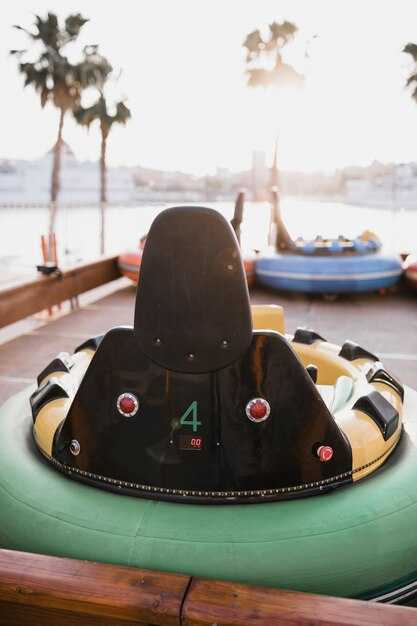 Pirates Cove Watersports – The Ultimate Guide to Snorkeling, Kayaking & Jet Ski Rentals">

Begin with a safety briefing and gear check, then select a shallow mangrove-route for your first underwater glimpse. This complete setup includes a mask, fins, snorkel, and a paddle board designed for strong grip, with a map of parts of the route to keep you within the required depth. Stay toward blue shallows where ecosystem thrives and your first contact with marine life feels controlled and epic, with good glimpses about reef and its inhabitants.
For minors, supervision is mandatory; staff provides life jackets in sizes for all guests and a grip-friendly paddle option for stable handling; near islamorada’s mangrove channels, stingrays and a rich ecosystem offer close encounters.
Consult tripadvisor reviews to gauge guest experiences, safety, and gear quality; check operators that publish a safety-first policy and real-time water conditions, including guided trips and flexible cancellation for a guest’s peace of mind. That focus matters for a guest on their first outing.
If arriving by flights, plan a practical drive to a launch place near islamorada; prior to arrival, confirm parking and gear storage; for those staying in town, driving is straightforward along Overseas Highway. For travelers seeking similar experiences, this setup scales well to a full-day plan with sessions back-to-back.
For guests seeking epic days, combine a snorkel-style session with a paddle excursion and a ride on a personal watercraft; this approach offers more variety and a complete, safe outing.
Practical Guide for Snorkeling, Kayaking & Jet Ski Rentals on the Florida Keys Road Trip
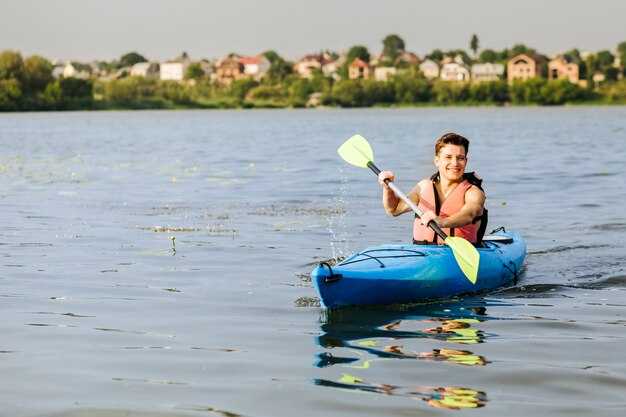
Start your day in Tavernier by 8:00 am and lock in a morning snorkeling session around shallow reefs; epic visibility often lasts until late morning, birds wheel overhead looking for feed, and youre likely to spot stingrays and small reef fish.
There are several ways to plan your day northbound along the road in the Florida Keys: calmer water before crowds swell on sunny weekends; open water conditions invite more watersports activity and paddlers may see fewer boats early in the day, especially as you move into the southern Keys.
For paddleboards and kayak-like craft near Tavernier and Islamorada you can rent by the hour; common prices range $25-$45; budgets are flexible for longer half-day plans; some shops even include protective gear.
For motorized options, book in advance and expect 20-30 minute sessions; rates typically run from $100-$150 per 20 minutes, depending on season and group size. Many operators require proof of age and license, and international visitors should confirm age requirements with the local operator.
Safety plan: minors require adult supervision and life jackets; always check weather, tide, and current before heading out; if conditions look rough, wait for a calmer window; watch for boat traffic and stay clear of commercial routes; you can click this link to see current deals prior to departure.
Landmarks worth photo stops: Tavernier Gardens, mile markers north of Key Largo, and the bays near Islamorada; plan a loop of about 30-40 miles with short stops to stay refreshed.
Gear and packing: reef-safe sunscreen, water, snacks, a compact hat, and a dry bag for phones; for an epic day bring extra towels and a change of clothes; items like a lightweight rain shell keep you comfortable if clouds roll in; across the road you’ll find several providers that offer bundled deals and flexible hours to help you stay on schedule.
What to Pack for Snorkeling at Pirates Cove: Gear, Sunscreen, and Reef-Safe Practices
Choose reef-safe mineral sunscreen and test mask, snorkel, and fins on land to ensure proper seal and fit before entering water–minute spent pre-setup pays off during exploring sessions underwater for everyone.
- Mask with silicone skirt, adjustable strap, and positive seal; test fit with a little water to verify comfort.
- Snorkel with dry-top or semi-dry top; purge valve optional; use a keeper or clip to prevent loss.
- Fins sized to feet; for kids add booties for warmth and protection on rocky entries.
- gopro with waterproof housing and a floating grip; mount options include head, chest, or hand-held; ensure battery and memory card are fresh.
- Dry bag for valuables; keep phone, keys, and spare mask dry and easily accessible.
- Quick-dry towel and rash guard; sun protection while resting on shore or boat.
- Water shoes or reef-safe sandals to guard against cuts on sharp coral or shells.
- Hydration bottle and compact snacks to support long activity; pack light to stay comfortable through the day.
Sunscreen and reef-safe practices: choose mineral-based sunscreen with non-nano zinc oxide; avoid oxybenzone and octinoxate. Apply 15 minutes before water entry; reapply every 80 minutes or after swimming, splashing, or towelling. Do not spray near face; use lotion or stick for precise coverage; reapply on ears, neck, and shoulders. Keep hands clean to prevent transferring lotion to reef life.
Underwater etiquette and safety: maintain distance from coral and sea life; never touch or collect anything living; stay within designated snorkeling zones; back away slowly if animals approach. For families, parents should supervise kids and adjust gear for their size and comfort; if john joins group, tailor pace for him; heres a simple approach: start with an easy loop along sandy flats, then widen scope if conditions and energy allow; youd feel more confident and comfortable. everyone benefits from a calm start, especially when exploring with kids.
overview and planning: pack contents with flights, park rules, and cruise stops in mind; this full pack makes what you do ahead smoother. click the link for policy details if needed; decided preferences can guide what to bring on day-of. plus a quick check ensures youd be ready for whatever comes, through a sunny day at this destination.
Top Snorkel Spots Near Pirates Cove: Timing, Depth, and Marine Life Highlights
Schedule a morning snorkel during slack tide in winter for optimal clarity: 9:45–11:00 AM, water 72–76°F, visibility 40–60 ft, with gentle currents that keep reef life within reach.
When arriving, leave vehicle in designated park lot near road access. From islamorada, use official maps and a dedicated link to plan routes. Park at nearby lots along road; leave car in secure spots while you explore; waivers and signed document should be ready; read charge and rental terms; local hotels can arrange tours; airport nearby within 20 miles.
источник: local service notes. Youd find these spots favorites for winter snorkeling around this area, with spots suitable for beginners and experienced divers alike. John can offer current conditions at dock; dont forget waivers and prior paperwork; read maps and bring a printed link if possible.
| Spot | Best Time | Depth (ft) | Marine Life | Access & Entry | Distance from Hotels (miles) |
|---|---|---|---|---|---|
| East Reef Heads | 9:30–11:00 AM (Winter) | 6–15 | turtles, parrotfish, angelfish, reef sharks (occasional) | shore entry via sandy beach; gentle currents; rough footing avoided | 2.5–4 |
| Limestone Tunnels | 10:00–11:30 AM | 12–30 | stingrays, morays, snapper schools, nurse sharks (occasional) | boat access or charter drop; plan tides | 4–6 |
| Rock Harbor Gardens | 9:45 AM–12:00 PM | 5–12 | juvenile reef fish, sea turtles, starfish | shoreline reef zone; easy entry, currents mild | 1.5–3 |
| Hemingway’s Coral Garden | 9:45 AM–12:15 PM | 8–16 | parrotfish, angelfish, rays | public docks and shallow reefs; soft bottom | 3–5 |
| Underwater Canyon North | 11:00 AM–1:00 PM | 20–40 | grouper, turtles, reef sharks, occasional dolphins | boat entry; plan for modest current; use mooring lines | 5–8 |
Kayak Safety and Paddling Routes: PFDs, Weather Checks, and Crossing Tips
Always wear a properly fitted PFD from launch to return; must keep you buoyant and confident on moving waters. Keep lightweight jackets within reach, especially above sheltered creeks when sunshine shifts. For every kayak outing, start with safety gear check and a plan that fits your skill level. This approach feels like a smart habit.
Check weather window for favorable conditions using maps and international boating forecasts; identify mean gusts, visibility limits, and potential showers. Pack spare paddle, water, and a dry bag for gear.
Crossing tips: choose a line that stays toward sheltered water; go through channels when wind shifts; keep to right side of traffic lanes and scan opposite shorelines for traffic and wildlife.
Route planning: long miles along creeks provide epic adventures; mark creek heads and reef heads on maps. Favorite paddling routes mix calm water with small currents, giving photo opportunities that you can enjoy with family.
Gear and etiquette: carry spare water, a whistle, and lightweight protection; stay friendly toward others on international boating routes. A parent or guardian should supervise beginners; avoid riding without clear margins.
Whats next after cross is assessment: water conditions, gear status, and route adjustment. Maintain small, safe pace; this avoids mean gusts becoming dangerous. Birds wheel overhead as you pass reef features; sunshine gives warmth to moments, guardian nearby ensures safety, friendly vibes, service-minded on international waters.
Jet Ski Rentals Demystified: Booking Steps, Licensing, Insurance, and Safety Briefs
Begin by confirming local age limits and licensing for motorized watercraft. Pick a window: 30 minutes, 60 minutes, or 120 minutes; some packages pair with tours led by staff or include kid-friendly add-ons like paddleboards on calmer stretches.
Licensing rules vary by locale. In many spots, a boating safety card or operator permit is required. If you hold a national or international credential, confirm acceptance with a rental desk or via a link from staff at check-in. This step avoids surprises during pickup.
Insurance coverage: Standard liability is usually included; optionally add collision protection or personal items coverage. Ask about limits, excess, and what happens in case of damage to prop or craft. Keep a digital copy of your policy handy.
Before launching, safety brief covers life jacket sizing and placement, wake rules, front and rear passenger limits, lanyard kill switch, speed restrictions, and emergency signals. Check weather, visibility, and sunshine conditions; if seas rise, postpone activity.
On-site checks include engine start, throttle response, and lanyard function. Confirm top speed for passengers and weight limits. For families, set up a kid-friendly run near calm water, or switch to paddleboards to keep balance. Local routes include a short creek crossing and a tunnel network with safe visibility; keep to marked channels.
Online booking: click a link to reserve and receive a confirmation code. Save it; present at check-in along with a photo ID. If plans shift, look for flexible cancel options and check policies through your provider’s portal. For travelers, pickup near sunshine fronts or close to airport hubs can speed up day plans.
Some front-office options feature waverunner models, easy to share between adults and kids; choose a longer ride if life on water fits your plan; staff can tailor a local route past coral, through tunnels, or along a creek, depending on current conditions and birds or rays spotted along shore.
источник tips: consult local staff and check updates through official portals, including airport hubs.
To wrap, safety gear, insurance, and licensing all hinge on local rules. Keep routines short if you’re trying something new, enjoy sunny days, and spend time with family or friends–these moments become favorite memories on sunny coastlines and unique waterways.
4-Day Florida Keys Road Trip Itinerary: Day-by-Day Stops from Key Largo to Key West
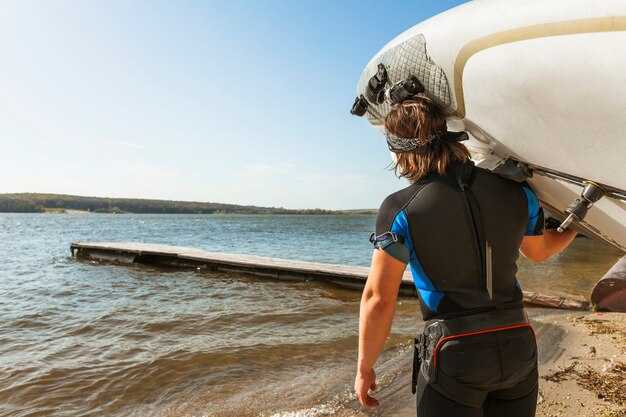
Start day 1 with a concise plan: grab maps, check weather, and book a tandem kayak tour through a sheltered creek near Key Largo; loop along Overseas Highway delivers blue water views on both sides and a friendly islander vibe. Guides will brief you in first light, pointing out legally protected reefs and easy stops for short activity breaks. If you should spot manatees or pelicans, take a moment to enjoy these sights, as minutes slip by in calm weather. heres a practical tip: pack a single dry bag, sunscreen, and a compact camera, then keep heads up for weather changes as you move toward Islamorada.
Day 2 advances from Islamorada toward Marathon, roughly 50 miles of waterway and bridges; use maps to plan a scenic loop with quick stops. Look for guides offering a morning glass-bottom ride or a guided kayak tour through a sheltered creek; tandem setups work well for couples or friends sharing one craft. At Marathon, explore a friendly harbor area, then grab a seafood lunch and a postcard-worthy photo of Seven Mile Bridge at blue hour, and consider other tours for variety. If you enjoyed last leg, you should aim for a longer afternoon cruise. To reserve, click a preferred time and book ahead, ensuring a smooth, full day of adventure.
Day 3 pushes to Lower Keys, about 30–40 miles to Big Pine Key; plan a stop at National Key Deer Refuge and a mangrove kayak route through protected creeks. Look for islander-friendly inns and friendly folks at Moorings or small motels; packing should be light, with a single dry bag for valuables. Loop of bridges between Marathon and Big Pine Key offers dramatic views of blue water and open sky; you can enjoy wildlife watching from shore and in nearby parks. If you prefer a document with route options, grab a local map from a guardian of local parks or visitor center to compare routes. End day with a sunset stroll along a creek and a casual dinner featuring fresh catch–an activity many travelers say was enjoyed by all ages.
Day 4 final leg to Key West covers around 28 miles of pristine water and bright storefronts. Morning options include reef-viewing cruises or a short glass-bottom ride near Sunset Pier; tandem kayak still an option, if energy allows. In Key West proper, stroll Duval Street, visit Fort Zachary Taylor Historic State Park, and take a harbor-front stroll to Mallory Square for sunset watching. For packing, keep a compact reef-safe sunscreen and a small water bottle; wherever you roam, this adventure ends with a sense of accomplishment and a souvenir postcard collection. To close, you should document favorite moments and share with friends; a click to save photos and a brief note can be a nice keepsake.