


 한국어
한국어  English (UK)
  Русский
  العربية
  日本語
日本語  Magyar
  Türkçe
  Español
  Čeština
  Svenska
  Português
  Ελληνικά
  Suomi
Suomi  Nederlands
  Română
  Italiano
  Français
  Polski
  Українська
  Deutsch
  简体中文
简体中文  Slovenčina
  솔로 여행자를 위한 추운 날씨 모험 필수 스마트 용품">

When winter travel calls, especially for solo adventurers, packing the right gear can make all the difference between enduring the cold and truly embracing the journey. This guide delves into essential items that ensure comfort, protection, and confidence during solo winter travels.
Key Winter Essentials for Solo Travelers
Seasoned solo travelers understand that winter requires more than just layering on clothes — it demands thoughtful selection of apparel and accessories that combine warmth, mobility, and practicality. Whether navigating icy city streets, summiting snowy trails, or sailing chilly waters, having the right gear is a traveler’s best ally.
Base Layers That Keep You Toasty
At the heart of winter packing is a reliable base layer that traps warmth while wicking moisture away from the skin. Soft, stretchy fabrics such as merino wool blends excel in this role, offering comfort without bulk. High-waisted thermal pants paired with adjustable tops with ventilation features are perfect under jackets, adding a layer of insulation that adapts to changing activity levels and temperatures.
Versatile Neckwear and Head Protection
Multifunctional neck gaiters or buffs made from wool can transform to serve as a neck warmer, face cover, or makeshift hat, protecting against biting wind and dry cold days. This lightweight accessory is an underrated essential in the winter travel toolkit due to its flexibility and ease of packing.
Footwear Designed for Cold and Convenience
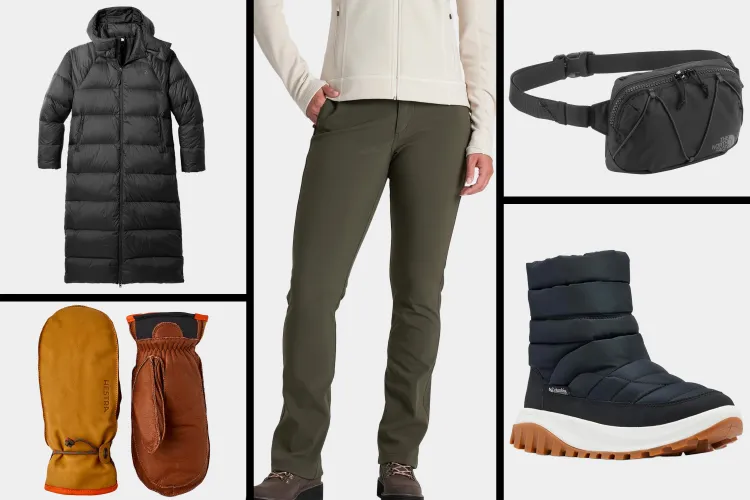
Everyday winter boots that are insulated and lightweight enhance warmth without the clunkiness of traditional snow boots. Adding reflective linings lends to heat retention, and slip-on designs, while sometimes snug, offer quick mobility important for urban or rugged explorations. Trail running shoes with waterproof Gore-tex layers also provide blister-free comfort on varying terrain, allowing travelers to maintain an active pace in unpredictable weather.
Durable Outerwear Balancing Style and Function
Mid-length padded parkas with quality insulation such as PrimaLoft keep the core warm and shield against harsh winds. Adjustable hoods, waistbands, and wind-blocking zippers combine durability with a classic look, suitable for both wilderness hikes and city strolls. Longer coats protect not just the torso but also hips and thighs, particularly useful against snow and cold gusts in coastal or oceanic regions.
Specialized Accessories to Enhance Comfort
- Compression socks: Over-the-calf designs support circulation, reduce fatigue after extended periods of walking or sitting, and help keep feet dry in snowy or damp conditions.
- Mittens: Superior to gloves for warmth by allowing fingers to share heat, with insulation layers and removable liners for versatility in extreme cold temperatures.
- Travel light with waist packs: Compact options hold essentials like passports, wallets, and phones while resisting water and snow—perfect for navigating busy airports or snow-covered streets solo.
- Travel blankets: Oversized, multi-fabric blankets offer warmth without the bulk, ideal for airports, boats, or campsites.
- Headlamps: Lightweight and bright, functioning as vital tools for safe navigation during early morning or late evening excursions in winter.
Historical Perspective on Winter Travel Gear
The art of winter travel evolved from ancient survival tactics. Skiing, with roots traced back over 6,000 years to prehistoric communities, was initially a means to traverse snow-covered landscapes for hunting and gathering. Over centuries, winter equipment progressed from rudimentary wooden sticks to specialized gear for recreational and expedition purposes.
Utilitarian winter garments have transformed into sophisticated clothing systems meeting modern traveler needs. From the development of moisture-wicking merino wool to PrimaLoft insulation and waterproof shells, advances allow adventurers to maintain warmth and dryness while retaining agility. This evolution is crucial for solo travelers who often navigate diverse winter conditions alone, relying heavily on their gear’s reliability.
Winter Travel and Its Impact on Tourism Trends
Winter tourism holds a unique place in the global travel mosaic. Beyond traditional mountain ski resorts, there is increasing interest in varied cold-weather experiences—from exploring frozen fjords to enjoying festive markets and winter sea voyages. This diversification reflects broader trends in travel behavior characterized by a desire for authentic, active, and experiential journeys.
With changing demographics and leisure patterns, the market for winter travel continues to grow, particularly among solo explorers valuing independence. Though challenges such as climate variability and sustainability concerns present hurdles, winter travel remains a dynamic sector poised for innovation in both activities and accommodation offerings.
| Activity | Popularity Among Solo Travelers | 항해 및 보트 대여 연결 |
|---|---|---|
| Winter Hiking | High | Access to remote lakes and coastal trails via boats enhances exploration possibilities |
| Skiing and Snowboarding | Moderate to High | Less directly connected but frozen lake regions accessible by boat before freeze; boat stays near resorts |
| Winter Sailing & Yachting | Specialized but Growing | Winter charters offer unique oceanic or lake sailing experiences, blending cold-weather adventure with boating |
| Christmas Markets and Cultural Exploration | High | Marinas in port cities allow for boat access and sightseeing from the water |
The Intersection of Winter Travel and Boating
While traditionally associated with warmer seasons, boating and yacht charters during the colder months are revealing new niche markets. Regions with protected marinas and scenic waterfronts enable sailing enthusiasts to continue exploring lakes, gulfs, and coastal destinations even in chillier climates. For solo travelers equipped with the knowledge and gear for winter, this offers a thrilling way to combine water-based adventure with winter exploration.
Preparing for Winter Sailing Adventures
Those venturing into winter seafaring must consider additional layers, windproof and waterproof clothing, and safety accessories like headlamps and thermal gloves. Advanced bookings for boats during this season become advantageous as it often offers more availability and peaceful waters. The right packing list is crucial — lessons drawn from solo winter land excursions translate well to the demands of winter boating.
Summary and Outlook
Solo winter travel demands a blend of thoughtful preparation, reliable gear, and adaptability. Key apparel such as insulated base layers, versatile neckwear, and protective outerwear provide the foundation for facing the cold confidently. Footwear that balances comfort and weather resistance, along with specialized accessories like mittens and compression socks, round out the essentials.
Winter travel is deeply rooted in historical practices but continues to evolve with modern innovations and expanding global interest. As tourism trends lean toward authentic and active experiences, winter destinations are carving a niche that extends beyond traditional snow sports to include cultural exploration and even winter boating.
For those drawn to maritime winter escapes, sailing and yacht charters present exhilarating opportunities to connect with nature and embody the spirit of adventure. Whether it’s exploring frozen lakes or sailing amidst serene coastal waters, winter boating offers an unmatched perspective on cold-season travel.
To explore winter and year-round sailing, and to discover yachts and boats available for rent that suit every taste and budget, visit GetBoat.com, the leading international marketplace for boat charters and rentals. It’s the perfect starting point for planning your next seafaring adventure, blending expert preparation with accessible choices for winter and beyond.