


 한국어
한국어  English (UK)
  Русский
  العربية
  日本語
日本語  Magyar
  Türkçe
  Español
  Čeština
  Svenska
  Português
  Ελληνικά
  Suomi
Suomi  Nederlands
  Română
  Italiano
  Français
  Polski
  Українська
  Deutsch
  简体中文
简体中文  Slovenčina
 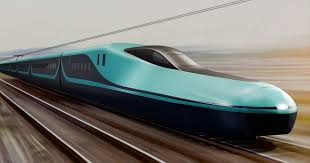 JR Central Shinkansen App Honored with GOOD DESIGN AWARD 2025">

혁신적인 신칸센 시간표 앱, 최고의 디자인상 수상
JR 센트럴 도카이도 & 산요 신칸센 시간표 앱이 일본 디자인 진흥회가 수여하는 권위 있는 굿 디자인 어워드 2025를 수상했습니다. NAVITIME JAPAN과 Central Japan Railway Company (JR 센트럴)의 협업으로 탄생한 이 앱은 여행객들이 스마트폰으로 열차 시간표와 운행 업데이트에 더 쉽게 접근할 수 있도록 합니다.
여행자를 위한 강력한 기능
도카이도 및 산요 신칸센 고속 열차 승객을 위해 특별히 제작된 이 앱은 기존 인쇄 시간표의 명확성과 포괄성을 그대로 재현하면서 디지털 향상 기능으로 사용자 경험을 향상시킵니다. 사용자는 날짜 또는 열차 이름으로 검색을 필터링하고, 플랫폼 번호를 확인하고, 지연 및 운행 변경에 대한 실시간 알림을 받을 수 있습니다. 신뢰할 수 있는 일정 가시성과 역동적인 업데이트의 완벽한 조화는 비즈니스 및 레저 여행 모두에 대한 보다 원활한 여행 계획과 향상된 마음의 평화를 조성합니다.
협업적 개발 및 디자인 우수성
앱 제작 과정에서 JR 센트럴은 서비스 기획 및 배포를 담당하고, NAVITIME JAPAN은 앱의 총괄적인 디자인 및 개발을 주도하는 시너지 효과가 두드러졌습니다. 이러한 협력을 통해 승객의 요구에 완벽하게 부합하고 탁월한 사용성을 제공하는 제품을 보장할 수 있었습니다.
리뷰어보드의 인정
굿 디자인 어워드 심사단은 전통적으로 가독성이 뛰어나 인쇄물 형태로 선호되던 철도 시간표를 디지털화하는 과제를 강조했습니다. 이 앱의 성과는 이러한 장점을 디지털 화면에 그대로 유지하면서 실시간 운행 정보라는 이점을 도입한 데 있습니다. 이는 철도 운행 정보 디지털 전환의 진정한 도약입니다.
일본 고속철도 여행의 유산과 진화
일본은 신칸센 네트워크의 시작으로 고속 여객 철도의 선구자가 되었습니다. 도쿄와 오사카를 잇는 최초의 도카이도 신칸센 노선은 1964년에 운행을 시작했습니다. 당시 세계에서 가장 빠른 시속 130마일까지 속도를 내면서 철도 여행에 혁명을 일으켰습니다. 수십 년에 걸쳐 네트워크는 서쪽으로 확장되어 산요 신칸센이 포함되었고, 오사카와 규슈섬의 후쿠오카를 연결하여 세계에서 가장 긴 고속 회랑 중 하나를 만들었습니다.
신칸센의 혁신적인 디자인은 전례 없는 이동 속도를 제공했을 뿐만 아니라 놀라운 안정성과 승객 편의성도 가져다주었습니다. 시간이 지나면서 최고 속도는 증가했는데, 예를 들어 도호쿠 및 조에쓰 신칸센은 시속 150마일까지 운행하며 특정 구간에서는 시속 171마일에 도달합니다.
일본 고속철도 주요 사건
| Year | Milestone | Description |
|---|---|---|
| 1964 | 도카이도 신칸센 개통 | 일본 최초의 고속철도 노선이 개통되어 도쿄와 오사카를 연결했습니다. |
| 1975 | 후쿠오카 연장 | 산요 신칸센이 개통되어 오사카와 후쿠오카가 연결되었습니다. |
| 1982 | 신규 노선 개통 | 도호쿠 및 조에쓰 신칸센 노선이 운행을 시작하여 네트워크 범위를 확장했습니다. |
| 1991 | 추가 확장 | 추가 네트워크 확장 공사 진행 중, 연결성 증대. |
신칸센이 여행 및 관광에 미치는 영향
신칸센 네트워크는 일본 전역의 사람들의 여행 방식을 재편하여 주요 도시 간 이동 시간을 크게 단축하고 지역 경제 통합을 촉진했습니다. 신칸센의 정확하고 효율적인 서비스는 일상적인 통근자 및 비즈니스 여행객뿐만 아니라 일본의 문화 및 자연 명소를 탐험하는 관광객에게도 매력적입니다.
승객들은 도쿄와 오사카에서의 도시 탐험부터 후지산 근처와 규슈 섬에서의 레저 활동에 이르기까지 일본의 다양한 목적지에 편리하게 접근할 수 있습니다. 디지털 시간표 앱은 여행객이 모바일 기기에서 직접 신뢰할 수 있는 최신 정보로 시스템을 탐색할 수 있도록 지원하여 즉흥적이거나 복잡한 여행 계획을 보다 쉽게 관리할 수 있도록 함으로써 이러한 인프라를 보완합니다.
철도 여행과 다른 교통수단 비교
철도는, 특히 신칸센과 같은 고속철도는 자동차 및 항공 여행에 비해 여러 가지 이점을 지닙니다. 일반적으로 환경 파괴가 적고, 승객당 배출량이 적으며, 연료 효율성이 더 높은 이동 수단을 제공합니다. 이러한 요소들은 지속 가능성에 대한 현대적인 관심사, 그리고 여행의 탄소 발자국을 줄이려는 노력과 잘 맞아떨어집니다. 이는 보트 및 요트 세계에서도 매우 중요하게 여겨지는 문제로, 수질과 자연환경을 보존하는 것이 핵심입니다.
여행 경험에서 디지털 도구의 중요성 증대
수상 경력에 빛나는 신칸센 시간표 앱은 기술 혁신이 전통적인 여행 경험을 어떻게 변화시킬 수 있는지 보여주는 대표적인 예입니다. 종합적인 시간표 데이터와 실시간 운행 정보 업데이트를 통합하여 사용자가 변화하는 상황에 신속하게 적응할 수 있도록 지원함으로써 스트레스를 최소화하고 효율성을 극대화합니다. 이러한 발전은 내비게이션 앱, 실시간 날씨 정보, 예약 플랫폼을 통해 여행의 질을 높이는 요트 및 보트 전세 등 다른 여행 분야에서도 점차적으로 기대되는 디지털 향상의 모델을 제시합니다.
시간표 앱 주요 이점
- 실시간 업데이트: 지연 및 변경 사항에 대한 알림을 받으세요.
- 필터링된 검색어: 날짜 또는 이름으로 원하는 열차를 쉽게 찾으세요.
- 플랫폼 정보: 타야 할 기차를 정확히 어디에서 타야 하는지 알 수 있습니다.
- 인쇄 시간표 명확성: 디지털 디스플레이는 읽기 쉬운 인쇄 버전과 동일합니다.
Outlook: 미래 여행 및 관광에 미치는 영향
일본이 고속철도망을 계속 확장하고 디지털 도구로 여객 서비스를 강화함에 따라 국내 여행의 편리성은 더욱 높아질 것으로 예상됩니다. 이는 국내 관광 흐름을 촉진하여 관련 활동, 숙박 및 운송 서비스에 대한 수요를 증가시킬 가능성이 높습니다. 기술과 전통적인 운송 수단의 통합은 해양 관광 산업을 포함하여 전 세계 다른 여행 부문에 유망한 선례를 제시합니다.
교통 분야의 디지털 솔루션은 여행객의 신뢰도와 접근성을 향상시켜 지속 가능하고 다양한 관광지를 홍보하는 데 매우 중요합니다.
Summary
JR 도카이도・산요 신칸센 시간표 앱의 2025년 굿 디자인 어워드 수상은 고전적인 시간표 가독성과 현대적인 디지털 편의성의 조화에 대한 중요한 기여를 강조합니다. 일본의 상징적인 고속철도 유산을 바탕으로 한 이 앱은 일상적인 여행을 개선하고 여가 및 비즈니스 여정을 크게 지원합니다.
일본의 신칸센 네트워크는 효율적인 도시 간 이동의 초석으로 남아 있으며, 더 빠른 속도와 더 넓은 범위로 승객의 요구를 충족시키기 위해 끊임없이 진화하고 있습니다. 시간표 앱은 접근 가능한 실시간 정보를 제공함으로써 이러한 경험을 향상시키며, 이는 요트 및 보트 전세에서 항해 보조 장치의 중요성이 커지는 것과 유사합니다.
일본의 아름다운 해안 지역, 도시 중심지, 문화적 랜드마크를 탐험하는 것을 즐기는 여행자에게는 신칸센 여행과 해양 활동을 결합하여 다양한 풍경을 발견하는 흥미로운 방법을 제공합니다. 디지털 내비게이션 앱과 전통적인 교통수단의 융합은 육지에서 바다까지 전체 여정을 풍요롭게 합니다.
일본의 아름다운 해안선을 따라 물에서 즐기는 모험을 좋아하는 사람들을 위해, GetBoat.com 세일링 보트 및 요트 렌탈을 위한 포괄적인 플랫폼을 제공합니다. 이 국제 마켓플레이스는 모든 취향과 예산에 맞는 옵션을 제공하여, 국내의 전설적인 고속 철도 경험 후 물 위에서 더욱 쉽게 즐거운 시간을 보낼 수 있도록 합니다. 평온한 바다 전망을 위해 슈퍼요트를 전세 내든, 정박지와 만을 탐험하기 위해 더 작은 보트를 렌트하든, GetBoat.com은 기억에 남는 보트 경험을 통해 여행 일정을 보완합니다.