


 한국어
한국어  English (UK)
  Русский
  العربية
  日本語
日本語  Magyar
  Türkçe
  Español
  Čeština
  Svenska
  Português
  Ελληνικά
  Suomi
Suomi  Nederlands
  Română
  Italiano
  Français
  Polski
  Українська
  Deutsch
  简体中文
简体中文  Slovenčina
 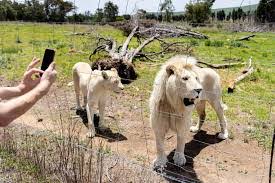 포 포(Four Paws)는 남아프리카 휴가객들을 위한 책임감 있는 야생 동물 관광을 옹호합니다.">

이번 연휴, 야생 동물과 책임감 있는 상호 작용을 장려합니다.
연말연시가 다가옴에 따라, 특히 휴가 중 야생 동물과의 만남에 있어 책임감 있는 여행을 장려하는 데 초점이 맞춰지고 있습니다. 국제 동물 복지 단체 네 발 윤리적인 관광의 중요성을 강조하며, 남아프리카 공화국의 여행객들에게 재미있어 보이지만 동물들에게 지속적인 해를 끼칠 수 있는 흔한 야생 동물 활동에 대해 다시 생각해 볼 것을 촉구합니다.
새끼 사자와 셀카를 찍거나 코끼리를 타는 것과 같은 인기 있는 활동들은 종종 동물을 신체적, 심리적 고통에 시달리게 하는 착취적인 산업에 의해 운영됩니다. 진정한 보호 구역은 동물 복지를 우선시하며, 관련된 동물들에게 스트레스를 줄 수 있는 직접적인 접촉을 피하고 존중하는 거리를 유지하며 관찰할 수 있도록 합니다.
야생 동물 관광 명소의 실상
애완 및 사진 촬영용으로 사용되는 많은 새끼 사자는 어미와 격리되어 평생 동안 트라우마를 겪게 됩니다. 이 새끼 사자들은 성장하면서 트로피 사냥과 같은 암울한 미래에 직면하는 경우가 많습니다. 한편, 코끼리 타기에 훈련된 코끼리는 그들의 정신을 꺾을 수 있는 가혹한 방법을 견뎌냅니다. 말, 당나귀와 같은 가축조차도 종종 혹독한 날씨 속에서 관광객을 태우는 임무를 맡게 되며, 음식과 물을 포함한 기본적인 필요를 충족받지 못하는 부적절한 관리로 고통받습니다.
여행 중 동물을 보호하는 10가지 필수 팁
동정심 있는 여행을 장려하기 위해, FOUR PAWS는 관광객들이 야생동물을 보호하고 윤리적인 관광 관행을 장려하기 위한 핵심 지침을 제시했습니다.
| Tip | Explanation |
|---|---|
| 야생 동물들을 즐겨보세요 | 야생 동물을 자연 서식지에서 관찰하고 트로피 사냥 활동을 지원하지 마십시오. |
| 눈으로만 보세요, 손대지 마세요. | 야생 동물에게 해를 끼치지 않도록 물리적인 접촉을 삼가세요. |
| 먹이 금지 | 야생 동물에게 먹이를 주지 마십시오. 자연적인 먹이 찾기를 방해하고 건강상의 위험을 초래할 수 있습니다. |
| 동물 셀카는 자제해 주세요. | 동물 촬영은 종종 무대 뒤에서 잔혹 행위를 부추기므로 이러한 경험에 돈을 지불하지 마십시오. |
| 진정한 성역만을 방문하세요. | 상업적 오락보다 동물 복지를 우선시하는 곳을 후원하십시오. |
| 동물 탑승, 이제 그만. | 동물 탑승은 종종 비윤리적인 훈련과 열악한 생활 환경을 수반합니다. |
| 동물 쇼는 보지 마세요 | 동물 학대 공연이 잦은 서커스나 해양 공원은 피하세요. |
| 동물성 기념품은 피해주세요. | 상아나 특이한 가죽으로 만든 제품은 밀렵을 조장하므로 구매하지 마세요. |
| 이국적인 요리는 피하세요 | 잔인하게 희생된 멸종 위기 또는 색다른 동물 종을 먹지 마십시오. |
| 안전 거리 유지 | 안전과 동물의 복지를 위해 존중하는 거리를 유지해 주십시오. |
남아프리카 공화국 책임 여행의 간략한 역사
남아프리카 공화국은 세계적으로 ~을 장려하는 선도적인 국가로 인정받고 있습니다. 책임감 있는 관광. 1990년대 중반부터 정부의 관광 백서를 통해 관광 이해관계자들이 지속 가능하고 윤리적으로 운영할 수 있도록 지침과 책임을 정의하기 위한 조치가 취해졌습니다. 이러한 노력은 2000년대 초반 책임 관광 지침 및 핸드북 개발로 결실을 맺어 지속 가능한 관광 관행에 대한 헌신을 강조했습니다.
2002년 관광 분야에서 공정 무역 인증을 선구적으로 도입한 것은 경제 발전과 사회적, 환경적 책임을 균형 있게 유지하는 방식으로 기업 운영을 장려하는 중요한 진전이었습니다. 이 프로그램은 이후 남아프리카공화국을 넘어 그 영향력을 확대하여 지역 표준 및 인증 노력에 영감을 주었습니다.
2011년 남아프리카공화국 관광부에서는 지속 가능한 운영과 책임감 있는 관리를 목표로 하는 기준을 설정한 책임 관광 국가 최소 기준을 도입했습니다. 발전에도 불구하고, 경제적 이익이 때때로 윤리적 고려보다 우선시되는 관광 부문의 다양한 주체들 사이의 책임감과 관련된 문제가 여전히 남아있습니다.
책임감 있는 여행 장려에 있어서의 도전 과제 및 기회
관광 산업은 종종 성장과 지속 가능성의 균형을 맞추는 데 어려움을 겪습니다. 기업은 대규모 행사 개최를 통해 경제적 성공과 가시성을 추구하지만, 그린워싱과 같은 비판을 피하려면 투명성과 지속 가능한 관행에 대한 진정한 약속이 중요합니다. 관광객 스스로도 책임이 휴식에 대한 욕구와 상충된다고 느낄 수 있지만, 지속 가능성에 대한 인식이 높아지면서 휴가 중 더욱 신중한 행동을 장려하고 있습니다.
글로벌 여행지에서 야생동물과 윤리적 관광의 미래
야생 동물 관광은 전 세계 여행객을 계속 매료시키며 인간과 자연을 연결하는 특별한 경험을 제공합니다. 그러나 이러한 관심 증가는 책임감을 동반합니다. 윤리적인 야생 동물 관광은 다음을 강조합니다. 비소모적 상호작용— 생태계나 웰빙을 방해하지 않고 자연 환경에서 동물을 관찰하는 것.
전 세계적으로 야생 동물 관광은 복잡한 역할을 수행하며, 책임감 있게 관리되지 않을 경우 서식지 교란 및 동물 스트레스와 같은 부정적인 영향을 초래할 위험도 있지만, 보존 및 지역 경제를 지원하는 중요한 수익을 창출하기도 합니다. 지속 가능한 관행을 달성하려면 관광객, 지역 사회, 정부 및 환경 운동가 간의 협력이 필요합니다.
새로운 글로벌 접근 방식에는 윤리 강령 개발, 인증 프로그램, 그리고 동물을 포함하는 관광 활동의 사회적 및 환경적 영향에 대한 연구 증가 등이 있습니다. 이러한 노력은 관광을 인간뿐만 아니라 야생 동물과 서식지에도 이익이 되는 힘으로 승격시켜 미래 세대를 위해 생태계를 유지하는 것을 목표로 합니다.
책임감 있는 관광이 보트 및 항해 세계에 미치는 영향
보트 타기와 요트 타기가 자연 관광과 교차하는 지역에서는 책임을 다하는 것이 육지를 넘어 물까지 확장됩니다. 해양 야생 동물 서식지를 존중하고, 부자연스러운 상호 작용을 피하며, 친환경적인 마리나와 선박을 지원하는 것이 점점 더 중요해지고 있습니다. 요트 전세를 내거나 요트 대여를 즐기는 사람들에게 연안 및 해양 지역의 동물 복지에 대한 인식은 모든 형태의 생명을 존중하는 건전한 여행 경험을 지원합니다.
Summary of Key Points
- 관광객은 야생동물을 멀리서 관찰하는 것을 우선시하고, 애완하거나 타는 등 물리적 상호 작용은 피해야 합니다.
- 진정한 보호 구역은 영리 목적의 오락보다 동물 복지에 전념합니다.
- 책임 여행은 남아프리카공화국에서 깊은 역사를 가지고 있으며 지속 가능성을 유지하기 위한 다중 이해 관계자 협력을 포함합니다.
- 야생 동물 관광은 보존의 이익과 동물 복지 위험 사이의 균형을 필요로 합니다.
- 윤리적 여행 원칙은 해양 및 요트 관광 부문에도 영향을 미쳐 환경을 생각하는 보트 운전 방식을 장려합니다.
남아프리카 및 해양 및 해안 생태계가 풍부한 야생 동물과 함께 번성하는 유사한 목적지로 휴가를 계획하는 여행객들을 위해 FOUR PAWS에서 제시하는 신중한 접근 방식은 윤리적인 육상 및 해양 활동 모두에 대한 지침이 됩니다. 방문객들이 햇빛을 즐기는 요트에서 기억에 남는 경험을 추구하거나 수정처럼 맑은 물과 인근 해변을 탐험하기 위해 세일링 보트를 대여할 때, 야생 동물에 대한 존중을 모험에 대한 열정과 통합하는 것이 중요합니다.
아름다운 해양 목적지에서 책임감 있는 관광 가치에 부합하는 요트, 보트 및 세일링 선박을 임대하기 위한 최상의 옵션을 발견하려면 다음 국제 마켓플레이스를 둘러보십시오. GetBoat.com. 이 서비스는 다양한 취향과 예산을 고려하여 자연 및 야생 동물 보존에 대한 존중을 바탕으로 여행객이 기억에 남는 경험을 즐길 수 있도록 돕습니다.