


 한국어
한국어  English (UK)
  Русский
  العربية
  日本語
日本語  Magyar
  Türkçe
  Español
  Čeština
  Svenska
  Português
  Ελληνικά
  Suomi
Suomi  Nederlands
  Română
  Italiano
  Français
  Polski
  Українська
  Deutsch
  简体中文
简体中文  Slovenčina
 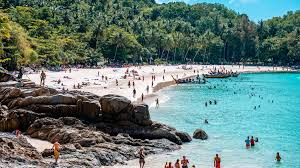 프리덤 비치에서 발생한 비극적인 익사 사고, 푸겜의 안전 문제에 대한 우려를 불러일으키다">

Tragedy Strikes at Phuket’s Freedom Beach
On the morning of November 29, a British tourist lost his life while swimming at one of Phuket’s favorite spots, Freedom Beach. Despite the presence of many visitors enjoying the sea, a sudden forceful wave and rip current swept the 37-year-old man, Jason Mark Lambert from Ipswich, away from the shore. Fellow holidaymakers and local bystanders launched frantic rescue attempts, but regrettably, he could not be revived.
Lambert was swimming close to shore with his wife when the dangerous water conditions caught him around 11:30 AM. Two other swimmers were also caught by the currents simultaneously; however, these individuals were rescued and returned safely to the beach. Witness reports describe how attention was initially diverted to the two visibly distressed swimmers, which delayed notice of Lambert’s peril beneath the waves.
Rescue Efforts and Safety Concerns
Witness Chariya Thaweerat Howells recalled that despite the rough sea and early cries for help, rescue efforts were hampered by the absence of lifeguards and any visible warning signs indicating hazardous conditions. “There were no lifeguards on duty and no red flags to signal danger, even though the waves were obviously strong,” she noted. The beach was relatively isolated, resulting in a 25-minute wait for ambulance services.
Local language barriers further complicated the coordination of rescue efforts, with holidaymakers relying on bystanders to translate and manage chaotic communication.
Incident Details and Official Response
Jason Lambert had been staying nearby at the Nipa Resort in Patong and had previously swum in the waters without incident. Local police confirmed that the drowning appeared accidental after medical examination, and the British Embassy was promptly informed. Lambert’s body was released to family for repatriation and funeral arrangements.
Freedom Beach and Phuket – A Magnet for Tourists
Freedom Beach is well-known among tourists for its pristine coastline and clear blue waters, often attracting visitors seeking a tranquil getaway. Phuket itself has long been a leading destination for beach tourism in Southeast Asia, with its vibrant mix of natural beauty and tourist facilities. However, its open sea and varying coastal conditions can sometimes pose risks that are not always well marked or supervised.
As a destination, Phuket has experienced its fair share of challenges, notably the catastrophic 2004 tsunami which deeply impacted local tourism and economies. Since then, authorities and tourism operators have worked to strengthen resilience and safety across the island’s beaches, yet incidents like Lambert’s death illustrate ongoing vulnerabilities.
Phuket’s Tourism System and the Importance of Safety
The tourism industry in Phuket is highly reliant on the natural environment, including coral reefs and the sea. The region’s resilience to natural disturbances—whether sudden like tsunamis or gradual like coastal erosion—remains critical to maintaining its appeal. The tourism system involves multiple stakeholders, from internationally owned businesses to informal local operators, each playing a role in both service delivery and safety enforcement.
Resilient tourism enterprises on the island have adapted over time to shocks by developing flexible operations and stronger community links. However, beach safety requires continuous improvement in infrastructure, including lifeguard presence and clear hazard warnings, which are essential to protecting visitors.
The Broader Picture: Beach Safety and Tourist Awareness
Beach tourism worldwide shares a common theme of offering sun, sea, and sand—combined with a desire for adventure and relaxation. Yet, the ocean’s unpredictable nature remains a constant risk. Rip currents, sudden waves, and changing tides can take even experienced swimmers by surprise. Safety protocols, including posted warnings and trained lifeguards, are critical to reducing drowning incidents and enhancing visitor confidence.
In many popular coastal destinations, efforts are underway to heighten public awareness among tourists about swimming risks. This involves warning signs in multiple languages, beach flag systems, and encouraging recreational water users to stay within designated safe zones.
Guidelines for Safe Swimming at Popular Beaches
- Always swim near lifeguards. Their presence can make the difference in emergencies.
- Observe warning flags and signs. Red flags signal dangerous conditions; yellow flags indicate caution.
- Be wary of rip currents. If caught, swim parallel to the shore to escape the current’s pull.
- Swim with a buddy. Avoid swimming alone, especially in unfamiliar waters.
- 현지 날씨 및 조수 상태를 확인하십시오. Rough seas increase risks dramatically.
| Safety Concern | Recommended Precaution |
|---|---|
| Rip currents | Swim parallel to the shore if caught; follow lifeguard instructions |
| Strong waves | Avoid swimming during rough sea conditions; heed warning flags |
| Remote beaches without supervision | Do not swim alone; consider alternative supervised beaches |
Forecasting the Impact on Tourism in Phuket
The incident underscores the need to enhance beach safety as tourism continues to grow in regions like Phuket. Despite safety challenges, the island’s allure as a marine and beach destination remains strong, supported by clear waters, vibrant coral reefs, and well-established marinas that cater to boating and yachting enthusiasts.
Tourism experts suggest that investing in improved safety infrastructure is essential not only to protect visitors but to sustain Phuket’s international reputation. This holds particular importance for activities involving sea travel, diving, and sailing, which draw millions of visitors each year.
Continued resilience and adaptive management strategies can help balance growth with sustainability, ensuring that Phuket remains a top choice for water-based tourism including yacht charters, beach leisure, fishing excursions, and sailing adventures.
Conclusion: Enhancing Safety to Preserve Phuket’s Tourism Promise
The tragic drowning on Phuket’s Freedom Beach shines a spotlight on the imperative of rigorous safety measures in coastal tourist destinations. While natural attractions—such as beaches, clear ocean waters, and picturesque marinas—form the backbone of the tourism industry, human safety must remain a priority.
Phuket’s evolving tourism landscape combines traditional attractions with growing water-based activities including boating and sailing, all demanding that safety standards keep pace with visitor numbers. Lessons gained from past incidents can drive improvements that preserve the island’s charm and economic vitality long-term.
For travelers envisioning unforgettable marine experiences, whether through yacht charter, fishing, or beachside relaxation, awareness and respect for sea conditions are vital. Skilled captains, reliable vessel rentals, and informed tourist services help foster not only enjoyment but safety on the water.
To stay informed about the latest news affecting marine and beach tourism, GetBoat.com is the international marketplace that provides access to a wide range of boat and yacht rentals, catering to every taste and budget, ensuring safe and memorable sea adventures across renowned destinations worldwide.