


 한국어
한국어  English (UK)
  Русский
  العربية
  日本語
日本語  Magyar
  Türkçe
  Español
  Čeština
  Svenska
  Português
  Ελληνικά
  Suomi
Suomi  Nederlands
  Română
  Italiano
  Français
  Polski
  Українська
  Deutsch
  简体中文
简体中文  Slovenčina
  빅토리아 앨버트 박물관에서 만나는 희귀한 19세기 필리핀 수채화">

Unveiling Historic Philippine Watercolours
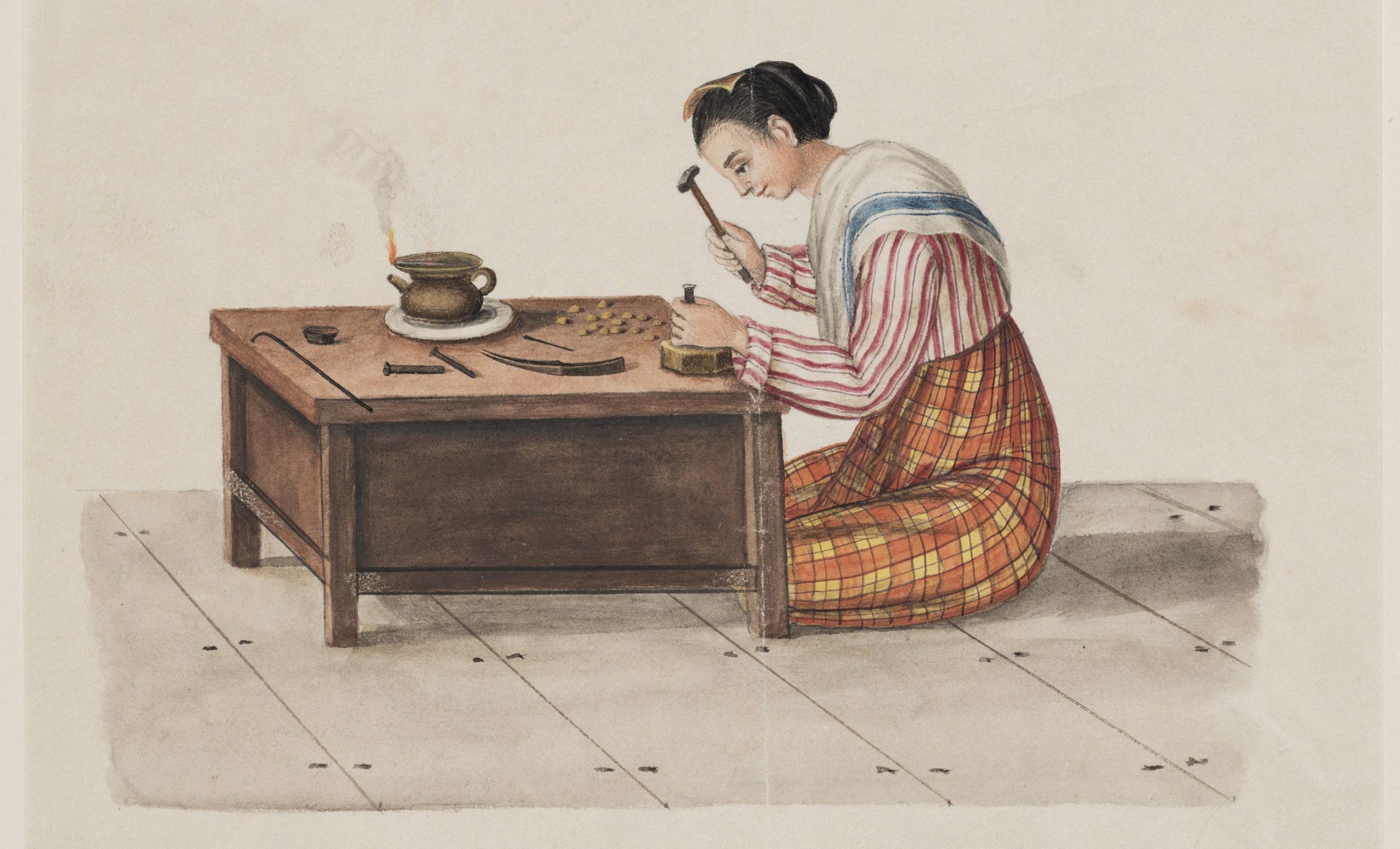
The Victoria and Albert Museum recently brought to light a captivating collection of 19th-century Philippine watercolours. These artworks, including intriguing inscriptions in Tagalog, offer a rare glimpse into Filipino life and identity during the Spanish colonial era in Manila.
Among the watercolours, eight pieces stand out, showcasing figures adorned in what was once termed “costume of Manila,” though the original descriptions showed uncertainty about origins. The presence of native language captions enriched these paintings with lively first-person verses, giving voice and character to the subjects beyond mere costume illustration.
Tipos del País: A Unique Genre
These watercolours belong to a style known as tipos del país, a genre flourishing in 19th-century Manila, portraying everyday local figures in typical dress or social roles. Unlike earlier works that often categorized people superficially using Spanish labels, here the subjects are imbued with personal stories and humor through poetic Tagalog inscriptions.
The style traces its roots to Damián Domingo, a pivotal figure in Philippine painting, recognized as the founder of the first art academy in the country. While many tipos del país were created for commercial or souvenir purposes, these watercolours differentiate themselves by genuinely centering Filipino voices and experiences.
The Artistic Fusion of East and West
The pieces reflect the complex blend of influences that marked 19th-century Manila—from the locally worn mix of native and European clothing styles to the British-imported paper used for the paintings and the Spanish transliterations within the captions. This fusion reveals Manila as a vibrant crossroads of cultures impacted by its colonial past.
The Power of Collaborative Research
Cataloguing these watercolours has been a team effort involving museum departments and external Filipino experts. This collaboration corrected earlier misinterpretations; for instance, a female figure initially mislabeled as selling chestnuts was identified as a betel-nut seller by those familiar with related cultural artifacts.
The Tagalog verses were deciphered with the help of native speakers, enriching the records with authentic local meanings. All sixteen watercolours were then integrated into the online Mapping Philippine Material Culture platform, a global digital inventory of Filipino cultural artifacts, spearheaded by specialist academics.
Academic Insights and New Discoveries
Ongoing research into these watercolours has suggested possible connections to notable Filipino artists such as Justiniano Asunción, a student of Damián Domingo. Moreover, analysis of certain figures highlights the diverse professions of Filipino women in Manila during the 1800s—such as identifying a jeweller among the depicted characters.
This research underlines how multi-voiced approaches deepen the understanding of cultural objects, emphasizing the importance of community involvement in documenting heritage.
A Brief Historical Context
Before the arrival of Spanish colonial rule, the Philippine archipelago was home to various populations with rich indigenous cultures but no centralized state structure. The islands absorbed influences from neighboring Asian empires, but unlike much of Southeast Asia, Hinduism and Buddhism had minimal impact. Instead, the people often lived in extended kinship groups called barangays led by local chieftains.
During Spanish rule beginning in the 16th century, Manila emerged as a colonial capital, developing a unique cultural melting pot. Artistic genres like tipos del país reflected social dynamics influenced by both native traditions and colonial institutions. The watercolours spotlighted reveal not only typical dress but also social roles and nuances of daily life, reflecting the lives of ordinary people amid these shifting influences.
Philippine Art and Global Cultural Flow
The watercolours’ use of imported British Whatman paper from 1835 and their Spanish and Tagalog script mirror the Philippines’ position as a node within international trade and cultural exchange networks. Manila’s watercolour art was thus part of a broader story of colonial-era globalization, where local artisans adapted foreign materials and ideas to express their own identities.
| Aspect | Details |
|---|---|
| Genre | Tipos del país (typical country types) |
| Time Frame | Circa 1840s, Spanish colonial period |
| Medium | Watercolour on British Whatman paper (1835 watermark) |
| Location of Origin | 마닐라, 필리핀 |
| 독특한 특징들 | First-person Tagalog captions with rhyming verse |
The Significance for Cultural Tourism
Discoveries like these Philippine watercolours offer a fresh lens on cultural heritage, inviting audiences to engage with authentic narratives rather than colonial stereotypes. This enriches the cultural tourism experience by providing deeper context and connections to local histories.
For travelers interested in Southeast Asian destinations, understanding these artistic expressions can enhance visits to museums and historic sites, encouraging respectful appreciation of indigenous stories and traditions.
Emerging Cultural Narratives
The resurgence of interest in Filipino historic art forms aligns with broader trends in international tourism, where visitors seek unique and meaningful cultural encounters. These watercolours contribute to the growing recognition of Philippine heritage within global networks, offering new opportunities for cultural exchange and education.
Conclusion: Navigating History and Heritage Beyond the Canvas
This remarkable collection of Philippine watercolours from the Victoria and Albert Museum not only showcases early Filipino artistry but also challenges historic Eurocentric narratives with native voices and perspectives. Through collaborative efforts combining museum expertise and community knowledge, these artworks have been recontextualised to celebrate the rich nuances of 19th-century Manila life.
With their blend of artistic techniques, cultural fusion, and poetic inscriptions, these watercolours highlight the vibrant history of the Philippines as a maritime hub deeply connected to the wider world. For yachting enthusiasts and sailors exploring Southeast Asia, appreciating such cultural treasures adds depth to the journey beyond mere aquatic adventure.
To dive deeper into the vivid culture and history that surround popular boating and beach destinations in the Philippines and beyond, consult resources like GetBoat.com—an international marketplace for renting sailing boats and yachts, ideal for those who seek to combine leisure on clear waters with explorations of heritage-rich marinas and coastal towns.