


 한국어
한국어  English (UK)
  Русский
  العربية
  日本語
日本語  Magyar
  Türkçe
  Español
  Čeština
  Svenska
  Português
  Ελληνικά
  Suomi
Suomi  Nederlands
  Română
  Italiano
  Français
  Polski
  Українська
  Deutsch
  简体中文
简体中文  Slovenčina
 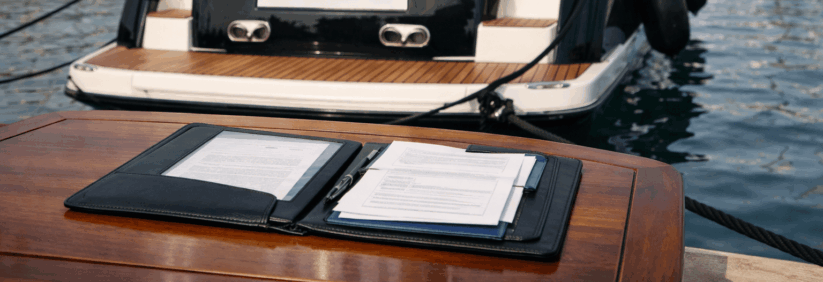 How Flag Choice Affects Mortgage Registration for Yachts">

When a bank funds a vessel purchase, it routinely requires a registered maritime mortgage recorded in a flag registry acceptable to lenders; registries most often relied upon by international financiers include San Marino, UK Part 1 and the Dutch Kadaster, and mismatches between lender demands and flag capability are a leading cause of funding delays.
What a Registered Maritime Mortgage Actually Does
A 해양 mortgage is the formal mechanism by which a lender’s security interest in a yacht is made public and enforceable. Once entered, the mortgage:
- Records the lender’s priority against other creditors
- Protects enforcement rights in case of default
- Prevents transfer of title free of encumbrance without consent
- Creates ownership transparency on official transcripts
Why registry choice matters for lenders
Not every flag state provides an internationally respected mortgage recording system. Banks will often list acceptable registries in term sheets; choosing the wrong flag is like booking a berth in a marina that doesn’t take your paperwork—funds can be held up until everything is squared away. In short: 등록 capability = funding certainty.
Registries Trusted by International Banks
The three registries most frequently used for financed pleasure yachts and commercial vessels are summarized below.
San Marino
San Marino operates a clear and flexible maritime recording system suitable for pleasure yachts (including sub‑24m where applicable) and larger commercial craft. It issues official transcripts showing mortgage entries and lender priority.
United Kingdom — UK Part 1
UK Part 1 is widely regarded as lender‑friendly thanks to full title registration, a public transcript system, and strong legal precedent; international banks often list UK Part 1 as an acceptable registry in loan conditions.
Netherlands — Kadaster
The Dutch Kadaster provides robust legal certainty under Dutch law, formal ownership registration and recognized maritime mortgages; it’s frequently preferred by EU financial institutions for cross‑border clarity.
Quick registry comparison
| Registry | Mortgage Recording | Lender Acceptance | Best For |
|---|---|---|---|
| San Marino | Yes — formal transcripts | High | Flexible pleasure & commercial yachts |
| UK Part 1 | Yes — full title & public transcript | 매우 높음 | International lender preferences |
| Dutch Kadaster | Yes — Kadaster registry | High (EU banks) | EU‑based clarity & legal certainty |
Coordinating Registration, Lending and Closing
Mortgage registration is not a paperwork afterthought—it must be baked into the closing timeline. Typical coordination tasks include:
- Confirming the registries acceptable to the lender
- Preparing corporate and title documentation to registry standard
- Drafting the mortgage deed in compliance with the chosen registry
- Aligning vessel registration and mortgage entry with fund release
- Securing the official transcript that evidences the mortgage
Get these steps out of sequence and you’ll see funding stalls—been there, seen that. Dot the i’s and cross the t’s before the buyer signs.
Role of specialist registrars
Specialist firms like BlueWater Registration Services can coordinate the interplay between bank, buyer, seller, registry and legal counsel. Their work typically covers lender requirement review, registry‑compliant documentation preparation, simultaneous vessel and mortgage filings, and securing official transcripts at closing.
Common Pitfalls to Avoid
- Selecting a flag that does not support formal mortgage recording
- Separating financing decisions from registration strategy
- Incomplete corporate or title chains causing registry rejection
- Late mortgage filing creating priority or enforcement risk
- Underestimating cross‑border enforcement and creditor recognition
When is mortgage registration essential?
Registration is essentially mandatory when a bank finances the purchase, in refinancing, corporate acquisitions involving the vessel, or when the asset value and anticipated international resale make lender security a priority. Even private sales can benefit from registering a mortgage to preserve resale flexibility.
In summary, a properly registered maritime mortgage protects lenders and clarifies title, while choosing the wrong flag or leaving registration to the last minute invites delays and risk. For yacht owners and charter brokers alike, aligning registry, lender expectations and closing timelines is crucial—especially when a yacht will be offered for charter, rent or sale across marinas and Destinations. A well‑handled mortgage registration keeps captains focused on the sea, ops teams on scheduling, and owners on enjoying sunseeker‑style comforts without being bogged down by paperwork.
Key takeaways: ensure the chosen flag supports mortgage registration, coordinate registration with the lender, use registries like San Marino, UK Part 1 or the Dutch Kadaster when required, and employ professional coordination to avoid funding delays. Whether you’re planning to charter, list a yacht for sale, rent a boat on a lake or sea, or operate a superyacht out of marinas in the gulf or ocean, proper mortgage registration safeguards yachting operations, boating activities, and future Destinations — from clearwater beaches and fishing trips to expansive sailing and cruising adventures.