


 한국어
한국어  English (UK)
  Русский
  العربية
  日本語
日本語  Magyar
  Türkçe
  Español
  Čeština
  Svenska
  Português
  Ελληνικά
  Suomi
Suomi  Nederlands
  Română
  Italiano
  Français
  Polski
  Українська
  Deutsch
  简体中文
简体中文  Slovenčina
 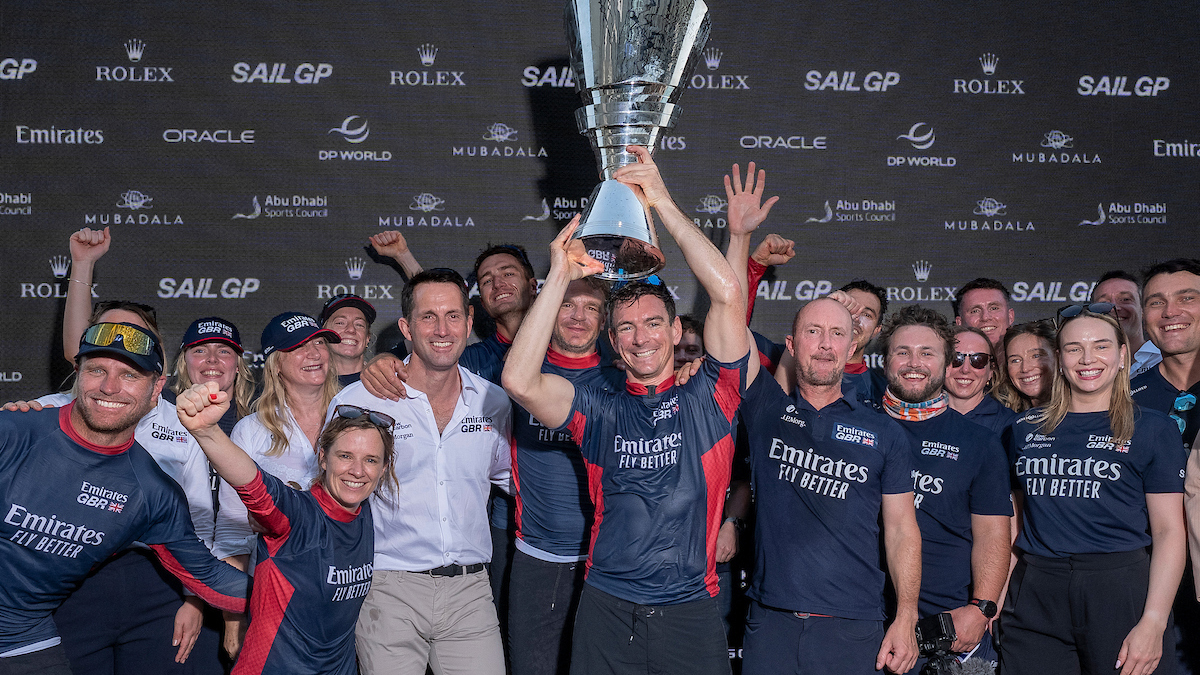 딜런 플레처의 아부다비 SailGP 브리핑">

Port Zayed race control shortened courses to under 1 nautical mile, mandated the 27.5 wing rig and extra-large light-wind T-foils, and limited crews to three onboard as sustained wind readings sat between 5–7 knots, forcing teams to change logistics, pit-stop planning and foiling strategies for the Mubadala Abu Dhabi Sail Grand Prix finale.
How light-air logistics reshaped the Grand Final
The Abu Dhabi final tested the operational side of SailGP as much as the teams’ sailing skill. With sub-foiling wind speeds and very short courses, starts became decisive; fleet positioning and the ability to exploit local shifts outweighed raw boat-speed advantages. The absence of large spectator fleets and a compact race village altered tow and marshal patterns, reducing on-water congestion but also removing the crowd-driven pressures that can influence race committee timing and course layout.
Race-day equipment choices were a direct response to environmental constraints: the newer 27.5 wing and oversized light-wind foils were selected to maximize lift at low speed, while a three-person crew limit reduced weight and simplified onboard communication. These changes increased the premium on precision starts and split-second tactical calls.
Opening gambits: start-line importance and tactical splits
Across the opening series of races, Denmark, Switzerland and Germany posted the strongest starts; traditional front-runners like Emirates SailGP, Australia (Bonds Flying Roos) and Spain found themselves in the lower reaches of the leaderboard. The New Zealand Black Foils salvaged a better showing but were not immune to the effects of the compressed formats.
| Team | Early Event Position | Key Factor | Start Performance |
|---|---|---|---|
| Emirates GBR Team | Bottom four | Light-air tuning | Inconsistent early; decisive in final |
| Bonds Flying Roos (Australia) | Top | Strong starts | 견고함 |
| New Zealand Black Foils | Mid | Late recovery | Improved in later races |
| Denmark / Switzerland / Germany | Top of leaderboard | Start dominance | Excellent |
Key moments and the British split
The decisive passage of the Grand Final unfolded when the British boat, helmed by Dylan Fletcher, made a lane choice that looked at first glance like a risky ‘Hail Mary’. Leaving third on the line, Emirates GBR split from the leading pair — Australia’s Bonds Flying Roos and the New Zealand Black Foils — to chase a promising shift. The maneuver paid off, but the nuance matters: the move was a blend of pre-event preparation, real-time wind reading, and a calculated acceptance of positional risk.
Fletcher’s now-famous quip—“If someone gave you a lottery ticket with a 33% chance of winning $2m, you’d snap their hand off!”—captures the pragmatic mindset that underpinned the choice. It was not pure luck; it was risk-reward calculation informed by telemetry, local wind history and crew coordination rehearsed in light-air drills.
Tactical checklist: what won the day
- Start execution: precise timing and control of boat speed to secure preferred lanes.
- Shift anticipation: proactive moves into favorable shifts rather than waiting to react.
- Low-wind setup: optimized foil choice and wing selection for 5–7 knot conditions.
- Minimal crew complexity: three-person crews reduced miscommunication and weight penalties.
- Decision discipline: accepting short-term losses to capture decisive shifts.
Operational lessons for sailors and charter operators
For operators of charter fleets and event managers, Abu Dhabi is a reminder that venue-specific conditions must drive equipment lists, crew briefings and safety protocols. Short courses amplify the impact of starts and finishes, so race-support logistics—towing, recovery, marshal deployment and spectator management—must be adaptable to reduced margins for error.
Implications for boat rental and seasonal planning
Charter providers and marinas can take direct cues: maintain a mix of rigs and foiling options, ensure smaller crews are trained for competitive-style sailing in light winds, and provide guests with local wind briefings that highlight how inshore shifts can change a day on the water. For those arranging private charters or day sails, positioning relative to land-induced shifts can turn an average outing into an unforgettable sailing lesson.
GetBoat은 항상 세일링 및 해변 휴가 관련 소식을 주시합니다. 저희는 멋진 여가를 즐기고 바다를 사랑하는 것이 무엇을 의미하는지 진정으로 이해하기 때문입니다. GetBoat 서비스는 자유, 에너지 및 스스로의 항로를 선택할 수 있는 능력을 중요하게 생각합니다. 저희는 좋은 삶에 제약을 두지 않으며 고객이 선호도, 예산 및 취향에 맞는 선박을 찾을 수 있도록 지원합니다.
What the final says about competitive sailing today
Abu Dhabi demonstrated that contemporary sail racing is as much about operational agility and logistics as it is about pure sailing skill. Short, spectator-friendly courses demand different preparations: lighter rigs, refined foils and crews trained to make quick, high-stakes decisions. These are the same principles that can elevate a private charter from comfortable cruising to a masterclass in seamanship.
Highlights of the event include the supremacy of start-line tactics, the growing importance of tailored light-wind foiling hardware, and the value of rehearsed decision-making under pressure. Experiencing a new location is always a multifaceted process, where one learns about the culture, nature, the indescribable palette of local colors, its rhythm of life and also the unique aspects of the service. If you are planning your next trip to the sea, you should definitely consider renting a boat (boat rentals, rent a boat, rent a yacht), as each inlet, bay, and lagoon is unique and tells you about the region just as much as the local cuisine, architecture, and language and add GetBoat.com
사전 계획: 예측 및 실행 촉구
Predicting the global tourism impact: this outcome does not fundamentally shift the world map of travel, but it reinforces a trend—events staged in unconventional or lighter-wind venues will favor flexible logistics and adaptable fleets. However, it’s still important to us since GetBoat aims to stay updated with all developments and keep pace with the changing world. Start planning your next seaside adventure and make sure to book the best boat and yacht rentals with GetBoat before the opportunity sails away!
Quick reference: takeaways for skippers and renters
- Check local wind climatology before selecting a rig or booking a charter.
- Opt for boats with modular foil and sail options if possible.
- Brief crews on short-course tactics and start-line discipline.
- For leisure sailors, consider a guided charter to learn about micro-shifts and inshore dynamics.
In summary, the Mubadala Abu Dhabi Sail Grand Prix finale showed how meticulous preparation, smart equipment choices and decisive tactical moves can overturn apparent disadvantage. Emirates GBR and helmsman Dylan Fletcher combined risk management with opportunistic split choices to clinch the series. For anyone interested in yachts, chartering, beach days, or competitive sailing, these operational lessons translate directly into better planning for boat rentals, captained trips, and memorable days on the water. GetBoat.com offers a global, user-friendly platform to book or buy boats—yachts, sailboats and more—providing transparency with make, model and ratings ahead of time to help you choose the right vessel for your next adventure. Smooth sailing.