


 한국어
한국어  English (UK)
  Русский
  العربية
  日本語
日本語  Magyar
  Türkçe
  Español
  Čeština
  Svenska
  Português
  Ελληνικά
  Suomi
Suomi  Nederlands
  Română
  Italiano
  Français
  Polski
  Українська
  Deutsch
  简体中文
简体中文  Slovenčina
 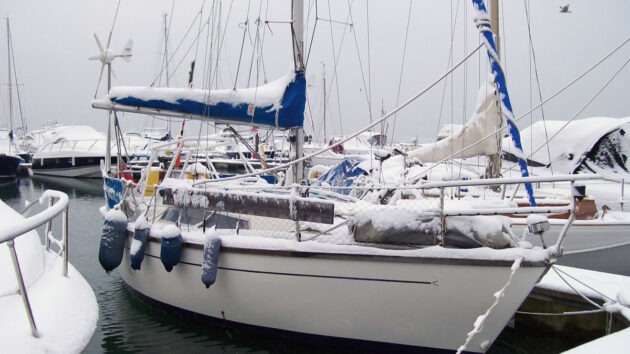 How insulating a Cobra 850 turned a damp boat into a cosy home">

Rising marina electricity costs and limited berth storage prompted a practical retrofit: insulating a 28ft Cobra 850 to cut condensation, lower heater use and improve liveaboard comfort during winter.
The operational problem: condensation, heating and limited space
Condensation on small craft is both a comfort and maintenance issue: damp cushions, mildewed vinyl and perished foam not only reduce habitability but accelerate interior decay. On a compact vessel like a 28ft Cobra 850, the combination of hull temperature differentials, leaky windows and limited ventilation creates persistent moisture problems. With electric heating bills climbing beyond practical limits at the marina, a targeted insulation strategy was chosen to reduce reliance on continuous heating and to address the root cause—surface temperature differences that cause water vapor to condense.
Materials and logistics chosen for the retrofit
The retrofit used a blend of rigid and flexible materials to match curved hull lines and confined cavities: 25mm and 50mm foil-backed Celotex boards, foil-lined bubble wrap, UPVC tongue-and-groove cladding for internal finishes, Sikaflex adhesive and aluminium tape for joint sealing. Where heavy, rigid panels were impractical, multi-layer bubble wrap offered a lightweight, flexible alternative.
| Material | Typical Thickness | Pros | Cons | Best Use |
|---|---|---|---|---|
| Celotex (foil-faced) | 25–50mm | High thermal resistance, rigid, easy to tape/seal | Waste on curved surfaces, cutting required | Flat or gently curved panels, behind lockers |
| Foil-lined bubble wrap | Multi-layer thin | Flexible, lightweight, follows curves, quick install | Lower R-value per mm, needs careful sealing | Deckheads, cramped spaces, between floors |
| UPVC cladding | Hollow 300mm strips | Flexible, wipe-clean finish, mimics painted wood | Can appear synthetic if overused | Interior linings, curved hull panels |
| Spray foam | Variable | Seals irregular cavities, high R-value | Expensive, messy, not ideal for retrofit around furnishings | Full refits or gutted interiors |
Step-by-step retrofit workflow
The approach prioritised areas with the worst condensation first. Work followed this sequence: strip damp linings, clean and dry hull substrates, fix battens where panels were required, apply sealed rigid insulation where flat surfaces allowed, then finish with UPVC cladding or vinyl panels. For narrow or contoured zones, foil bubble wrap was bonded with spray adhesive and sandwiched under plywood or carpet substrate.
Key installation details
- Seal joints meticulously: aluminium tape and vapour-proof polythene between rigid insulation and interior cladding are crucial to prevent interstitial moisture.
- Fastening: use battens and screws of appropriate length; overdriven screws can risk puncturing hull skins or creating leaks.
- Window repairs: replace or reseal perished mastic and polish Perspex to restore visibility and reduce draughts.
- Ventilation: pair insulation with controlled ventilation to prevent trapped humidity; insulation alone is not a cure-all.
Practical outcomes and maintenance gains
After insulating hull panels, replacing leaky window seals and relining the deckhead, the boat interior stopped forming damp bedding overnight and felt thermally more stable. The work reduced the need for continuous electric heating and the dehumidifier use, lowering operating costs and improving liveaboard morale. Vinyl and UPVC finishes also simplified cleaning and reduced mildew growth on exposed surfaces.
Lessons for owners and charter operators
For owners who rent or charter their vessels, reducing condensation has clear operational advantages: fewer maintenance call-outs, longer upholstery life, lower energy use between charters and improved guest comfort. Similar retrofit practices are applicable to many small cruisers and even some larger 요트 cabins used in short-term charters.
Choice of insulation — pros, cons and recommendations
When selecting insulation, avoid products that absorb water. Closed-cell rigid boards such as 25mm Celotex are widely available from builders’ yards and offer good thermal performance. However, for tight curves and limited access zones, multiple layers of foil bubble wrap can be faster to install and produce less waste. Always incorporate a vapour barrier and seal joints; improper installation can trap water and create new problems.
Top tips for winter liveaboard or charter readiness
- Plan major improvement work when the boat is out of the water; haul-out offers easier access and safer working conditions.
- Install a cockpit cover or tarpaulin to reduce rain ingress and protect the entrance from wind-driven spray.
- Electric towel rails and dedicated drying zones help keep heads and cabins dry between charters or outings.
- Insulate early to avoid steep heating bills—most boats are designed with summer use in mind, not extended winter occupation.
GetBoat always keeps an eye on news related to sailing and seaside vacations, as we truly understand what it means to enjoy great leisure and love the ocean. The platform values freedom, energy and the ability to choose your own course, placing no limits on a good life and helping clients find a vessel to suit their preferences, budget and taste.
Highlights: insulating a small cruiser like the Cobra 850 delivers measurable comfort improvements and reduced running costs; re-sealing windows and choosing flexible finishes such as UPVC cladding or foil bubble wrap make retrofits viable without full gutting; and owners who charter or rent their craft will see lower maintenance demands and better guest satisfaction. Experiencing a new location is always a multifaceted process where one learns about the culture, nature, the indescribable palette of local colours, its rhythm of life and also the unique aspects of the service. If you are planning your next trip to the sea, you should definitely consider renting a boat (boat rentals, rent a boat, rent a yacht), as each inlet, bay, and lagoon is unique and tells you about the region just as much as the local cuisine, architecture, and language GetBoat.com
Forecast and planning: this kind of retrofit is locally significant rather than a global upheaval for tourism, but it matters a great deal to liveaboard communities and small-scale charter operators who rely on low downtime and high guest comfort. Start planning your next seaside adventure and make sure to book the best boat and yacht rentals with GetBoat before the opportunity sails away!
Summary: insulating your boat addresses condensation, improves comfort and reduces energy use, whether you live aboard or run short-term charters. Key actions include choosing non-absorbent insulation (25mm Celotex or layered foil bubble wrap), installing a vapour barrier, resealing windows, and finishing with flexible cladding for curved hulls. Proper insulation benefits upholstery longevity, lowers running costs and enhances guest experience on yachts, charters and smaller boats. For those searching for the right vessel—be it a sailboat for a secluded beach weekend, a superyacht experience, or a clearwater fishing trip—platforms like GetBoat.com offer transparent listings of make, model and ratings to help you select and book with confidence. Find your course and rent the perfect boat today.