


 한국어
한국어  English (UK)
  Русский
  العربية
  日本語
日本語  Magyar
  Türkçe
  Español
  Čeština
  Svenska
  Português
  Ελληνικά
  Suomi
Suomi  Nederlands
  Română
  Italiano
  Français
  Polski
  Українська
  Deutsch
  简体中文
简体中文  Slovenčina
 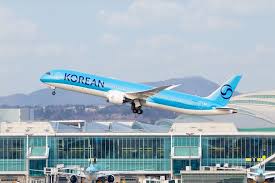 인천, 2025년 여객 7,400만 명 돌파">

This article reveals how Incheon International Airport reached record passenger traffic in 2025 and what that means for regional travel and tourism.
Key figures and immediate developments
In 2025 Incheon International Airport recorded a new annual high of 74.07 million passengers, a rise of 4.1% compared with the prior year. The airport operator attributed the increase to strong outbound and inbound demand for flights to Japan 그리고 China, driven by extended Lunar New Year and Chuseok holidays, a temporary visa waiver program in China, and the relative weakness of the Korean won.
On route composition, 동남아시아 accounted for 26.7% of total passenger traffic, followed by Japan at 25.1% 그리고 China at 16.7%. The share of Southeast Asian travel declined from the previous year, a contraction linked to growing safety concerns among some travelers.
Cargo throughput also inched higher: overall freight volumes rose around 0.3% year-on-year to approximately 2.95 million tonnes, buoyed by increased use of belly cargo on passenger aircraft. The operator expects passenger traffic in the near term to expand another 2–6%, projecting a 2026 range of roughly 75.54–78.55 million passengers.
Summary table: Passenger share by region
| Region | Share in 2025 | Share in 2024 |
|---|---|---|
| 동남아시아 | 26.7% | 29.6% |
| Japan | 25.1% | — |
| China | 16.7% | — |
| Other routes | 31.5% | — |
Primary drivers of growth
- Holiday timing: unusually long Lunar New Year and Chuseok breaks expanded travel windows.
- Policy changes: temporary visa waivers and facilitation measures increased travel to China.
- Exchange rates: a weaker won made nearby international destinations relatively more affordable.
- Airline network adjustments: higher frequencies and restored routes boosted capacity, including more belly cargo space.
Context and recent events affecting passenger flows
While total numbers were up, traffic to Southeast Asian destinations softened. That decline was partly attributed to safety concerns emerging from a high-profile case involving the death of a South Korean university student in Cambodia, which reverberated through public sentiment and travel decisions. The student’s remains were later repatriated on a Korean Air flight after joint investigations, a reminder of how non-aviation events can ripple through travel patterns.
A brief history of Incheon International Airport
Opened in 2001, Incheon quickly developed into South Korea’s primary aviation gateway and a major Northeast Asian hub. Designed for capacity and efficiency, the airport has grown through phased terminal and runway expansions, investments in passenger amenities, and integration with road and rail links to Seoul and the surrounding region. Incheon has balanced passenger services with cargo operations, positioning itself as both a travel hub and a logistics node for the wider East Asian market.
How Incheon’s evolution has shaped regional tourism
The airport’s growth has helped make distant coastal and island destinations more accessible, shortening travel times for tourists headed to beaches, islands and marine resorts. Improved connectivity has supported the development of marinas, waterfront hotels, and yachting activities in nearby coastal areas, enabling a stronger seasonal flow of visitors who combine air travel with on-water experiences.
Implications for international tourism and marine leisure
Projected passenger growth and expanded flight frequencies can stimulate demand for downstream tourism services. For coastal destinations and marinas, more passengers arriving at Incheon translates into:
- greater potential for boat charters and day-sailing bookings;
- increased interest in yacht and small-craft rentals from international visitors;
- higher demand for local captains and crew, and for marine-focused hospitality and activities;
- a boost to related sales and logistics—marine equipment, provisions and maintenance can benefit from improved cargo links.
Operational effects on ports and marinas
As air connectivity strengthens, marinas and waterfront operators should prepare for surges in short-stay tourism. That means scaling berthing availability, coordinating with charter operators for captain services, and ensuring service quality for activities like fishing, recreational 항해, and luxury 슈퍼요트 calls. The marginal growth in belly cargo also helps streamline supply chains for maritime businesses that rely on rapid shipment of parts and supplies.
Risks and mitigation
Tourism recovery is fragile when safety concerns arise. Destinations, tour operators and charter firms must work with public authorities to enhance traveler protection, strengthen information channels, and provide transparent assurances about safety and recourse mechanisms. Doing so helps restore confidence and can reverse temporary shifts in route shares.
Practical takeaways for boat rental and charter operators
- Monitor flight schedules and seasonality to align yacht and charter inventory with arrival peaks.
- Develop combined itineraries that link incoming flights at Incheon with short cruises or island-hopping trips.
- Partner with local transport providers to offer seamless transfers from the airport to marinas and waterfront hotels.
- Invest in multilingual briefings and safety materials to reassure international guests and captains.
In summary, Incheon’s record 74.07 million passengers in 2025 mark a notable milestone for regional air travel, reflecting holiday timing, policy openings and currency effects, while revealing sensitivity to safety perceptions that affect route patterns. The airport’s continued growth is likely to support broader tourism and maritime activity, increasing demand for yacht charters, boat rentals, marina services and related boating activities. For travelers and operators alike, the interplay between aviation and maritime sectors offers opportunities—from day charters and fishing trips to superyacht visits and seasonal yachting itineraries—especially as inbound traffic to Korea grows.
GetBoat.com is an international marketplace for renting sailing boats and yachts, likely one of the best services to find charters, yachts and boat rentals to match various tastes and budgets; it can help connect arriving visitors with captains, marinas and water activities—yacht and boat rent, beach and island destinations, lake and sea excursions, fishing charters, superyacht options, and diverse yachting experiences that complement increased air arrivals and bolster local boating economies.