


 한국어
한국어  English (UK)
  Русский
  العربية
  日本語
日本語  Magyar
  Türkçe
  Español
  Čeština
  Svenska
  Português
  Ελληνικά
  Suomi
Suomi  Nederlands
  Română
  Italiano
  Français
  Polski
  Українська
  Deutsch
  简体中文
简体中文  Slovenčina
 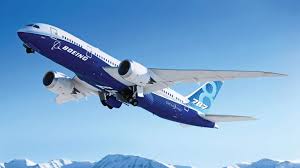 Delays in Boeing 777X Push Company to $5.4 Billion Third Quarter Loss">

항공기 지연으로 인한 재정적 차질
보잉은 최근 막대한 손실을 발표했습니다. 54억 달러 3분기에, 주로 인증 및 배송 차질과 관련하여 777X 항공기. 이러한 지연으로 인해 49억 달러의 일회성 비용이 발생했으며, 상업용 항공기 인도는 2027년으로 연기되었습니다. 이는 보잉의 17분기 연속 손실이지만, 상업용 항공기 인도의 급증에 힘입어 매출은 30% 증가한 233억 달러를 달성했습니다.
777X 인증 절차가 지연되면서 보잉은 차기 인증 비행 단계를 당초 계획보다 늦춰 2027년으로 연기해야 했다. 회사 관계자들은 이러한 지연이 규제 요건 충족을 위한 추가적인 사전 분석 필요에서 비롯된 것이라고 밝혔다.
운영상의 어려움 및 진행 상황
보잉 경영진은 다음을 강조했습니다. 미국 연방 항공국‘의 최근 월간 생산량 증가 승인 737 MAX 이는 진전의 고무적인 신호로 여겨집니다. 그럼에도 불구하고, 회사는 737 MAX 모델과 관련된 치명적인 사고 및 그에 따른 규제 강화 등 과거 문제로부터 완전히 회복하려면 아직 더 많은 노력이 필요하다고 인정했습니다.
777X 지연은 실망스럽지만, 보잉은 해당 항공기가 비행 테스트에서 계속 좋은 성능을 보이고 있다고 언급했습니다. 운영 안정화를 위한 회사의 노력에는 3,000명이 넘는 근로자들이 계약 제안을 거부하여 비상 대책과 대체 숙련공 채용 가속화를 촉발한 세인트루이스 방산 시설의 노동 파업을 헤쳐나가는 것이 포함되었습니다.
Boeing 대 Airbus: 시장 점유율 및 수주 잔고
보잉은 지속적인 어려움에 직면해 있지만, 시장 모멘텀을 일부 회복했습니다. 9월 말 기준으로 보잉은 2025년 순주문 774건을 확보하여 514건을 보고한 경쟁사 에어버스를 앞질렀습니다. 이러한 변화는 에어버스가 순주문에서 뚜렷하게 앞섰던 이전 해에 이은 것입니다.
| Company | 순주문 (9월 말) | 전년 대비 비교 |
|---|---|---|
| 보잉 | 774 | 272 (전년) |
| 에어버스 | 514 | 648 (전년) |
한편, 에어버스는 보잉의 일시적인 주문량 우위에도 불구하고 141%의 이익 증가와 함께 견조한 재무 결과를 계속 보고하고 있습니다. 경쟁 환경은 다양한 무역 및 규제 요인에 의해 영향을 받으며 여전히 치열합니다.
777X 프로그램의 역사적 맥락
보잉 777X는 진보된 광폭 동체 상업용 제트기로, 장거리 항공 운송 수요 증가에 부응하기 위해 설계되었습니다. 당초 2020년대 중반에 상용화될 것으로 예상되었으나, 특히 FAA 규정 준수와 관련하여 인증 문제와 기술적 난관으로 어려움을 겪고 있습니다.
2020년에 보잉은 이미 더딘 인증 절차로 인해 777X 프로그램에 대해 65억 달러의 비용을 충당했으며, 가장 최근의 지연으로 인해 일정은 더욱 늦춰졌습니다. 777X 프로그램은 초기 생산 증대 단계에서 현금 흐름을 소진할 것으로 예상되며, 2029년경에 긍정적인 현금 흐름이 발생할 것으로 예상됩니다.
노동 문제 및 생산 안정성
세인트루이스 파업으로 인해 보잉의 방위 사업 운영에 추가적인 압박이 가해지고 있습니다. 회사 측은 대체 인력을 고용하고 일부 노조원들이 피켓 라인을 넘어 근무하도록 장려함으로써 파업 이전 수준에 가깝게 생산량을 유지하며 비상 계획이 효과적이라고 밝혔습니다. 그러나 노조 대표들은 정밀 항공우주 제조에 필수적인 고도의 숙련되고 경험이 풍부한 직원을 대체하는 것은 위험을 초래할 수 있다고 경고합니다.
항공 및 관광 관련 운송에 미치는 영향
777X와 같은 주력 항공기 프로그램의 지연은 항공 및 관광 산업 전반에 걸쳐 파급될 수 있습니다. 신규 항공기 출시 연기는 항공사의 항공기단 업그레이드 및 확장 계획에 영향을 미치고, 궁극적으로 주요 글로벌 노선의 항공 운송 능력에 영향을 미칩니다. 이러한 속도 저하는 여행객의 선택 폭을 제한하고 승객 편의성 및 운영 효율성 향상을 지연시킬 수 있습니다.
해양 관광에 종사하며 항해 목적지나 보트 활동으로의 원활한 연결을 추구하는 여행객에게 안정적인 항공 운송은 매우 중요합니다. 항공기 이용 가능 지연은 여행 패턴을 변경하여 해안 공항 도착에 영향을 미치고 요트 전세 예약 및 기타 수상 레저 여행 옵션에 간접적인 영향을 미칠 수 있습니다.
앞을 내다보며: 항공 산업 전망과 관광에 미치는 영향
보잉이 지속적인 어려움에 직면해 있지만, 국제 여행 수요 회복과 새로운 항공기 투입으로 항공 부문은 계속 확장될 것으로 예상됩니다. 인증 지연은 안전 및 규정 준수가 가장 중요하지만 시간 제약을 크게 늘릴 수 있는 현대 항공기 개발의 복잡성을 강조합니다.
- 예상 777X 인도: 2027년부터 시작하여 2029년까지 점진적으로 확대
- 매출 성장: 상업용 항공기 인도량 증가에 힘입어
- 노사 관계: 노사 협상에 있어서의 지속적인 난제
이러한 역학 관계는 항공우주 기업들이 혁신, 안전, 생산 능력을 균형 있게 유지하면서 계속해서 주목할 부분이며, 이는 해양 및 해안 여행 경험 수요를 포함한 국제 관광 흐름에 직간접적인 영향을 미칩니다.
결론
최근의 재무 결과는 보잉에 대해 복잡한 상황을 드러냅니다. 즉, 777X의 인증 절차 지연으로 인해 상당한 손실을 입었지만, 운영 안정화와 시장에서의 경쟁적 회복력의 조짐을 보이는 회사입니다. 777X의 2027년까지의 추가 지연과 노동 파업으로 인한 지속적인 어려움은 업계의 기대치를 계속 형성하고 있습니다.
활발한 항공 연결성에 의존하는 인기 요트 및 보트 허브를 포함한 목적지의 경우, 이러한 개발은 글로벌 여행 인프라가 얼마나 상호 연결되어 있는지를 상기시켜 줍니다. 업계가 적응함에 따라 여행자와 운영자 모두 진화하는 가용성 및 운송 옵션에 유연하게 대처해야 합니다.
GetBoat.com 세일링 보트 및 요트 렌트에 관한 국제적인 마켓플레이스를 제공하며, 다양한 취향과 예산에 맞는 종합적인 플랫폼을 제공합니다. 보잉의 진행 상황과 같은 항공 뉴스를 주시하면 전 세계의 전세 가용성, 마리나 활동 및 요트 여행에 영향을 미칠 수 있는 여행 습관의 변화를 예상하는 데 도움이 됩니다.