


 한국어
한국어  English (UK)
  Русский
  العربية
  日本語
日本語  Magyar
  Türkçe
  Español
  Čeština
  Svenska
  Português
  Ελληνικά
  Suomi
Suomi  Nederlands
  Română
  Italiano
  Français
  Polski
  Українська
  Deutsch
  简体中文
简体中文  Slovenčina
 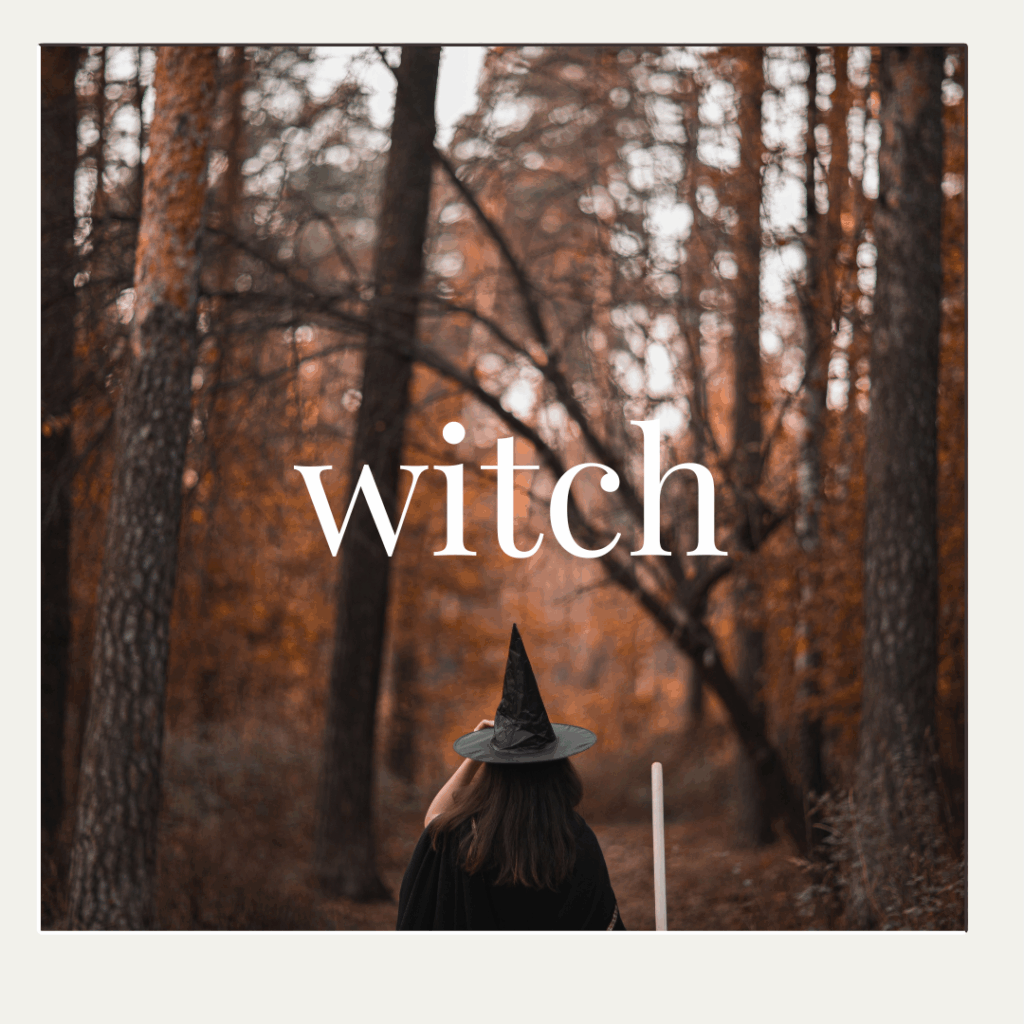 엑서터에서의 마녀craft의 역사와 의미 공개">

The Historic Context of Witchcraft Accusations in Exeter
Exeter holds a significant place in history as the last site in England where public executions for witchcraft were carried out. In 1682, three women—Temperance Lloyd, Susannah Edwards, and Mary Trembles—were executed, marking a grim end to a chapter marked by fear and societal anxiety over female autonomy. These events encapsulate centuries of suspicion directed especially at women, whose independence and power threatened established social orders.
The label ‘witch’ historically symbolized much more than alleged magical practices. It represented a deep unease with women who defied traditional societal roles—those who were unmarried, outspoken, economically independent, or sexually autonomous. Witchcraft accusations often targeted those who lived outside patriarchal expectations and thus challenged the controlling narratives of their time.
The Symbolism and Societal Fear Surrounding Witches
During both the Protestant Reformation and the Catholic Inquisition, witchcraft was condemned as heresy, often accompanied by lurid stories involving the witches’ sabbath and imagined immoral acts. These narratives painted women as dangerously transgressive figures who rejected the domestic sphere and threatened the prevailing social order with unchecked femininity.
The broomstick—a traditional domestic tool—became a potent symbol in this framework, representing the feared escape of feminine power from patriarchal control. The dominant culture demonized such autonomy, revealing a core anxiety about women who refused containment within prescribed roles.
Patterns of Accusation and Control
- Women accused were often those lacking male protectors—widows and unmarried women.
- Accusations functioned as tools to reinforce female subjugation and preserve male dominance.
- Positions of knowledge and spiritual authority held by women were frequently met with suspicion and branded as witchcraft.
These accusations were less about actual practices and more about controlling social and gender hierarchies, with the threat of witchcraft serving as a powerful mechanism to uphold patriarchal structures.
Historical Overview of Witch Trials and Their Decline
Witchcraft persecutions spread through Europe and colonial America, influenced heavily by religious and political forces. However, this dark period waned by the late 17th century due to a combination of increasing skepticism, the rise of centralized courts that imposed stricter regulations on trials, and broader cultural shifts.
Legal reforms—such as those brought by inquisitorial courts and supreme bodies like the Parlement of Paris—introduced safeguards that made witch trials more difficult to pursue, reasoning that accusations were often fueled by personal vengeance or community rivalries more than actual maleficence.
Despite their decline, the causes of witch hunts remain complex and debated. Many scholars find no clear link between witch hunts and socio-economic upheavals or political strategies but agree on one point: the overwhelming majority of accused witches were women, highlighting the gendered dimensions of these persecutions.
The Enduring Power of the Witch Archetype
While the lethal witch hunts ceased, the image of the witch endured, becoming intertwined with cultural conceptions of female power, sexuality, and resistance. Today, this archetype is being reclaimed by many as a symbol of empowerment, turning a once-dreaded identity into a celebration of autonomy and solidarity.
The Significance of Witchcraft History in Contemporary Culture and Tourism
Understanding the historic fear and oppression associated with witchcraft provides broader insights into how societies have combated perceived threats to normative power structures. This legacy is increasingly relevant as modern movements challenge lingering stereotypes about women and authority.
Sites of historic witch trials like Exeter offer compelling narratives for cultural tourism, connecting visitors to profound stories of resilience and societal evolution. Such historical reflections enrich cultural landscapes and invite deeper engagement with history beyond surface-level sightseeing.
| Date | 이벤트 |
|---|---|
| 16th-17th Centuries | Peak of witch trials and executions in England |
| 1682 | Execution of the last witches in Exeter |
| Late 17th Century | Gradual decline of witch hunts due to legal reforms and skepticism |
Table: Common Traits of Those Accused of Witchcraft
- Women who were widowed or unmarried
- Those economically independent or outspoken
- Female spiritual leaders or healers
- Individuals perceived as threatening patriarchal norms
Looking Ahead: The Role of History in Tourism and Cultural Identity
The history of witchcraft accusations plays a nuanced role in tourism by offering destinations a narrative of historical conflict and gender dynamics. Travelers interested in cultural heritage gain richer experiences when engaging with sites that explore these layered stories.
As tourism increasingly embraces themes of empowerment and historical justice, museums and exhibitions focused on such legacies inspire reflection and dialogue, deepening appreciation of local and global histories.
For regions known for their coastal charm and vibrant sailing communities, integrating such historical narratives with maritime tourism can create unique, multidimensional travel experiences. Exploring the past through local landmarks offers visitors an enriched sense of place, complementing the physical allure of beaches, marinas, and ocean breezes.
To explore a wide array of destinations that combine rich cultural stories with the thrill of water activities, sailing, and yacht charters, visit GetBoat.com—an international marketplace offering a variety of boat rentals and sailing experiences tailored to every taste and budget. Whether you are navigating the sea or delving into the layers of history onshore, this platform connects travelers with unique adventures and unforgettable memories.