


 한국어
한국어  English (UK)
  Русский
  العربية
  日本語
日本語  Magyar
  Türkçe
  Español
  Čeština
  Svenska
  Português
  Ελληνικά
  Suomi
Suomi  Nederlands
  Română
  Italiano
  Français
  Polski
  Українська
  Deutsch
  简体中文
简体中文  Slovenčina
  여행자가 알아야 할 2026년 EU 입국 및 비자 제도">

Introduction to the New EU Travel Frameworks
Starting in 2026, travellers heading to European Union countries will encounter two significant systems aimed at modernizing border control and travel authorizations: the EU Entry/Exit System (EES) and the European Travel Information and Authorisation System (ETIAS). These reforms are set to streamline and secure travel across much of Europe, a change every visitor must understand before packing their bags.
The EU Entry/Exit System (EES): Digital Border Control
Understanding the EES
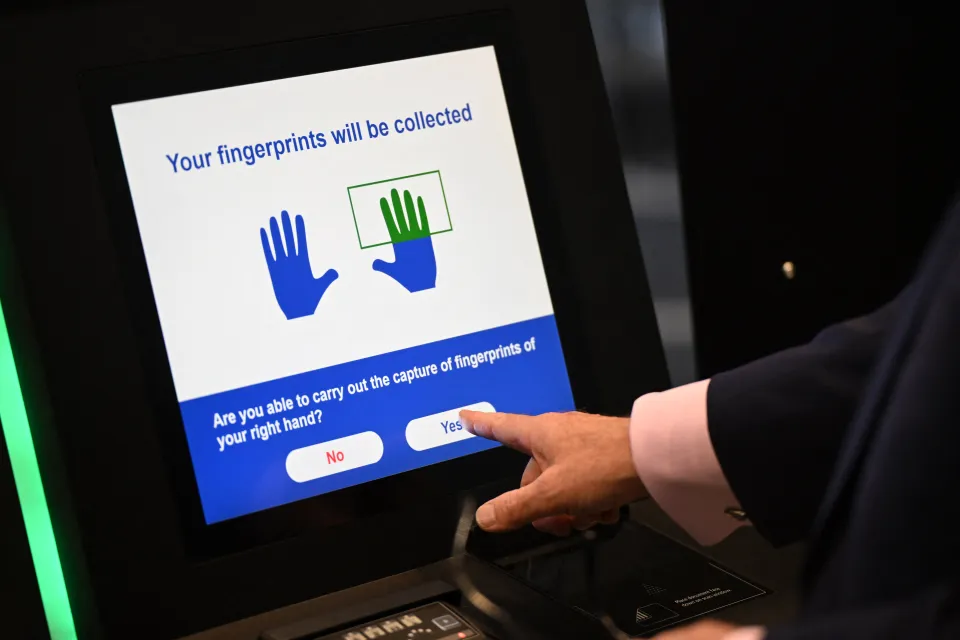
The EES came into effect in October 2025 and introduces a digital process for tracking non-EU nationals’ entries and exits within the Schengen Area and other associated countries. Travelers will no longer have their passports stamped manually; instead, biometric data such as fingerprints and photographs will be collected upon arrival at border kiosks.
This biometric verification process is designed to be fast—taking roughly 2-3 minutes—and will ask travellers a few straightforward questions about their trip, including the purpose of visit and accommodations. Once registered, biometric data are stored anonymously for three years, facilitating quicker border crossing for future trips within this period.
Who Needs to Comply with EES?
The system applies primarily to non-EU nationals visiting for short stays—defined as up to 90 days within any 180-day period—including all British nationals. Children under 12 are exempt from fingerprinting. This system is rolled out across airports, ferry terminals, Eurostar, and Eurotunnel crossings in the participating countries.
Benefits and Rationale
The EES enhances border security and improves efficiency through digital automation, reducing queues and wait times at border points. It replaces the traditional passport stamping method with a more reliable tracking system overstay violations.
Participating Countries
| Schengen and Associated Countries |
|---|
| Austria, Belgium, Bulgaria, Croatia, Czechia, Denmark, Estonia, Finland, France, Germany |
| Greece, Hungary, Iceland, Italy, Latvia, Liechtenstein, Lithuania, Luxembourg |
| Malta, Netherlands, Norway, Poland, Portugal, Romania, Slovakia, Slovenia, Spain, Sweden, Switzerland |
Note: Ireland and Cyprus are excluded as they are outside the Schengen system.
ETIAS: The New Pre-Travel Authorisation
What is ETIAS?
ETIAS acts like a pre-travel visa waiver, required for nationals from visa-exempt countries who wish to visit the Schengen Area and other participant nations. It functions similarly to the U.S.’ ESTA system, linking the authorisation directly to the traveller’s passport, valid for up to three years or until the passport expires.
How to Apply
Applications are submitted online via the official ETIAS portal, designed to be straightforward, typically taking just a few minutes, although approval can take up to 30 days. A fee of €20 applies, waived for applicants under 18 or over 70.
Who Needs ETIAS?
Anyone from a visa-exempt country planning to visit the participating European countries will need to secure ETIAS approval before travel, including all British citizens.
When Does ETIAS Start?
The system is set to launch in late 2026, with an exact date announced closer to implementation.
Comparing the EES and ETIAS Systems
- EES: Biometric system at borders for identity verification during entry and exit.
- ETIAS: Online pre-travel authorisation or visa waiver required before arrival.
Together, they enhance security, speed up checks, and modernize travel within the EU and Schengen countries.
Historical Context and Implications for International Travel
These updates are part of a continued evolution of European border management following decades of increasing mobility within the EU. The Schengen Agreement originally abolished internal borders for member countries, promoting seamless travel. However, growing security concerns and migration have spurred the adoption of sophisticated systems like EES and ETIAS to maintain freedom of movement while ensuring safety.
Historically, passport and visa systems have seen frequent reforms to balance security demands with tourism facilitation. The standardization of passports in 1980 by the International Civil Aviation Organization marked a major step in travel liberalization globally, followed by visa regimes such as Schengen which pioneered regional free travel.
These new systems signify a digital leap, harnessing biometrics and advance data processing to not only safeguard borders but also to cater to the increasing volumes of international travelers. As the world embraces digitalization, travellers visiting Europe will enjoy a blend of security and efficiency previously unattainable through manual processes.
Forecast on the Influence of These Rules on Tourism and Boating Activities
For leisure markets – including those interested in 요트, charters, and seaside adventures – these travel reforms can translate to smoother entry processes and less time lost in border formalities. Regions with bustling 마리나 그리고 해변 stand to gain as tourist flows may increase with more predictable, secure border control.
Accessing popular coastal 그리고 lake destinations by boat or waterfront activities is likely to become easier when these frameworks work at full capacity, benefiting captains and leisure sailors alike. The clarity provided by the ETIAS authorization and swift EES scans reduces uncertainties for international 요트인 crossing borders.
Summary and How to Prepare for Your 2026 EU Journey
As 2026 approaches, travellers should familiarize themselves with the requirements of both EES and ETIAS:
- Non-EU residents on short trips will use the digital border system, registering biometric data on arrival.
- Visa-exempt visitors must apply online for ETIAS travel authorisation prior to their European travels.
- The systems expedite border procedures while enhancing security across participating countries.
- Preparation ahead of your trip means smoother sailing—literally and figuratively—especially if planning visits to 바다 destinations and involved in boating 또는 슈퍼요트 charters.
Understanding these changes will ensure a confident, stress-free travel experience, whether you’re cruising the gulf or exploring historic port cities.
For anyone looking to capitalize on these upgrades while venturing into Europe’s splendid waterfront locales or renting boats and yachts, GetBoat.com is an international marketplace offering a wide array of sailing boats and charters to suit every preference and budget. Stay ready to enjoy the ocean breeze and maritime adventures with the convenience these new travel rules promise.