


 한국어
한국어  English (UK)
  Русский
  العربية
  日本語
日本語  Magyar
  Türkçe
  Español
  Čeština
  Svenska
  Português
  Ελληνικά
  Suomi
Suomi  Nederlands
  Română
  Italiano
  Français
  Polski
  Українська
  Deutsch
  简体中文
简体中文  Slovenčina
  Route du Rhum 2026 — Why MOD70s Miss the Cut">

Appendix 3 enforcement: temperature limits and eligibility hurdles
Race scrutineers implementing Appendix 3 enforce a strict ban on manufacturing processes that involve curing above 50°C, a regulatory detail that directly affects hull and appendage production lines and supply-chain choices for racing platforms. The rule also emphasises original series production and composite structure provenance as gatekeepers for class admission, creating a narrow corridor for any retrofits or rebuilds seeking entry.
Technical criteria that knock MOD70s out of contention
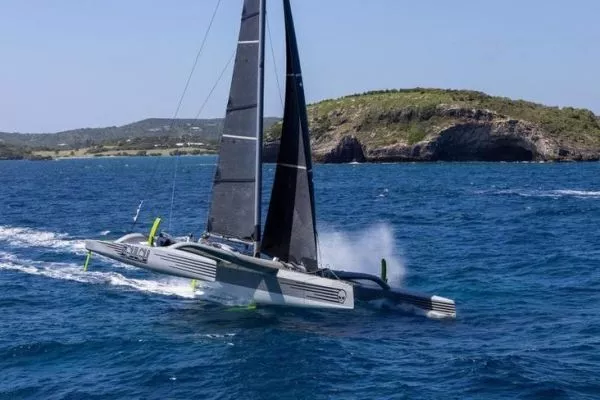
The trio of exclusionary factors is straightforward: date of major transformation, material/process constraints (notably high-temperature baking), and the presence of modern appendages such as foils. MOD70s typically fail on at least one of these counts. In practice, that means boats built or substantially reworked in the 2010s using high-temperature composite techniques struggle to meet the paperwork and physical inspections required at port.
How the rule reads in logistics terms
From a logistics and operational point of view, the rule forces owners to document original manufacturing runs, to provide certifications on curing processes and to demonstrate that appendages conform to a declared historical state. That creates extra freight and administrative burdens: shipping cores for third-party testing, coordinating with yards for paperwork, and sometimes re-routing refit work to compatible facilities—none of which is cheap or quick.
Gitana 11 vs MOD70s: where the line gets fuzzy
The contrast is tangible. Gitana 11 is accepted under the Vintage Multi banner because its main rebuild dates to 2009 and its Nomex-carbon construction falls within the accepted window. By contrast, similar hulls launched or refitted after 2010 end up caught in a restrictive interpretation of the rules—regulators are applying an administrative date rather than a uniform technical standard for materials and appendages.
| Boat | Launch / Refit Date | Primary Material | Appendages | Appendix 3 Eligibility |
|---|---|---|---|---|
| Gitana 11 | 2009 (major transformation) | Nomex carbon | Conventional | Admitted |
| Typical MOD70 | 2010–2014 | High-temp composites | Foils/advanced appendages | Excluded (by rule) |
| Prince de Bretagne | 2012 | Modern composites | Maxi appendages | Subject to exclusion |
Invitations remain the only soft spot
Organisers still hold the wild-card pen. Invitations 그리고 wildcards are the only realistic avenue for many MOD70 projects because the objective criteria are simply not met, and converting a boat’s documentation or structure retroactively is often impossible. That discretionary pathway leaves campaigns in limbo: do you commit to a refit with uncertain payoff, or hope for an invite?
Practical implications for owners and charter operators
- Cost exposure: Re-certifying composite processes or changing appendages can blow budgets and disrupt charter schedules.
- Resale value: Boats effectively barred from marquee races risk lower demand on the sale market and fewer charter bookings.
- Refit logistics: Owners may need to coordinate with specialist yards, secure transport for components, and re-plan marina berthing around inspection windows.
What this means for sailing, charters and the marina ecosystem
On the face of it, a technical rule about curing temperatures might seem academic, but it ripples across the boating economy. Charter fleets that advertise “race-capable” yachts will think twice before investing in platforms that might be ruled ineligible for high-profile events. Brokers pricing a prospective sale will factor in Appendix 3’s implications for a boat’s future racing credibility. Marinas and service yards will see a subtle shift in demand from high-temp composite work towards restoration work that fits the vintage criteria.
I remember a day at the marina when a broker told me, “If you can’t race it, you can’t rent the dream.” It’s blunt, but true: regattas drive demand for certain models and refit jobs. Owners who rely on charter revenue or sales turnover will be watching Appendix 3’s application closely—and hoping organisers exercise their invitation discretion.
Options for owners facing exclusion
- Apply for a wildcard and document historical compliance meticulously.
- Pursue sympathetic refits that restore appendages and materials to pre-cutoff specifications where feasible.
- Pivot marketing to performance charters and private sales rather than trying for race-class inclusion.
Conclusion — Where things stand and why it matters
Appendix 3 effectively redraws the Vintage Multi map by anchoring eligibility to a specific administrative date, certain composite processes and the type of appendages allowed. That combination sidelines the MOD70 generation unless an organiser steps in with an invitation. For owners, charter operators, captains and brokers, the takeaway is clear: regulatory details like curing temperatures and production series aren’t just technicalities — they affect refit logistics, sale value and charter demand. In short, whether you’re planning a yacht campaign, listing a boat for charter or eyeing the sale market, Appendix 3 changes the calculus for 요트 campaigns, charter listings, and 보트 investments across marinas, beaches and clearwater destinations; it touches everything from the captain’s paperwork to appeal in superyacht and sport fleets, and filters down to activities like 항해, fishing and ocean cruising in the gulf or on the lake — the sea’s rules have ripple effects on rent, sale, yachting and boating life.