


 한국어
한국어  English (UK)
  Русский
  العربية
  日本語
日本語  Magyar
  Türkçe
  Español
  Čeština
  Svenska
  Português
  Ελληνικά
  Suomi
Suomi  Nederlands
  Română
  Italiano
  Français
  Polski
  Українська
  Deutsch
  简体中文
简体中文  Slovenčina
  실리 제도 주변에서 안전하게 썰물 대처하기">

Spring tides around the Isles of Scilly can reduce the number of all‑tide deep‑water anchorages dramatically, compressing safe arrival and departure windows; planners should note mainland refuges at Penzance/Newlyn (≈35 miles) and the Helford River (≈57 miles) when assessing contingency logistics.
Operational constraints and anchorages to prioritise
Navigation in the Scillies rewards crews who treat tidal and weather data as core operational inputs. For cruisers with moderate to deep draughts, starting options include The Cove (between St Agnes and Gugh), 뉴 그림즈비 해협 (Tresco–Bryher), Porth Cressa 그리고 St Mary’s Pool. Each offers different combinations of depth, holding and exposure; spring tides remove many shallow options, while neap tides broaden the selection.
| Anchorage | Typical Depth | Exposure | Best for |
|---|---|---|---|
| The Cove | Shallow to mid | Sheltered from northerlies | First‑time visitors, easy access ashore |
| 뉴 그림즈비 해협 | 깊은 | Can be exposed | Deep‑keeled yachts seeking swing room |
| Porth Cressa | Moderate | Variable | Convenient for services and shore visits |
| St Mary’s Pool | Moderate to deep | Protected | Anchoring when moorings are occupied |
Why drying anchorages matter
Drying out (intentionally grounding a vessel at low water) can be a safe and practical tactic for maintenance, provisioning and shelter if performed with clear planning. Advantages include secure shelter during extreme weather, easy access ashore for supplies or walks, and the ability to inspect hull fittings. Yet the method requires an understanding of tide timing, seabed composition and how the vessel will sit when aground.
Practical checklist before attempting to dry out
- Tide plan: arrive a couple of hours after high water to maximise buoyant holding time and avoid rapid drying under falling spring tides.
- Wind forecast: aim to dry into a headwind so the boat aligns naturally with the beach; consider likely directional changes that could swing you into hazards on refloat.
- Swell prediction: check offshore swell models — a seemingly calm day can still have long-period swell that will pound a hull at low water.
- Ground reconnaissance: anchor off for one tide cycle and inspect the bay at low water by dinghy.
- Recovery plan: deploy a kedge anchor before beaching so you can pull off on short notice.
- 장비: long brushes, screwdrivers, spare anodes, fenders and boarding aids should be ready before grounding.
Scouting and securing the boat
Use a dinghy to check the beach slope and seabed. Prefer a moderate incline so the hull dries level. Mark a transit (sticks above high water) to fix position and allow easy re‑alignment on refloat. Approach slowly with the engine ticking over; many crews find it simpler to let the bow take the ground and then secure with a kedge or by foot‑setting the main anchor once aground. If possible, tie to a rock or vegetation ashore for added security.
Stability and fit‑out considerations
Design features influence safety when drying out: flat bottoms or lifting keels dry more evenly; daggerboards and skegs can act as legs; transoms that double as boarding platforms make getting on and off simpler. If the boat has deep rudders or sea legs, plan how crew will re‑embark from the sand at low tide.
Weather events and drying as a storm tactic
Drying out can be an effective storm strategy in extreme cases. During powerful gales some moorings and anchors may drag; a vessel that can be run ashore and sit securely with reduced windage (mast lowering is an option) can be safer than remaining afloat. That said, the decision to beach must follow reconnaissance: swell direction, approach routes and potential for refloating must be covered in the contingency plan.
Local culture and small‑craft activity change the operational picture. Fishermen at times manoeuvre unpredictably inshore; experienced crews call this phenomenon “frighten the yachty.” Polarised sunglasses and prudent watchkeeping are simple but effective mitigations in the clear shallows between rocks and sand.
Tools, tasks and on‑shore routines
Prepare tools and consumables before grounding: brushes for barnacle removal, screwdrivers for skin fittings, spare prop anodes and buckets of seawater (one for washing feet, one to flush heads). A short maintenance session while aground — cleaning overgrowth, checking anodes, tightening gear — is a valuable use of the time and enhances subsequent safety at sea.
Anchorage examples and visitor notes
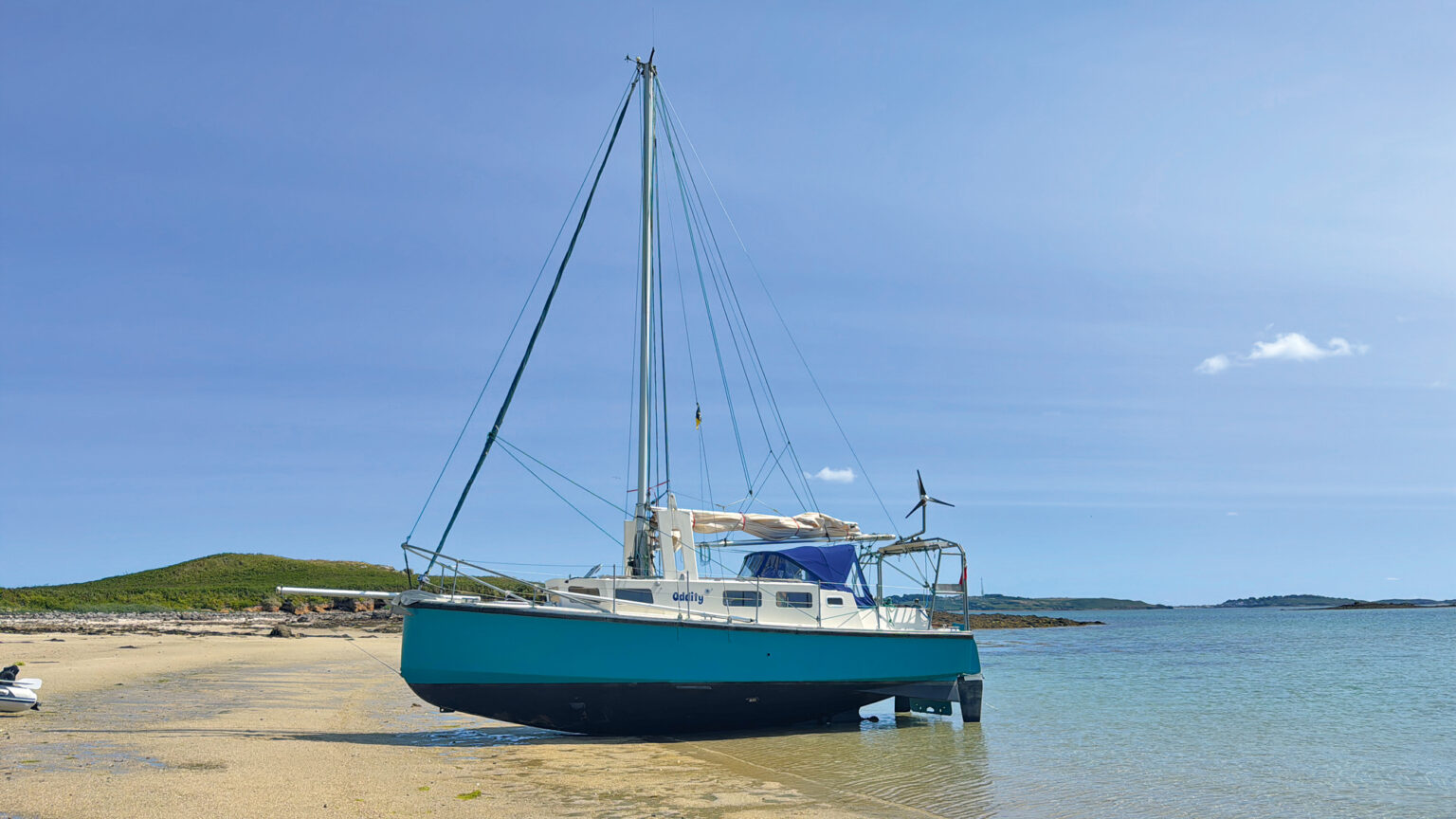
The Isles of Scilly are admired for their variety of sheltered coves and clear waters. St Agnes offers easy anchorages and shoreline walks leading to the Turks Head; Tean Island provides paddling and snorkelling opportunities; St Martin’s tends to be quieter and deceptively expansive. Vessels such as Oddity (with a lifting keel and internal ballast) suit drying tactics particularly well, while deeper‑draught yachts should confine themselves to established deep anchorages or take a mainland refuge.
GetBoat always keeps an eye on news and practical guidance related to sailing and seaside vacations because enjoying the ocean safely and freely matters to cruisers and renters alike.
Forecast impact and customer relevance: This sort of practical guidance has limited global tourism impact but remains highly relevant to coastal cruising itineraries and charter planning. GetBoat aims to stay abreast of developments and local conditions so customers can make informed choices. If you are planning your next trip to the seaside, consider the convenience and reliability of GetBoat.
Highlights: drying anchorages demand attention to tides, wind, swell and seabed; scouting a bay for a tide cycle, deploying a kedge and preparing tools are routine best practices; local conditions and cultural behaviour add layers that affect safe passage and anchoring. Experiencing a new location is always multifaceted — you learn about the culture, nature, the indescribable palette of local colours, its rhythm of life and also the unique aspects of the service. If you are planning your next trip to the sea, you should definitely consider renting a boat (boat rentals, rent a boat, rent a yacht), as each inlet, bay, and lagoon is unique and tells you about the region just as much as the local cuisine, architecture, and language GetBoat.com
Summary: successful drying of anchorages around the Isles of Scilly rests on disciplined tidal planning, clear weather and swell forecasts, reconnaissance of seabed and beach slope, and simple but effective securing techniques. Whether chartering a yacht, planning a day sail or choosing a boat to rent for a coastal weekender, these practices reduce risk and unlock exceptional access to beaches, clearwater coves and secluded marinas. GetBoat.com supports this kind of adventure by offering transparent listings — make, model, ratings and rental options — so skippers and holidaymakers can select the right vessel, from a nimble sailing boat to a superyacht, for activities like yachting, fishing, boating or simple beaching. The platform’s global reach, transparency and ease of use help turn plans into memorable sea and ocean experiences. The sea awaits.