


 한국어
한국어  English (UK)
  Русский
  العربية
  日本語
日本語  Magyar
  Türkçe
  Español
  Čeština
  Svenska
  Português
  Ελληνικά
  Suomi
Suomi  Nederlands
  Română
  Italiano
  Français
  Polski
  Українська
  Deutsch
  简体中文
简体中文  Slovenčina
 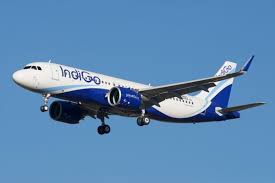 인디고 항공편 운항 중단 속에서 인도 항공 산업의 과제">

Unraveling the Crisis in India’s Aviation Industry
India’s aviation sector recently encountered a significant upheaval, leading to mass flight cancellations and widespread passenger frustration. The turbulence largely centered on IndiGo, the country’s leading airline, which suspended thousands of flights due to acute pilot shortages compounded by newly enforced regulations. This disruption revealed deeper structural issues within the aviation market, spotlighting the consequences of a dominant player holding a disproportionate share of the sector.
The problems escalated following the enforcement of strict rules concerning pilot working hours and mandatory rest periods, aiming to enhance safety by regulating night flying and weekly breaks for pilots. However, these well-intended regulations, combined with technical glitches and a shift to a winter flight schedule, led to a critical shortage of available crew members. The immediate fallout was severe: over half a million passengers had their travel plans abruptly upended, stranding many and creating chaos at crowded airports.
In response, regulators were forced to roll back certain rules concerning pilot fatigue hours to stabilize flight operations, underscoring the fragile balance between safety, regulation, and service delivery in this fast-growing market. This policy reversal, while necessary to restore order, sets a complex precedent for how aviation safety and operational efficiency can coexist in an environment dominated by a single airline.
Impact on India’s Travel Image and Market Dynamics
The crisis dealt a blow not only to consumers but also to India’s international reputation as a travel destination. Already reeling from a tragic Air India crash that shook global confidence, the recent flight cancellations further dented the image of reliability essential for attracting tourists and business travelers alike.
IndiGo had only recently emerged as the world’s most valuable airline, a status now overshadowed by operational missteps that suggest a relentless focus on profitability over sustainable service. This episode highlighted the risks inherent in market dominance, where competition is stifled and consumer choices limited.
Historically, India’s aviation market was more diverse, but recent developments show an alarming consolidation trend. With IndiGo controlling approximately 57% of the domestic market and the exit of mid-sized competitors like Go Airlines, which took 7% of the market share before filing for bankruptcy, the competitive landscape has narrowed considerably. Unlike countries like the US, where airline bankruptcies rarely halt operations due to a supportive insolvency regime, India lacks such robust mechanisms, allowing over-leveraged companies to collapse rather than recover or restructure.
A Closer Look at the Indian Aviation Ecosystem
Structural Challenges and Regulatory Environment
India’s aviation landscape is shaped by several unique challenges, including heavy taxation on jet fuel that discourages new entrants and threatens the financial health of existing airlines. State and federal levies contribute significantly to operational costs, undermining sustainability and growth. At the same time, the privatization of airport management—now largely dominated by major infrastructure conglomerates—has introduced new cost layers for travelers, such as user development fees for airport upgrades alongside consumption taxes on tickets.
The government’s strategy has been to maximize revenue in this rapidly growing sector rather than foster broad competition, resulting in an oligopolistic environment where a few players wield outsized influence. This trend has made it harder for new airlines to emerge and challenge incumbents, perpetuating vulnerabilities exemplified by the recent crisis.
Modernisation Efforts Amidst Market Pressures
| Aspect | Details |
|---|---|
| Airport Infrastructure | 127 airports managed, including 16 international hubs and ongoing modernization of 30 non-metro airports to improve connectivity. |
| Flight Movements Growth | Domestic flights increased by over 30% from 1999 to 2007, while international movements grew steadily, reflecting expanding demand. |
| Market Share Distribution | IndiGo holds 57% of the market; mid-sized operators losing ground due to financial instability and competitive pressure. |
| Regulatory Framework | Strict pilot work rules, high taxes, and limited insolvency protections contribute to operational and financial stresses. |
The Broader Transportation Context
Notably, the country’s extensive but aging railway network poses little competitive threat to air travel, creating skewed incentives. There is growing recognition that a holistic transport sector reform—including investment in high-speed rail—could redefine competition and relieve pressure on airlines. This diversification strategy could eventually improve service reliability and accessibility for millions of travelers.
Historical Perspective: Aviation and Travel Growth in India
India’s aviation sector has a rich evolution marked by slow liberalization and steady infrastructure development. For decades, government-owned airlines maintained a monopoly on domestic and international traffic, with airspace tightly controlled through bilateral agreements based on reciprocity.
Gradual deregulation from the early 2000s introduced private players and lifted restrictions, fueling unprecedented growth. Today, India boasts a vast civil aviation infrastructure with hundreds of airports and airstrips, complemented by numerous private and international airlines operating on domestic and global routes.
This transformation aligns with the rise of the “Great Indian Middle Class,” driving demand for air travel and catalyzing reforms in passport, visa, and foreign exchange regulations that have eased outbound and inbound journeys alike.
The growing trend towards low-cost carriers has democratized air travel, making it accessible to a broader population segment, but also placing strain on airport capacity, as seen in congested hubs like Delhi and Mumbai.
Forecasting the Future of India’s Aviation and Tourism
With the country ranking among the fastest-growing aviation markets globally, projections indicate sustained double-digit growth rates supported by economic expansion, demographic advantages, and improved literacy fostering travel aspirations.
However, the current crisis serves as a cautionary tale. For India to fully capitalize on its tourism potential, meaningful reforms must address taxation, foster competitive markets, and enhance infrastructural capacity. This holistic approach would not only benefit the airline industry but also reinforce India’s stature as a compelling destination for tourists.
The Intersection with Sailing and Boating Tourism
While this aviation turmoil primarily impacts air travel, its ripple effects extend to broader tourism activities, including those tied to coastal and waterway regions accessible by sea planes or connecting flights. Reliable air connectivity is often the first crucial step for tourists heading to marine resorts popular for yacht charters, sailing, and other water-based leisure pursuits.
Instances of flight disruptions can deter tourists from visiting seaside destinations or arranging marina stays, where charter boats, superyachts, and other boating activities flourish. In contrast, a well-managed aviation sector supports seamless travel itineraries, encouraging visitors to explore lakes, gulfs, oceanfronts, and sun-drenched beaches integral to the yachting experience.
결론
The recent turmoil in India’s aviation sector reveals the perils of market concentration and regulatory missteps, underscoring the urgency for comprehensive reforms to sustain growth and service quality. History shows India’s rapid growth in air travel fueled by liberalization, burgeoning middle-class demand, and improved infrastructure, yet the path ahead requires addressing economic and operational challenges to boost resilience and consumer confidence.
As India continues to be a vital hub for international tourism, including destinations known for boating and sailing, the stability of its aviation system remains crucial. The sector’s health influences how easily travelers can access coastal marinas, lakeside retreats, and oceanfront charter opportunities.
For those eager to explore India’s magnificent waters or embark on memorable yacht charters, GetBoat.com offers an international marketplace for renting sailing boats and yachts, tailored to suit every taste and budget. By bridging the gap between seamless travel and water-bound adventures, it complements the ongoing evolution of India’s tourism industry, ensuring that enthusiasts can enjoy the sea, sunshine, and sailing activities with confidence and ease.