


 한국어
한국어  English (UK)
  Русский
  العربية
  日本語
日本語  Magyar
  Türkçe
  Español
  Čeština
  Svenska
  Português
  Ελληνικά
  Suomi
Suomi  Nederlands
  Română
  Italiano
  Français
  Polski
  Українська
  Deutsch
  简体中文
简体中文  Slovenčina
  Conservation Uncovered: How Museum Experts Preserve History">

Delving into the Art of Conservation
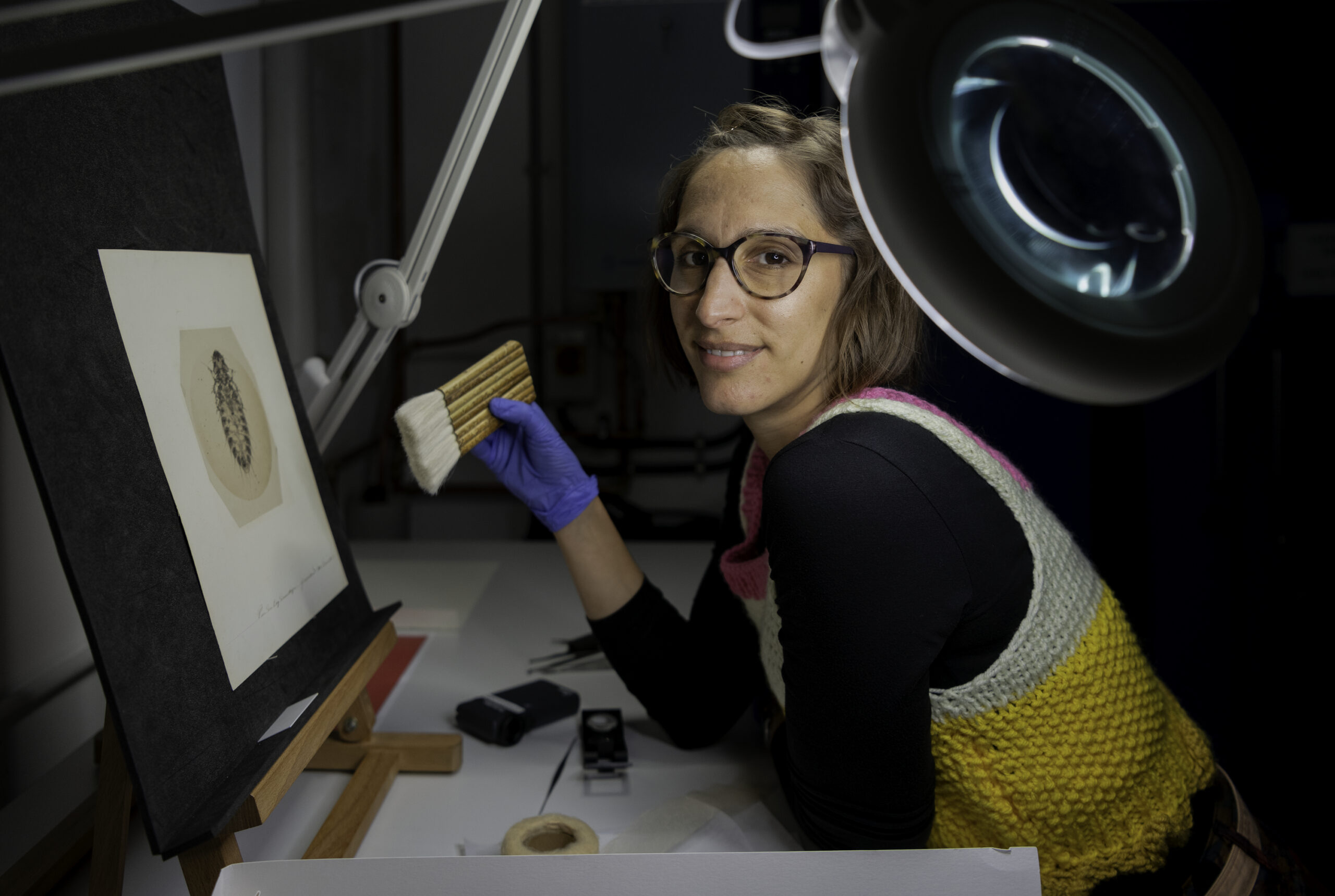
Conservation is a meticulous craft dedicated to preserving cultural treasures and historic objects for future generations. This delicate work requires not only skill but also the right set of tools and a passionate eye for detail. Examining the expertise of conservators offers a rare glimpse into the behind-the-scenes efforts that keep museums’ collections vibrant and intact.
The Essential Toolkit of a Conservator
A conservator’s toolbox might seem modest at first glance, yet each instrument plays a vital role in safeguarding delicate artifacts. Typical equipment includes scalpels with various blades for precise cleaning and manipulation, bone folders for flattening fragile materials, and a selection of soft brushes used to delicately remove dust and grime without causing damage.
Additionally, handheld magnifying lenses and microscopes help conservators explore minute details invisible to the naked eye. Spatulas and erasers aid in subtle repair and cleaning tasks, while small torches and dust air blowers assist in both illumination and gentle dust removal.
| Tool | Purpose |
|---|---|
| Scalpels | Fine cleaning and material manipulation |
| Bone Folder | Flattening and smoothing paper or photos |
| Soft Brushes | Removing dust gently |
| Handheld Magnifying Lens & Microscope | Detailed inspection of objects |
| Spatulas & Erasers | Cleaning and small-scale repairs |
| Torch & Air Blower | Illumination and removing dust particles |
Favourite Tools and What They Reveal About the Work
A few favorite tools stand out among conservators, often because of their unique functions or sentimental value. For example, specialist spatulas engraved with personal initials connect the craftspeople to their work on a deeper level, showing how family support intertwines with professional pride. Others favor a super-soft brush, cherished for its gentle touch that minimizes risk to fragile materials.
The Daily Life and Passion Behind Conservation
The heart of conservation lies not only in technical execution but in the daily joys and challenges that drive experts forward. Many conservators find profound satisfaction in working with photographs and other visual materials—cleaning, stabilizing, and restoring them to a condition that honors their legacy.
Patience, attention to detail, and problem-solving emerge as key personality traits for success in this field. An inquisitive mind and a love for examining objects closely underpin the endlessly fascinating process of uncovering layers of history embedded in artifacts.
Origin of the Conservator Role
Conservation as a formal career has steadily evolved, especially in museums and galleries. Modern conservators are often referred to as the “doctors” of photographs and art due to their diagnostic and remedial expertise. They are the guardians who maintain the bridge between past treasures and today’s audiences, ensuring that art, science, and history remain accessible and vibrant.
Current Projects and Ambitions
After intensive periods focusing on areas like sound and vision collections, conservators often return to paused projects such as the care of historic magic lantern slides. Upcoming exhibitions regularly keep the team engaged with fresh challenges, reflecting an evolving museum landscape where preservation and public engagement go hand in hand.
The Tools You Might Not Expect
Aside from traditional conservation instruments, there are some unexpected favorite tools that support the work, such as backpack vacuum cleaners and small precision tools borrowed from other trades like dentistry or electronics repair. These versatile devices help handle the unique demands of cleaning and maintaining delicate objects without causing harm.
Getting a Closer Look: Behind the Museum Scenes
For those eager to peek behind the curtain, many institutions publish blog series or online content sharing ongoing conservation work. These behind-the-scenes glimpses help demystify the process and reveal the meticulous attention each object receives before going back on display.
Conservation in a Broader Historical and Cultural Context
The preservation of art and historical artifacts has roots stretching back centuries, but the professionalization of conservation gained momentum in the 20th century with advances in chemistry and materials science. For example, conserving Renaissance frescoes has long posed challenges, especially when environmental damage or disasters have threatened their very existence.
Techniques such as strappo 그리고 stacco were developed to carefully transfer and stabilize fragile wall paintings from their original locations. These intricate procedures require balancing the physical needs of the artwork with the desire to preserve its contextual integrity within historical settings.
Environmental and Technical Challenges
Conservators must constantly battle threats like moisture, pollution, dust, and fluctuating temperatures—all factors that can accelerate decay. Advances such as chemical poultices, specialized adhesives, and controlled environments have become essential tools in the prevention of deterioration. Nevertheless, the goal is always to maintain as much of the original character and context of the artifact as possible.
Table: Key Conservation Challenges and Solutions
| 챌린지 | Impact | Typical Conservation Approach |
|---|---|---|
| Moisture | Causes deterioration, mold growth | Control humidity, cleaning and drying treatments |
| Pollution | Discoloration, chemical damage | Use of protective coatings, controlled air quality |
| Physical Damage | Flaking, cracking of materials | Stabilization with adhesives and support mounts |
| Environmental Fluctuations | 구조적 응력, 재료 피로 | 기후 조절 보관 및 전시 |
미래를 내다보며: 보전의 미래와 관광과의 관련성
보존 분야는 계속해서 더욱 정교해지고 있으며, 새로운 과학적 방법과 더 큰 학제 간 협력을 통합하고 있습니다. 이를 통해 문화적 랜드마크와 컬렉션이 학자뿐만 아니라 유산과의 진정한 연결을 추구하는 여행객을 위해서도 보존될 수 있도록 보장합니다. 역사적 풍요로움과 아름다운 수역으로 유명한 지역, 예를 들어 해안 도시나 호숫가 마을과 같은 곳에서 예술과 역사의 보존은 해양 관광과 아름답게 연결됩니다.
항해 애호가와 만리, 석호, 해안 마리나를 탐험하는 방문객들에게, 육상의 문화 유산이 잘 보존되어 있다는 사실은 여정에 또 다른 깊이를 더합니다. 박물관의 섬세한 전시물을 감상하거나, 그 유산으로 유명한 해안 마을을 탐험하든, 보존은 이러한 경험이 보존되고 향상되도록 보장합니다.
결론
보존과학은 신중한 과학, 숙련된 기술, 그리고 역사에 대한 깊은 존경심이 어우러진 매혹적인 분야입니다. 귀중한 컬렉션을 매일 안정화하고, 청소하고, 보존하기 위해 헌신하는 보존가들의 노력 덕분에 미래 세대가 과거로의 이러한 창을 즐길 수 있습니다. 이들의 도구 상자, 수술용 칼부터 부드러운 붓까지는 보존만큼 이야기 전달에도 중요한 사명을 뒷받침합니다.
해양 목적지를 방문하는 사람들에게 문화와 바다가 만나는 곳에서 보존은 항해 경험을 풍요롭게 하고 지역 유산에 대한 감상을 높입니다. 요트나 세일링 보트로 해안 지역을 탐험하고자 하는 사람들은 인근 박물관과 갤러리에 보존된 풍부한 역사적 서사와 요트 타기의 스릴 사이의 독특한 조화를 발견할 것입니다.
다음 항해를 위해 요트를 헌장하거나 보트를 대여하는 방법 및 여행지에 대한 자세한 내용은 다음을 참조하십시오. GetBoat.com, 전 세계 모든 요트 및 보트 취향과 예산에 맞춰진 국제 마켓플레이스입니다.