


 한국어
한국어  English (UK)
  Русский
  العربية
  日本語
日本語  Magyar
  Türkçe
  Español
  Čeština
  Svenska
  Português
  Ελληνικά
  Suomi
Suomi  Nederlands
  Română
  Italiano
  Français
  Polski
  Українська
  Deutsch
  简体中文
简体中文  Slovenčina
 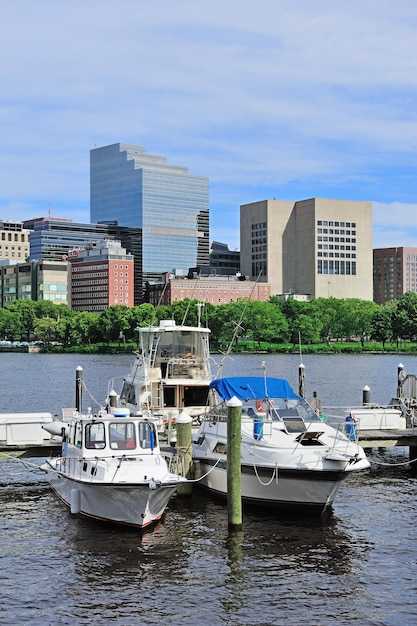 New York Boating Guide – 6 Top Spots for Boating in New York">

Launch at the erie coast ramps with trailers prepped, and plan a water-first day. This approach keeps driving time low and lets you focus on a perfect outing with family and friends.
Spot highlights include Lake George, a 32-mile lake with sheltered bays ideal for day trips; Lake Champlain between NY and Vermont offers wide open water and wind-friendly routes; Hudson River runs from Albany to NYC with easy ramps in Kingston, Poughkeepsie, and Troy and a dramatic face of city water; Oneida Lake in central NY provides several launch points and shallow areas great for children; Niagara River near Buffalo features scenic currents and wildlife; erie coast around Buffalo delivers broad bays and late-summer warmth.
Gear and safety matter: every motorized boat should carry PFDs for all passengers, a throwable device, and navigation lights for after-dark travel; registration and a valid license or certificate are a requirement where required by state law; observe no-wake zones, respect docks, and mind currents and wind that shift across areas and rivers.
Planning and timing reduces risk and keeps the day enjoyable; plan around the least crowded times: early mornings on weekends or weekdays in shoulder seasons; check weather and wind forecasts, especially around the erie coast and the river sections; have a backup launch spot in case of fog or crowding; bring sun protection and snacks.
On-water tips keep a simple plan and mind the surroundings; there are areas where paddlers and boaters share space, so stay in marked lanes and face the main wind with a stable stance; use the most practical launch options and keep speed moderate to protect shoreline and wildlife; after your run, note which ramps and parking worked best and store this for a future trip that offers a calm water scene.
New York Boating Guide
-
Lake George
Kick off a day on this waterbody with a calm morning cruise. Also consider bringing a canoe for quiet coves and a small boat for exploring open sections. Additionally, rental fleets provide PFDs and basic charts; if not, bring your own. To protect lakes and shoreline, keep wake low near swimmers and wetlands, and carry a simple trash bag to leave no trace. Times of peak activity are summer weekends, so start early for smoother passes and easier parking. This would help beginners gain confidence while keeping more experienced boaters on friendly routes.
- Launch options: public ramps at nearby parks and marina lots; check local rules in advance
- Safety: life jackets for each person; bring a signaling device and a whistle
-
Hudson River
The Hudson runs through towns, farms, and cityscapes; a modest motor boat balances range and handling. You can also use a canoe in calmer sections farther from the river mouth. Also keep a weather eye and monitor local advisories; if winds pick up, head back to shore. Ramps and convenient docks line the river, and owners along the route share tips on safe routes. Plan a route that passes state parks and historic sites for a varied day that blends urban and rural scenery.
- Launch: public ramps in towns along the river; confirm parking rules
- Safety: life jackets for all; VHF radio or mobile signaling device
-
Lake Ontario
Big-water conditions require preparation; check a reliable forecast before leaving. The lake offers long horizons; a larger day cruiser provides steadier handling, while canoes and kayaks excel in sheltered bays. Also bring a GPS device to mark a return point and warn others of your route. Owners of rental fleets often provide briefings on local currents and recommended ramps; use protected launches in ports during high wind times. Expect cooler water even in summer and dress accordingly.
- Launch options: Oswego, Sackets Harbor, and other ports have ramps
- Safety: life jackets for all; signaling device; consider cold-water gear
-
Niagara River
The Niagara River offers dramatic scenery but strong currents near the falls; use a capable craft and avoid restricted zones. For a first outing, choose calm coves away from rapids. Also always stay a safe distance from the river’s mouth and bridges; observe seasonal restrictions and no-wake zones. The route can connect with state parks along the gorge, making it easy to combine a hike with a lake plan. This would suit confident boaters who plan ahead and respect limits.
- Launch: public ramps at parks along the river; mind seasonal closures
- Safety: always wear a PFD; carry a signaling device; know nearby rescue services
-
Finger Lakes
The Cayuga and Seneca lakes offer a family-friendly playground for boats and canoes, with gentle coves and less traffic than big lakes. Also, you can rent from local outfits; most fleets provide PFDs and simple maps. Addition to gear, visit during late spring or early fall when water is clearer and crowds are smaller. These lakes connect to smaller creeks and streams, providing a flexible plan for a day on the waterbody with opportunities for fishing, swimming, and shore picnics that the whole group enjoys.
- Launch options: numerous public ramps around Ithaca, Geneva, and other towns
- Notes: water quality varies by season; bring sun protection and hydration
-
Lake Champlain
Running along the NY-Vermont border, this lake offers broad horizons and windy afternoons; plan to check weather and wind reports. A mid-size boat or a stable sail or motor craft works well for exploring bays and islands. Also keep to designated channels and respect speed zones to protect other boaters and swimmers. The area features state parks on both sides; consider a cross-border outing with proper documentation and a plan for return times. This waterbody rewards careful planning and patience on busy days.
- Launch options: towns on the western shore in NY; cross-border launches require extra checks
- Safety: life jackets for every person; ensure device batteries are charged
3 Thousand Islands: Plan routes, anchor points, and docking options

Launching from Clayton harbor at dawn yields the most enjoyable waterbody experience. Prepare personal gear for a family day: jackets for children and for grownups, PFDs, and dry bags. Keep launch equipment organized on the dock, and bring a small anchor or drifting anchor for steady positions. Typical trips include several hours on the waterbody; plan for tons of scenery and calm coves. Check regulations before heading out; stay in marked waterway areas and respect posted signs. If you tow a trailer, park it in the designated trailers area below the ramp, unless you have a local permit. For a simple paddle, canoes work great in these conditions; you can combine children paddlers with grownups, and the routes are flexible. Look for sheltered coves where wind stays low, and choose routes that offer safe launching and docking options. This approach will help you stay organized and make the most of your day outdoors.
Routes and courses give options for every group. Route 1 – Family loop: start Clayton, ride the main channel toward Wellesley Island’s sheltered bays, and return along quieter coves. Anchor points include a lee shore behind a larger island or a protected cove so you can snack without drifting. Plan 2–3 hours, roughly 4–6 miles in a canoe or kayak, and look for areas with shallow water and good wildlife viewing. Route 2 – Island-hopper: a longer outing that pushes toward Chippewa Bay and nearby islets, stopping for a midday break in a sheltered cove. Use a stern anchor or small lines to stay in place while you look for birds or turtles. Route 3 – Sunset cruise: a relaxed paddle along the lower river reaches, finishing near a public launch area for a quick return; this option typically fits after children finish school or on shorter evenings. Each course follows visible waterway channels and keeps you within zones where launching and docking are straightforward.
Docking options and anchor-friendly spots keep the day flexible. Public ramps at Clayton and Alexandria Bay offer practical launching and retrieval; marinas also handle guest docking if you call ahead. For anchor-based breaks, use a rise in water where you can anchor in the lee of a small island or between two islets; avoid strong currents near the main channel. If you need to leave gear, choose a beach or shallow area with clear access to water and keep your personal items in waterproof bags. When you move between areas, follow currents courses and watch for floating debris that could snag lines. For trailers, use the designated parking closest to the ramp; unless you have a permit, avoid parking in restricted zones. Waterways in this region include plenty of space for launching, mooring in marsh creeks, and docking at small public piers.
Lake George: Public launches, marina access, and fueling spots
Plan to start at a public launch before 8 a.m. for easier parking and quicker access, then follow the posted hours at each site to avoid closures or fines. Such launches require you to bring the basics: a safety plan, personal flotation devices for every passenger, and a hull check before you depart. oprhp notes and local postings guide where you can launch, park, and retrieve your trailer without hassle.
Public launches are located around the lake in areas such as Lake George Village, Bolton Landing, and Hague, with ramps that accommodate both single- and multi-boat loads. Each site offers a ramp, limited trailer parking, and basic amenities; expect weekend crowds in peak season. Parks along the waterfront provide convenient access points for a quick approach, and you’ll often find nearby rivers and inlet channels worth a close look during a calm morning.
Marina access extends beyond launches to fueling, pump-out services, and transient docking. Most marinas provide posted hours, weather-influenced availability, and staff who can assist with space for a short visit or a longer stay. If you plan to use a name-brand facility or a local family-run marina, call ahead to confirm fuel docks, slip availability, and any required reservations, especially during holidays or busy weekends.
Fueling spots operate at designated gas docks with posted rates and payment methods, so have a credit card handy. Always fuel away from the slip and never in open water near hulls or other vessels. pwcs are allowed in some zones but must follow posted rules, including idle speed in no-wake areas and respect for other boaters and shore traffic. Bring a portable extinguisher and never refuel during storms or high-noise periods around busy launches.
When planning, check a simple, practical plan that accounts for fuel needs, anticipated traffic, and weather. Such planning helps you avoid delays and ensures youcan move between areas smoothly, whether you’re cruising the village shoreline or exploring quiet bays over near the public parks. over the season, thousands of boaters rely on these access points while remaining mindful of noise levels and environmental stewardship, including waste disposal and hull maintenance. If youve got questions, contact the local marina staff or the oprhp office for current rules and posted restrictions, and always verify erie-like comparatives only to understand local standards in context of Lake George’s unique access.
Hudson River: Tidal zones, no-wake rules, and safety equipment checks
Do a pre-trip safety check and map tidal zones before you depart the Hudson River.
Regardless of experience, the hudson waterway is influenced by tides. Tidal zones extend toward Troy, and the times between high and low tide change how currents push against your craft. Bring up-to-date information from a local marina or official tide table, and plan your course to stay in the main channel when currents run strongest.
No-wake rules require operating at a speed that does not create a wake. Typically, keep speed to 5 mph or less within marked zones, and slow further when you pass docks, swimmers, or other craft. Either way, follow posted signs and use common sense to avoid influencing nearby boats and their passengers.
When you head out on waterways along yorks regions, stay mindful of signs and markers above all. If others asked about navigation, the safest answer remains: obey signs, reduce speed in crowded spots, and keep a sharp watch for traffic in the channel.
Before launch, perform a safety equipment check: ensure all riders wear USCG‑approved life jackets of the correct type for their size, verify one throwable device is accessible, confirm a working horn or whistle, test navigation lights, and confirm a charged battery and a functioning VHF radio. Inspect the fire extinguisher, first aid kit, bilge pump, and spare parts, and verify the boat’s motor starts cleanly and runs smoothly. After you finish, log any maintenance or issues so next time you’re involved with the water.
| Area/Rule | What to Do |
|---|---|
| No-wake zones | Operate at 5 mph or less; observe signs; reduce speed near shore and moored craft to avoid creating a wake. |
| Tidal currents | Check tide tables; plan courses to stay in the channel; adjust speed and steering with changing times. |
| Safety equipment | Wear life jackets for all aboard; keep throwable device accessible; signal devices, lights, fire extinguisher, VHF, and first aid ready. |
| Pre-departure checks | Inspect battery, fuel, oil, propeller, bilge, and navigation charts; confirm motor starts smoothly. |
| Support and questions | When in doubt, ask harbor staff or the yorks regional authorities for area-specific rules. |
Lake Champlain: Weather considerations, crossing tips, and port access
june crossing tip: plan a calm morning and wear an approved life jacket for every adult aboard. Use a device such as a VHF radio or GPS, verify your plan with the harbor crew, and ensure your gear covers all safety requirements to 준수하다 with local rules.
Weather can shift quickly on the lakes here. Expect gusts near shorelines to intensify and visibility to drop with fog after dawn or before sunset. The experience of local skippers matters, so monitor a trusted forecast and be ready to delay or reroute to a nearby 항구 if conditions worsen.
Crossing tips: Plan a direct route from Port Kent, NY to Burlington, VT when visibility is good, and stay in the marked channel to protect your hull. Keep to a safe speed near ferries and 크루즈, and have a backup plan to return to shore in a sheltered harbor. youll check currents on their waterways to adjust your approach. If conditions tighten, abandon the crossing and seek the closest harbor.
Port access and marinas along the lake provide fuel, moorings, and rental boats suitable for adult and families. Burlington Harbor, Port Kent, and Plattsburgh offer well-marked docks, shore power, and secure moorings. For small vessels, consider a sheltered marina in the Shelburne zone or the Essex area, and review property rules and permit requirements to avoid penalties. The perfect option for beginners is a calm, supported rental with an experienced operator, and the property owner should be approved to avoid issues. Always 준수하다 with local speed zones and wake restrictions to protect their users and the harbor.
Safety reminders: Everyone should wear PFDs while underway; carry a sound-producing device, a fire extinguisher, and flares as required. Ensure your rental agreement is approved and active, and keep hulls free of damage to maximize performance and safety. In cases of serious violations, penalties can apply, and imprisonment is possible in extreme cases.
addition to safety, keep a simple pre-departure checklist: verify weather, confirm harbor access, ensure sufficient fuel, and pack a spare battery and chart. Add covers for rough days and carry a backup device; this experience will boost confidence for future trips across lakes, waterways, and yorks zone.
Finger Lakes: Mooring etiquette, shoreline access, and scenic cruises
Register your boat in advance and call the marina or nearby marinas to reserve a mooring or guest slip. Boater etiquette starts with a calm approach: travel slowly, align with the wind and current, and keep engines off while tying up. Also check information at the desk about local rules, including which slips are held for transient use, and keep a copy of your registration on board. Everyone should know their responsibilities and communicate clearly with marina staff; if you need a quick tip, talk to george at the dock office for local insights.
Mooring etiquette specifics: this applies to either motorboats or sailboats; yield to other boats entering or leaving moorings, keep a safe distance from anchored craft, and avoid tying across other vessels. Always use a bow or stern line as instructed, and attach fenders so hulls do not rub. If you notice damaged hardware, report it to the marina immediately; do not improvise with damaged cleats or lines. Also, know that not all marinas allow long-term stays; follow approved limits, and unless posted otherwise, rotate craft to give everyone space. Noncompliance may lead to penalties, including fines or imprisonment.
Shoreline access remains a key part of a safe boating day. Use public ramps and beaches at lakes including Cayuga, Seneca, Canandaigua, and Keuka. Respect private shoreline and stay on marked paths; avoid trespassing on docks or marsh edges. Pack out trash, avoid feeding wildlife, and keep noise levels reasonable so residents and wildlife are not disturbed. If you are landing, do so at approved zones only and avoid damaging vegetation or eroding banks; this helps keep access open for everyone.
Trailering, rental, and safety details: when you transport boats between lakes on trailers, use designated ramps and parking areas. Make sure your trailer and tow vehicle are in good condition and that the boat is secured with appropriate tie-downs. If you rent a boat from a local harbor, confirm that your rental includes life jackets and a current registration; take a quick walk-through with the rental staff. If anything is damaged, notify the operator and marina so repairs can be made promptly. Keep information handy; if you have questions, marina staff will provide approved guidance, including where to store trailers and how to dispose of waste.
Scenic cruises offer a rewarding view of the Finger Lakes. Start with Canandaigua and walk the north shore for about 2–3 hours or take a longer loop around Seneca Lake from Geneva to Watkins Glen for 4–5 hours, watching vineyards, gorges, and waterfront towns pass by. Cayuga Lake gives options from Ithaca to Aurora with stops at state parks and historic villages; Keuka Lake’s Y- or S-shaped bends provide intimate scenery. For anyone planning a mix, consider a sunset cruise when light washes the hills and you can spend time on the deck with family and friends; spending time on the water should feel safe, comfortable, and enjoyable for everyone on board. If you eventually cross into the Hudson corridor, plan with separate rules and always carry proper registration and insurance along with an emergency plan.
Niagara River: Scenic cruises, bridge clearances, and safety precautions
Launch only from approved ramps and check bridge clearances before heading toward the falls. Use official launch sites along the Niagara River– Lewiston, Niagara Falls, and Youngstown–where staff provide posted clearance data or can confirm it if asked. Explore the river with everyone aboard, and plan a route that matches your hull and gear.
-
Before launching
- Inspect the hull for damage, secure loose gear, and store items that could shift with a wake.
- Equip everyone with pfds (life jackets); make sure jackets fit all passengers and keep pfds on until you clear the marina area.
- Carry approved flares or electronic distress signals, a VHF radio, and a whistle or horn for sound signaling.
- Check the weather, wind, and visibility; have a plan to return before sunset or if conditions worsen.
- Know the location of your throwable device and ensure it is accessible in rough water.
-
Bridge clearances
- Be aware of major approaches such as Rainbow Bridge, Whirlpool Bridge, and Lewiston-Queenston crossings; always look for posted clearance signs at each access point.
- If you are unsure about a clearance, ask marina staff or the harbor master for confirmation before entering a channel.
- Keep to the center of the channel and avoid lingering near piers or understructure where a hull or mast could face a snag.
-
On-water safety
- Maintain a prudent speed and stay in designated channels; large sightseeing boats may create significant wakes that affect smaller craft.
- Maintain a constant lookout; designate a crew member to monitor markers, other vessels, and the approach of bridges.
- Turn on navigation lights at dusk and maintain a continuous crew briefing for any maneuver near marinas or ferry routes.
-
PWCs and youth operators
- PWCs require approved operator age and adherence to local laws; wear pfds and jackets, and keep pwcs away from swimmers and docks.
- Avoid towing activities in restricted zones and respect speed limits around harbors and waterfronts.
-
Signaling and equipment
- Carry flares, either day or night signals, and a working flashlight for night visibility; verify expiry dates and replace as needed.
- Keep a first-aid kit, a spare paddle or throwable anchor, and a basic repair kit on board.
-
Legal and enforcement notes
- Laws vary between yorks and neighbouring states; respect both countries’ rules when operating near international waters.
- Penalties for violations can include fines; in serious cases, imprisonment might be invoked if safety provisions are ignored or if there is non-compliance with border regulations.
- If asked by an officer, present your vessel name, registration, and crew details calmly and clearly to avoid delays.
-
Practical tips
- Look around for signage and markers before entering any channel; those name of the ramp and the marina helps you stay aligned with local traffic.
- Carry enough water, have a route plan that covers either side of the river, and keep your crew informed about the next waypoint.
- If you’re new to Niagara waters, consider a guided cruise or join a seasoned skipper for your first launch to gain confidence and reduce risk.
- Hudson comparisons apply to river etiquette and marker usage; use the same careful navigation mindset you’d use on the Hudson or other great waterways.