


 한국어
한국어  English (UK)
  Русский
  العربية
  日本語
日本語  Magyar
  Türkçe
  Español
  Čeština
  Svenska
  Português
  Ελληνικά
  Suomi
Suomi  Nederlands
  Română
  Italiano
  Français
  Polski
  Українська
  Deutsch
  简体中文
简体中文  Slovenčina
  Nautical Nuptials – Everything You Need to Know About Boat Weddings">

Book a vessel with a sheltered deck and a seasoned captain to ensure comfort and safety for all aboard, from the first anchor to the post ceremony toast. Married pairs gain predictability when crew, route, and contingency plans are locked in early; confirm weather windows and keep a clear chain of duty for guests and performers alike.
To foster a bohemian vibe while staying practical, pick a vessel with a stable deck and clear handholds for movement. accommodate all guests by reserving space on the central area and a sheltered nook for those prone to seasickness relief. For lean wind days, keep routes short and calm, and schedule the smoother 항해 windows to fit seasons.
Glassware should be shatterproof and secured; use straps and stowaway racks to prevent spills, and set up a service area on the vessel to reduce movement. Footwear policy leans toward non-slip wedges or flats for traction. This creates the foundation for an elegant, risk-aware day that respects style and safety for married pairs and guests alike.
Select a venue with visibility and stability: a dockside platform or an offshore site that can service electrics, sound, and glassware. heres how to align logistics: hire a captain with local knowledge, lock a backup plan, and map out anchor times for the post ceremony reception; allow a little buffer between events to keep momentum and comfort for everyone, and ensure there is enough time for photos, toasts, and a spontaneous 항해 tour of nearby coves.
Craft a menu and bar that match the voyage style, with glassware secured and meals served in steps to avoid crowding on a moving deck. heres a simple sequence: welcome drink, light bites, ceremony, and sunset toast, leaving space for wedges of cake and easy carry-to-vantage points for guests. Keep a steady venue rhythm and a crew charter that covers safety devices and muster drills.
Nautical Nuptials: A Practical Guide to Boat Weddings and the 23 Venue Questions
Lock in a larger coastal vessel with a dedicated coordinator and a fixed timeline that covers embarkation, dining, restrooms, and speeches. Maintain precision in the schedule, confirm port movements, and ensure todays alcohol plan and music setup are aligned, with guest experience being central to decisions. The 23 venue questions below help compare options across companies and vessels while protecting everyone on board.
Use the table to evaluate each option quickly, focusing on safety, accessibility, and service continuity across multiple vessels and ports.
| Question | Tip |
|---|---|
| 1. Is the vessel sized to host the guest list and crew comfortably? | Confirm capacity, seating layout, and clear egress routes; verify restrooms are adequate. |
| 2. Are safety measures clearly defined for maritime movement and embarkation? | Require a written plan covering crew roles, drills, and guest briefing at check-in. |
| 3. Are restrooms accessible and adequate for all guests? | Map locations, signage, and cleanliness schedules; ensure ADA compatibility where needed. |
| 4. Is there a dedicated coordinator to manage vendors and schedules? | Assign a single point of contact; require real-time updates during the day. |
| 5. Does the dining plan cover dietary needs and service timing? | Collect dietary preferences early; space diners to maintain flow without delays. |
| 6. What are the alcohol rules and licenses for the chosen ports? | Confirm local licensing, service hours, and restrictions on carry-on beverages. |
| 7. Is there a contingency plan for inclement weather affecting the event? | Provide sheltered ceremony options and a rapid shift to indoor dining or covered decks. |
| 8. Is there enough space for music, speeches, and formalities without crowding? | Reserve a dedicated area with sound limits and stable footing for podium use. |
| 9. Are there zones for pre-ceremony mingle, cocktail hour, and dinner? | Design distinct flow paths to prevent bottlenecks and maintain sight lines. |
| 10. What is the breakdown of costs across vessels, crew, and services? | Require line-item quotes; compare transport, catering, and coordination fees side by side. |
| 11. Are docking and movement restrictions at the ports considered? | Check tidal windows, piloting needs, and buoy spacing to avoid delays. |
| 12. Can you access restrooms near dining and bar areas? | Ensure proximity to service zones to minimize guest movement during service. |
| 13. Are restrooms and dining areas accessible for passengers with mobility needs? | Request ramp access, wide doors, and clear floor plans for mobility devices. |
| 14. Do vendors have insurance and licensing for an international context? | Ask for COIs, local permits, and proof of liability coverage for crew and guests. |
| 15. How will transitions between sailing, anchoring, and dining be managed? | Define a step-by-step sequence with time buffers and crew cues on deck. |
| 16. What is the capacity for passengers to disembark safely at ports? | Plan staggered disembarkation, with clear muster points and escorting crew. |
| 17. Are water, alcohol, and non-alcoholic options available with serving windows? | Offer a curated beverage program with flexible service windows and portable dispensers. |
| 18. Is there a plan to coordinate catering and beverage teams across multiple vessels? | Institute a shared timeline, synchronized orders, and a single on-site supervisor. |
| 19. How will speeches be scheduled to minimize weight shifts on the vessel? | Place speeches near neutral zones; keep podiums light and ensure crew stability. |
| 20. Is there a detailed timeline from embarkation to ceremony to reception? | Publish a minute-by-minute agenda; circulate to all vendors in advance. |
| 21. Do on-board facilities support a multi-hour event with steady service? | Check crew shifts, inventory turnover, and restocking plans for food and drink. |
| 22. Do the vessels include international crew or bilingual guidance for guests? | Require multilingual announcements and navigation cues for all guests and crew. |
| 23. What is the risk management plan for inclement weather and emergency procedures? | Document evacuation routes, muster points, and emergency comms with real-time updates. |
Vessel Type, Capacity, and Deck Layout
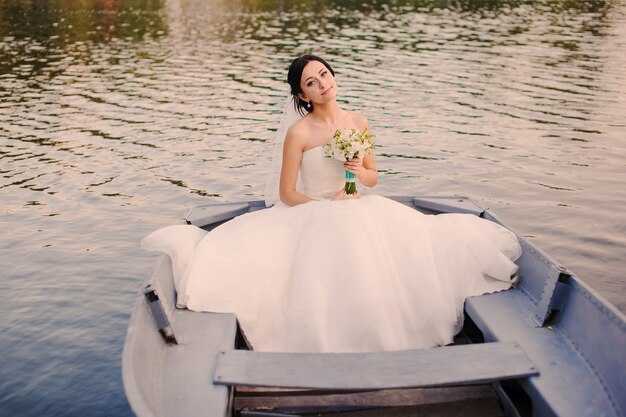
Pick a larger catamaran with 80–120 guests capacity, open white decks, and ramps for accessible guest flow to ensure smooth arrivals and departures.
For day celebrations, catamarans and motor yachts offer the best balance of space and stability; monohull sail vessels can host 40–60 guests with elegant interiors. The ideal choice depends on whether the event is a plated sit-down dinner or a casual standing reception, and on the license and crew requirements for your route and local regulations. Look for models that have a strong crew-to-guest ratio (at least 1:12) and trained safety officers, especially for wind and weather contingencies.
Deck layout essentials: main deck with shaded dining area for 60–90 guests seated, an aft al fresco lounge, and a foredeck sunpad. For overnight charters, ensure 3–6 cabins on mid-size catamarans or 4–8 cabins on larger monohulls; keep crew spaces separate. Ramps at the stern or side access help guests board with ease. The galley should be plated and equipped to handle plated meals for your planner’s menu while preserving service speed.
Facilities include restrooms, climate control, and sheltered bar areas; ensure clean cabins for overnight events. Interiors with décor in white or neutral tones; acoustic systems provide discrete background music or live acoustic sets. Ensure passengers can reach restrooms and exits easily on all decks; the layout should minimize crowding when guests move between the main deck, mezzanine (if present), and bow lounges.
Weather and wind considerations: choose vessels with sealed engines and backup navigation; ensure ramps and doors seal for spray or rain. Secure permits and license verification before booking; confirm that gratuities are clearly stated in the contract and not tied to service quality. For charters, define your preferred decor décor theme and table settings; discuss with the planner next steps for turnkey celebrations.
Guests and selections: ensure capacity is appropriate for the guest list; if the guest count is already set, filter charters that can accommodate that many with proper safety compliance. The favored approach is to book a vessel that can handle larger groups with room for a live acoustic performance and buffet or plated options. A catamaran with a stable platform and wide ramps provides the best experience for celebrations near the shore, while a sail-ready craft can deliver a dramatic wind experience for photos and memories.
Boarding, Transfers, and Scheduling Timeline

heres a concise, actionable plan to keep flow smooth: assign a dedicated host to oversee all transfers and boarding, confirm a single access code for the gangway, and hold a 15-minute rehearsal with staff on-site.
Use a fixed, location-specific sequence with subtypes mapped to docks, tender piers, and marina shuttles. The hours before embarkation are set: two hours before first entry for lighting checks and linens staging at the venue, 90 minutes before for the check-in desk to open, 75 minutes before for the first transfer departure, and 60 minutes before boarding begins; last transfer completes within 90 minutes after the ceremony start. Publish a detailed, easy-to-reference guide so everyone’s path through the day remains clear, paths are well marked, and there’s no risk of getting stuck at stairs or ramps. This setup keeps the process easy for staff and guests alike.
On-site operations: assign a single host to guide guests, monitor each location, and ensure high-quality service from barts for the bar area; use a simple map with locations, loading zones, and parking if applicable. Prepare services in advance: lighting checks, linen counts, and decorating details aligned with the theme; require a post-setup check 45 minutes before first entry; a fuel allowance should be approved for any tender transfers or other between-venue movements.
Rehearsal specifics: schedule a 15-minute run-through the day before, including deck safety, guest flow, and signaling for the crew. Prepare a concise guide for staff with keywords such as venue, hosting, location, lighting, linens, and décor to keep tasks clear. Mind the being of everyone’s comfort and safety during transitions; ensure the schedule is well-communicated to the crew and a backup clock is posted in the wheelhouse or bridge area.
Permits, Insurance, and Contractual Terms
File permits and obtain COIs early; hire a local maritime attorney to draft a clear contract that covers all stakeholders. This approach reduces challenges and clarifies responsibilities before onboarding caterers, barts, and crew; they will coordinate with operators for a smoother execution. In particular, the word privacy should be defined clearly to protect guest data and access.
-
Permits and regulatory clearance
- Secure harbor access, vessel mooring, event permits, and any required safety approvals from the port authority and local agencies.
- Submit waste plan, noise controls, and lighting plan; confirm dock timing and load-in/load-out windows.
- In washington, check county and city rules for on-water gatherings, and coordinate with the captain regarding deck layout and guest flow.
-
Insurance and liability
- Provide a COI listing host, vessel operator, caterers, and barts; include on-board activities and coverage for the vessel and premises.
- Minimum liability: 1,000,000 per occurrence, with a 2,000,000 aggregate option for larger groups; require an additional insured endorsement and waiver of subrogation.
- Document cancellation and weather-interruption terms; note surcharges that may apply if plans shift dates or space usage.
-
Contractual terms and inclusions
- Define full scope: guest count, dock space, routes for guest arrive times, and the sequence of activities and receptions, including cocktail service.
- 패키지에 포함된 내용과 제외된 내용을 포함하고, 식단 제한, 장비 및 서비스 수준을 나열하십시오.
- 개인정보 보호: 계약서에는 접근, 사진 촬영 및 데이터 처리를 규율하는 정의된 용어로 개인정보 보호 용어가 포함되어야 합니다.
- 안전 확보 약속: 안전 브리핑, 구명조끼, 훈련된 승무원, 그리고 모든 벤더를 위한 단일 연락처를 요구합니다.
-
운영 세부 사항 및 위험 관리
- 도착 물류: 혼잡을 방지하기 위해 부두 옆 임시 보관 구역을 지정하고, 비상 출입을 위한 충분한 공간을 확보하십시오.
- 날씨 및 해상: 바람, 파도 또는 멀미에 대한 비상 계획을 준비하십시오. 필요한 경우 대체 계획 또는 항구를 확보하십시오.
- 업체 조율: 케이터링, 바텐더, 바 서비스 업체와 협력하여 비전을 일치시키고 중복 서비스를 피하며, 초과 근무 또는 특별 요청에 대한 할증료를 확인합니다.
날씨 계획, 안전 프로토콜 및 접근성
Recommendation: 급변하는 날씨에 대비하여 약탈을 피할 수 있는 안전한 해역으로 신속하게 이동할 수 있는 옵션을 확보하고, 예비 함선과 명확하게 정의된 취소 기간을 포함해야 합니다. 바하마 헌장을 위해서는 면허가 최신 상태인지 확인하고, 멀미를 하는 손님을 관리할 수 있도록 승무원을 확보해야 합니다. 케이터는 선상에 고급 요리를 배달할 수 있으며, 그늘진 구역과 온도 조절 용기를 맞춘 자세한 메뉴 디자인을 제공해야 합니다. 모든 직원들을 위한 일반적인 브리핑과 이벤트 기간 동안 손님들을 위한 도움말 라인을 준비해야 합니다.
날씨 계획: 해상 예보 서비스 웹사이트를 통해 바람, 파도 및 움직임을 모니터링합니다. 가장 신뢰할 수 있는 예보 기간은 48시간이며, 운영 중에는 최소 6시간마다 업데이트를 확인하십시오. 임계값을 설정하세요. 바람이 20-25 노트 이하이고 파도가 1.5-2 미터 미만일 때만 출발합니다. 바람이 바뀌거나 돌풍이 30 노트 이상을 초과하는 경우, 출발을 피하거나 육상 의식으로 전환하십시오. 펜더를 설치하고, 선을 고정하고, 계단을 조명할 충분한 시간을 확보하십시오. 멀미 위험이 높으면 단계별 일정이나 비상 대안을 제공하십시오.
안전 프로토콜: 이동 전 안전 책임자를 지정하고 5분 화재 훈련을 실시합니다. 노출된 갑판에 있는 모든 손님에게 구명조끼를 착용하도록 요구하고, VHF 무전기, EPIRB, 응급 처치 키트가 가까이에 있는지 확인합니다. 선박 및 선원의 면허가 유효한지 확인하고, 여분의 연료와 필수 부품을 섭궤에 보관합니다. 항해 중 정기적인 기상 예보를 확인하고, 도움이 필요한 경우 명확한 비상 연락 경로를 확인합니다.
Accessibility: 선착장에서 갑판까지 널리 이용 가능한 내비게이션 레이아웃을 설계하십시오. 경사로, 넓은 문, 미끄럼 방지 표면을 갖추세요. 여성 손님이나 이동 장애가 있는 여행자를 돕기 위해 팀원을 지정하고, 조용한 공간과 큰 글씨 간판을 제공하며, 선내 경로와 접안 절차를 명확하게 하십시오. 손님들이 미리 계획할 수 있도록 웹사이트에 접근성 정보를 게시하십시오.
물류 및 설계 고려 사항: 손님 도착 및 픽업 조율: 공항에서 해안 시설까지 직접 이동하고 호텔에서 안정적인 픽업을 준비합니다. 대규모 그룹을 위한 유연한 디자인을 유지하고, 야자수 그늘 공간과 풍부한 조명을 제공하여 분위기를 향상시킵니다. 일관된 서비스를 보장하기 위해 단일 케이터 또는 선호 공급업체와 협력하고, 식이 요구 사항에 대한 옵션을 확인하며, 많은 양의 물, 연료 및 백업 전력을 확보합니다. 대부분의 시나리오는 신중한 계획으로 실행할 수 있으며, 명확한 커뮤니케이션과 비상 상황에 대한 문서화된 사례 파일을 통해 가능한 지연을 피할 수 있습니다. 조건이 허용되면 장비 및 리허설을 확인하기 위해 일찍 도착합니다.
음식, 음료, 판매업체 및 온보드 장식 정책
조정관을 통해 모든 포괄적인 케이터링 및 장식 패키지를 확정하여 명확한 기대를 설정하고 물류를 간소화합니다. 이러한 접근 방식은 당일 제약이 발생하기 전에 메뉴 옵션, 음료 흐름 및 장식 표준을 결정합니다.
더 큰 선박의 경우 3~4가지 주요 코스 또는 셰프의 시식 메뉴를 선택하고, 서비스 시간과 공간 용량을 관리하기 위해 애피타이저를 제공하며, 정식 코스에는 Pinot Grigio와 하나의 레드 와인을 제공하고, 모든 포괄형 제한 내에서 옵션을 유지하십시오.
해양 경험이 있는 검증된 공급업체로 명단을 제한하고, 배상 책임 보험 증서를 요구하며, 설치, 서비스, 해체 절차를 명확하게 설명하고, 갑판 승무원과 안전 프로토콜을 방해하는 즉흥적인 도착을 피하고, 사다리와 생명 구조 장비에 대한 접근을 보호하기 위해 동시 배송에 대한 제약을 설정하십시오.
장식은 선박 안전 미학 내에서 유지되어야 합니다. 랜턴이나 LED 조명 기구, 얇은 가랜드, 제한된 배열의 꽃을 사용하고, 개방 화염, 어수선함, 통로 또는 비상구의 통행을 방해하는 무거운 소품을 피해야 합니다. 시야 확보 및 안전 장비 접근을 위해 꽃의 양을 제한하십시오.
전체 공간 활용 계획: 식사를 위한 주요 공간, 교류를 위한 휴게 공간, 그리고 무대 및 서비스를 위한 별도의 공간; 분위기는 여정과 어울려야 합니다 - 멕시코와 카리브해의 훌륭한 옵션이 있습니다; 조정자는 승무원과 일치하여 점검 및 승인을 간소화하고, 화장실, 그늘, 좌석과 같은 편의 시설을 최적화해야 합니다.
정식 또는 편안한 분위기를 결정하고 필요한 경우 복장 규정을 정합니다. 모든 공급업체에게 의상 기대 사항을 전달합니다. 테이블웨어, 유리 제품, 표지판, 조명을 통해 정식적인 분위기가 드러나 의도한 방 분위기를 나타냅니다. 주인공이 좌석 및 서비스 구역에 대한 선호 액세스를 보장합니다. 정책은 승선 전에 선장, 승무원 및 손님에게 공개됩니다.
정책 관련 사항으로는 양초 안전, 연료원, 긴급 절차 등이 있으며, 안전에 관한 이 문제는 해양 규정, 흡연 제한, 갑판의 구역 제한 규칙에 대한 엄격한 준수를 요구합니다. 선내 책임자 및 선박 안전 담당자를 위한 빠른 연락처 목록을 제공하여 문제를 신속하게 처리하십시오.