


 한국어
한국어  English (UK)
  Русский
  العربية
  日本語
日本語  Magyar
  Türkçe
  Español
  Čeština
  Svenska
  Português
  Ελληνικά
  Suomi
Suomi  Nederlands
  Română
  Italiano
  Français
  Polski
  Українська
  Deutsch
  简体中文
简体中文  Slovenčina
 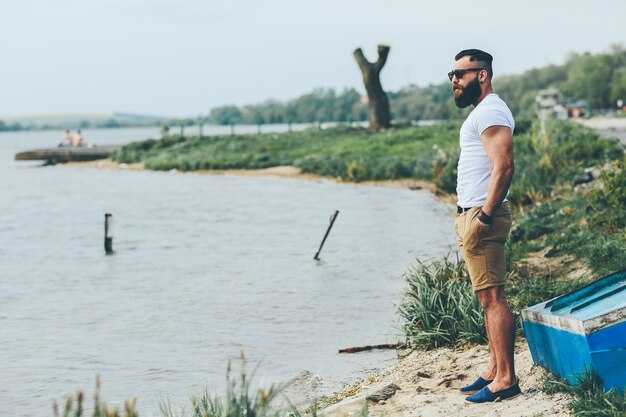 Naples FL Fishing Guide – Inshore & Offshore Tips & Best Spots">

Begin with a precise plan: secure a valid saltwater permit, pick a marina with easy access, and time your launch to the tides. Check NOAA and local forecasts for southwest winds, and structure the day around two targets: a flats-and-shoreline route for nearshore species and a deep-water run for pelagic opportunities. Bring drinks, sunscreen, and a shade shelter to stay comfortable between bites.
In the nearshore zone, flats and shorelines host a varieties of redfish, snook, and speckled trout. Your communication with the crew should be crisp as you cover oyster bars and grass edges. The источник of knowledge here is a blend of marina reports, local guides, and this article, highlighting waterways that support mullet runs and tarpon migrations during seasonal shifts. Target structure with light tackle (12–20 lb) and baits such as shrimp or pinfish. Plan to fish in the early hours and again at dusk for high chances.
For deep-water options beyond the nearshore belt, plan longer trips and consider charter arrangements from Myers Marina. Offshore action centers on pelagics such as king mackerel and mahi-mahi during favorable fronts and warmer water. Use a multi-rod spread and trolling lures; maintain crisp communication with the crew and other vessels via VHF. Open-water pursuits often require adherence to state regulations and permits for protected species; always verify local rules for the season and zone.
Gear and navigation technologies support reliable results: a dependable sonar, a GPS chart-plotter, backup batteries, and properly rigged tackle for multiple presentations. Pre-load maps for the southwest Gulf channels and waterways. Map shorelines, ledges, and grass edges to guide casts; keep a handheld VHF for shore-to-boat communication and safety updates. When conditions tighten, switch to slower, precise drifts and use realistic baits to maximize hit rates.
Article overview of current patterns and access points, drawing on multiple charter crews. It explains how to balance nearshore flats with open-water days, with notes on weather, tides, and celebrations in coastal towns. whats working this season includes live bait on calm mornings and accurate long casts to ledges; consult the источник for local catch patterns and adjust your plan based on conditions.
WELCOME TO SALTY SAM’S MARINA
Book a captained charter through getmyboat for your next coastal outing, and you’ll gain a safe, well-led experience. The marina sits along historic shorelines with protected slips and a clean, efficiently run dock, ideal for both day trips and longer explorations.
For planning, consult tripadvisor for those operator reviews; the statistical trend shows high satisfaction when crews maintain well-kept boats, clear communication, and punctual departures. Typical itineraries run within an hour or two, with options to stay longer if weather and wildlife conditions permit. Beverages are available on many vessels, and you may bring light snacks–exclusively check with the captain about onboard policies.
Onsite you’ll find diverse craft, from nimble skiffs to larger captained vessels; captains follow established safety protocols, provide life jackets, and keep gear ready behind the scenes. If you want to explore tranquil shoreline coves or push farther from the coast for deeper water, tell the captain and they’ll tailor the route. The dock staff keep the yard clean, behind the scenes logistics run smoothly, and a guard presence helps ensure calm conditions for families and groups.
When you make plans, choose the next date with confidence: dawn, late afternoon, or mid-morning departures align with tide windows and light. Those trips offer good opportunities to observe wildlife, marine habitats, and historic landmarks along the coast. After your time on the water, log your experience on tripadvisor and share details that help others plan their own trips for more wonderful and memorable adventures.
Identify Seasonal Bite Windows for Redfish, Snook, and Trout
Target the last two hours of the incoming tide and the first hour of the outgoing tide during springs and autumns to maximize action on redfish, snook, and trout along mangroves and edge-bottom drops. Presentations should stay near the bottom with a slower, steady retrieve; when a school accelerates, switch to a faster cadence. Position your boat in docking lanes for stability and use technologies like side-imaging sonar to confirm bottom structure and where bait concentrates. Ensure your gear and rig are captained for waters across the south and west coasts; rental options expand flexibility and enhance experiences. dont overlook pompano along shallow bars and the keewaydin flats during seasonal shifts. tripadvisor reviews often highlight crews that nail these windows, and a fifth star setup can make the trip smoother.
Redfish windows by seasons: springs and autumns along mangroves and west-facing flats show the most reliable action in 2–6 ft depths near channel edges. The prime bite lands on the last two hours of incoming tides and the first hour of outgoing tides. Bait choices include live shrimp or mullet; rig with a light jig and maintain contact with the bottom. In midsummer, activity tends to shift to dawn and dusk near deeper docks and canal mouths; cover water with a faster cadence to locate moving schools. Pompano frequently frequent shallow bars in spring, so stay alert for opportunities to shift targets if redfish push the bite.
Snook windows start in springs with pre-spawn activity along passes, bridges, and mangrove shorelines; fall yields post-spawn bites in similar zones. Winter fish favour sheltered coves and waters that stay above roughly 60–65F; best action returns at dawn and during night hours in warmer months. Use live bait or soft plastics with a heavier rig to hold current near structure; keewaydin coastlines offer solid options. Must follow local rules and allowed times for nocturnal fishing, and plan accordingly with a captained craft.
Speckled trout show in springs and falls along channel edges and grass flats in about 2–5 ft of water; winter fish lie deeper near channels or around floating structure. Focus on dawn and dusk feeding windows, then switch to bottom-bouncing plastics as light climbs. Topwater lures perform well in low light, transitioning to soft plastics later in the day; work the bottom along shell banks and mangroves to connect with slow-moving trout.
To act on this, map bottom contours with technologies and find pockets where current and structure converge. Start mostly in south and west waters, and keep your crew tight with a captain-led plan. Your rental craft and guiding amenities ensure a smoother experience, and international experiences and tripadvisor reviews reward those who choose well; ensure your plan begins with the spring windows and continues through the fifth star portions of your trip.
Top Inshore Spots Within 20 Minutes of Salty Sam’s Marina
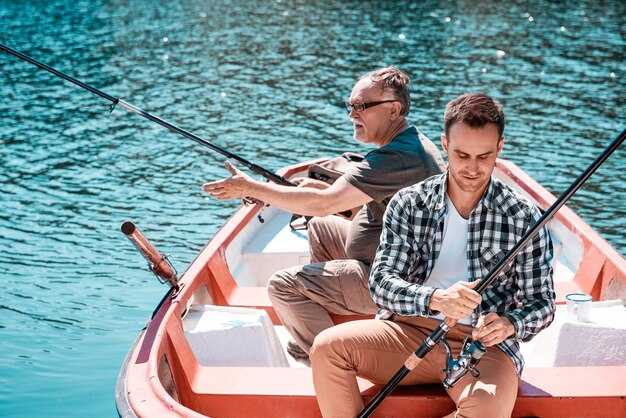
Recommendation: Begin at Honeysuckle Cove at first light for immediate action; access from the southwest channel is straightforward, and the shallow edge is used by a wide line of vessels to chase redfish, snook, and trout. The purpose is to maximize bites during the early hours; cruises should stay within 20 minutes of the marina, which keeps fuel use and wear low. For qualified anglers, the bite can be steady; plan a quick run between this site and nearby locations for a wonderful concentration of action. Hours of peak activity run from dawn through mid-morning; leave the site before the strong afternoon current. Tours and charters operate with consent from harbor authorities; communication with crew remains critical to avoid collisions; a good line of sight and trolling plan will produce consistent action without disturbing wildlife. This approach is definitely made for cruising along the shoreline with a similar plan, providing good action across a southwest-facing shoreline.
Within the 20-minute envelope, nearshore locales offer reliable action across conditions. Similar setups share mud flats and seagrass edges, which concentrate bait and provide ambush points for predatory species. This plan emphasizes access, action-focused tactics, and staying close to the coast to keep the pace efficient and enjoyable for a range of anglers.
| 위치 | Approx. Reach (min) | Depth (ft) | Target Species | Ideal Hours | Access/Notes |
|---|---|---|---|---|---|
| Honeysuckle Cove | 8-12 | 6-12 | Snook, Redfish, Seatrout | 7-11 AM | Southwest channel entry; easy entry from godfrey dock; use light tackle; avoid wildlife disturbance |
| Seagrass Flats / Mangrove Edge | 10-15 | 4-8 | Redfish, Seatrout, Tarpon juveniles | 7-11 AM; 3-6 PM | Protected, shallow pockets; anchor gently; reduce seagrass impact; quiet approach |
| Tin City Channel Mouth | 12-18 | 10-15 | Spotted Seatrout, Snook, Lane Snapper | 9 AM-12 PM; 3-6 PM | Tide-driven; watch traffic; versatile for soft plastics and jigs |
| Governor’s Cut Vicinity | 15-20 | 8-14 | Snook, Redfish, Sheepshead | 6-10 AM; 4-7 PM | Longer run; deeper water; access via godfrey dock; mind currents and vessel traffic |
Offshore Gear Setup: Rods, Reels, Lines, and Baits for Naples Deep Sea
Users asked which configuration handles the largest targets; the answer is a 50-80 lb class combo: a fast-action main rod, a high-capacity conventional reel in the 4.0-1 to 4.5-1 range, 200-300 yards of 80 lb braided line, and a 60-100 lb fluorocarbon leader 4-6 ft long. Pair live-bait hooks (5/0-8/0) with 4-6 oz sinkers for steady slow-pulls, and keep a skirted trolling lure ready for speeds around 6-9 knots. This setup covers nearly all trips and keeps options open in several weather windows.
로드와 릴: 빠른 액션의 6’6″–7’6″ 무거운 끌개 로드를 50-80lb 등급의 컨벤셔널 릴과 함께 사용하거나, 큰 표적을 위해 고용량 80lb 릴을 사용하세요. 80lb 브레이드 200-300야드를 스풀에 채우고, 60-100lb 플루오로카본 리더를 4-6ft 길이로 연결하세요. 드래그는 80lb 설정에서 25-30lb에서 테스트되어야 합니다. 가벼운 작업의 경우, 20-40lb 스핀 리그와 30-60lb 리더를 휴대하세요. 브랜드 옵션으로는 Penn, Shimano, Daiwa, Avet 등이 있으며, 내구성을 테스트하기 위해 여러 가지를 번갈아 사용하세요. 릴은 당기는 속도인 6-9 노트에서 매끄럽게 유지되어야 하며, 선이 깨끗하게 꼬임 없이 잘 풀려야 합니다.
라인과 묶음: 메인 라인은 50-80 lb 브레이드, 리더는 60-100 lb 플루오로카본, 4-6 ft. 더 무거운 표적, 예를 들어 대형 그루퍼나 앰버잭의 경우 리더를 100-130 lb까지 늘리세요. FG 묶음이나 더블-유니와 같은 튼튼한 연결을 사용하세요. 바닥 장비 옵션으로는 바닥 접촉을 위해 6~12온스 싱커를 사용하고, 썰림 스프레드는 잠수형 플러그나 스커티드 베이트를 사용합니다. 모래톱 채널 근처에 위치하면 미끼가 나타나는 것을 늘리고 더 큰 종을 표적으로 삼을 수 있습니다.
미끼와 전술: 생미끼로는 핀피시, 멸치, 도깨비고기, 오징어 조각 등을 사용하고, 뽈락 및 멸치와 같은 잘린 미끼는 밑바닥 목표물에 효과적입니다. 생미끼에는 5/0–8/0 원형 훅을 사용하고, 수중 구조물 근처 장비에는 6~8온스의 무게추를 사용합니다. 봄과 여름에는 모래톱 주변의 이른 아침이나 늦은 오후에 물이 잘 될 수 있으므로, 승무원을 위한 음료 및 간식 등을 담은 아이스박스를 준비하세요. 키위딘 마리나는 흔한 출발점으로, 영업시간을 알면 연료와 보급품 계획에 도움이 됩니다. 이러한 권장 사항의 근거는 거의 모든 여행에서 승무원이 현장 테스트를 실시한 것이며, 그들은 상황과 추적하는 종에 따라 장비를 조정합니다.
조석, 빛, 그리고 날씨: 나폴리 연안에서의 시간대별 전략
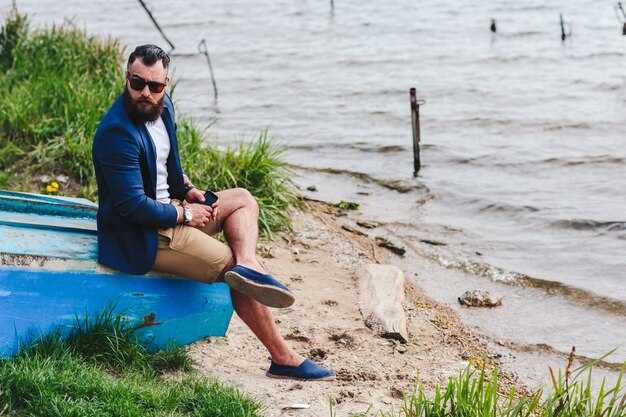
해안선 절단과 수로 낙하 지점에서 새벽부터 시작하여, 24피트 선박을 가장자리에 닻을 고정하고, 물살이 먹이 통로를 형성하는 곳으로 미끼를 바닥 쪽으로 밀어 넣으십시오. 새우 모방 플라스틱이나 작은 스푼을 사용하고, 배를 구조물에 가깝게 붙여 배 안의 아이들을 위해 물을 깨끗하게 유지하십시오. 일반적으로 이 계획을 고수하는 낚시꾼들은 15–30분 이내에 팜파노와 다른 저층 먹이 대상이 반응하는 것을 목격합니다.
오전 중반, 태양 각도는 맹그로브 둑과 섬 앞쪽의 먹이 통로를 드러냅니다. 물이 가장 먼저 따뜻해지는 남쪽 해안을 여행하고, 2~4피트 위에서 바닥에서 현재 속도와 일치하는 얕은 러닝 플러그 또는 소프트 플라스틱으로 전환하세요. 맑은 물에서는 천연 색상이 뛰어나고, 탁한 물에서는 입질을 유도하기 위해 형광 노란색 또는 고대비 색상을 선택하세요.
오후와 늦은 시간의 창은 해안가의 굴집과 가라앉은 둔덕으로 이동합니다. 빛이 부드러울 때는 작은 스푼으로 천천히 끌거나 절벽을 가로질러 생새우를 사용하세요. 낮이 저물면 넙치, 잭피쉬, 스누크가 물릴 수 있습니다. 장비를 가볍게 유지하고 빠른 움직임에 대비하여 릴을 준비하세요.
장비 선택은 중요합니다. 폰툰과 24피트 센터 콘솔 설정을 통해 안정적인 플랫폼에서 캐스팅을 안정화하여 사용자 가족이 피로감 없이 즐기기 쉽게 만듭니다. 아이들은 잔잔한 물에서 매듭 묶기와 미끼 작업을 배울 수 있으며, 다리 교각 근처나 몰림어 떼에서 확실한 물린 맛을 느낄 수 있습니다.
계획을 확장하려면 줄리안의 세계를 보카 오퍼링과 연결합니다. 줄리안의 목록에는 수변 접근 지점, 섬, 그리고 간척수로가 포함됩니다. 독특한 네트워크는 무한한 물과 꼼파노를 비롯한 해양 생물과 함께 멋진 하루를 선사합니다. 빠른 지도를 원하시면 링크를 사용하여 섬 근처의 얕은 모래톱에 물고기를 보유한 남쪽 물을 가로질러 경로를 탐색하십시오.
Salty Sam’s Marina Access: Launch Ramps, Docks, and Charters
오늘 아침 4시간 제트스키 대여를 예약하세요. 부드러운 접근성, 사용하기 쉬운 램프, 유연한 대여를 통해 가족이 몇 분 안에 탐험을 시작할 수 있습니다. 공식 웹사이트 또는 TripAdvisor를 통해 예약하여 시간과 선박 유형을 확보하세요.
- 경사로: 혼잡 시간대에 현장 직원이 있는 부드럽고 넓은 콘크리트 진입로 두 개입니다. 조류가 중간에 있을 때와 아침에 바람이 약할 때가 가장 좋습니다.
- Docks and slips: 보호된 수심이 있는 곳을 따라 떠 있는 손가락 모양의 선착장; 펀 레이더 보트부터 중형 콘솔 보트까지 크기에 맞는 슬립; 선택된 슬립에서 물과 육상 전력 사용 가능; 보안을 위해 현장에 경비원이 있습니다.
- 보트 임대: 캐주얼한 하루에 이상적인 보우라이더부터 더 긴 크루즈를 위한 더 큰 센터 콘솔까지; 마이어스 가족의 선호도는 해안 탐험과 가족 나들이를 위한 중대용량 보트에 기울어져 있습니다.
- 차터 상품: 선장 주도 아침 일찍부터 시작되는 여정; 해안 근처 노선을 선택하여 해안선을 탐험하거나 지역의 주요 명소를 방문하는 더 긴 일정을 계획하세요; 오늘 이용 가능한 내용은 웹사이트 또는 TripAdvisor에서 확인할 수 있습니다.
- 해양 생물과 항로: 돌고래가 함께하는 모습을 기대하고, 턱새와 같이 해저에 가까운 표적 종들을 바위 층 근처에서 노립니다. 생산적인 해저 구조에 머물기 위해 현지 차트를 모니터링하고, 부두에서 제공되는 해양 규칙 및 안전 지침을 준수하십시오.
- 실용적인 참고 사항: 준비된 점검 목록을 가지고 램프에서 시작하고, 선크림, 모자, 그리고 물을 가져오세요. 경비원이 차량 및 트레일러 주차를 도와줄 수 있습니다. 키위딘과 역사적인 백워터 지역을 방문할 계획을 세우세요.
- 예약 및 가격: 요금은 보트 클래스와 계절에 따라 다릅니다. 예약은 시간을 절약해 줍니다. 임대에는 구명조끼 및 기본 안전 장비가 포함됩니다. 연료 및 마리나 수수료가 부과될 수 있습니다.
수천 명이 해안선을 따라, 그리고 인근 해역으로의 새벽 모험을 위해 Salty Sam’s를 신뢰해 왔습니다. 이 마리나는 수많은 가족 나들이를 개최했으며, 계속 늘어나고 있습니다. 현재 예약 가능 여부는 공식 웹사이트와 TripAdvisor 목록을 확인하고 Myers 가족 및 다른 선원들이 경험에 대해 어떻게 말하는지 읽어보세요.