


 한국어
한국어  English (UK)
  Русский
  العربية
  日本語
日本語  Magyar
  Türkçe
  Español
  Čeština
  Svenska
  Português
  Ελληνικά
  Suomi
Suomi  Nederlands
  Română
  Italiano
  Français
  Polski
  Українська
  Deutsch
  简体中文
简体中文  Slovenčina
  Insider Tip for Sailing the Sporades in Greece – Mamma Mia in Greek">

Book a yacht and begin in Skiathos. 그리고 high sun and huge coves make the first day 장관적인. If you booked a route that loops from Skiathos to Skopelos and Alonnisos, you’ll land at an isle beach before lunch and still have time for a sunset in a 아주 즐거운 cove.
For expert captains and newlyweds, the Sporades offer 아주 즐거운 contrasts: calm mornings, gusty afternoons, and beaches with white sand. The park of anchorages around Skiathos, Skopelos, and Alonnisos gives you 빠른 options to adjust plans, with a 요트 handling that stays 장관적인.
Pack light 가방 and keep a breeze-ready kit; the 장관적인 seas can shift in minutes. If seasickness worries you, take a pill before departure and keep a few salty crackers handy; the isle stops stay 아주 즐거운 and close to shore for easy breaks. This route must be on your radar if you want high comfort and real Greek charm.
Believe in a relaxed pace: morning swims, noon islands, and sunset sails that end with a charming tavern dinner along clear water. For newlyweds, arrange a private cove and a sunset deck moment; Skiathos Town gives a 아주 즐거운 glow and 장관적인 photos.
From the breeze of skiathos to the spectacular cliffs of Skopelos, the Sporades reward a plan that keeps pace with comfort. only a plan that matches what you wanted and what the weather allows will deliver true ease on deck. If you believe in slow cruising and delightful discoveries, this route becomes a yacht charter that you and your crew will love.
Practical sailing blueprint for Alonnisos Steni Vala and the Sporades
Begin with a two-leg loop: Steni Vala to sheltered coves along Alonnisos’ south coast for a delightful lunch and a swim, then anchor for the night in a calm bay before returning toward Patitiri, the city, for provisioning and a touch of cultural beauty.
Plan short hops of 6–12 nautical miles, usually 2–4 hours at 5–6 knots under steady sea breeze. In summer, expect 10–20 knots from the north to northeast; spring and autumn bring lighter air and reliable afternoon seabreezes around 12–18 knots. Times shift with fronts, so aim to finish hops by late afternoon for comfortable anchorages and night viewing opportunities.
Extend to Skopelos with a daytime passage of 12–22 nautical miles, typically 3–5 hours depending on wind; you’ll find excellent tavern options and bays for swimming along the way. If you include a longer arc that touches folegandros, map your legs to keep daylight hours for sailing and reserve single overnights in protected harbors, making the cruise smooth and enjoyable.
Navigation basics: carry up-to-date Sporades charts, a reliable GPS backup, and a compact set of quadrants for celestial sights or cross-checks at night. Use a quick bearing check from 2–3 fixed points to keep your track clear and build trust in the plot.
Anchor strategies: pick coves with sandy or muddy bottoms, good holding, and protection from wind shifts. The archipelago becomes a delightful playground for swims, shore hikes, and wrecks to explore by snorkel. Consider a swing keel if available or use a stern anchor near wreck sites for divers, keeping safety first. Night arrivals should align with hour-by-hour wind changes; always wear life jackets when on deck after dark.
Provisioning and service: in Steni Vala and Patitiri you find delightful tavernas and a few taverna options with excellent service. Buy fresh fish, olives, and bread daily, and pick a taverna with a view to enjoy sunset after the sail. The living culture of the islands comes alive in the city at night.
Be mindful of environmental limits within the worlds of history and nature and the World Biosphere Reserve around Alonissos and the surrounding seas. Respect cultural heritage sites, including anavatos on a separate inland trip if you have a land day; viewing the ruins provides a stark perspective on earth and history, then return to the boat with a renewed sense of being and balance.
Clouds and times: always check VHF for weather warnings; keep a single engine backup plan; maintain a steady schedule to avoid crowded anchorages and to maximize experiences with taverns and quiet nights. It seems the islands reward patient sailors with calmer seas and richer stops, and the plan keeps you connected to local life while you keep your crew safe.
Best timing for Sporades passages from Alonnisos

Depart Alonnisos at 07:00–08:00 for Skopelos: a 20–25 NM crossing that typically takes 3–4 hours at 6–7 knots. Calm seas yield a complete morning and an exquisite, spectacular view of the white coast. This route carries a century of seafaring tradition; bring a couple of drinks, set the plan onto the next leg, and sail knowing you’ve chosen a light start for the day.
In late spring and early autumn, use dawn departures to Skopelos or directly toward Skyros to avoid the strongest NW breezes. Knowing the forecast lets you dodge the heaviest gusts; if winds rise above 15–20 knots, shorten the leg or pause at Steni Vala for shelter. This cultivated discipline preserves energy, and you can sample a few anchorages along the coast for enriching swimming, lunch, or a quick walk ashore with a view that never fails to inspire the crew.
From Skopelos to Skyros, plan 22–28 NM with 4–5 hours at 5–7 knots; depart 06:30–08:00 to catch a calmer morning and a steadier ride. The deeper open water along this stretch reveals cliff faces and coves that make the crossing feel spectacular. You may opt to visit Steni again for a brief drive ashore, then continue to Skyros if the crew is tired, or push directly to a favorite beach for a longer stay.
Practical notes: carry enough cash for harbors, fuel, and taverns; keep a sample of charts and a tide table, plus a small stash for drinks and snacks. The coast offers beaches and sheltered bays ideal for swimming and rest; plan weeks of flexible routing to enrich the course and provide many chances to sample local cultivation, tastes, and treats. Over the weeks, this cultivation of a relaxed rhythm keeps the crew energized. A donkey may wander the quay at some stops, a humorous reminder of island life, while the crew stores memories and a few vignettes to enrich them. This approach ensures you finish each leg with a sense of completion and a wider view, and a well-earned taster of the Sporades life.
Harbor, mooring, and anchorage options at Steni Vala
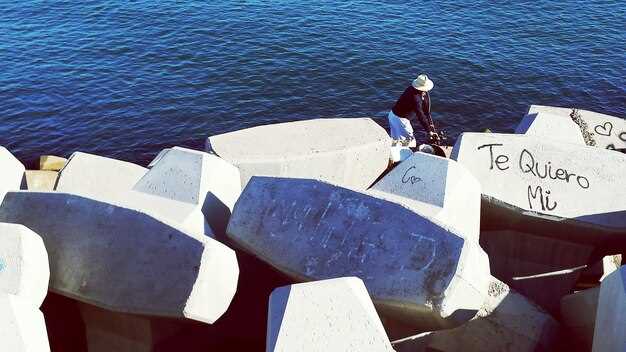
Instead of one rigid plan, start with the right-side quay as your first option when space allows. Tie alongside or stern-to with a spring line, and let the crew handle the lines. The quay area is spacious and well-situated for provisioning, with water available and a modest power supply. The stretch of quay is renowned for easy access and clear water, and the cliffs along the headland create a sheltered pocket that suits a yacht and crew during calm hours. After your bow-to approach, you can step ashore for a quick meal or a bottle of ouzo at the nearby tavern.
If quay space is tight, anchor off the left side in four to seven meters of water during calm hours, with the anchor set in a sand/shell bottom. Use generous scope, and never rely on a single line in changing wind. This anchorage is nearly always protected from easterlies, and after a short stay you may enjoy mandarins and fennel aromas from the nearby tavernas. Humidity climbs in the afternoon, but the water remains clear, making it easy to spot the anchor and keep a steady swing with the wind.
For longer visits, the inner wall offers a right-side mooring option that pairs well with a stable line to a bollard. A yacht here can sit in a spacious corner, with facilities nearby and the opportunity to cross to shore by tender. Unlike crowded ports, this spot lets you keep a low profile while the four o’clock breeze aids calm handling. The area is renowned for its relaxed vibe and the chance to enjoy ouzo and a spoon of fennel oil with a seaside snack. If your crossing into Steni Vala comes from the main Sporades routes, check harbor hours and keep your crew ready to assist, especially during peak times.
| Option | Mooring/Anchorage | Depth (m) | 보호 | Facilities | 참고 |
|---|---|---|---|---|---|
| Quay mooring | Right-side quay | 2-4 | Good in W/NW; sheltered in many directions | 물, 제한된 전력, 부드러운 접근 | 공간이 좁을 수 있습니다. 천천히 접근하세요. |
| 선체에서 내부 벽 쪽으로 | 내부 벽면 | 3-6 | 약한 바람부터 중간 바람까지 매우 안정적입니다. | 선, 볼라드, 때로는 신선한 물 | 승무원의 도움이 가장 좋습니다. 지나가는 교통에 주의하십시오. |
| 오프쇼어 좌측 앵커 | 왼쪽에서 | 4-8 | 고요한 시간에 보호됨; 강한 북서풍에 더 노출됨 | 바닥: 모래/조개껍데기; 그네 공간 | 풍부한 범위를 사용하라; 해안으로 흔들리지 말라 |
| 부이 모링 | 해안 방파제 부표 시스템 | 3-5 | 바람이 바뀌면 중간 정도의 보호 | 부표 라인, 빠른 접근 | 항관리아저씨와 확인하세요; 조건은 빠르게 변합니다. |
맘마 미아 (Mamma Mia) 그리스어: 도킹, 프로비저닝 및 식사를 위한 주요 구절
가장 큰 항구에서 조용한 정박을 예약하고 항해 책임자와 확인하십시오. 지시 사항과 시간을 기록할 수첩을 가져오십시오.
Docking phrases:
- 부두로 안내해 주시겠습니까?
- 우리 요트가 부두에 공간이 있나요?
- 가능하다면 물과 220V 전기가 있는 계류를 원합니다.
- 이 정박에 대한 요금은 얼마인가요?
- 방파제가 지금 정박을 위해 열려 있나요?
- 어느 VHF 채널에 연락하여 항구 지침을 받아야 할까요?
- 우수한 서비스의 상징을 목표로 합니다. 도와주십시오.
- 우리는 정박 후 해당 지역을 탐험할 계획입니다.
- 지시 사항을 기록하기 위해 스티노 패드를 가져옵니다.
- 공간이 가득 찼다면 가장 가까운 대체 부두를 제안해 주십시오.
- 지역 제한 사항에 대해 알려주세요.
프로비저닝 구문:
- 지역 농산물 판매를 위한 최적의 시장은 어디인가요?
- 신선한 과일, 채소, 유제품, 올리브 오일, 그리고 빵을 원합니다.
- 현금 또는 카드를 받으시나요?
- 배로 배달을 받을 수 있을까요?
- 시장 개장 시간은 언제인가요?
- 우리는 근처 농부들의 상품을 선호합니다.
- 좋은 올리브 오일과 꿀 추천 있으신가요?
식사 관련 표현:
- 모자이크가 보이는 테라스에 2명 자리 부탁드립니다.
- 해산물과 그리스 샐러드, 글루텐 없음.
- 채식 옵션이 있나요?
- 오늘의 갓 잡은 생선에는 어떤 와인이 어울릴까요?
- 가벼운 옷을 입습니다. 그늘이 있나요?
스포라데스를 탐험하는 것은 현지인들과 직원들과의 훌륭한 교류를 보상받으며, 받는 서비스는 그리스의 환대 정신을 상징하게 됩니다. 항구의 모자이크는 깊은 전통을 반영하고, 근처의 농산물 시장은 배에서의 식사에 신선한 풍미를 더하여 이 항해의 일부를 이 해역을 항해하는 누구에게나 기억에 남는 경험으로 만듭니다.
스포라데스에서 정박하기 위한 지역 규칙, 수수료 및 항구 예절
지정된 부표 또는 마리나 계류장에서만 정박하십시오. 다른 선박을 위해 공간을 확보하고 지역 규칙을 준수하기 위해 표식이 없는 정박을 피하십시오. 이것이 스포라데스에서 문제 없는 체류를 위한 가장 빠른 방법입니다. 좋은 사례의 핵심은 간단합니다. 수로를 존중하고 게시된 공지를 준수하며 항해사 사무실을 진실의 원천으로 활용하여 미리 계획하십시오. .
- 계류 요금 – 부유 정박 요금은 일반적으로 12m 이하의 보트의 경우 1박당 20~40 EUR, 더 큰 선박은 더 많은 요금을 지불합니다. 마리나 정박 요금은 일반적으로 1박당 40~120 EUR이며, 계절 및 정확한 위치에 따라 달라집니다. 전기는 1박당 6~12 EUR를 추가할 수 있으며, 물은 종종 포함되지만 때때로 별도로 청구됩니다.
- Payment and permits – Carry cash in EUR and a card as backup; some ports accept card payments at the quay office or via marina terminals. In busy periods, secure a berth before arrival and ask the staff about any local cruising permits or cruising tax requirements.
- Approach and space – Look for marked entry lanes and approach slowly to minimize wake. Give close space to other boats maneuvering in tight sails and keep a clear path for ferries and fishing vessels. In bays with nesting sites, keep engines off when at anchor to protect their habitat.
To unearth practical tips, speak with skippers who have sailed these waters for a lifetime. Worldwide practice favors courtesy: avoid circling in busy mooring fields, and always retract fenders when leaving a spot to prevent eye-wateringly loud clashes with other boats during busy hours. If you haven’t planned ahead, you’ll miss the best spots near Alonnisos or Skantzoura, where the water is as clear as wine and the coastlines are as friendly as their locals.
Port etiquette by style of arrival – In the bigger harbors, be patient: the huge influx of visitors can tighten space, especially near Patitiri on Alonnisos or the main quay at Skiathos. A quiet, courteous approach wins over staff and fellow visitors alike; refrain from loud music after dark and avoid blocking access lanes for fishing boats, ferries, or emergency craft.
- Beaches and isles – If you plan to visit small isles like Skantzoura or nearby coves, call ahead or check the posted schedule; reserve a spot on popular days to avoid disappointment. When anchored offshore, maintain a deep watch for changing wind and current to prevent a sudden close approach with shorelines or moored boats.
- Waste and facilities – Use designated waste and pump-out facilities; never discard garbage at sea. Carry enough water and fuel ashore via official docks, and return with empty tanks and full trash bags; this keeps the beaches pristine for the next visitor and the local economy intact.
- Provisions and social cues – In busy harbors, friendly dock staff can point you to nearby supermarkets and tavernas. Expect a contrast between the calm, nestling coves and the busy quays during beach wedding seasons or local festivals; plan around these to avoid crowds and noise near moorings.
Island notes: Alonnisos, with its protected coast and serene coves, rewards careful planning and patient handling of lines. Skantzoura’s tiny isles require shorter stays and precise manouevers; Skiathos and Skopelos have dense traffic in peak months, so book early and prepare to maneuver deeper into sheltered bays. In all cases, keep a lookout for posted restrictions around protected nesting areas and avoid anchoring within marked bans.
Practical cue: always check the latest notices on site–источник official port boards, then confirm with the harbour master. If you haven’t done this, you’ll lose chances to anchor in prime spots around the islands’ nesting beaches. Remember, a well‑tuned approach makes your visit a memory of a lifetime, not a headache–whether you’re a visitor or returning to your favorite isle after decades.
Finally, nurture a friendly rhythm with local crews: greet with a smile, offer a wave when you pass, and share a quick hello at the quay. Your eye and your eye‑wateringly gorgeous surroundings deserve the best care, and responsible mooring is the best part of any Sporades experience–a true contrast to crowded, careless harbours and a reminder that the Sporades’ essence lies in respectful sailing, good wine or beer, and generous hospitality.
Hidden coves near Alonnisos reachable by a small yacht
Anchor in a protected cove along Alonnisos’ east coast, just a short dinghy hop from Patitiri, and let guests step ashore for a warm welcome. The shore offers a tiny tavern, a hillside church, and olive groves that reflect the island’s agricultural heritage. A lack of crowds keeps the site peaceful, and neighbor homes add a sense of genuine Greek life, boosting comfort for a longer, more relaxed stay.
From there, take a light sail to two hidden coves that stay calm even when the wind shifts. One offers a crescent beach with clear, shallow water–perfect for taking a dip and a little snorkel. The other curves around a rocky promontory to form a caldera-like pool of warmer water–really inviting for a quick soak. Both coves are rarely visited by larger boats, so you can avoid crowds and enjoy the quiet best moments on your trip.
Back at anchor, you’ll feel the neighborly rhythm of greece. Fishermen sometimes share fresh herbs, guests gather on deck for a treat, and the nearby church bells mark time-honored heritage. If you have time, also visit Mesta on Skopelos to see the much-loved stone houses and a hillside church. A short tender hop lets you sample taverns that serve rustic meals and local wine with easygoing charm.
Practical notes: plan 4–8 nautical miles from Patitiri; at 5–7 knots, that’s roughly 0.6–1.5 hours. Depths in these coves usually run 2–8 m, so drop anchors with a scope of about 4:1 in calm winds and consider a stern line if rocks loom close. Check the morning wind forecast, as warm coastal air can shift quickly, and bring water, shade, and sun protection. A calm day yields a wonderful balance of water-taking restraint and comfortable on-board life, with guests avoiding the hard work of crowded harbors.