


 한국어
한국어  English (UK)
  Русский
  العربية
  日本語
日本語  Magyar
  Türkçe
  Español
  Čeština
  Svenska
  Português
  Ελληνικά
  Suomi
Suomi  Nederlands
  Română
  Italiano
  Français
  Polski
  Українська
  Deutsch
  简体中文
简体中文  Slovenčina
  How to Clean and Protect On-Board Electronics – A Practical Guide to Prevent Damage and Extend Lifespan">

Power down the main electrical bus before touching any components. This basic step lowers risk of shorts. It keeps personnel safe; it preserves traces; it reduces data corruption during servicing.
Specifically perform a focused inspection of the onboard frame; hatch seals; ruggedized housings; rigging looking for grease buildup, intake blockages, untreated dust, moisture near connectors.
For cleaning, use lint-free wipes moistened with a formulated cleaner designed for electronics; avoid liquid pooling near ports. Wipe delicately along traces in the frame; then rinse with minimal moisture at seams such as the hatch opening. For touchscreens, apply a light pass with a microfiber cloth; do not scrub untreated surfaces. Let surfaces dry for hours before reassembly.
Adopt a single approach for a starting sequence; avoid deregulating voltage; test sensors in short cycles; ignoring early signs triggers hidden corrosion on traces inside ruggedized assemblies. The disadvantage of neglecting routine checks lies in diminished reliability.
When finished, store accessories in a dedicated container to prevent contamination from rigging boot grease; keep hatch closed during test runs; monitor displays for anomalies during the moment of starting.
Schedule regular reviews of intake performance; verify traces remain clean after hours of operation; use the frame to anchor cables; avoid loose contacts. This smoother workflow reduces misreads on displays and supports a durable onboard setup.
이 approach prioritizes proactive checks; rogue traces won’t degrade operation in harsh environments; a routine keeps systems reliable.
4 – Why choose professional maintenance services
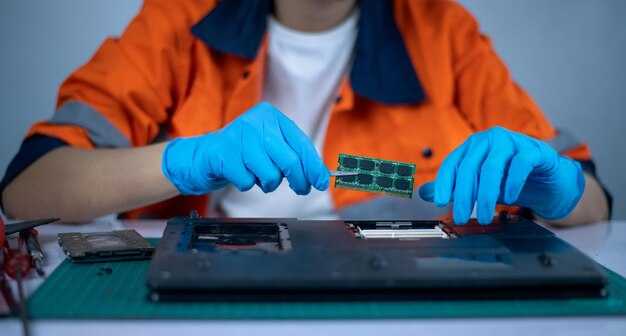
Choose certified maintenance providers for critical systems; they perform electrical safety checks, corrosion assessment, wiring integrity tests, plus calibration of monitoring sensors. Some modules require calibrated tests beyond routine checks.
Rigorous diagnostics reveal variations in conductivity; detect overheating risks; identify deposits from saline environments. Valves, pumps, automatic relays get bench-tested; if a component shows corrosion or insulation wear, technicians propose replacement immediately. These steps reduce sudden failures during navigation; they are promoting safe operation.
Even under salt spray, durability improves with professional care. Moisture challenges: salts, mineral residues, humid air can conduct moisture more easily, creating conductive paths on circuit boards. Deposits date when exposed to waters; professional teams prioritize surface treatment with solvents safe for plastics, coatings; reassemble modules to ensure sealed connectors resist moisture ingress. This practice contributes to durability, resistance to harsh conditions.
Resale value rises with documented professional care; technicians record service history, apply wrapping to exposed cables, provide a maintenance log that constitutes a trustworthy record for buyers. Ideally, you keep a dated checklist for every visit; making it easier to verify warranty requirements and security standards.
Rigorous scheduling aligns with date milestones; those checks help track efforts, ensuring future maintenance remains timely and traceable to the original service window. Modern tools promote early warnings; they monitor electric circuits, detect overheating, trigger automatic shutoffs when anomalies appear. This reduces risk of sudden service interruptions during navigation; they promote long-term safety.
Scope of a professional inspection: diagnostics, corrosion checks, and connector tests
Start with a professional inspection protocol that prioritizes diagnostics, corrosion checks, plus connector tests to locate high-risk circuits early.
Choose measurement methods aligned with datasheet specifications; whether equipment runs in static conditions or under humidity, select non-contact sensors to reduce risk.
Observe long-term deterioration indicators: brass contacts oxidation, microscopic films on pins, infiltrations around connectors, humidity effects on seals, anti-fingerprint surfaces showing wear.
Starting from controlled conditions, document ambient factors such as temperature, humidity, stored state; positioning of modules influences load on cables, plugs, rubber seals, reducing trips due to misalignment.
In field installations, substrate materials such as brass, rubber grommets, wood spacers influence thermal cycling, contact stress, corrosion risk.
Quality control relies on verified test results; static discharge safety checks; a structured report that allows technicians to improve reliability with minimal downtime.
Discovered anomalies trigger targeted actions: replace degraded connectors, apply inhibitor, refresh anti-fingerprint coating, reseal housings.
The final report yields better, actionable steps to observe improvements, literally enabling technicians to choose targeted remedies.
Projected maintenance costs remain lower when inspectors target primary failures rather than replacing entire harnesses.
| Step | Focus | Key Checks | Tools | Acceptance |
|---|---|---|---|---|
| Diagnostics kickoff | Circuits viability | Continuity, insulation resistance, voltage drop, observed static risk | Multimeter, insulation tester, oscilloscope | Pass per datasheet limits; no hidden shorts |
| Corrosion checks | Surface condition | Visual micro corrosion, surface roughness, infiltrations, salt residues | Loupe, stereo microscope, corrosion tester | No active corrosion beyond mil-scale pitting; surfaces clean |
| Connector tests | Contacts integrity | Pin fit, contact resistance, insulation leakage, mechanical play | Megohmmeter, pull tester, thermal cycle rig | Contact resistance below threshold; no loose fits |
| Environmental record | Context | Ambient temperature, humidity, stored state, substrate influence | Thermo-hygrometer, notes form | 문서화된 기준선; 위험 분석 지원 |
| Reporting | 위험 평가 | 주요 결과 요약, 시정 조치, 수명 주기 참고 사항 | 데이터시트, 체크리스트, 사진 로그 | 명확한 행동, 추적 가능한 결정 |
정비 전 준비 사항: 전원 차단, 증상 기록, 접근 허가
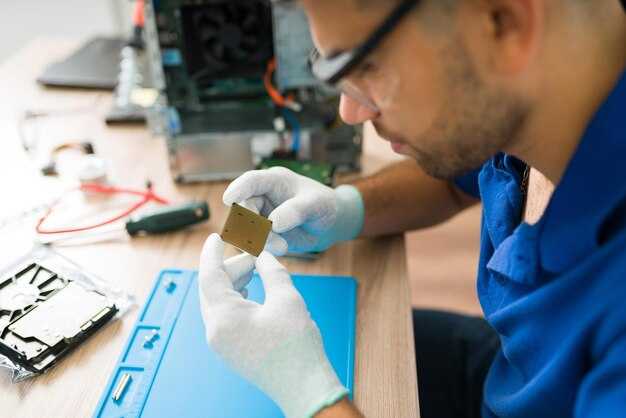
권장 사항: 주 전원 버스 차단, 주 배터리가 있는 경우 분리, 전원이 공급되지 않도록 잠금 태그 부착, 프레임 또는 부속품과 접촉하기 전에 잔류 전압을 비접촉 계량기로 테스트. 안전한 결과 도출, 모터보트 승무원 안전 유지, 단계는 쉽게 반복 가능.
증상 기록 레이아웃: 캡처 시간; 마지막 서비스 후 시간; 데이터 로거 판독값; 참고: 접촉 불량; 간헐적 수신 모니터링; 온도 상승 추적; 예기치 않은 프레임 움직임 기록. 매핑을 사용하여 프레임 뒤 배선 연결과 증상 연결; 커넥터에 이소프로필 면봉을 사용하는 것을 포함한 여러 측정으로 확인하여 오독이 잘못된 진단으로 확산하는 것을 방지합니다. 사실: 문서화는 오류 분류 시 시간을 절약합니다.
출입 허가 프로토콜: 모터보트에 탑승한 준비된 조력자를 지정하고, 훈련된 승무원의 출입을 제한하며, 간단한 서명 로그를 유지하고, 열쇠는 정전기 방지 백에 보관하며, 서비스 매뉴얼을 위한 보안 캐비닛을 포함하고, 간단한 습관을 사용하며, 전원이 공급된 부품을 만지지 말고, 전선 뒤쪽의 부속품에 대한 접근을 제어하고, 변색 방지 코팅된 절연 도구를 사용하여 작동하십시오. 이 루틴은 장비 수명을 연장하고 시스템 안정성을 확장합니다.
실용적인 참고 사항: 노출된 부속품에 보호 덮개 설치, 이소프로필 면봉을 사용하여 접촉면 청소, 금속 프레임에 부식 방지제 얇게 도포, 판독값은 정기적으로 확인, 용품은 정전기 방지 백에 보관, 안전 습관 함양은 치명적인 위험 감소, 간단하고 반복 가능한 루틴으로 서비스 수명 연장, 점검 시 로그를 읽으십시오.
기술자가 수행하는 세척 및 보호 단계: 안전한 방법과 보호 코팅
완전히 전원을 끄고, 메인 레일을 분리하고, 조치를 취하기 전에 탈착식 모듈을 분리하십시오. 이렇게 하면 소프트웨어 위험을 최소화하고, 펌웨어를 보존하며, 절차 중 트립 발생 가능성을 줄일 수 있습니다.
약간의 먼지 잔여물이 남아있을 수 있습니다. 먼지가 틈새에 숨어 있을 수 있습니다. 보풀이 없는 천에 이소프로필 용액을 적셔 닦으십시오. 커넥터 주변에 용액이 고이지 않도록 주의하십시오. 습한 환경에서는 방습제 팩과 국소 환기를 사용하여 습도를 안전한 수준으로 유지하십시오.
적용 coatings 제형화된 저점도 컨포멀 코팅 사용; 임무 환경에 따라 실리콘, 폴리우레탄 또는 아크릴 화학 물질 선택; 부품 가장자리 근처에 잔류물 남기지 않도록 주의; 추적성을 위해 색상으로 구분된 실링 보장; 얇게 2~3회 도포; 경화 시간은 공급업체 데이터에 따름; 접착력 테스트; 홀리데이 검출기로 코팅 두께 측정.
안테나의 경우, 코팅 침투를 막기 위해 커넥터를 마스킹 처리하고, 구리 도금의 경우, 진동 중 미세 균열을 방지하기 위해 코팅 두께를 유지하며, 프레임, 선체 외함의 경우, 외부 표면에만 코팅을 적용하고, 실링은 피하며, 경화 중 과도한 열을 피하기 위해 조명을 모니터링합니다.
ESD 안전 장갑을 사용하여 안전을 확보하고, 구리, FR4, 코팅된 플라스틱 등 재료와 솔벤트의 호환성을 확인하십시오. 적절한 환기를 유지하고, 최종 점검을 위해 원격 모니터링 경로를 확보하십시오. 기록된 로그를 보관하십시오. compliance 감사; 용제 과다 노출에 대한 경고; 주요 위험으로부터 사용자 보호; security 저장된 데이터는 반드시 보존되어야 합니다.
경화 후, 균일한 색상인지 검사하고 핀홀이 없는지 확인하십시오. 가장자리 도포 상태를 확인하고, UV 램프를 사용하여 코팅 무결성을 검증하십시오. 나침반과 같은 원격 부품을 테스트하고 안테나의 신호 무결성을 테스트하십시오. 차폐 성능을 확인하고 주의하여 재조립하십시오. 습도 수준을 다시 확인하고 유지 관리 간격을 문서화하십시오.
운전 중 습기 및 먼지 방지 대책
권장 사항: 서비스 구역을 보호막으로 밀폐; 입구 구성을 통해 미립자 유입 최소화; 건조제 배치; 상대 습도 50% 미만 유지; 디지털 습도계로 모니터링; 색상 표시 카드의 수치 관찰; 표시 카드로 위험 수준을 한눈에 파악; 상대 습도가 55%를 초과하면 작업 중단; 개방부 재밀폐; 수치가 안정되면 작업 재개.
특히 온도 변화가 심할 때, 제어된 미세 환경을 조성하는 이러한 쉘터 기반 접근 방식은 민감한 단말기의 신뢰성을 획기적으로 향상시키고, 우발적이고 치명적인 습기 침투를 최소화합니다.
습도 안정성은 정전기 전도 위험을 줄여줍니다. 취급 중 전도성을 제한하려면 RH를 제어 범위 내로 유지하십시오.
제습제와 제어된 공기 흐름을 사용하면 습도 수준이 50% 미만으로 더 자주 유지됩니다.
이는 모든 직원의 철저한 관찰을 요합니다.
- 장벽 설치: 임시 보호막 설치; 이음매 밀봉; 통풍구 폐쇄; HEPA 필터 경로를 통해 유입 공기 유도; 출입구 틈새 막기; 먼지 재부유 방지를 위해 작업 영역에서 휴대용 선풍기 끄기.
- 습도 조절: 건조제 배치; 공간에 맞는 크기의 실리카겔 팩 선택; 색상 지시계가 포화를 나타내면 교체; 디지털 습도계로 상대 습도(RH) 모니터링; 상대 습도 50% 미만 유지; 노점을 확인하여 노출 표면보다 2–5°C 낮게 유지; 응축 위험을 줄이기 위해 공간 온도 조정.
- 정전기 및 먼지 방지: 정전기 방지 손목 스트랩 사용, 접지된 매트에 연결, 기술자들은 깨끗한 장갑 착용, 표면에 직접적인 공기 노출 방지, 저속 여과 공기 노즐 사용, 보풀 없는 천으로 표면 닦기, HEPA 필터 진공 청소기로 느슨한 먼지 제거.
- 단자 주변 커넥터 취급 시: 습기 주의; 가능한 비금속 도구 사용; 맨손으로 접촉 핀 만지지 않기; 미사용 커넥터 캡 씌우기; 예비 부품 밀폐 트레이에 보관; 구리 트레이스가 건조한 상태 유지되도록 관리.
- 문서화 및 소통: RH 측정값 기록, 팀에 현황 전달, 타임스탬프가 찍힌 노트 유지, 다음 단계 진행 전 승인 요청; 이는 추적 가능한 안전 기록을 제시합니다.
제공업체 선택: 자격 증명, 처리 시간, 보증 조건
확실한 선택을 위해, 먼저 자격 증명을 확인하십시오; 검증 가능한 라이센스, 자격증, 교육 기록을 요구하십시오; 실시간 상태 업데이트를 요청하십시오.
참조 요청; 이전 고객사로부터 실적 이력 확인.
- 자격 증명: 면허, 자격증, 교육 기록, 공인 기관 제휴, 평생 교육 증빙, 어려운 모듈 경험.
- 처리 시간: 서면 SLA; 접수 기간; 분류 소요 시간; 수리 기간; 현장 방문 주기; 실시간 진행 보고; 중요 결함에 대한 긴급 조항; 일반 처리량 24–72시간; 가능한 12시간 특급 옵션.
- 보증 조건: 보장 범위; 기간; 책임 제한; 조건; 예외; 청구 절차; 교체 대 수리; 공식 문서.
- 운영 신뢰성: 장비 목록; 전담 기술자; 자재 처리; 위험 통제; 안전 기준 준수; 과격한 취급 방지; 비침투적 검사; 구획 조심스럽게 개방; 통풍구 보호; 누출 점검; 표면 평가; 커넥터 테스트; 구획 격리; (규제 완화) 관행 위험.
- 특수 기능: Boeshield 코팅; 전용 클린룸 공간; 긴급 대응 태세; 커넥터 호환성 테스트; 차단기 보호; 냉각 전략; 중량 조립품용 윈치; 작동 중 통풍구 보호; 올바른 커넥터 매칭; 깨끗한 실시간 데이터 캡처; 전자 제품에 적합한 세척제 사용; 전용 필터 시스템; 오염 위험 제거.
소독제: 사용된 정제; 투여량 확인; 자재에 잔여물 없는지 확인; 세척 직후 Boeshield 처리; 전도율이 허용 오차 범위 내에 있는지 확인.
정확하게 비교하려면 원격 진단 기능이 있는지 문의하십시오. 이는 다운타임을 줄이고 의사 결정을 가속화합니다.
최종 점검 목록: 견적 비교 시간 확보, 문서화된 참고 자료 요청, 응답 시간 확인, 가능하면 시험 검사 요청.