


 한국어
한국어  English (UK)
  Русский
  العربية
  日本語
日本語  Magyar
  Türkçe
  Español
  Čeština
  Svenska
  Português
  Ελληνικά
  Suomi
Suomi  Nederlands
  Română
  Italiano
  Français
  Polski
  Українська
  Deutsch
  简体中文
简体中文  Slovenčina
 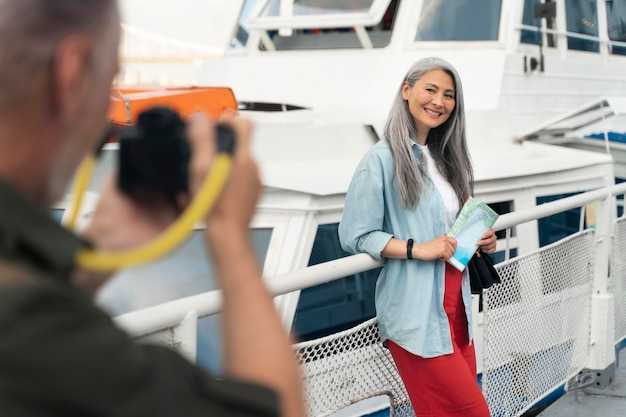 How to Choose a Dive Boat – A Practical Guide and Essential Checklist">

Begin with a concrete recommendation: always calculate fuel needs for each planned excursion, then verify the vessel’s range covers the distance plus a reserve.
Prefer newer vessels with robust safety gear, clear access to the water, reliable crew support; candice notes that better planning reduces lost time during large trips; doing pre‑trip checks keeps reliability higher than ad-hoc verifications.
Evaluate their layout for guest comfort, equipment storage, running gear access; ensure you can swap tanks without delaying each excursion.
For komodo itineraries, verify stability in currents, guest comfort during long passages; however, access to remote shore facilities away from main hubs matters; before departure, confirm weather windows.
Document each vessel’s experiences aboard; review their safety drills, medical supplies; response times; youre better off with a crew that has run diverse experiences across their excursions; 이 should steer your final choice.
Set a clear budget: compare fuel costs, potential maintenance, running costs for each option; once you have data, you can swap options without sacrificing safety or comfort.
How to Choose a Dive Boat: A Practical Guide for Trips Abroad
Check the vessel safety records and crew credentials before booking; this is the critical first step that lets you undertake underwater excursions with confidence. That thing you want is reliability, so verify prior to departure.
Next, review kinds of itineraries at your destinations, comparing liveaboard options with day-charter setups; confirm whether departures are scheduled and how boarding is handled for groups and individuals.
Inspect equipment and onboard facilities: air systems, spare tanks, anchor and surface signaling gear, a reliable communication link, and clean sleeping areas for post-exposure rest; pleasant accommodations ease the trip.
Safety procedures matter: verify captain qualifications, instructor-to-guest ratios, and the buddy system in practice; know who leads the safety briefing and how quickly aid can be provided on the surface, so you can proceed safely; then follow the daily plan. A hands-on briefing, with a guiding hand from crew, helps both beginners and seasoned travelers.
Food and provisioning play a role on longer itineraries: inquire about meals, protein options, and any meat-heavy dishes as well as vegetarian choices; confirm if the kitchen can accommodate dietary needs and provide snacks between sessions.
Logistics and support: ask whether staff can assist with boarding and gear handling, what kind of help is available for paperwork, and if a guide or host will coordinate daily plans; ensure someone is reachable for questions mid-trip, next to the vessel’s schedule.
Weather and route planning: review how the operator adapts to wind or surface conditions, what contingencies exist if a port or planned site becomes unavailable, and how youll receive updates while at sea.
A Dive Boat Abroad: Key Criteria and a Step-by-step Selection
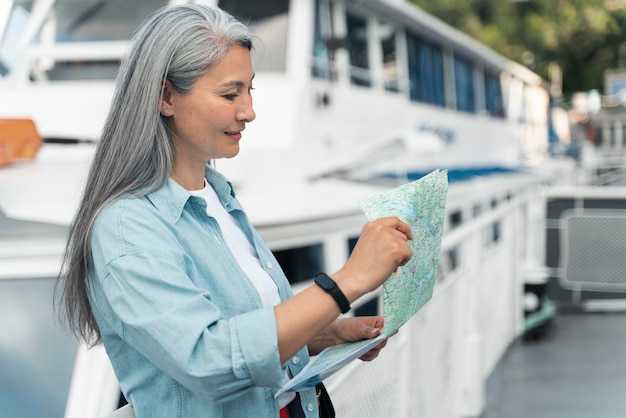
Start by verifying safety briefings that cover surface signals, emergency steps, local site specifics; confirm crew-to-diver ratio.
Evaluate access to open waters; if routes are inaccessible, limited by dock space, or weather constraints; check deck height, non-slip surfaces, stable platform; wash facilities with hose connection for gear rinse.
Next, inspect equipment redundancy; confirm buoyancy systems, regulators, hoses, weights in good condition; verify wearing protection, such as exposure sleeves; before departure, confirm tanks, valves, backup gear.
Review crew qualifications; check years of foreign-site experience; require at least one local expert on each trip; verify surface support, rescue plan, emergency communications; in provo, policy follows safety standards.
Finalize with a practical test if feasible; confirm surface briefs; review time budgets; assess risk margins; ensure the next stay follows the planned course; maintain situational awareness during crossings to next sites.
Passenger Capacity, Gear Storage, and Tank Handling
Recommendation: cap eight guests on a 8–12 m craft; one crew member; payload kept under manufacturer rating; allocate 60–70 kg spare per diver for gear; maintain center of gravity. This is critical for stable handling, quick boarding, disembarking with loads; traveling between sites, plan routes that minimize ladder traffic.
- Passenger capacity
- Typical layout supports eight guests plus one crew member; scale down to six guests if gear footprint exceeds 0.35 m3 per diver or deck area less than 12 m2.
- Gear storage
- Per diver footprint: 0.25–0.35 m3 for BC, regs, mask, fins, weights; tanks excluded; Only gear that fits allocated space goes into stern lockers.
- Allocate stern lockers 0.8–1.2 m3; bow nets 0.4–0.6 m3; overhead racks 0.2–0.4 m3. Packing helps there; candice notes that a clearly labeled packing plan reduces trouble for multiple passengers; magazines kept in a weatherproof box are excellent reference material for safety procedures. youll locate a logical flow, preserving space for ladders, disembarking aids.
- Tank handling
- Tanks stand upright in chocks; four-point tie-downs rated 500–600 kg; two-person lift required; keep valves capped during movement; store tanks near the ladder for easy access; ensure tanks are clear of travel paths during boarding.
- Docking, loading, securing prior departure: rinse tanks, dry, relocate to storage; a diver’s rack supports rapid prep for next trip; use aids such as a trolley or winch when available; verify pressure before transport.
자, 다수의 다이버와 함께 여행하기 위한 일관성 있는 계획입니다. 짐 싸기, 사다리, 하선, 문제 발생 위험 등; 캔디스는 개선을 봅니다; 무엇을 가져가야 할지, 무엇을 싸야 할지, 어떤 물건이 어디에 속하는지 알게 될 것입니다; 승무원 사기를 위한 치즈 포함; 이 설정은 훌륭한 결과를 낳습니다. 혼자 여행하든, 팀과 함께 여행하든, 통제력을 유지하십시오.
플랫폼 접근, 입출수, 다이브 그룹 배치
개방형 플랫폼 접근이 최우선 사항이어야 합니다. 주 출입구를 개방된 쪽에, 리프트 근처에 위치시키고 고정식 손잡이를 설치하십시오. 선미에서 선수 갑판까지 명확한 경로를 유지하고, 대부분의 다이버에게 방해가 되지 않도록 해당 경로에 느슨한 장비가 없도록 하십시오.
그룹 레이아웃은 벽에 있는 그림에서 시작됩니다. 조건이 허락하는 경우 다이버 간 간격은 3–5m로 합니다. 가시성을 위해 오른쪽 기준선을 지정합니다. 부표는 진입 구역, 출구 구역, 표류 구역을 표시합니다. 간단한 그림은 플랫폼 주위의 흐름을 파악하는 데 도움이 됩니다. 비상 절차는 별도로 마련되며, 전담 수면 신호수가 배치됩니다.
입수 기술: 플랫폼 가장자리에 접근, 장비를 갑판에 옮겨 놓고, 오리발을 착용한 채 난간을 비집고 지나가 단단히 잡고, 무릎을 약간 굽혀 열린 물속으로 발을 들여놓기; 안전한 몸의 움직임으로 혼잡을 피하도록 관찰; 어려운 입수의 경우 잠시 멈춰 경로를 재확인; 대부분의 다이버들은 부드럽고 제어된 움직임을 선호함.
갑판 설비는 비용에 영향을 미칩니다. 효율적인 연료 사용 보트는 이동일 동안 운영 비용을 절감합니다. 필수 품목에는 부표 줄, 예비 마스크가 포함됩니다. 미끄럼 방지 매트를 가장자리에 가까이 두고 가벼운 레이아웃을 유지하십시오. 손잡이, 발을 고정할 작은 치즈 모양의 웨지, 리프트 계획이 필요합니다. 벽에 통일된 도면을 통해 승무원의 협력을 유지합니다. 갑판에는 필수 장비만 보관하여 어수선함을 줄입니다. 비상 신호는 즉각적인 대응을 위해 손이 닿는 곳에 보관합니다. 이러한 배치는 혼잡을 줄이는 경향이 있습니다.
다양한 종류의 다이버를 위해 레이아웃은 유연하게 유지됩니다. 일부는 시야 확보를 위해 부표와 가까운 거리를 선호하고, 다른 일부는 더 넓은 간격을 선호합니다. 비건 승객이 합류하면 간단한 간식과 물을 제공하십시오. 추가 안전 장비에 따라 비용이 증가합니다. 장비 구역을 개방적으로 유지하면 통로 막힘 위험이 줄어듭니다. 대부분의 사람들은 점진적인 진입을 선호합니다. 병목 현상을 방지하기 위해 구역 간 간격을 미리 측정하십시오.
적절한 배치는 이동 시간을 줄이고, 연료 소비를 줄이며, 선상 생활을 향상시킨다. 빠른 방향 파악을 위해 도면을 보이게 유지하고, 입구, 집단 구역, 출구 사이의 동선이 일상화된다. 그럼에도 불구하고 플랫폼 주변의 위치를 순환하면 하중 균형을 맞출 수 있다. 이 접근 방식은 대부분의 보트에 적합하다.
다이빙 일정 계획, 하루 다이빙 횟수 및 수면 휴식 간격 규칙
하루에 두 번 다이빙하는 것이 일반적이며, 두 번째 다이빙 후에는 빠른 시간 내에 수면 휴식 시간을 할당하십시오(60–90분). 더 깊은 수심이나 추가 작업량이 있는 경우에는 2–3시간으로 연장하십시오. 이 순서를 따르면 불필요한 질소 축적을 방지하고 위험을 줄여 안전한 상승에 매우 중요합니다.
수심 제한은 무감압 데이터에 따라 달라지며, 따뜻한 지역의 일반적인 일정은 레크리에이션 다이빙의 경우 18–24m (60–80ft) 사이입니다. 두 번의 다이빙 후 수면 휴식 시간은 약 60분입니다. 더 깊은 프로필이나 세 번의 다이빙의 경우 90–120분을 목표로 합니다. 하루에 다이빙 횟수는 지역마다 다르며, 조류에 따라 변화하는 지역 간의 해류에 영향을 받는 경우가 많습니다. 이후 이틀 연속 다이빙 두 번 후에는 휴식일을 계획하십시오. 다이빙 횟수는 조건에 따라 조정합니다.
안전 수칙: 매 하강 전 버디 점검; 3–5m까지 천천히 상승; 안전하게 상승; 적절한 부력 유지; 자켓형 BCD 착용은 부력 조절에 도움; 급하게 상승, 안전 정지 생략, 수면 휴식 무시 금지; 보트 세척으로 인해 입수 지점에서 난기류 발생 가능; 항해 브리핑에서 색상으로 구분된 경로 제공; 팀이 지점을 잘 따라가는지 확인하는 것이 안전 증진; 안전에 대한 높은 명성은 일관된 훈련에서 비롯됨; 이 수칙은 전 세계적으로 강력한 명성을 뒷받침; 다채로운 산호초는 훈련된 행동으로부터 이익을 얻음.
안전, 승무원 자격, 비상 대비 태세
각 운항 시 자격 있는 승무원 2명 요구; 출발 전 유효한 응급 처치, 심폐소생술, 산소 공급 자격증 확인; 브리핑 중 냉철하게 대처.
- 승무원 자격 요건: 선장 및 수석 다이버 (최신 건강 검진, 구조, 비상 대응 자격 보유); 외해에서 3시즌 이상 경험; 현장 지도 숙지; 일반적인 위험 요소에 대한 지식; 동일한 승무원이 안전 브리핑 주도.
- 비상 대비: 산소 키트 제공; VHF 또는 위성 통신; 수면 신호 장치; 의료 구조 단계가 포함된 서면 비상 계획; 최소한 한 시즌에 한 번 훈련 실시.
- 장비 및 보관: 탱크; 레귤레이터; 상태 양호한 BCD; 핀; 마스크; 라벨이 부착된 보관함에 보관된 예비 부품; 함선 내 최신 안전 장비 세 키트; 무거운 장비용 리프트; 상자 이동용 란다우 돌리; 양쪽에서 빠른 접근을 위해 정리된 보관 공간.
- 현장 계획: 탐사 전 해당 장소 지도 검토; 조류 확인; 수심, 해안 접근성; 수면 집결 장소 지정; 시야 불량에 대비한 비상 탈출 경로 설정.
- 역할 및 신호: 명확한 데크 및 해상 인원 지정, 가스 수위 관찰자 지정, 대체 구조 계획 확인, 수중 작업자에게 수신호를 통해 선박 옆으로 안내.
- 다이버를 위한 준비물: 수분 보충제; 단백질 간식; 선상 안전한 물 저장 용기; 여분 산소통; 구급 용품; 장비 건조 및 정리 보관.
- 원격 지역 준비성: 접근성 문제에 대한 계획 수립, 육상 및 항공 지원 가용성 확보, 대체 픽업 지점 포함, 현장 계획을 지도에서 접근 가능하도록 유지.
- 금지 사항: 날씨 경고를 절대 무시하지 마십시오. 다이버를 절대 방치하지 마십시오. 장비를 접근 불가능한 곳에 절대 보관하지 마십시오. 항상 키트를 쉽게 접근할 수 있도록 보관하십시오. 모든 여행을 출발 전에 처리해야 할 일로 여기십시오.
숙박 시설, 편의 시설 및 장비 유지 보수 시설
발사 구역 근처에 잠금 가능한 장비 보관함 설치; 라벨이 붙은 쓰레기통; 방수 덮개; 날씨 보호를 위한 란다우 스타일 덮개; 접근이 빠른 곳에 위치.
숙소는 선원용 선실 2개, 승객용 침상 3개, 독서등, 전원 콘센트, 환기 시설, 온도 조절 장치, 휴식을 위한 조용한 공간을 제공합니다.
편의 시설로는 온도 조절 라운지, 온수, 담수 저장 시설, 소형 주방, 커피 스테이션, 데크 발사 지역 개방형 출입구 등이 있습니다.
기어 정비 시설에는 작업대, 공구 상자, 예비 부품 랙, 세척 스테이션, 연료 관리 구역이 포함됩니다.
탑승 운영은 안전, 신뢰성, 효율성에 중점을 둡니다. 콤팩트하고 라벨이 부착된 공구 상자, 발사 전 일상 점검, 연료 계획, 폐기물 분리, 친환경 세척 제품, 비용 절감.
배치를 살펴보십시오. 교통 흐름을 이해하면 개방형 보관 공간 배치에 도움이 됩니다. 물품 상자는 정리된 상태를 유지하며 위험은 줄어듭니다.
| Area | Facilities | 참고 |
|---|---|---|
| Crew accommodations | 2인 캐빈; 개인 사물함; 독서등; USB 콘센트; 온도 조절; 환풍 장치 | 조용하고 쾌적한 밤, 승선 인원과 일치하는 침상 수, 교대 근무에 맞춘 배치 구조 |
| 게스트 숙박 시설 | 침상 3개; 수납 선반; 독서등; 충전 포트 | 개방형 레이아웃; 비좁은 공간 지양; 고래 관찰 여행은 효율적인 공간 활용이 중요함 |
| Amenities | 기후 라운지; 온수; 담수 저장 공간; 소형 주방; 커피 스테이션 | 친환경 용품; 개방형 갑판 이용; 프로보 행 목적지 지원 |
| 기어 유지 보수 | 작업대; 공구 상자; 예비 부품 랙; 세척 스테이션; 연료 관리 구역 | 각 개체 레이블 유지; 가이드라인은 사전 출시 단계 개요 제공; 비용 추적 |