


 한국어
한국어  English (UK)
  Русский
  العربية
  日本語
日本語  Magyar
  Türkçe
  Español
  Čeština
  Svenska
  Português
  Ελληνικά
  Suomi
Suomi  Nederlands
  Română
  Italiano
  Français
  Polski
  Українська
  Deutsch
  简体中文
简体中文  Slovenčina
 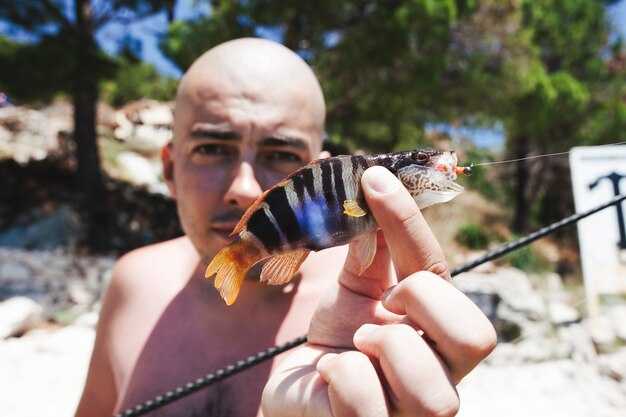 How to Catch Catfish – Expert Tips on Bait, Gear, Techniques">

Start with locating a hole on a shallow downstream bend where the current slows and structure concentrates prey. countyfeatures such as submerged timber, rock ledges, and a wide bottom profile draw the most active fish; scan the shore for signs of sunfish activity and feeding along the edge.
Set up a sliding rig on a robust tackle setup with a sturdy line, a 2–4 oz weight, and a strong circle hook. Use a sunfish chunk or whole sunfish as the lead piece, keeping the mouth of the fish oriented toward the point. Employ a hybrid setup that blends weight and sensitivity, ideal for bottoms and snag-rich runs. Cast across a range of depths from shallow to mid-column, and be ready to adjust the leader length depending on cover.
Execute the retrieval with rhythm: cast along the downstream edge and let the bait settle; when a tug comes, pause, then sweep the rod tip and feed line to keep contact. The slowest bites often arrive after the weight settles near the bottom; stay patient, guard against snags, and let every test teach you the water. If you love quiet patience and precise timing, this approach is rewarding, because the fish gravitate toward the bait, bringing steady action from them.
Adapt to the river’s rhythm because the pattern depends on season, current, and light. In your home waters, mark where you find them most often: near holes, along the shore, or downstream from big structure; note how often bites occur at dawn or dusk. sometimes the best bites come after a short adjustment, so move a few arm lengths and recheck the line. The reward is steady, and the tackle you build today will pay off every outing.
Practical Catfish Angling Guide
Use a minimum 20–30 lb mainline with a 12–24 in leader, a 2–3 oz sliding weight, and a sturdy circle hook. Anchor down in coves where riprap lines the shore and current slows; present them just off the bottom where the edge structure holds fish. Keep the line taut to register quick takes, and adjust your position with each cast based on water clarity. These setups have fished reliably across coastal bays and okaloosa lagoons.
For attractants, use sucker chunks, mullet pieces, crawlers, and a dough ball option; try your favorite combination and test each element to isolate results. The stink of natural scents matters; use unique presentations to improve response. With clear water, go lighter; with stained water, extend the longer leader and let scent linger. In okaloosa coves near riprap, this approach shines. If you fish into longer sessions, stock extra chunks; they stay effective across tides.
Target zones by depth: flathead favor deeper edges, striped cats lurk near structure at night; place one line toward deeper pockets and another toward shallower zones to cover multiple possibilities. As advised by local captains, adjust angle and use staggered lines for easier detection of subtle taps. Each cast should bring the offering within reach of likely holds, and when you see a line twitch, give a firm but controlled set. Fished this way, you can feel the difference between a light nudge and a real bite, easy to distinguish; determined by tide and wind, keep your stance steady and read the current before the next cast.
| 상태 | 설치 | 참고 |
|---|---|---|
| Calm, clear water near coves | 20–30 lb line, 12–24 in leader, 2 oz weight, circle hook; sucker or mullet chunks | Present just off the bottom, near riprap |
| Murky water, dusk | Longer leader, dough ball, crawlers | Stink attractants boost visibility; okaloosa spots respond well |
| Deep flats with current | Anchor down; two rigs aligned to hold in cross-current | Target flathead more; maintain minimum tension |
Choosing the right bait for catfish by species and water conditions
Start with live shad on forked-tail rigs in slow-moving lakes spanning acres; this choice yields the most rewarding bites for blues and flatheads when temperatures hover between 60 and 78°F. Place the set-up near the bottom and tend the line through weed edges and along creeks, where fish frequently pass by in sunshine.
Channel catfish in public waters respond well to cut shad or chicken liver. Use a robust set-up with 2–4 oz weights and a strong leader, and fish near submerged logs or along back eddies where current slows. If the bite is slow, wait the minimum time before swapping baits, then switch to a stinkier option or a fresh cut to keep their attention through the day.
Blue catfish prefer bigger offerings in large reservoirs or lakes well over 100 acres. Go with live shad or large cut bait, targeting depths of 20–40 feet when temperatures rise into the 70s. Use 6–10 inch baits on multi-hook rigs and a heavier line to hold bottom in current. In stained water, add scent and adjust leaders to keep the bait inside the backwash that blues patrol.
Flathead catfish bite best on live fish such as bluegill or shad, often around submerged wood and logs. Target slow-moving channels and brushy cover near Woodruff areas or other woody structure; use bottom rigs with heavy weights and circle hooks sized 6/0–10/0. In lakes with clear water, offer natural presentations; in murk, lean toward larger, stronger baits to trigger sight and bite signals.
Water conditions dictate placement: in lakes with clear water, mimic natural forage and keep baits steady near cover; in acres of murky water, increase bait size and scent to reach fish through the glassy or turbid layers. Orlando-area public lakes and similar 상태 demand frequent changes in depth and distance from shore, especially on sunny days when fish back off to cooler zones. If a bite is determined by line movement rather than visible strike, adjust depth and switch to shad or cut bait that matches what the fish have been feeding on.
Hook types and rigs for flathead, channel, and blue catfish
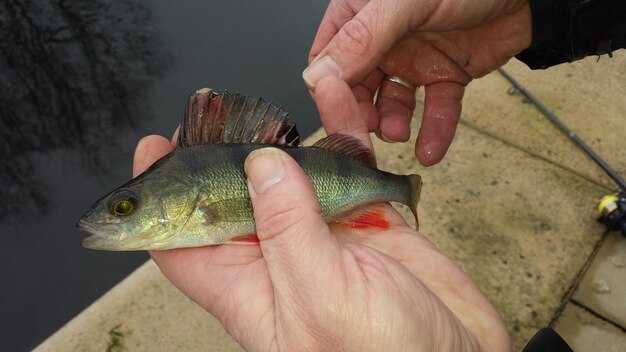
Begin with a Santee Cooper bottom rig: 6–8 oz weight, bead, and barrel swivel, plus a 12–18 in leader to a circle hook for blue catfish; switch to a large J-hook or curved point for flatheads. Spooled braided line provides the necessary strength, and a stout knot keeps connections secure. In muddy current, add weight to pin the rig to the bottom. This setup tend to hold in current and minimize snagging near cover, creating reliable opportunities from tailwaters to deep holes.
Flathead-focused configuration relies on direct bottom contact: a single large hook (5/0–8/0) on a 12–24 in leader with a bottom-hugging stance. A Texas rig with a slip sinker works well, or run a dropper loop with a curved hook to keep the bait near the riverbed. Use 6–8 oz in moderate flow to maintain contact; a straight or curved hook aids clean hooksets on big fish.
Channel cat rigs favor simplicity and quick, solid hookups: a bottom setup with a slip-sinker and one or two hooks, weights 1–4 oz, and circle hooks (#4/0–#7/0) to minimize gut hooking. A short dropper leader keeps the bait in the strike zone while the main line moves with current. In calmer water, a Texas rig offers dependable performance with a single hook and light weight (1–2 oz).
Blue catfish demand heavy tackle and reinforced connections: 8–12 oz weights in flowing water, 60–100 lb class braided line, and long leaders. Either Santee Cooper or Texas rigs work well; circle hooks boost hookup efficiency and reduce handling stress. In slow tailwaters, try artificial lures such as crankbaits to locate fish, then switch to dough balls or paste-based attractants mounted on the hook to seal the bite.
General setup notes: plan from the ramp, coordinate with friends, and begin early in the season when flows are favorable. Use spooled braided line for performance, keep weights heavy enough for muddy conditions, and choose hooks with curved or straight profiles based on bite style. Such rigs tend to deliver, even when fish hold deep or lurk near cover, and they translate well across multiple water bodies and seasons.
Rods, reels, lines, and terminal tackle for freshwater catfishing
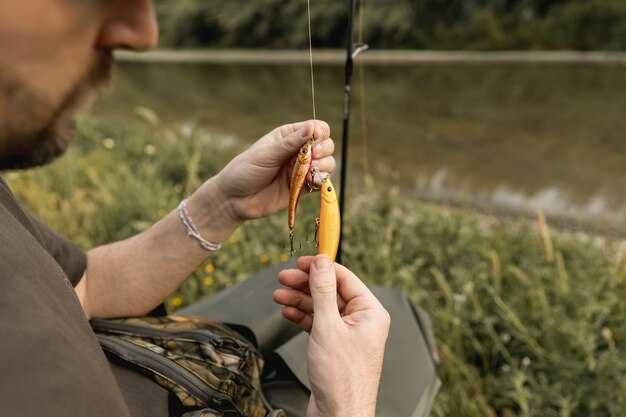
Best starting setup for freshwater catfish is a 7-foot to 7.5-foot rod with medium-heavy action, paired with a sturdy reel and smooth drag. Use about 200 yards of 20 lb braided line backed by 12- to 15-lb monofilament, or run straight braid for deep, beefy control. This setting lets you bring them out of dense cover and patches across acres of water, turning the battle into a controlled, powerful fight.
Line choice and handling: Braided mainline delivers very sensitive feel and strong performance, while a fluorocarbon leader 20–40 lb resists abrasion from rocks and timber. Soak the leader before tying to reduce knot slip in cold water. This setup offers a fantastic balance between learning and control, especially when you fish near sunfish and striped patches that mark weed lines and feed zones across acres.
Terminal tackle: Use hooks sized 4/0–8/0, with circle or wide-gap shapes depending on bite style. A sliding sinker above a bead and swivel prevents line twist; pair with a 20–40 lb fluorocarbon leader for abrasion resistance when fishing into timber and dense cover. This arrangement stays strong in a battle and keeps big fish from tearing off.
Rigging and setting: Approach this sport with a simple rig that works in wintering pools and dense cover. If youd prefer simplicity, begin with the Carolina rig. Tie knots with a reliable palomar or improved clinch; keep line setting taut as you probe patches in acres of water, including weed beds and sunfish schools. Their feeding tends to be gorging during warm spells, so stay focused and smooth, happily turning learning into solid results.
Baiting tactics: fresh bait vs. stink bait, scent trails, and presentation
Begin with live beef bullheads as your main attractant; harvested from a licensed fishery, these fish stay dense in a cooler and deliver strong aroma. Thread 2–4 on a sliding leader so the hook sits 6–12 inches off the bottom, then cast along the shore, side channels, and maidencane patches where activity is highest. Access public ramps and prepare for early drives; plan year-round trips, looking for movement near structure and chasing the target in the same area. In the Weohyakapka fishery and nearby public waters, this setup produces consistent results.
맑은 물에서는 신선하고 살아있는 동자개가 상쾌한 향을 발산합니다. 물색이 탁하거나 조류가 강한 곳에서는 썩은 생선 기반의 유인제를 사용하여 채비 뒤로 향의 흔적을 확장하십시오. 채비를 압도하지 않도록 적당량만 사용하여 물에 향을 입히십시오. 적을수록 더 효과적일 때가 많으며, 안정적인 조건에서는 20~30분마다 새로 입혀서 물기둥을 채우도록 향의 흔적을 만드십시오.
향의 흔적: 흐름을 따라 향이 수로를 따라 목표 지점으로 밀려가게 하십시오. 빽빽한 덮개가 물고기를 집중시키는 처녀 억새 가장자리, 잡초 웅덩이, 그리고 급강하 지대를 따라 달리십시오. 롤링 프레젠테이션은 향이 같은 지역으로 표류하도록 하면서 미끼가 바닥과 계속 접촉하도록 도와줍니다. Weohyakapka 어장 근처 공공 접근 지점을 통해 접근할 수 있는 수역은 바람과 흐름을 향해 라인을 배치하면 반응이 좋습니다.
프레젠테이션이 중요합니다. 미끼가 수초에 걸리지 않도록 하고 수심을 조절하기 위해 슬라이딩 설정을 사용하십시오. 같은 구간을 공략할 때 천천히 흘려 떨어뜨리는 방법과 길고 꾸준히 흘리는 방법을 번갈아 사용하십시오. 지형지물이 있는 경우 바닥에서 15~30cm 위를 유지하고, 바닥 경사가 가파른 곳에서는 더 깊이 떨어뜨리십시오. 특히 이른 아침이나 늦은 오후에는 여러 개의 낚싯줄을 던져 커버리지를 넓히고, 보트에 탄 동료들과 효율적인 드라이브를 위해 협력하십시오. 이러한 접근 방식은 상황 변화에 더 쉽게 적응할 수 있도록 해줍니다.
현장 기록: 날씨, 수질 투명도, 입질을 유도한 유인제를 기록하고, 숨겨진 활동 징후(흐트러진 진흙, 항적선, 꼬리 펌프질)를 찾아 신속하게 조정합니다. 해안가 근처 공공 구역과 빽빽한 갈대밭에서는 수확한 소고기 향 미끼를 꾸준히 공급하면 연중 일관된 결과를 얻을 수 있습니다. 올랜도, 위오하야카프카 어장, 인근 뉴스 매체와 업데이트를 공유하여 정보를 얻고 동일한 목표 어종을 대상으로 결과를 만들어 내세요.
입질 분석 및 타이밍: 계절 및 시간대별 최적의 공격 시점
해질녘과 새벽녘의 박명 시간대를 노려 물이 약간 식으면서 활동성이 높아지는 때를 공략하십시오. 동부 및 북동부 시스템에서는 얕은 평지와 수풀 근처에서 이 시간대가 더욱 명확한 입질 신호와 더 빠른 반응을 위한 무대를 마련합니다.
- 봄: 산란 후 급증 및 얕은 곳 먹이 활동
- 최고의 시간: 해 뜰 무렵부터 오전 중반까지, 특히 아팔라치콜라 강어귀와 같은 강과 만을 따라 해안과 접근 지점 근처.
- 입질 분석: 물고기들이 수초 더미 주변과 배스 및 다른 어종이 엉성하게 무리지어 있는 장소 주변의 2–8피트 수심대로 이동할 때 더욱 빠른 입질을 예상하십시오. 짧고 확실한 당김과 입질 시 줄이 꾸준히 기울어지는 것을 확인하십시오.
- 패턴 참고 사항: 이 물고기들은 따뜻한 웅덩이를 가로지르는 것과 흐름을 막는 구조물을 좋아합니다. 섀드와 다른 먹이를 모방하는 크랭크베이트를 사용한 다음, 조업이 연안으로 이동하면 더 깊은 곳을 노리는 방식으로 바꾸세요.
- 장비 및 미끼 선택 가이드: 늦봄에 흔한 느리고 신중한 입질을 유도하려면 중간 액션 장비로 노출된 해안선과 보트 접근 지점을 공략할 계획을 세우고, 미끼는 2~4인치 범위로 유지하십시오.
- 여름: 열기로 무는 템포가 느려짐; 집중력 극대화
- 최고 시간대: 해뜰녘 또는 해질녘 무렵; 한낮의 뜨거운 시간에는 물고기가 더 깊은 곳이나 덮개 아래로 숨으므로, 1.8~6m 깊이와 강둑을 따라 있거나 수로를 가로지르는 수풀 구조로 이동하십시오.
- 입질 읽기: 가장 느린 입질은 낚싯줄이 잠시 느슨해졌다가 뻣뻣하게 당겨질 때 나타납니다. 물고기가 미끼를 확실히 물 때 미세한 머리 흔들림과 처음 1인치 정도의 낚싯줄을 살짝 무는 것을 주시하십시오.
- 패턴 참고 사항: 더 깊은 수온 약층과 멸치 떼에 접근할 수 있는 표적 위치; 동자개와 표층 멸치를 많이 먹는 기타 바닥 서식 어종을 피하도록 계획하십시오.
- 장비 및 미끼 팁: 떼를 지어 다니는 shad를 모방한 크랭크베이트를 사용하고, 더 느리고 신중한 릴링으로 조정하십시오. 장비를 엄폐물 근처에 두되, 넓은 방파제에 과도하게 배치하는 것은 피하십시오.
- 가을: 먹이 활동 시간 증가; 입질은 더욱 확실해짐
- 최적 시간: 새벽 이전 및 해질녘 이후, 따뜻한 날씨로 활동 시간 연장; 큰 강줄기, 북동쪽 해안을 따라 동쪽 분지까지 얕은 수심에서 중간 수심 사이에 꾸준한 입질이 나타남.
- 입질 요약: 활성적인 무리가 4–12피트 구역으로 몰려들면서 더 강하게 당기거나 갑작스러운 움직임이 있을 수 있습니다. 많은 입질이 물고기가 수풀에서 나와 구조물 근처의 탁 트인 물로 돌 때 발생합니다.
- 패턴 참고: 학교는 얕은 층계와 지점을 중심으로 몰립니다. 파도가 미끼를 밀어 넣는 접근 지점과 해안선 가장자리에 집중하세요.
- 기어 및 루어 가이드: 해안 또는 보트에서 캐스팅이 잘 되는 신뢰할 수 있는 루어를 우선적으로 선택하고, 얕은 수심과 중간 수심 모두를 공략할 수 있도록 계획하며, 섀드 모방 패턴과 보다 공격적인 크랭크베이트를 자주 번갈아 사용하십시오.
- 겨울: 차가운 전선, 끈기 있는 탐색, 더 깊은 장악
- 최적 시간: 늦은 아침부터 이른 오후 사이, 햇볕 노출 후 얕은 온난층이 형성될 때; 깊은 수로 건너편과 잔열을 보유하는 구조물 주변, 그리고 햇빛이 잘 드는 둑을 포함하여 덤불 잔해 주변을 살펴보십시오.
- 입질 읽는 법: 입질은 가장 느리고 신중합니다. 당김이 꾸준한 움직임으로 바뀌기 전까지 최소한의 라인 움직임을 주시하세요. 종종 바닥에 가볍게 걸리는 느낌이 듭니다.
- 패턴 참고 사항: 모래주머니 고기 및 기타 먹잇감을 보유한 목표 접근 지점 및 연안 지역; 동자개 및 더 깊은 덮개 근처에 모이는 기타 저서 동물을 중심으로 낚시 계획을 세우십시오.
- 장비 및 루어 선택 요령: 더 무거운 라인을 사용하고, 느리고 침착하게 릴링하십시오. 차가운 물에서는 더 큰 미끼나 자연스러운 형태를 활용하여 입질을 유도하십시오.
계절 전략 핵심 사항: 미끼를 품은 수풀과 구조물이 있는 장소에 집중하고, 접근 지점, 해안선 근처, 그리고 먹잇감 무리가 이동하는 수중 기둥에 걸쳐 자리를 잡으십시오. 아팔라치콜라 지역 및 기타 동부 해역에서는 해안선과 더 깊은 수로를 따라 정기적으로 점검하면 가장 꾸준한 결과를 얻을 수 있습니다. 보트나 해안에서 캐스팅할 계획을 세우고 환경에 맞게 조정하십시오. 최적의 입질 기회는 종종 날씨와 수온에 따라 달라집니다. 날씨가 잔잔할 때는 수풀 라인 근처에서 활발한 물고기가 보이는 경우가 많고, 바람이 불면 그늘과 수중 구조물이 지속적인 먹이 활동을 유도합니다. 여러 장소에서 평균 속도가 변하는 것을 볼 수 있습니다. 최고의 독자는 비활성 영역을 탐색한 다음, 참을성 있고 체계적인 접근 방식으로 가장 유망한 지점에 집중하는 방법을 배웁니다. 좋아하는 북동부 경로를 따라 접근 지점과 수풀 더미를 정기적으로 다시 방문하여 계획을 최신 상태로 유지하고 새벽부터 황혼까지 활동 변화를 감지하십시오.