


 한국어
한국어  English (UK)
  Русский
  العربية
  日本語
日本語  Magyar
  Türkçe
  Español
  Čeština
  Svenska
  Português
  Ελληνικά
  Suomi
Suomi  Nederlands
  Română
  Italiano
  Français
  Polski
  Українська
  Deutsch
  简体中文
简体中文  Slovenčina
 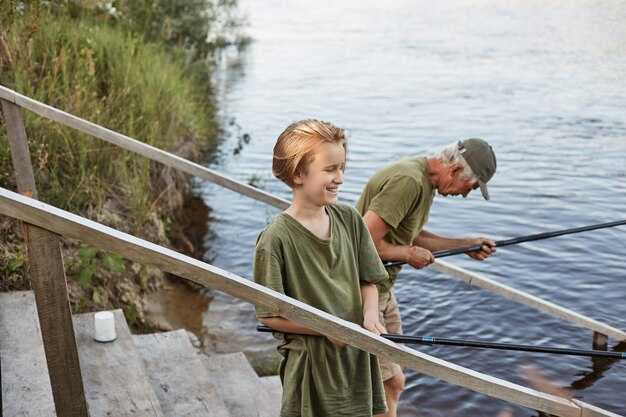 How to Avoid Seasickness on a Fishing Boat – 8 Practical Tips">

1. take meclizine with a light snack roughly one hour before you depart to blunt the onset of nausea on the water. your intake should be planned, and you can adjust the dose by weight and tolerance as needed.
2. Place yourself toward the center and forward on the craft; keep your gaze level toward the horizon and avoid looking below deck where motion is more predictable; those adjustments reduce the acceleration felt by the vestibular system.
3. Snack lightly during the voyage with options like pretzels, crackers, or fruit; through the day, nibbling in small portions helps staying feeling steady on long trips.
4. Skip heavy meals before the voyage; opt for gentle, easily digestible options to reduce gastric load, especially if you have years of exposure to rough seas.
5. Hydration matters: sip water regularly to support your system and monitor your intake; avoid dehydration as a trigger for nausea.
6. If you are new to these trips, start with shorter runs to gauge what works for yourself; specifically, adjust pacing and cabin temperature to reduce stress through the day.
7. Embrace a gentle routine: breathe evenly, stay outdoors when possible, and keep a steady gaze on the horizon; gentle movement and light stretching help prevent queasiness between tasks.
8. Build your own kit of monitoring cues from years of trips: note what triggers discomfort and adapt your intake and rest periods through careful planning; staying proactive will keep you feeling capable, confident, and ready to handle rough waves.
Practical strategies for anglers to stay steady on deck
Stand with feet shoulder-width apart, knees slightly bent, core engaged, and one hand gripping a stable rail; this stance will keep your upper body steady as cruising begins and swells roll through the deck.
Fix your gaze on the horizon and maintain a constant head position; a steady line of sight reduces the onset of queasiness, and avoids unnecessary shifts near the wheel.
Control breathing: slow, deep breaths, in through the nose and out through the mouth; anxiety, typically a trigger, is alleviated when you keep breathing steady.
Wear non-slip footwear and secure gear to minimize movement; essentials like a compact harness, a whistle, a small first-aid kit, and a bottle of water belong in a chest pocket to prevent unnecessary shuffling.
Move with discipline: limit sudden steps, plan routine tasks, and coordinate with crewmates; these options reduce nausea chances and let you stay focused, even when others need to pull hard on the line; if theyre moving, you adjust with minimal crossing.
All-natural remedies such as ginger, peppermint tea, or acupressure bands can provide relief with minimal side effects; medicine options are available if discomfort returns, but choose medicine options with care.
Positioning relative to the wind and spray matters: face slightly into the wind, keep a low stance, and avoid leaning into gusts; winds can be a primary trigger for imbalance. If you want to minimize risk, adopt this posture.
Manage conflict of motion by keeping a routine: lock in a single task at a time, and shift attention to the world around you or the wonders of the sea to stay engaged while movement occurs, know what your body signals and adjust, which boosts enjoyment.
Horizon checks paired with hands near the wheel provide a natural reflex to stabilize; if you must adjust, do so in small increments and keep three-point contact with a rail, says a seasoned deckhand who understands calm balance.
Onset of queasiness can return; if that happens, sit, hydrate, and reassess food intake; the chances of a full setback drop when you stay disciplined and rest periodically.
Pre-boat meals and ginger snacks to settle the stomach
Eat a gentle, balanced snack 1.5–3 hours before departure and choose options that sit well on the stomach: toast with a light spread, warm oatmeal, or yogurt with crackers. plenty of fluids, especially water, support digestion and reduce nausea before the first swell.
Ginger is a natural helper: candy choices such as ginger candies or crystallized ginger provide a steady effect. Take one or two pieces 30–60 minutes before heading out; theyre easy to carry and won’t weigh you down when the deck starts rocking. If you prefer, ginger tea offers a soothing alternative, but candy is quick and portable in light winds.
For preventative relief, over-the-counter medicine can be considered after a quick consult with an experienced clinician or pharmacist. Use according to the label and avoid mixing with alcohol. This option can enhance comfort by reducing nausea signals before they peak, helping you stay on deck longer and safer.
Technique matters: chew each bite thoroughly, eat slowly, and vary meal timing with sea state. A small, steady intake combined with a candy or fruit, plus a light beverage, helps keep the stomach calm as the rocking increases. If symptoms appear, have plenty of options ready: candy, crackers, fruit, and medicine if approved. Points to consider include choosing foods that stay stable in your stomach and keeping a few strategies in your pocket for varying conditions.
Most scenarios show proactive choices reduce nausea; when used consistently, the effect tends to disappear quickly, or at least feels manageable, increasing your chances to stay on task and help the crew. Experienced hands know that gentle foods and ginger snacks can be a reliable first line, improving your ability to enjoy the trip.
Choose a stable stance and keep eyes on the horizon
Stand with feet shoulder-width apart, knees softly bent, weight centered, and chest open. This easy alignment dampens pitch and roll, stabilizing your center and maintaining comfort during long watches. Keep your gaze about 20–30 degrees above the horizon to anchor your senses and reduce disorientation. These experiences, such as mild nausea, are commonly mitigated by proper stance.
- Gradually adjust your stance as the sail shifts: small 5–10 degree corrections keep balance without triggering abrupt motion. Never snap into position; smooth transitions lower the risk of vomiting and fatigue.
- Fix your reference: steady gaze toward the horizon, avoid following fast-moving gear from the deck or nearby objects, and keep the head and eyes aligned with the line of sight. This light focus gives steadiness to your inner system.
- Secure your body: place a hand on a rail or lip of the cockpit; keep shoulders relaxed and avoid tensing, which amplifies signals of motion.
- Hydration and sugar remedy: sip water regularly; a small sugar-containing snack helps maintain blood sugar and reduces nausea. If you feel dizzy, take a break and breathe slowly.
- Breathing and pacing: use slow, deep breaths–inhale through the nose, exhale through the mouth–to support the body’s response and lessen seasick sensations.
- Prepare for shifts: pack a compact kit with hydration fluids, sugar lozenges, and a lightweight fan or shade to keep light from triggering eye strain and to maintain comfort against glare.
- Know when to seek help: if youre experiencing persistent disorientation or vomiting or if symptoms worsen, stop and inform the crew; a doctor may suggest a different remedy or position.
Onboard natural remedies: ginger, peppermint, aromatherapy, and acupressure bands
Take ginger before heading into the swell: 250–500 mg capsules or chewable strips, 1–2 doses before departure; theyre easy to store in pockets or seats, and the taste is brisk enough to settle the mouth, which gets you through rough seas. Ginger blocks brain signals and gut triggers, significantly reducing vomiting risk during cruising, because the active compounds interact with receptors in the brain. Hydrated waters help the effect through the journey, so sip water after ingestion to maintain fluids and comfort.
페퍼민트는 차, 캡슐, 또는 휴대용 흡입기 형태로 섭취할 때 순한 항구토제로 작용합니다. 페퍼민트 오일은 위를 식히고 맛보거나 흡입할 수 있으며, 향은 대부분의 보터들에게 쉽게 받아들여집니다. 특히 페퍼민트는 뇌를 진정시키고 초기에 메스꺼움을 줄여 크루징을 덜 불안하게 만듭니다. 휴식 시간 동안 페퍼민트 차를 조금씩 마셔 수분 보충과 안정적인 호흡을 돕습니다.
갑판 아로마테라피는 페퍼민트, 감귤류, 또는 라벤더와 함께 소형 디퓨저 또는 개인 흡입기를 사용합니다. 감각을 압도하지 않도록 향을 가볍게 유지하세요. 차분한 향은 시선이 수평선에 고정되도록 도와주어 어지럼증을 줄입니다. 아로마테라피는 쾌적함을 높이는 예방 조치로, 습한 객실에서도 쉽게 휴대할 수 있습니다.
침술 밴드는 손목 안쪽의 P6 지점에 부드러운 압력을 가하며, 널리 연구된 예방 전략입니다. 거친 바다 속에서도 편안하고 제자리에 있어 좌석과 서 있는 자리 모두에 실용적입니다. 항해 중 착용하면 구토의 충동을 줄이고 수분을 유지하여 탈수가 유발할 수 있는 메스꺼움의 위험을 낮춥니다. 샌프란시스코 기반의 일부 공급업체는 운동 기간 전, 중, 후의 용이한 사용을 위해 밴드와 스트립의 소형 세트를 제공합니다.
수분 섭취, 호흡법, 그리고 갑판 위 신선한 공기
항해 중에는 작은 양을 꾸준히 마시고 타이머에 이 습관을 고정하세요: 15분마다 150~200ml를 마시는 것입니다. 이렇게 하면 체液 수치가 안정되고 갑작스러운 어지러움을 예방하여 증상이 시작되기 전에 예방하는 데 도움이 됩니다.
여행 시에는 휴대하기 간편한 작은 병을 가까이에 두고, 자신의 속도에 맞는 리듬을 계획하세요. 원하시면, 갑판에서 에너지를 유지하는 간단한 방법으로 설탕 알약을 선택할 수도 있습니다.
주머니에 설탕 알약을 넣어두면 빠른 에너지원이 됩니다. 이 간단한 조치는 항해 중 갑작스러운 혈당 저하를 예방하는 데 도움이 됩니다. 빠른 부스트를 선호하는 사람들을 위해 이러한 옵션은 더 긴 항해 동안 편리하게 보관됩니다.
위를 가라앉히기 위해 세 번의 호흡 주기를 사용하세요: 코로 네 초 동안 들이쉬고, 두 초 동안 멈추고, 입술을 오므린 채 여섯 초 동안 내쉬세요. 미미하게 느껴질 수 있지만 세 번 반복하면 이 놀라운 효과와 페퍼민트 차가 함께 여러분을 흔들리는 갑판에서 편안하게 유지하는 데 점진적으로 도움이 됩니다.
갑판 위의 신선한 공기가 중요합니다: 5분 동안 갑판 밖으로 나가서 바람을 맞고 어지러울 때는 머리를 심장보다 높게 유지하세요. 순항 중에 휴식을 취하면 불편함이 점차 줄어들고 균형이 개선됩니다. 스탠은 프로그램에 이러한 옵션을 두면 장거리 항해 중에 편안함을 유지할 수 있다고 말합니다.
각 여행자는 바다를 다르게 경험하므로, 이 리듬을 자신의 내성과 자신만의 속도에 맞게 조정하십시오. 각 조정은 예상보다 더 당신을 안정적으로 유지하는 데 도움이 될 수 있습니다.
의료 문제가 있거나 궁금한 점이 있다면 이 루틴을 시작하기 전에 의사와 상담하고 자신에게 가장 적합한 계획을 따르세요. 각 여행자는 페이스를 맞춤 설정해야 하지만, 핵심 아이디어는 동일하게 유지됩니다. 수분 섭취, 조절된 호흡, 야외 활동은 당신을 안정적으로 유지합니다.
| Action | How to do it | 혜택 |
|---|---|---|
| 수분 섭취 주기 | 15분마다 150~200ml씩 마시고, 설탕 알약을 항상 준비해 두세요. | 체액과 에너지를 안정시켜 어지러움을 예방합니다. |
| 호흡 패턴 | 세 번 반복 주기: 4초 동안 숨 들이쉬고, 2초 동안 숨 참고, 6초 동안 숨 내쉬기; 세 주기 반복 | 내이 안정, 메스꺼움 감각 감소 |
| 야외 시간 | 갑판 밖으로 나가 짧게 5분씩 여러 번 햇볕을 쬐고, 바람을 맞으세요. 필요하다면 페퍼민트 향을 사용하세요. | 순항 중 순환 및 편안함을 향상시킵니다. |
| 구제 및 추가 사항 | 페퍼민트, 몇 개의 설탕 알약, 작은 선풍기를 휴대하고, 점진적으로 휴식을 취하세요. | 빠르게 기분 좋아지는 즉석 옵션 |
| 안전 주의 | 증상이 지속되면 의사와 상담하십시오. 필요에 따라 박자를 조절하십시오. | 안전 및 적절한 관리 |
휴식, 카페인 섭취 시간, 그리고 빛 노출을 통해 피로를 예방합니다.
항해 중에는 규칙적인 일정과 평온한 시간대의 짧은 낮잠으로 휴식을 극대화하여 정신을 맑게 유지하세요. 육상에서는 7~9시간의 핵심 수면을 목표로 하세요. 만약 불가능하다면, 20~30분 낮잠은 심한 수면 관성을 일으키지 않고도 주의력을 재설정할 수 있습니다. 충분한 어둠, 조용한 공간, 통기성 있는 옷, 그리고 일정한 온도를 갖춘 안락한 공간을 조성하여 회복을 돕고 두통 위험을 줄이세요.
목적을 가지고 카페인 섭취 계획을 세우세요. 100–200mg의 빠르게 작용하는 용량은 15–30분 이내에 빠른 효과를 제공하며, 피로가 지속되면 정기적인 용량을 섭취하십시오. 떨림과 수면 장애를 예방하기 위해 하루 총 섭취량을 400mg 이하로 제한하십시오. 늦은 시간 사용을 제한하여 안정적인 생체 시계와 경계를 유지하는 동안 꾸준한 에너지를 유지하십시오. 수분 공급을 유지하고 편안함을 유지하기 위해 컵 사이 사이에 물을 마시는 것을 선호하십시오.
밝은 빛 신호는 생체 시계를 재설정합니다. 각성력을 높이고 피로를 예방하기 위해 기상 후 처음 1~2시간 이내에 실외 일광을 찾으세요. 햇빛이 부족할 경우, 2,500~5,000 럭스(lux)의 광도를 제공하는 램프를 20~30분 사용하면 대체할 수 있습니다. 갑작스러운 눈부심을 막기 위해 선글라스를 착용하고, 갑판에서 편안함을 위해 모자를 착용하여 기분과 집중력을 유지하세요.
생강은 멀미 관련 메스꺼움을 완화하고 장시간 관찰 시 편안함을 지원하는 인기 있는 천연 옵션을 제공합니다. 일반적인 복용량은 하루 1~2g이며, 내성과 반응에 따라 조절됩니다. 속효성 생강 제형은 편안함을 돕고 갑판에서의 장시간 근무 중 두통 위험을 관리하는 데 도움이 될 수 있습니다.
스탄은 감독관으로서 예방적 접근 방식, 고정 휴식, 측정된 카페인, 밝은 광 신호가 교대 주기를 맞추고 피로 위험을 낮추는 것을 주목한다.
에너지와 기분을 유지하는 데 효과적인 방법은 여러 가지가 있습니다. 고정 휴식, 계획된 카페인 섭취 시간, 그리고 시간대별 광 노출이 그 예입니다. 이러한 방법들은 피로를 예방하고 항해를 즐기는 데 도움을 줍니다.