


 한국어
한국어  English (UK)
  Русский
  العربية
  日本語
日本語  Magyar
  Türkçe
  Español
  Čeština
  Svenska
  Português
  Ελληνικά
  Suomi
Suomi  Nederlands
  Română
  Italiano
  Français
  Polski
  Українська
  Deutsch
  简体中文
简体中文  Slovenčina
  Green Boating Guide – Practical Tips for Eco-Conscious Boaters">

Pre-trip readiness reduces contamination. Have a compact spill kit ready near the outboard area and ensure oil, fuel, and cleaning supplies are sealed. Use 생분해성 detergents where cleaning is needed, and keep a mat to catch any spreading oils. This approach meets a need to protect wildlife, keeps water clean, and protects the floor.
Engine care boosts efficiency. Keep the propulsion system tuned and hoses in good shape; choose fuels and lubricants that are 생분해성 or certified non-toxic, and verify that any cleaners do not contain dangerous additives. Regular checks help you spot leaks, reducing the number of oil spills and speeding cleanup if needed. Running with a damaged seal wastes fuel and harms water.
Wastewater handling matters. Discharge must occur only in designated areas, never below the waterline. Collect wastewater in a dedicated container and pump-out at facilities that accept it. Keep bilge contents separate from fuel; ensure that cleaners do not contain toxins. If a spill occurs, absorb and transfer waste to a designated disposal bin.
Designated storage and materials. Store oils and fuels in sealed containers, keep them in a ventilated, shaded area on land using a trailer to transport. Double-check caps to avoid spills; floor mats catch drips and can be washed with low-impact, biodegradable cleaners. Do not mix used oil with other waste; use a proper recycling channel.
Gear, fishing, and cleanliness on deck. Keep fishing lines, hooks, and gear dry and stored in a designated bin. Clean gear with biodegradable products when possible, and avoid cleaners that contain toxic additives. Spread love for water by keeping hull and deck slick-free, and use non-toxic detergents to protect wildlife.
Track progress with data. Record the number of spills avoided, fuel saved, and hours of operation without releasing wastewater. This helps you build a consistent practice that is as much about respect as convenience, and it strengthens trust with fellow sailors who love water.
A Guide to Green Boating – Tips for Boaters With an Environmental Conscience
Plug into shore power at a marina when docked to erase engine idling and lower emissions. Maintain a cleaner electrical setup by selecting energy-efficient appliances and scheduling high-draw tasks during times when grid power is available, minimizing time on the boat’s genset. Adopt a general maintenance mindset to track filters, hoses, and connections. This approach makes a difference.
Detailing protocol: choose biodegradable cleaners, never spray onto the water; rinse all surfaces with white rinse water after cleaning; store liquids in sealed containers at shops.
Drainage controls: never discharge blackwater; use pump-out stations at marina; minimize drain volumes by scheduling deck-waste tasks while docking and using holding tanks.
Fueling practices: refuel at designated docks, keep vents closed during transfer, and inspect hoses for leaks; use fuels with lower sulfur content when available; these steps reduce emissions and protect the waterway. These steps save lots of fuel and protect water quality.
Advanced systems: consider electric or hybrid propulsion, and add smart engine-management to cut runtime; monitor battery health with durable sensors; these technologies appear where efficiency gains are measured and emissions drop. In nautical contexts, such upgrades align with general advances in the field.
Regulations and community: stay updated with regulations across marina zones; enthusiasts share experiences through networks; If youre evaluating upgrades, these communities would point you toward practical options; trust credible sources when selecting gear; источник лучших практик guides decisions; beane initiatives push the market toward low-emission gear; enter certification programs to validate performance.
Does Sailing Cause Pollution? Practical Ways to Minimize Onboard Emissions
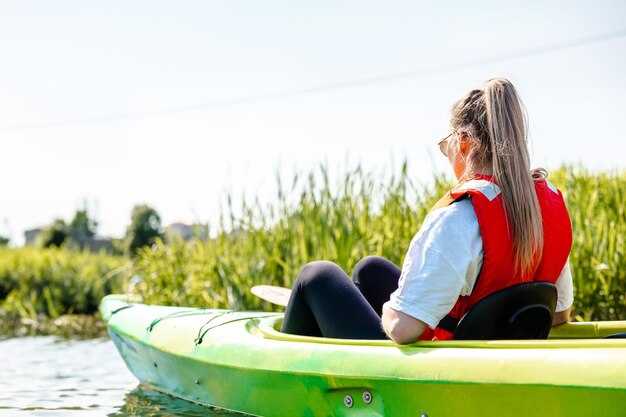
Upgrade to a modern, high-efficiency outboard engine and schedule regular maintenance; modern four-stroke or direct-injection units cut hydrocarbons and NOx emissions by up to 60% and reduce fuel use by 20–40% compared with older two-stroke designs. This change might noticeably shrink your environmental footprint while prolonging engine life.
- Fueling discipline: use spill-free nozzles and a stable setup; place a drip mat under fueling, never top off the tank, and promptly clean up drips with biodegradable absorbents; store fuel only in an approved tank; manage graywater and bilge liquids away from oceans and waterbodies.
- Engine and hull maintenance: keep the hull free of marine growth to reduce drag; clean the hull at the dock, inspect the exhaust and cooling systems, and replace worn gear to maintain high efficiency; a smooth floor and well-lubricated bearings minimize resistance.
- Waste and graywater management: install a dedicated holding tank or pump-out system; use biodegradable detergents and avoid discharging contaminated graywater anywhere waterbodies; plan trips to permit regular pump-outs and to prevent buildup of contaminants.
- Storage and transport: transport on trailers with secure fuel storage; inspect connections to prevent leaks during road transport; keep spill-resistant containers; this reduces the risk of leakage during fueling or movement.
- General practices: recycling of used oil and filters through approved channels; beware outdated oils and solvents; choose gear and lubricants with low toxicity, as recommended by builders; follow local rules to prevent contamination of the marine environment; learn the regulations and keep receipts as proof of compliance.
Keep in mind that tiny drips and venting can accumulate; prevention and careful handling break the chain of pollution. By making these choices, you love the oceans and waterbodies, and the effort becomes a habit that can be taught to fellow crew and sport enthusiasts. If you maintain the tank, stay aware of contaminated liquids, and keep the number of fueling incidents low, you reduce emissions, cut drag, and keep your craft performing well around coasts, lakes, and rivers.
Biodegradable Product Labels: Are They All the Same?
Choose labels backed by third-party verification and explicit disposal conditions. Learn to read certifications and compare timelines, since biodegradable does not imply quick or harmless breakdown in all settings, including boat environments, near shorelines, and landfills. Avoid items that accumulate on land.
Biodegradability depends on environment. Some labels denote industrial composting only; others claim home compostability but require high heat or specific moisture. In waterbodies, many items degrade slowly and can release microplastics or invasive fragments. Look for logos from recognized schemes and note whether breakdown happen in waterbodies, bottom sediments, or land. Plus, verify the designated disposal path: some materials break down in a compost stream, but breakdown may not happen in showers, on decks, or near the hull. Understand the difference between terms such as biodegradable, compostable, and marine-degradable; check the conditions under which each claim holds.
To evaluate items, builders and owners should document the design and intended disposal path; if an item is marketed as biodegradable, ensure it is designated to industrial compost or home compost depending on the local waste stream. When near shorelines or aquatic zones, prefer products that are certified to marine conditions; otherwise avoid using them on boat surfaces, cleaners, or bottom coatings that may enter wastewater. Only bring gear that carries clear data, and look at packaging and labeling to verify when and where breakdown happens.
Onboard steps: look at packaging, verify designated guidelines, and learn how the waste stream will handle the item. Include items such as cleaners, showers, and personal care products labeled with marine contexts. Builders and owners should plan a designated waste path and maintain onboard storage to avoid cross-contamination through wastewater. Plus, keep a list of items to replace with true biodegradable alternatives, and bring a small generator if used, ensuring disposal of residues does not rely on non-certified packaging. Look for items that clearly state where breakdown occurs and which waste stream will handle the remaining material.
Green Cleaning Onboard: Safe, Non-Toxic Substitutes
Start with a three-part kit: baking soda paste (3:1 baking soda to water) to tackle dirt, white vinegar diluted 1:1 for mineral build-up, and biodegradable Castile soap used on general surfaces. This non-toxic lineup handles common grime without hazard and wont generate harsh runoff. Store in refillable plastic bottles, away from sunlight, and clearly label each container.
Here, keep the setup compact: rinse residue promptly after use and rinse tools between tasks. This approach minimizes discharge into the marina’s water and protects nearby habitats. Use a dedicated bucket for rinsing to prevent cross-contamination.
Choose biodegradable, phosphate-free cleaners near showers and sinks. These choices reduce harms to habitats and lower blackwater risks when cleaning aboard. Always read instructions on labels to prevent accidental chemical interactions that could release hazardous fumes.
Do not mix bleach with ammonia; life-threatening fumes can occur. Avoid traditional, petroleum-based products; plant-based options maintain safer conditions for life around docks and marine life.
| Substitute | 참고 |
|---|---|
| Baking soda paste | Grime on non-porous surfaces; mix 3:1 baking soda to water; safe on plastic, glass, metal; avoid aluminum with vinegar. |
| White vinegar | Mineral build-up; use diluted 1:1 with water; not on stone surfaces; rinse thoroughly; avoid mixing with bleach. |
| Biodegradable Castile soap | All-purpose cleaner; dilute in water; suitable on showers, counters; rinse well to prevent film. |
| Biodegradable spray cleaners | Phosphate-free options; safe around marina habitats; ensure labeling indicates biodegradability. |
| 효소 세정제 | 폐기물 구역 근처의 유기물 오염 물질을 분해합니다. 흑색수 배출을 피하기 위해 안전하게 폐기하십시오. 표면과의 호환성을 확인하십시오. |
유해 제품의 대안: 보트 업그레이드 쉽게 하기
소형, 무독성 청소 키트로 전환하세요: 백 식초, 베이킹 소다, 식물성 카스틸 비누; 플라스틱 분무병을 스테인리스 스틸 리필 가능 병으로 교체하세요; 라벨이 붙은 예비 용기를 보관하고 지정된 통에 보관하세요.
생분해성, 저독성 세정제 및 수성 유지보수 제품을 선택하십시오. 친환경적인 옵션은 노출을 줄여줍니다. 구리 없는 제형의 해초 방지 페인트를 선택하고, 흡입 위험 및 VOC 배출을 최소화하기 위해 지시 사항을 따르고 그늘진 지역에서만 적용하십시오.
회색물 관리 구현: 휴대용 회색물 탱크 또는 지정된 유조선을 소지하십시오; 통을 양동이에 대고 씻은 다음 육상 시설에서 배출하십시오; 처리되지 않은 세척수를 바다로 방출하지 마십시오.
천연 세정제로 때를 제거하세요: 베이킹 소다 페이스트; 희석된 흰 식초; 신선한 물로 헹구고 플라스틱 폐기물에 남아있는 염소 표백제를 피하세요.
유해 대체제: 광석 정화 용매와 같은 유해 용매는 피하십시오. 수성 탈지제로 교체하십시오. 안전을 위해 지침을 읽으십시오. 사용 중 객실 환기를 하십시오.
장비 업그레이드: 일회용 플라스틱 용기 대신 재사용 가능한 금속 주전자를 사용하고, 가능한 경우 유리병을 선택하며, 연료 장비로부터 누수를 방지하는 뚜껑으로 밀봉하여 보관하고, 밀폐 시스템을 유지하십시오.
트레일러의 폐기물 처리: 폐기물을 분리하여 보관하고, 재사용 가능한 가방을 휴대하고, 트레일러에서 육지로 물품을 옮기기 위해 이동식 휴대용품을 사용하고, 주간별 점검을 정기적으로 실시하십시오.
보터는 보atus 자원을 이해해야 합니다. 더 큰 녹색 영향을 얻기 위해 두 개 이상의 업그레이드를 결합하고, 해양 및 보트 커뮤니티 전체에 결과를 공유하세요.
마리나 파트너십 및 행동: 반 아일 마리나의 친환경 프로그램
권장 사항: 선착장 전체에 걸쳐 세 가지 실행 흐름으로 묶인 8주간의 친환경 파트너십 프로그램을 시행합니다. 실행 흐름은 다음과 같습니다. 연료 안전 및 유출 방지, 생분해성 세정제 전환, 그리고 폐기물 발생 지점에서 폐기물 발생원을 추적하는 폐기물 관리 시스템.
급유 구역에서는 투수 방지 매트, 흡수 패드, 전용 유출 방지 키트를 설치하고, 승무원을 훈련하여 오염된 헝겊을 분리하고 유성 폐기물을 기관실 물과 섞지 않도록 합니다. 호스 및 노즐 주변의 격리 상태를 확인하기 위해 정기적인 점검을 실시하여 급유 작업 중 생명을 위협하는 노출을 최소화합니다.
오염 물질과 표면 오염을 줄이기 위해 수성 생분해성 세척제로 전환하고, 유해 잔류물을 담은 별도의 라벨이 부착된 용기를 지정하여 인증된 지역 공급원으로부터 적절한 폐기를 보장하며, 선박 페인팅 또는 수면 근처 코팅 적용 시 오염 물질이 샤워실 및 기타 작업 영역으로 이동하는 것을 방지하기 위해 이차 밀폐를 구현하십시오.
지역 공급업체 및 당국과 협력하여 폐쇄 루프 접근 방식을 구축합니다. 플라스틱, 금속, 판지를 재활용하고, 승인된 회수 경로에서 폐유 및 부동액을 수집하며, 가능한 경우 재생 에너지원으로 전환하여 마리나의 발자국을 줄이고 지역 경제를 지원합니다.
명확한 지표를 통해 성과를 추적합니다. 정박된 보트당 연료 사용량, 시설의 에너지 강도, 매립지에서 유환된 폐기물 등이 있습니다. 매월 결과를 게시하고, 목표를 조정하며, 펌프, 필터 및 조명에 대한 예방적 유지보수를 수행하여 자산 수명을 연장합니다. 규정 준수를 나타내고 모든 팀의 행동을 안내하기 위해 표지판 및 PPE에 눈에 띄는 로고를 사용합니다. 모든 승무원은 간단한 모바일 양식을 통해 유출 사고를 보고할 수 있으며, 이를 통해 신속한 대응이 가능합니다.
선원과 선원을 직접 참여시켜 다음과 같은 단계를 진행합니다. 라벨이 붙은 절수형 샤워 시설을 설치하고, 생분해성 세면 용품을 제공하며, 유출을 최소화하는 도장 및 청소 일정을 유지합니다. 지역 파트너로부터 피드백을 수집하고, 유해 물질 위험이나 오염된 물 사건을 드러내는 사고 기록을 검토하여 정기적으로 개선의 새로운 원천을 발굴합니다.