


 한국어
한국어  English (UK)
  Русский
  العربية
  日本語
日本語  Magyar
  Türkçe
  Español
  Čeština
  Svenska
  Português
  Ελληνικά
  Suomi
Suomi  Nederlands
  Română
  Italiano
  Français
  Polski
  Українська
  Deutsch
  简体中文
简体中文  Slovenčina
 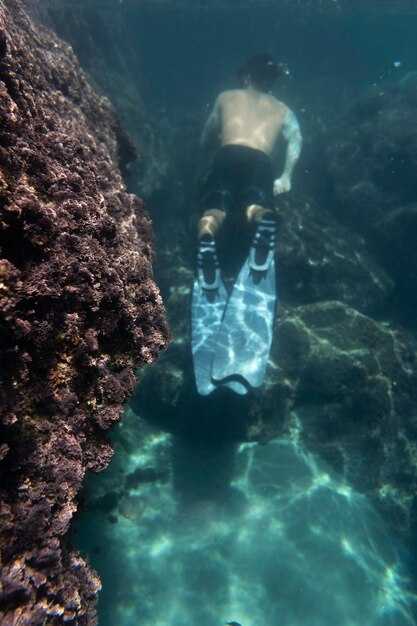 Five Great Belize Dive Sites Beyond the Blue Hole">

Book dawn charters with licensed operator to access hidden reefs around a legendary Caribbean sinkhole. Early sessions offer calmer currents, longer viewing windows, and direct briefing from crew about entry points, safety, and surface etiquette.
5 standout routes showcase a mix of tunnels, walls, and wrecks where marine life varieties flourish. glovers and operators coordinate rendezvous around anchor points to minimize disruption and maximize visibility. Expect colorful schools of reef fish, spiny lobsters, and stalactites hanging from caverns that create cathedral-like spaces beneath surface. In these zones, moray eels slide from crevices, and tails of reef sharks ripple along blue water, a sign that life is found in abundance.
Across unesco-listed zones in countrys, choose operators with clear ethics and licenses to avoid unethical practices. reef-safe sunscreen protects you and coral polyps; never touch or harass marine life; maintain safe distances during rendezvous and avoid chasing animals. This approach keeps encounters valuable and respectful.
Practical notes: bring camera with wide lens, reef-safe sunscreen, and a small surface marker buoy; plan a 5-stop sequence to respond to currents. Aquatic light changes with depth, offering sharper colors and longer exposure windows. Observe how various species group by reef edges and open transects. Ocean conditions vary daily, so a respectful approach by glovers and operator teams keeps visits sustainable and enjoyable for all.
unesco notes ongoing protection of these reefs; respectful behavior supports stewardship across countrys.
Belize Dive Site Guide
Begin with a calm, shallow wall encounter; plan around neap tide windows; follow instructions from your operator; then progress to deeper atoll drift with an experienced buddy.
- Shallow wall, 12–18 m, visibility 25–30 m; spotted stingray drift over sand; green reef sharks occasionally circle; groups 3–4; sunscreen reef-safe; avoid touching corals; follow your guide’s instructions; their behavior shifts with winds; diving practice strengthens confidence.
- Atoll edge drift, 15–22 m; tide creates smooth current; ecological value due to coral gardens and sponges; groups 4–6; divers should stay close, avoid touching animals; currents aren’t ideal for beginners; sightings of spotted octopus and green moray possible; diving path rewards photographers.
- Southern boundary near honduras coast, 14–20 m; currents vary with wind; ecological features include drop-offs and crest formations; groups 3–5; expect reef sharks and nurse sharks; commonly seen animals include parrotfish and angelfish; sunscreen recommended; avoid mixing sunscreen with reef; diving with guide preferred.
- Inner-wall channel near protected reserve, 10–16 m; currents mild during morning; rarely crowded; groups 3–5; look for spotted stingrays and hawksbill turtles; water clarity often excellent; green reef appears vibrant; sunscreen use encouraged only away from reef; diving with buddy essential.
- Night diving option along mangrove edge, 6–12 m; lighting reveals different animals; groups 2–3; murky water possible; spotted crabs and squid; sharks and stingrays more nocturnal; diving after dark requires extra caution and pre-briefing.
word: respect ecological heritage; avoid touching animals; sunscreen must be reef-safe; move smoothly to minimize impact.
Half Moon Caye Wall: What to Expect from a Wall Dive
Hire certified operators and demand a focused safety briefing, current checks, and wall-entry plan before boarding.
Silk-clear mornings, a gentle wave, and vast vertical faces begin at shallow reef and drop toward deeper blue. Depth typically spans 25–40 m; long walls reveal margins where light fades and color intensifies.
Current can be severe, delivering drift along wall ridge. Stay close to ridge lines and rely on guide cues. Kicking with controlled finning helps maintain position and reduces sand splash.
Colorful corals, sponges, and fans paint underwater worlds; spotting includes turtles, lobsters, and a reef‑dweller crowd that shows up frequently. Reef sharks rarely linger near shore, so sightings remain treasured but not common.
Lesser-visited area lies within a managed park; UNESCO status supports welfare of creatures and habitat. Local operators run small-group excursions with limited entries to minimize impact.
When selecting a trip, mornings usually offer calmer water and better visibility; drinks served on boat after return, giving time to reflect on colors and texture of wall. Shore access is practical, with a brief surface interval before next run.
| Aspect | 기대할 수 있는 기능 | Tips |
|---|---|---|
| 깊이 | Typically 25–40 m; deeper pockets exist along occasional ledges | Plan entry with guide; keep neutral buoyancy; maintain line of sight |
| Current | From mild drift to severe on certain days | Follow safety brief; stay near ridge; kick minimally to avoid silt |
| Life | Colorful worlds of corals, sponges, and reef fish; spotting includes turtles | Look for schooling fish and signs of turtles; avoid touching |
| Access | Lesser-visited location within park; managed by local operators | Book with approved operators; respect park rules and welfare guidelines |
The Elbow, Turneffe Atoll: Currents, Drift Entry, and Safety
Important thing: Begin drift entry from behind a rocky alley just off eastern edge of Elbow. looking for exit near a sand runout and a second rock pillar. Descend to feet18mt depth, then let current push you along curved wall. Stay close to your buddy groups and use tiny kicks to maintain position; one wrong move can drift you into a wave behind you. An important thing is to plan escape lines and visit your exit point with calm, clear signals.
Currents here are strong, often 2–3 knots during tidal exchanges; plan for 45–60 minute drift, depending on wind, swell, and mexico coast patterns. Drift direction is usually westward along a rock wall with a shallow gap leading into a tiny alley between reef blocks. Look for a second pinnacle behind you as reference points; zones of surge can form around rock shoulders. Visibility is variable; still mornings can give clear view while afternoon glare reduces sight lines.
Safety checklist: pair up with buddy groups of at least two; pre-entry brief outlines exit strategy, signals, and air-share plan. Carry surface marker buoy, whistle, and line cutter; keep near boat pickup point; never chase cross-current moves; still maintain contact. Use a DSMB when reaching end of zones to signal boat; ascend safely with proper buoyancy checks and regulator management after movement back into calmer water.
Wildlife and lessons: trumpetfish often hover around rock faces, while eagle ray sails past ledges. Expect many colorful reef animal species, with occasional larger moves by reef sharks in larger zones. After excursions, groups visited this spot, drawn by consistent drift. This drift remains a best choice to explore macro life and larger pelagic action. For those visiting from far away, this route is among largest, with huge arches and rock shelves that increase depth variety; pockets reach feet18mt in deeper spots which encourages exploration safely. Ambergris fragments have historical presence in this area; still, focus remains on current, safety, and wildlife. visit this site with a clear plan and respect for environment; it offers a compact, intense experience particularly rewarding for those seeking drift mastery.
The Weeds, Turneffe Atoll: Coral Gardens, Macro Life, and Top Sightings
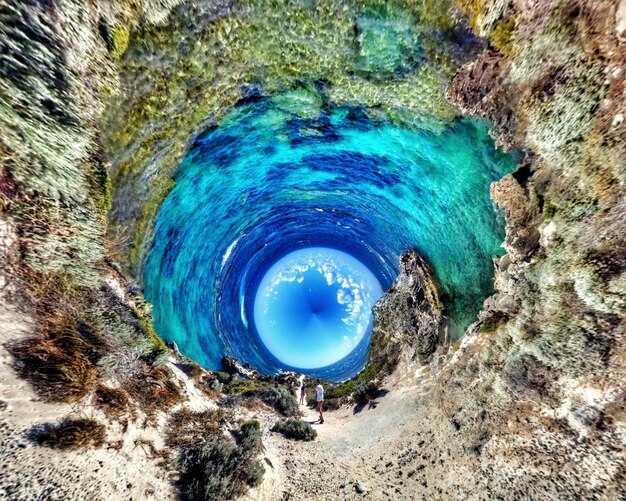
Begin at Coral Gardens, offshore within Turneffe Atoll, to maximize macro life density during slack tide. This location offers healthy coral with a vibrant resident macro scene, preferred for up-close encounters. A 7-stop route between spots keeps exploration compact, allowing hands-off observation of tiny residents while moving between colorful zones.
Weeds patch reveals vast color and structure: coral gardens spread across shallow shelves, with stalactites hanging from overhangs and pockets where macro life congregates. Look for resident parrotfish, surgeonfish, and schools of snapper weaving through branches. Nudibranchs add pops of hue across ecological seascape.
Macro life here centers on shy octopuses, small crabs, lobster juveniles, squat lobsters, and tiny pipefishes that dodge among coral fingers. Expect resident critters to pause in crevices and behind limestone ledges, providing post-visit notes for enthusiasts who enjoy macro detail.
Visibility varies with tide, but typical conditions range from 10 to 25 meters, with clearer windows after currents ease. For macro life, early mornings yield higher chances of spotting shy cephalopods and tiny shrimps. Colors shine in midday sun, making for vibrant photography across spots within easy walking range from anchorage.
Within this vast, resilient ecosystem, flexibility matters: adjust depth, shift to shallower shelves, or move offshore to seek alternative micro-habitats if currents rise. Offshore approach preferred: hands-off monitoring, allowing natural behavior to unfold without chasing schooling fish or crabs. Between stops, name each micro-site to adjust gear and note which spots delivered best sightings; many visitors enjoyed photographing tiny creatures for post-visit records.
Location is part of mesoamerican reef complex, forming a healthy offshore corridor that expands ecological connectivity. This vast system supports a wide range of resident fish and invertebrates, a pattern enjoyed by observers who value a natural, flexible experience.
The Maze, Turneffe Atoll: Navigation, Sheltered Dives, and Best Times
Begin at northern reef heads, ease into a sheltered alley on the coastal side along limestone walls, where topography dips into shallow bays on long slopes before deeper pockets; plan snorkel sessions that stay within 10–15 m alongside sea-grass flats for many sightings of crabs and rays.
Navigation relies on natural cues: current direction, sun angle, and landmarks shaped by limestone corridors; drift lines guide you through depths, abyss pockets toward calmer pockets, while a compact compass helps stay in a safe lane. Going with currents lowers risk and preserves air.
Sheltered dives suit calmer conditions, especially during morning slack tides; choose routes with multiple heads that form micro-environments where reef fish cluster; if currents shift, move to adjacent lagoons for a safer snorkel session.
Best times for visibility vary with lunar cycles and winds; November to April windows provide long sunny days; ambergris fragments and other coastal detritus drift within nearshore mud, though sightings remain rare. Local guides said keeping to shallow channels reduces risk during dusk.
Eco-conscious travelers minimize contact with coral by keeping a respectful distance while swimmers watch for macro life; reef-safe sunscreen reduces chemical exposure to limestone habitats and sea-grass beds; keep bassets away from dune edges entering water to protect habitats.
World-class operators such as aggressor fleets ply this zone; national park rules govern mooring, currents, and protected zones; money matters include tipping in local currency to guides who enforce minimal impact.
The Aquarium, Turneffe Atoll: Visibility, Wildlife Encounters, and Photography Tips
Plan dawn excursions to a protected lagoon for maximum visibility; water stays clear until daylight strengthens, boosting your encounters.
Sharks linger near reef edges while moray eels peek from crevices; keep distance, avoid feeding, and note behavior patterns.
Choose accessible routes to minimize severe currents; this focus helps gear balance and allows longer stays, even if surface conditions worsen.
Within green lagoon zones, explore caves where stalactites drip into water, delivering dramatic silhouettes for photography.
Base trips include guided routes, practical photography tips, and a focus on beauty within protected zones; carry spare batteries, wear glovers, and respect encounters.