


 한국어
한국어  English (UK)
  Русский
  العربية
  日本語
日本語  Magyar
  Türkçe
  Español
  Čeština
  Svenska
  Português
  Ελληνικά
  Suomi
Suomi  Nederlands
  Română
  Italiano
  Français
  Polski
  Українська
  Deutsch
  简体中文
简体中文  Slovenčina
 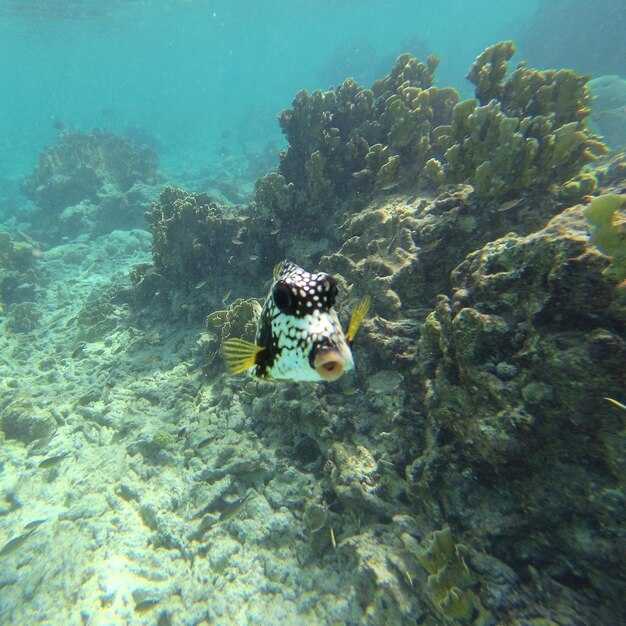 Diving Across Quintana Roo, Mexico – Top Dive Sites & Cenotes">

Start with five cenotes on the first week, then expand to reef sites. If you want a clear intro, go there, because you will learn about lagoon ecosystems and how calm water supports a 스쿠바 session. We went with a simple plan and stayed until sunset, letting the cave features reveal themselves, making the experience truly amazing for a first brush with Quintana Roo. Over the next weeks, buoyancy drills, surface intervals, and ferry connections shape your rhythm.
From there, chart five core sites along the coast, each offering distinct fish action and coral structures that are perfectly balanced. A diver will notice how reef edges attract snappers and parrotfish, while inland lagoon habitats shelter juvenile species and create varied ecosystems. The variety lets you compare cave-lit environments with open-water zones, staying focused on your destinations and avoiding repetition.
To maximize your time, align Quintana Roo’s cenotes with coastal destinations that can be reached by ferry routes along the Riviera Maya. You will probably cover five main sites, making the route loop from inland caves to offshore reefs and back, until you lock a routine that fits your pace. For the diver, the lagoon and cave experiences complement each other, offering a balanced mix of things to see and do.
Practical Quintana Roo diving: sites, cenotes, and current conditions
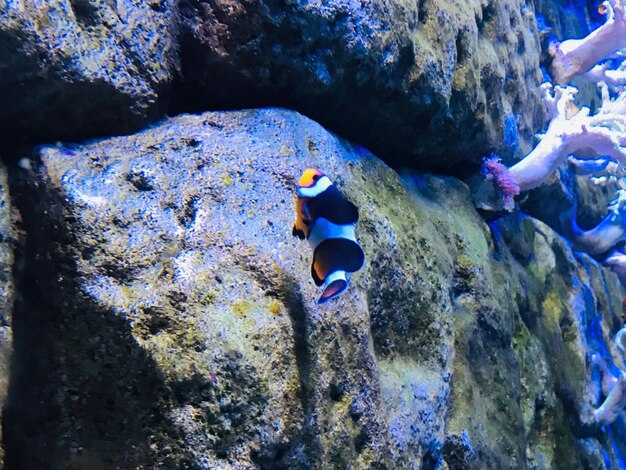
Plan three active days: two cenote sessions in the morning and a central reef outing in the afternoon; this balance gives divers a mix of shallow, light-filled passages and deeper coral walls, with chances to see charismatic creatures. This approach also lets you sample a new type of underwater experience. These options cover different types of underwater experiences that will probably thrill divers again and again, and help you live the moments you love.
Top sites for a practical itinerary include Dos Ojos and Gran Cenote for accessible, bright passages with depths from shallow to mid-range; Angelita and Siete Bocas offer deeper, more challenging sections for trained divers. Cenotes open up worlds of underwater life with very clear water, often with dramatic light beams. In central Quintana Roo, Cozumel’s walls provide longer drifts and a broad profile of reefs, best timed with light morning seas. Always check local operators for current access and depth limits, and book a guide for safety briefs.
Water temperatures stay warm year-round, typically 26-29°C in the sea and around 25-30°C in cenotes, so a 3-5mm or 5-7mm wetsuit is comfortable; during the dry-season weeks (November–April) bring clearer visibility, often 20-40m on reefs and even better in cenotes, though winds can pick up during March–April. The hurricane season (June–November) can reduce visibility for a few weeks after storms, but cenotes remain very clear with depths and currents more predictable. For week-long trips, plan to alternate 2–3 days near Cancún with 1–2 days near Cozumel or Riviera Maya.
Current conditions in this region vary with the season: winds from the east, sea state calmer in the early mornings, and visibility on the reefs improving after light showers; cenotes stay warm with steady temps and crystal clarity. Mobula migrations peak in December–February along Cancún and nearby islets, while thresher sharks are possible but probably rare in deeper offshore channels, so check with operators about probabilities. Be sure to follow guides and respect their space; these encounters remain charismatic highlights for divers and visitors alike.
Before any sea session, check the forecast, wind and wave updates, and the operator’s safety briefing. Pack a small kit with a spare mask, reef-safe sunscreen, and a microfiber towel; bring a camera with a wide-angle lens to capture corals, small creatures, and the green seagrass beds that shade ecosystems throughout the central coast. In cancun and central Riviera Maya, you’ll love the warm water, shallow cenotes, and active reefs–moments you can live again and again.
Open-water sites by zone: Cozumel, Riviera Maya, and Puerto Morelos
Begin in Cozumel at dawn; warm water often runs 27–29°C, and that allows a smooth drift through the wall topography. Palancar Reef shows green coral gardens with vibrant colors; Santa Rosa Wall drops steeply, offering dramatic vertical faces; Columbia Reef offers a secret drift through deeper channels where bigger pelagics cruise. Nudibranchs stud the surfaces, bull sharks appear seasonally, and many small fish animate the colors. Access from San Miguel is straightforward, and protection zones keep these worlds safe for being and playful life–making everything better again through June visibility.
In Riviera Maya, Tulum Wall delivers a long, graceful drift along a ledge that hosts meticulous corals and colors in depths from 6 to 24 m; Paamul Reef adds a kinder option with gentle slopes through 6–18 m and many macro creatures including nudibranchs. The best conditions cluster in May–June and again in September–October, when visibility is strong and the warm water supports vibrant topography near shore. Accessibility from Playa del Carmen or the town beaches makes this region better for snorkeling and easy swims.
Puerto Morelos keeps a calmer tempo with La Bocana and El Bajo. La Bocana offers a lighter drift along a protected reef edge, accessible from the village, with max depths around 15 m; El Bajo hosts bigger pelagics and schooling fish, great in June and often in the fall, with clear water and playful turtles. These sites sit inside a protected patch of the Mesoamerican Barrier Reef, which enhances access and protection for future seasons and preserves the secret feeling of the region.
| 구역 | Site | Access | 최대 수심 (m) | Best Time | Signature Feature | Wildlife |
|---|---|---|---|---|---|---|
| Cozumel | Palancar Reef | Boat from San Miguel | 15–30 | May–Sept | Colorful gardens, swim-throughs | Green morays, parrotfish, nudibranchs, nurse sharks |
| Cozumel | Santa Rosa Wall | Boat | 18–35 | Mar–Oct | Dramatic vertical wall | Schooling fish, turtles, occasional bull sharks |
| Cozumel | Columbia Reef | Boat | 18–50 | Jun–Oct | Deep channels, pelagic drift | Pelagics, groupers, reef sharks |
| Riviera Maya | Tulum Wall | From Playa del Carmen or Tulum | 6–24 | Mar–Jun | Long wall drift, vibrant corals | Barracuda, sea turtles, reef sharks |
| Riviera Maya | Paamul Reef | Paamul Beach | 6–18 | May–Sept | Gentle slopes, coral gardens | Angelfish, morays, nudibranchs |
| Puerto Morelos | La Bocana | Puerto Morelos town access | 6–15 | Jun–Sept | Light drift along reef edge | Nurse sharks, morays, turtles |
| Puerto Morelos | El Bajo | Puerto Morelos town access | 12–20 | Year-round | Pelagic action, large schools | Manta rays, barracuda, tuna |
Cenotes: selecting by cave type, depth, and light exposure
Choose a shallow open cenote with bright daylight, a reachable wall, and calm water as your must-start option for the first visit. This setup works well for people, including families, and their reaction is often positive when exits are direct and the surface is visible from below. If the water feels cold at the surface, slip on a light wetsuit and take a gradual approach before moving deeper later.
Three cave type families shape your day: open cenotes that flood with sun, semi-open sites with a partial roof, and cavern routes where light fades and walls tighten. Each type is different: open sites reveal corals and clear lines on the wall, semi-open spaces balance shade and color, and cavern paths reward meticulous navigation along a guided route. Their features help you pick the right setting for activities and comfort, and others in your group can join at their own pace.
Depth matters. Shallow zones below 8 m ease learners into buoyancy and signaling, mid-depth ranges 8–20 m reveal larger walls and more life, while deeper pockets 20–40 m demand meticulous planning, a certified guide, and sign-up prior to entry through the site’s safety system. Always confirm the depth at the entrance and stay within your training level.
Light exposure defines mood and color. Bright sun near openings creates vivid outlines, while deeper or shaded sections show a cooler, blue-green glow that changes how corals and formations appear. Plan to visit around mid-morning or late afternoon to balance light, shadows, and visibility; this helps photographers and casual visitors alike, again for a different lighting effect.
Book with a reputable operator; sign-up ensures a structured day with a direct briefing, a safety system, and clear limits on depth and exposure. In addition to cenote time, you can add surface activities and nearby reefs or reef encounters; around the yucatan coast, including holbox and other spots along the caribbean coast, these options broaden the experience and increase the chances to see sharks when seasonal conditions permit. This balanced approach provides something for every person and keeps the pace comfortable for families and first-timers.
Examples you might consider: Dos Ojos offers extensive passages through cavern and open sections; Gran Cenote presents clear water with bright surface, and Ik Kil delivers a dramatic deep shaft. These sites show how depth and light interplay; here on the peninsula you’ll find people who went for a variety of experiences, including visitors from around, and others who want to focus on mindful exploration among the reefs and cenote walls.
Seasonal visibility and water conditions by month
Plan February through April for the clearest sea visibility and comfortable temperatures. Expect calmer mornings and steady currents near reef edges, ideal for multiple excursions along the Riviera Maya and Cozumel region.
- January
- Visibility: 15–25 m
- Temperature: 25–27°C
- Current and winds: light to moderate; NE winds in the morning
- Notes: reef edges stay clear on most days; shallow zones show excellent visibility
- February
- Visibility: 18–30 m
- Temperature: 25–28°C
- Current and winds: light to moderate; mornings are usually calm
- Notes: east-facing reefs often display sharp clarity; stable days near offshore sites
- 3월
- 가시거리: 25–35 m
- 온도: 26–29°C
- 현재 및 바람: 일반적으로 온화함; 일출 후 최상의 결과를 얻을 수 있습니다.
- 참고: Cozumel과 산호초 회랑에 최적의 창문
- 4월
- 가시거리: 28–40 m
- 온도: 26–29°C
- 현재 및 바람: 안정적; 건조한 시기는 길고 맑은 창을 지원합니다.
- 참고: 연안 지역은 깨끗하게 유지됩니다. 최고의 조명을 위해 초반 시간대를 예약하세요.
- May
- 가시거리: 20–32 m
- 온도: 27–30°C
- 현재 및 바람: 바람이 강해집니다; 짧은 소나기 가능
- 참고: 비가 온 후 탁도가 높아질 수 있음; 아침이 이상적임
- June
- 가시거리: 18–28 m
- 온도: 28–30°C
- 현재 및 바람: 바람이 강해지고 노출된 지역의 파도가 더 거칠 수 있습니다.
- 참고: 유연성이 도움이 됩니다. 해상 경로에 대한 예보를 확인하세요.
- July
- Visibility: 15–25 m
- 온도: 28–31°C
- 현재 및 바람: 습도 높음; 소나기 잦음
- 참고: 아침 햇빛은 명확성을 높입니다. 해안 산호초는 여전히 생산적입니다.
- August
- Visibility: 15–25 m
- 온도: 29–31°C
- 현재 및 바람: 따뜻하고, 종종 약간 쌀쌀함; 폭풍 위험이 증가합니다.
- 참고: 유연한 일정으로 계획을 세우세요. 어떤 날에는 뛰어난 명확성을 제공합니다.
- September
- Visibility: 15–25 m
- 온도: 29–30°C
- 현재 및 바람: 우기 만발; 강우 후 탁도 급증
- 참고: 세노트는 안정적입니다. 건조한 시기 이후의 아침을 선택하세요.
- October
- 가시거리: 20–30 m
- 온도: 28–30°C
- 현재 및 바람: 폭풍 후 안정화; 아침은 더 맑습니다.
- 참고: 초기 계획이 도움이 됩니다. 특히 해상 노선에 도움이 됩니다.
- November
- 가시거리: 25–35 m
- 온도: 26–28°C
- 현재 및 바람: 건기 패턴 시작; 바람 변화 없음
- 참고: 해당 지역은 뛰어난 명확성을 보이며, 근해대는 안정적인 조건을 제공합니다.
- December
- 가시거리: 20–40 m
- Temperature: 25–27°C
- 현재 및 바람: 북쪽 파도 가능; 아침은 종종 더 잔잔합니다
- 참고: 연말 슬롯은 훌륭한 빛과 넓은 시야를 제공합니다.
세노테는 일년 내내 믿을 수 있는 투명성을 제공하며, 기온은 섭씨 20대 중반을 유지하며, 아침에는 사진을 위해 천창을 통해 최상의 빛이 쏟아집니다.
해류, 수심, 그리고 산호초 및 드리프트 다이빙을 위한 안전 계획
현지 운영업체와 함께 가이드 및 면허가 있는 드리프트 세션을 예약하여 표면 마커 부이, 릴, 명확한 탈출 계획을 제공받으세요. 꼼꼼한 안전 브리핑을 확인하고, 해류 예보를 확인하고, 물에 들어가기 전에 탈출 옵션을 확인하세요. 만약 겨울이 되면 수온이 낮아진다면 3–5mm 웨트슈트를 입고 페이스 조절을 준비하세요. 유카탄 주변의 대부분의 드리프트 경로는 해류와 부력의 건강한 균형으로 움직이면서 자연 세계와 그 종들과의 기억에 남는 만남을 선사하는 버킷리스트 순간을 제공합니다. 해양은 잔잔하지만 까다로울 수 있으므로, 준비되고 안전하게 지낼 수 있도록 5가지 핵심 단계를 준비하세요.
-
해류, 각도, 그리고 부지 선정 – 이 지역에서는 무역풍과 조석 교환에 의해 표면 흐름이 결정됩니다. 대부분의 산호초 레인은 잔잔한 날에 0.5–1.5 노트로 흐르며, 비교적 잔잔한 아침 시간대에는 약간 더 많은 제어력을 얻을 수 있지만, 오후에는 뒷 산호초 쪽으로 더 강한 힘이 작용할 수 있습니다. 계획과 일치하는 통제된 진입 및 퇴출 옵션을 찾고, 해안으로의 예측 가능한 경로를 제공하는 채널과 같이 계획에 맞는 경로를 찾으세요. 가이드들이 활동과 시야 변화의 지표로 확인하는 'olhos'를 주시하세요. 만약 물이 녹색이고 흐릿해 보인다면, 속도를 늦추고 재평가하세요. 항상 백업 퇴출 계획을 가지고 날카로운 횡류가 있는 경로는 피하세요.
-
수심 및 저시간 – 일반적인 산호초 구간은 12~18m 정도이고, 일부 해벽 지역은 20~25m까지 떨어집니다. 조류 레인의 안전을 위해, 잔잔한 조건에서는 수심 25~40분, 그리고 5m에서 3~5분 안전 정지를 계획합니다. 조류가 빨라지면 수심 시간을 단축하고 안전 여유를 유지하기 위해 조기에 상승합니다. 평균 가스 비축량은 계획된 시간과 깊이에 맞춰 확인하고, 편안한 여유를 남겨 세션을 마치도록 목표합니다.
-
다섯 가지 필수 안전 점검 – 세션 전에 짧고 꼼꼼한 체크리스트를 사용하세요:
- 예보 및 조류: 최신 정보를 확인하고 탈출 경로가 여전히 실행 가능한지 확인하십시오.
- 장비 준비 상태: SMB/릴, 휘슬, 칼, 예비 가스 (가능한 경우), 부력 벨트; 버디 신호 확인.
- 부력과 트림: 수영장 기둥에 미치는 영향을 최소화하기 위해 최소한의 지느러미 작업으로 가볍고 제어된 활공을 연습하세요.
- 부지 계획 및 각도: 주요 경로, 비상구, 팀 연락 지점에 대해 합의합니다.
- 가스 관리: 예비량을 확보하고, 혼합의 두 번째 단계를 계획하며, 조기 고갈을 피하기 위해 작업 속도를 조절하십시오.
-
안전 장비 및 통신 – Carry a surface marker buoy, signal whistle, and a cutting tool; a reel helps you manage drift when currents shift. Communicate with your buddy using agreed hand signals and maintain visual contact as you approach potential narrowing points or silt zones. On calmer days, you may explore closer to green slopes; on stronger days, stay nearer to the exit and maintain a steady rhythm to keep the group balanced.
-
Environmental awareness and site-focused choices – Respect marine life and keep distance from critical habitats. Choose routes where you can observe natural behavior without interfering with wildlife, such as reef crevices or shallow ledges where species like parrotfish and angelfish commonly move. Note how the current shapes your path across the kelp-like greens and sandy patches; plan options that minimize contact with fragile coral and maximize opportunities to observe small natural acts, such as fish schooling and shell activity.
Posterior planning concentrates on safe margins and realistic options, not on pushing limits. A well-chosen route reduces stress on your second stage and supports a healthy balance between exploration and safety. Remember: most memorable moments come from calm, controlled movements, thoughtful angles, and a strong, cooperative team–here in the Yucatán’s tropical oceans, where winter temperatures trend toward the mid-20s Celsius and the game is to stay ready, meticulous, and mindful of the planet we share with countless species.
Gear and safety checklist for Quintana Roo dives
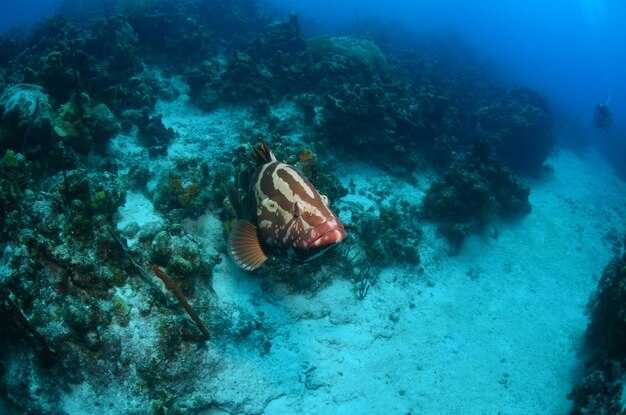
Perform a thorough pre-entry gear check on the beach at least 30 minutes before any underwater outing. Verify regulator and first stage, alternate air source, buoyancy control device, weights, and computer are within specification, and confirm a charged backup light and spare batteries are stowed in a dry bag.
Carry a redundant air source, a bright primary light, spare mask strap, and a safety reel or line for cenotes or reef sections. There should be a clear plan with your buddy for contact if visibility drops or currents shift.
Depths awareness matters: Open Water certification typically limits to 18 m (60 ft). For deeper options, complete Deep or Tec training and accompany a qualified guide. In cenotes, plan your maximum according to experience and follow your guide’s instructions. Request an in-depth briefing before entering any zone.
Wildlife and environment: Caribbean reefs host turtles and eagle rays; keep distance and do not chase. Caribbean reef life is worshipped by locals and divers; observe from a respectful distance.
Protection practices: Use reef-safe sunscreen on shore, avoid applying near the waterline, and protect beach and reef by staying on established paths and not touching corals. Bring a small bag for trash and a reusable bottle to reduce waste.
Options for gear and access: Quintana Roo offers rental gear and guided trips; playa del Carmen and nearby playa areas have shops. There are other options, including shops at the coast and in Cozumel. If you drive, start early to miss traffic and have more time to check equipment. There should be time for a last-minute check as you arrive.
Emergency planning and trusted sources: carry a surface signaling device, know local emergency numbers, and have a plan to exit quickly if conditions deteriorate. Источник of best practices sits with years of experience shared by local contributor; having been active for years, these contributors guide new divers and then help you explore the Caribbean with confidence. Knowledge from experienced guides can allow safer decisions and then help you enjoy the scene.