


 한국어
한국어  English (UK)
  Русский
  العربية
  日本語
日本語  Magyar
  Türkçe
  Español
  Čeština
  Svenska
  Português
  Ελληνικά
  Suomi
Suomi  Nederlands
  Română
  Italiano
  Français
  Polski
  Українська
  Deutsch
  简体中文
简体中文  Slovenčina
 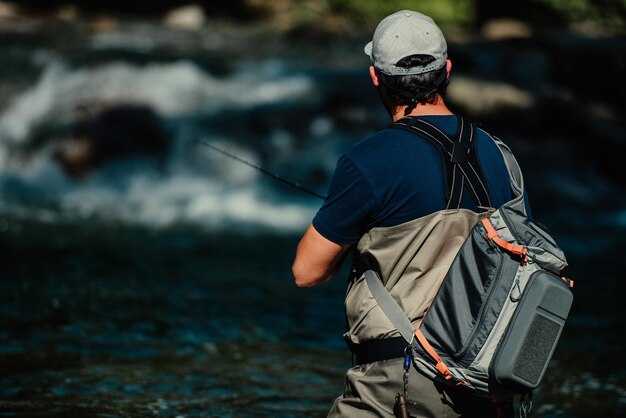 심해 낚시 장비 - 편안함과 안전을 위해 무엇을 입을까요?">

Wear a three-layer setup: a moisture-wicking base layer, a breathable mid-layer, and a waterproof, windproof outer shell. Planning your gear around waters conditions ensures you stay dry and comfortable for hours on deck. The factor you must face is spray and wind shifts, which can come from any direction; staying focused helps you maintain warmth and mobility.
Choose a base layer in merino wool or synthetic fleece, both delivering excellent moisture transport and temperature control. For cooling on hot days, select tops with mesh panels or ventilation zips. This approach keeps you focused on which fabrics perform best and helps you stay comfortable when the deck rocks.
Pair your base with a durable outer shell that is waterproof and windproof, with compatible zippers and storm cuffs. Add a PFD that stays buoyant and a non-slip boot with reinforced toe protection. A sun hat and UV sunglasses protect your face from glare, while gloves with grippy palms improve handling in spray. If brrr wind bites your face, a hood that tucks away reduces cold exposure without limiting vision.
When buying gear, check ratings for waterproofing (mm rating), breathability (MVTR), and seam construction. Compare products based on real user feedback from anglers who fish in similar waters. Whether you fish in cold mornings or warm afternoons, your layers should adapt quickly; keep a compact dry bag with spare socks and gloves for shifts in the day.
Practice dressing on shore to build patience and test comfort before you head out. This routine reduces chafing and adjusts quickly as weather comes and goes, making long shifts more tolerable. The result is a safer, more exciting day on the water for your crew and a gear performance that you can rely on.
Key Clothing and Layering for Comfort and Safety on Saltwater and Freshwater Waters
Wear a breathable base layer under a moisture-wicking mid-layer, and cap it with a windproof, waterproof outer shell to stay comfortable at your fishing spot on saltwater or freshwater. This three-layer setup takes minutes to adjust and reduces chafing, helping you enjoy long sessions without distraction.
- Base layer: choose breathable fabrics such as merino wool or synthetic blends that wick moisture and dry quickly; avoid cotton that holds sweat and leads to chafing, especially under a long day of reels and casting.
- Mid-layer: a light fleece or thermal top provides insulation when mornings are cool, yet remains comfortable within active movement.
- Outer shell: a windproof, waterproof jacket with taped seams and adjustable cuffs; pick a color with high visibility for safety on the water and to help others spot you heading back to the boat.
- Legwear: quick-dry pants or convertible pants with a lightweight liner; ensure range of motion and pockets for the tackle that accompanies your reel, and to take essentials without bulk.
- Footwear and gloves: non-slip, quick-dry shoes or boots; gloves with grip help you reel without friction and withstand spray; consider fingerless options to prevent chafing while keeping dexterity.
- Head and sun protection: hat with a brim, UV-blocking sunglasses, and sunscreen; breathable fabrics keep you cool while you stay alert and ready for the next cast.
- Safety gear: proper PFD worn within easy reach, a whistle, and a well-stocked set of rain gear, spare socks, and a small medical kit; this reduces risks and leads to a stronger day, with strong protection against surprise weather shifts.
- Storage and layering strategy: keep a compact, well-stocked windbreaker or fleece under the seat; design pockets and zippers for valuables, and store the layering system so it’s easy to access when heading out.
- First-timer guidance: for a first-timer, choose simple pieces that fit well, can take a lot of wear, withstand spray, and stay comfortable during long waits; the right gear takes the pressure off and helps you enjoy the day.
- Recreational focus: recreational anglers benefit from versatile apparel that can switch from sun to shade and from calm to windy conditions without bulk.
Practical notes: flat seams and soft edges prevent chafing at the neck, wrists, and underarms; keep your equipment in good condition by rinsing salt after a trip and letting it dry fully. Heading out with a proper plan makes getting back to shore a confident part of your day, not luck; color and visibility reduce the surprise factor when the weather shifts. If a dolphin surfaces nearby, your color and awareness help you stay safe as you manage gear and the reel. With well-designed apparel that withstands spray and wind, you’ll have an unforgettable experience on saltwater or freshwater and avoid unnecessary risks.
Base Layers: Materials that wick moisture and dry quickly
Choose a lightweight merino wool or high-wick synthetic base layer that pulls moisture away from your skin and dries quickly; it keeps your body comfortable when spray and currents chill you.
To build a reliable foundation, target fabrics in the 150–210 g/m2 range with a close-to-skin fit and flatlock seams. That combination delivers strong moisture transport, reduces friction under gloves, and stays comfortable across long days on deck or chasing bites in varying conditions.
- Merino wool (17–19.5 μm): soft next to your skin, excellent moisture management, and natural odor resistance. Look for polygiene-treated options if you’ll wear the same shirt for multiple sessions without washing. Merino dries faster than traditional wool and performs well when the water is cold.
- Synthetic blends (polyester, nylon, and blends with elastane): highly durable, quick-drying, and easy to care for. These fabrics excel in warmer weather or when you’re active, making it easier to stay dry as you cast, reel, and move through currents.
- Polypropylene: exceptional wicking even when damp and lightweight; great for long days when you’re handling bait and gear. It dries rapidly and holds up under repeated washings.
- Blended base layers (merino-polyester or merino-nylon): combine the warmth of wool with the fast-dry performance of synthetics. They give you valuables like durability, reach in motion, and comfort during chumming or line handling.
Patterns and construction matter. Favor fabrics with flatlock or minimal-seam design to reduce rubbing under pockets, gloves, or a wide-brimmed hat. A snug, but not restrictive, cut helps the fabric pull moisture away from your body and spread it across a larger surface area for faster drying. This approach protects you from chill when you pause between casts or when the deck gets wet from spray.
Care features can extend the life of your base layer. Look for fabrics treated to resist odors, like polygiene, which helps your clothing stay fresher on longer trips. Wash with mild detergent, skip fabric softeners, and air dry whenever possible to maintain wicking performance and fit. If you’re on a recreational trip and you come back with damp gear, you have a solid chance to dry it quickly before the next outing.
Practical tips for on-water use: stay ahead of the cold by dressing your core and legs first, then add a mid-layer if wind picks up. Have a spare dry base layer tucked in a dry bag for when you need it, especially during extended chumming or bait handling. A well-chosen base layer keeps you warm without overheating, so you can reach for gear, handle bait, and move with confidence rather than shivering.
In rough seas or when you’re chasing big catches, a fast-drying base layer reduces risks of hypothermia and fatigue. It also improves your overall comfort, allowing you to dress yourself for a long day without sacrificing protection. Wear it next to your skin, pair it with a wide-brimmed hat for sun and salt spray protection, and your clothing will come together to support longer, safer, and more enjoyable days on the water.
Mid Layers: Insulating fleece or knit options for changing depths
Select a mid-weight fleece as your base mid layer for most deep-sea days. It locks in warmth, wicks moisture, and dries quickly after the spray hits the deck.
In selecting fleece, aim for 200–300 g/m2 for a versatile range that stays comfortable as you move from shallow to deeper depths. Microfleece delivers soft warmth with excellent moisture transport, while a smooth outer face helps cut wind when you lean into a breeze on the boat. If you prefer knit comfort, choose a fleece-backed knit or a knit option like Merino-wool blend to balance warmth with breathability. For color, choose a matte, dark shade that hides salt and sun exposure and keeps your kit looking proper after long days at sea. You can find these options in most outdoor shops, and selecting the right color helps reduce glare from the water. Appropriately chosen color also helps you stay low-profile on the water.
Choosing mid layers for changing depths hinges on air-trapping warmth and moisture management. A fleece mid-layer excels here, while a knit option like Merino stays warm even when damp. Recreational and experienced anglers use this same setup whether game fishing in open water or chasing bigger pelagic targets; layer under a windproof shell when the weather shifts, and you’ll stay comfortable through miles offshore. Pair your gear with a wide-brimmed hat to reduce sunburn on bright days, and you’ll worry less about skin protection on long, sun-soaked days at sea. It helps you become comfortable as you descend through changing depths. It takes seconds to adjust if the direct heat from sun comes and you feel a chill when you dive deeper–this flexibility is what makes mid layers so valuable on a boat.
faqs note practical tips: keep the base dry, adjust your layers to temperature swings, and replace a stiff or damp layer promptly. If you notice the wind biting or you’re taking long hours on the boat, add a thicker knit or a 2nd fleece under your outer jacket. The plan works for both recreational and professional crews, with the same approach that helps you adapt to a rapid drop in temperature as you go deeper into the deep-sea zone. The risks of neglecting proper layering show up as cold hands, reduced dexterity, or sunburn when you peel off warmth too soon after a surprise front moves in.
| Layer option | Best use | Pros | Considerations |
|---|---|---|---|
| Fleece mid-layer (200–300 g/m2) | Most days at sea, shifting depths | Warm, moisture-wicking, dries fast | Less wind protection than a shell; pair with windproof outer |
| Knit mid-layer (Merino-wool blend) | Cool mornings, damp air | Warm when damp, breathable, odor resistant | Heavier when wet; cost |
| Hybrid fleece-knit | Variable weather | Good warmth with stretch | Requires proper fit; can be pricier |
Outer Shells: Waterproof, breathable jackets and pants for wind and spray
Start with a clear pick: a three-layer waterproof-breathable shell with fully taped seams and a storm hood that fits over a cap. For deep-sea trips, target a rating of at least 10k/10k to keep splashes out while moisture escapes from within, so you stay comfortable on long hauls.
Selecting a jacket and matching pants from the same line ensures a seamless blend of dryness and mobility, making long days on deck more enjoyable. Look for articulated sleeves and a stretch fabric that helps you cast, reel, and work nets without pinching.
Fit matters: choose a size that allows wearing several shirts underneath while not riding up at the waist. Check cuffs and hood for a secure fit; a hood that clears your line of sight matters in spray and wind, and it minimizes minor chafing during long watches. Use these features to protect yourself during windy moments.
Features to prioritize: consider adjustable cuffs, inner mesh vents for airflow, storm-flap zips, and pockets that stay dry. Pants should have ankle gussets or boot-friendly cuffs to seal out spray, and these elements provide reliable coverage against spray.
Phone safety: store your device in a dedicated waterproof pocket or zip-close pouch; as an angler, keep other gear dry and ready to grab when you need it.
Care steps: after getting splashes, rinse with fresh water and air-dry away from direct heat. Re-apply a water-repellent coating as needed to keep beading and spray shedding strong.
On deck, plan for windy conditions by layering under the shell with breathable shirts that wick moisture, so you stay comfortable during the moment you switch bait or check lines while fishing.
Footwear and Socks: Non-slip soles, ankle support, and quick-dry fabrics
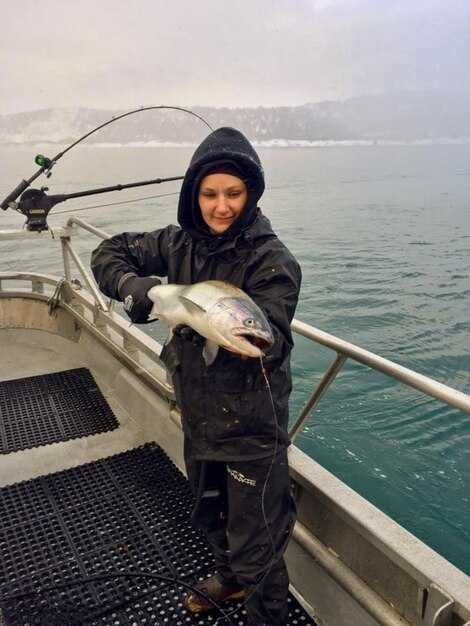
Choose footwear with non-slip soles and ankle support for stable footing on a rocking, wet deck. In wind and spray, secure footing helps prevent slips and injuries and keeps handling of your gear steady. Look for shoes that stay protected under heavy deck conditions; thats a sign of a snug fit that reduces movement that can snag lines.
Opt for a rubber outsole with deep tread and siping for grip on wet surfaces, and ensure uppers dry quickly after a splash. Go with weather-appropriate footwear that tolerates salt and sun, and choose quick-dry fabrics or mesh panels for fast drying.
Pair with socks designed to wick moisture away; avoid cotton. Use moisture-wicking socks with anti-odor treatment; choose crew height for winter warmth or ankle-length for hot days. Synthetic or wool blends dry fast and keep feet protected.
Keep extra socks in pockets or boat compartments so you can swap when spray dampens the pair. Rinse footwear with fresh water after each trip to remove salt, then air dry away from direct heat to prevent odor buildup.
For kids, select lightweight shoes with solid grip and simple laces that stay tied when you’re reeling in heavy lines. For adults, check toe box room and a snug heel to prevent chafing during long handling sessions.
Store your footwear dry and ready inside weatherproof pockets on the boat; this equipment can include extra socks, bait bags, and line tools, all kept separate from your feet to minimize odor transfer.
The right socks and shoes boost comfort in both sunny and windy trips, reducing fatigue underfoot so you stay focused on everything from line handling to bait targeting, plus pairing with long-sleeve layers when the air cools. This helps reduce fatigue on long shifts.
Check local rules and license requirements; pair them with weather-appropriate gear and reliable footwear.
Protection for Head, Hands, and Face: Hats, gloves, sunglasses, and SPF coverage
Start with a wide-brim UPF 50+ hat that fits snugly and stays secure on a windy deck. Here is the baseline that protects the face, ears, and neck, and a chin strap prevents loss when the slippery spray hits, making this choice ideal for first-timer and experienced anglers alike. The brim shields, and that simple piece of protection sets the heading for your day, helping you prioritize comfort in harsh marine conditions.
Choose professional-grade polarized sunglasses with UV400 protection. Wraparound frames curb glare from water and sky, boosting clarity and reducing eye strain. For bright sea glare, lenses in category 3 offer strong protection, and a strap or quick-release retainer helps on a slippery deck so they stay in place. This targeting setup offers stronger eyes protection for long days on the water.
Gloves provide a strong layer of protection for hands. Pick full-finger gloves with textured palms for grip against rope and fish, made from neoprene or synthetic leather. Ensure flexibility at the fingers and a secure cuff to keep spray out. A sleeve that covers the forearm adds coverage from salt spray and sun and keeps you comfortable when handling gear all day.
SPF coverage matters. Apply sunscreen with SPF 30–50 to all exposed skin: face, ears, neck, and the backs of hands. Reapply every two hours, or immediately after sweating, toweling off, or immersion. Choose water-resistant formulas and apply to dry skin 15 minutes before exposure, then reapply as needed during the day. For faqs, aim for SPF 50+ on the nose and ears and remember to cover any exposed skin the sun reaches; this approach offers straightforward steps you can follow, and also helps if emergency shade is needed or a sudden squall hits.
Clothes and dress strategy keeps you comfortable all day. Opt for breathable, quick-dry fabrics, a long-sleeve shirt with built-in UPF, and lightweight pants or shorts that protect legs while staying flexible. A neck buff and a light wind layer tackle harsh spray and chill. This approach ensures you look like a model of smart gear, and that you can lead by example while your team mimics proper protection. Done right, your gear becomes unforgettable and ready for any outing.