


 한국어
한국어  English (UK)
  Русский
  العربية
  日本語
日本語  Magyar
  Türkçe
  Español
  Čeština
  Svenska
  Português
  Ελληνικά
  Suomi
Suomi  Nederlands
  Română
  Italiano
  Français
  Polski
  Українська
  Deutsch
  简体中文
简体中文  Slovenčina
 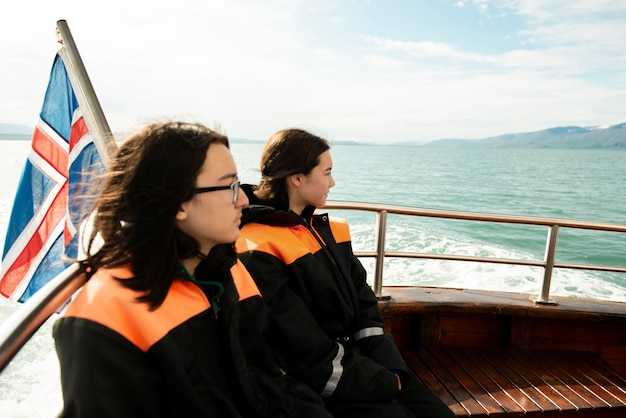 Costa Brava 세일링 - 팁과 마리나와 함께하는 궁극의 가이드">

Book a dawn charter and head straight to turquoise calas along the Costa Brava to catch glassy water and fewer crowds. Start with Roses or Cadaqués, where early light flatters the cliffs and your first navigation feels controlled and rewarding.
Exploring the coastline means hopping between calas, areas where shelter matters most. Look for calm coves from Roses to Cadaqués, where wind is gentler and the mediterranean water stays clear toward the afternoon.
Marina options include Port de Roses, Port l’Estartit, Palamós, Blanes, and Sant Feliu de Guíxols, each offering berths, fuel, chandlery, and waterfront dining. heres a simple planning note: pick a southern base for the first leg and switch north as you gain confidence.
Policy and practical tips: take note of anchoring rules in protected areas such as Cap de Creus and other nature reserves. If you prefer fewer variables, book fixed moorings when possible and use harbour master services to avoid fines. This approach keeps crew safe and morale high as you move towards your preferred routes.
The culinary scene along the coast shines with dishes such as suquet de peix and grilled sardines, reflecting a culinary mix that fuses Catalan tradition with mediterranean flavors. In spain you’ll find small family eateries that welcome sailors after a day’s sail, turning fresh seafood into memorable meals.
For confidence on the helm, plan short hops of 20–40 nautical miles, anchor in calmer coves, and check local winds each morning. Fewer moving parts on a well-structured route keeps the crew safe and makes the experience better.
heres a compact 5-night outline you can adapt: Roses → Cadaqués → L’Escala → Palamós → Blanes, with a final return to Roses. Use this frame to explore calas, areas where you can drop anchor safely, and towards calmer mornings that set the pace for your Costa Brava adventure.
Practical Planning for Costa Brava Sailors
Book marinas in Palamós, Blanes, Roses, and Cadaqués at least six weeks ahead to guarantee best berthing during peak season. Use a trusted agency to confirm reservations and check each venue’s management policies for late arrivals, fee structures, and guest limits. To book a berth later, contact the agency. This approach will guarantee smoother check-ins.
Divide the coast into areas with unique coastlines: between Calella de Palafrugell and Begur, the Cap de Creus headland, and the sheltered ports around Blanes and Roses. Each area offers unique anchorage options, pristine coves, and breathtaking beauty, and your plan should align with wind direction and daylight. The coastline’s beauty is a constant bonus for a well‑timed sail.
Identify the best sailing windows by checking regional forecasts and historical patterns. Lean on advanced forecast tools; the combination of light morning winds and calmer seas typically produces the warmest sailing conditions and the smoothest passages along the coastline. Plan to sail so you reach the first port by midday to maximize safety and comfort.
Maintain quality gear and environmental discipline onboard. Inspect sails, lines, and fenders before each hop; carry a dedicated safety bag with PFDs, a throwable, and a first aid kit. Pack a spill kit and practice environmentally responsible waste disposal to protect the pristine coastline.
Consider road access and local transport for port hops. Most marinas provide secure parking and easy taxi or bus connections to towns like figueres for a day trip. The route boasts scenic towns and easy road access, so plan a figueres visit to Dalí’s Theatre‑Museum and return before dusk.
Create a flexible itinerary that accommodates weather windows and marina availability. Advanced bookings are a must in summer; prepare backups in Roses or L’Escala to reduce detours and keep the plan smooth. Seasoned skippers will keep the tempo steady while adjusting to sea‑state realities.
Agency-backed checks and safety guarantees help avoid last-minute stress. Ensure your boat’s insurance is active, confirm licenses if required, and keep a copy of the local port regulations. A clear safety plan will guarantee smoother operations.
Budgeting and provisioning: outline a weekly spend for fuel, groceries, and marina fees, then book main stops in Palamós and Blanes where on-site supply quality is high. Use local markets to stock fresh produce, and reserve a contingency in your budget for weather-induced delays and emergency moorings. This plan will keep costs predictable.
| Category | Action | Details | Timing |
|---|---|---|---|
| Pre-trip bookings | Reserve berths | Marinas in Palamós, Blanes, Roses, Cadaqués; confirm with agency | 6 weeks before |
| Route planning | Outline areas | Calella de Palafrugell to Cap de Creus; Cap de Creus to Roses | 2 weeks before |
| Safety & gear | 재고 | Sails, PFDs, first aid, spill kit | Pre-departure |
| Provisioning | Groceries & fuel | Stock quality products; use local markets | During trip planning |
| 당일 여행 | Figueres visit | Dalí Theatre‑Museum; drive from Roses/ Figueres | Mid-trip |
When is the best time to sail Costa Brava? wind, seas, and crowd considerations by season
The best overall window is late spring or early autumn–May or September–for a balanced mix of wind, seas, and quieter harbors. If you can choose today, pick May or September rather than the peak July crowds. This decision helps you sail with a unique blend of reliable conditions, open bays, and fresh coastal life.
-
Spring (April–June)
- Wind and seas: steady 12–18 knots on coastal hops; afternoon sea breezes push into the 15–22 knot range, enough to keep you into a comfortable planing tempo without rough seas.
- Crowds and setting: tourism grows gradually; there is there a calmer feel than midsummer, with open ports in Palamós, Begur, and the famous llafranc area offering close-to-shore sailing and easy anchoring in protected bays.
- Permits, anchoring, and planning: check permits for anchoring in natural spots around the Cap de Creus natural park–some areas require permits or designated moorings. Choose well-reviewed spanish 회사 that provide clear cancellation terms. This is ideal to train beginners and level up sailing skills, as sea conditions remain forgiving and the coastline offers a natural classroom.
- Tips: start from Lloret de Mar to Blanes and work north; use calmer mornings to open horizons, life aboard blending with coastal delights, and stay flexible in schedule.
-
Summer (July–August)
- Wind and seas: afternoons bring strong thermals along the coast, with typical winds 15–25 knots; mornings can be lighter, yielding a pleasant start for day sails but potential congestion later in the day.
- Crowds and setting: peak tourism drives busy marinas and crowded anchorages; bays such as Tamariu, Aiguablava, and Cala Montgó become lively, while there are great offers for day trips if you book ahead.
- Permits, anchoring, and planning: plan ahead–cancellation policies and refund options vary by spanish 회사. Expect higher rates and more restrictions near popular harbors; consider shorter hops and early starts to beat the rush.
- Tips: if your goal is social sailing, this is the peak, but whether you want a bustling scene or a few quiet coves, you’ll find both by moving into less-traveled coves around Calella de Palafrugell or Lloret de Mar in shoulder hours.
-
Autumn (September–October)
- Wind and seas: winds settle into reliable 12–20 knots with fresh mornings; seas remain comfortable for coastal hopping, often improving clarity after the heat of summer.
- Crowds and setting: tourism fades from peak; open harbors and bays feel more relaxed; bays along Begur to Aiguafreda offer quiet anchoring and natural scenery for shore visits.
- Permits, anchoring, and planning: check last‑minute refund 그리고 cancellation options with spanish 회사 as weather windows can shift; many operators extend flexible terms into early autumn.
- Tips: this is a strong period to choose a longer cruise with fewer crowds; it’s a good time if you want life afloat at a comfortable pace, with tours and coastal Delights in calmer seas.
-
Winter (November–March)
- Wind and seas: overall lighter conditions, often 5–12 knots; days with usable sailing are fewer and weather can shift quickly, so plan short hops and shelter in protected bays.
- Crowds and setting: quiet harbors and lower rates tempt starting sailors to gain level experience; this is less about long cruises and more about practicing anchoring and boat handling in sheltered coves.
- Permits, anchoring, and planning: always verify cancellation terms and availability of safe moorings during low season; some offering options reduce during winter, but refund opportunities exist if trips cancel due to poor conditions.
- Tips: if you need a winter training ground, join a train program aboard a stable vessel; focus on low‑risk coastal hops and learning life afloat at a comfortable setting.
Regardless of season, the Costa Brava coast rewards both casual sails and longer itineraries. Plan with trusted spanish 회사, 검토 cancellation terms, and look for flexible refund options. Whether you start in llafranc or in a southern bay, you’ll find a unique blend of rugged coastline, pine forests, and crystal water that makes every day at sea a life reaffirming delights.
Which marinas along the Costa Brava offer reliable berths, fuel, repairs, and shore facilities?
Empuriabrava Marina is the best all-round choice for reliable berths, fuel, repairs, and shore facilities along the Costa Brava. This large, well-kept complex handles a steady vessel flow and offers fuel docks, repair yards, chandlery, showers, and laundry along a broad seafront. For lovers of life at sea, it feels like paradise, with a level of service that keeps peace even in july crowds. Booking ahead is wise; this journey begins with a quick berth confirmation, and you can board quickly after arrival. The road network and nearby train connections make it easy to extend your itinerary north along the bravas coast.
Marina de Roses balances reliability and accessibility with a solid berthing plan, a staffed fuel dock, and workshops for minor repairs. Shore facilities include modern showers and laundry, while the harbor esplanade offers seafront strolls and nearby cafés. If youre planning spring or july sailing, booking ahead saves stress, and youre base lets you explore the Gulf of Roses and nearby nature and islands such as the Medes Islands. This stop keeps your vessel close to the bravas coast with a simple road and train access for onward travel.
Palamós Marina provides solid berths and dependable fuel, with on-site repairs and crane services. The seafront town offers a lively life with a traditional fishery vibe, yet the harbor remains calm for small vessels. Itinerary plans can anchor here after a long leg, and booking in advance is prudent for july. The harbor has good road and train links to Girona and beyond, making day trips to nearby nature reserves and the islands easy.
Further south, Port de Blanes and Port de Lloret de Mar provide reliable berthing for cruising boats, plus shore facilities like showers, laundry, and fuel. If you want a more intimate stop, portlligat near Cadaqués offers shelter with a seafront vibe and close access to the famous Dalí residence. From here, you can continue along the coast to Cadaqués and the Cap de Creus route; road access and the regional train network keep this stretch convenient, whether you prefer a short stop in spring or a longer stay into july.
An efficient itinerary for this coast begins in Empuriabrava, then moves to Roses, Palamós, Blanes, Sant Feliu de Guíxols, Lloret de Mar, Portlligat, Cadaqués, and Llançà, with a final hop to Figueres by train or road for a culture break. Each stop adds more life and nature to your voyage; you’ll find calm anchorages away from crowded resorts, but still enough to enjoy the seafront and harbor atmosphere. In july, temperatures rise and winds shift, so check the forecast and book berths in advance to keep your schedule flexible.
블라anes에서 Cadaqués까지 해안을 따라 최고의 항해 경로와 당일 여행은 무엇입니까?
블라네스에서 토사 데 마르까지 믿음직한 여정으로 시작하여, 아늑한 만과 중세의 스카이라인을 감상하세요. 칼라 히베롤라 근처에 정박하여 해안에서 다리를 뻗고 부두에서 커피를 마시세요. 그런 다음 북쪽으로 나아가 산트 펠리우 데 구이숄스와 팔라모스에 들러 보세요. 해변과 어촌 문화 사이에 두 개의 마리나가 좋은 서비스와 조용한 정박지를 제공합니다.
팔라모스에서 칼레야 데 팔라프루젤, 랴프랑, 타마리우까지 밀어붙이며, 청록색 물과 소나무가 늘어선 곶을 숨긴 작은 만 사이를 누비세요. 이 경로는 가족과 초보자에게 적합하며, 아이콰블라바와 사투나 같은 작은 만과 정박지에는 보호된 접근 방식이 적용됩니다.
베구르 북쪽에서 포르트 데 라 셀바와 카다케스까지 항해하세요. 카프 데 크레우스는 극적인 배경을 연출하며, 해안은 외딴 만과 등대 전망을 자랑합니다. 카다케스에서 카프 데 크레우스와 칼라 혼콜스까지 반나절을 계획하세요. 이곳은 맑은 물과 잊을 수 없는 풍경을 자랑하는 아름다운 정박지입니다.
요트나 범선으로 코스타 브라바를 전세 낼 때 짐 싸는 방법과 보급 방법
여행을 자신감 있게 시작할 수 있도록 콤팩트하면서도 잘 갖춰진 7일 키트를 챙기세요. 통기성 좋은 레이어, 속건성 의류, 자외선 차단 용품, 가벼운 레인 쉘, 해안 방문을 위한 튼튼한 드라이 백을 챙기세요. 구명 조끼, 구급 상자, 손전등, 방수 문서 파우치 등 필수 안전 장비는 손이 닿는 곳에 보관하세요. 이 정도면 해안가를 따라 펼쳐진 만에서 당일 항해, 하이킹, 그림 같은 작은 만 탐험을 즐길 준비가 완벽하게 된 겁니다. 이곳은 예상치 못한 상황 없이 여행을 준비할 수 있도록 도와줍니다.
상하기 쉬운 품목과 인근 시장에서 갓 고른 신선한 품목을 실용적으로 조합하여 제공합니다. 최소 1주일 기준 1인당 20~25리터의 물을 준비하고, 5리터짜리 비상용 물병을 추가하십시오. 올리브 오일, 파스타, 쌀, 통조림 토마토, 콩류, 통조림 생선 등 상온 보관이 가능한 필수 식료품을 추가하십시오. 맛의 변화를 위해 향신료 키트를 준비하십시오. 신선한 식사를 위해 팔라모스, 블라네스 또는 카다케스의 시장에서 구입한 새우 또는 현지 생선을 사용하여 해산물 옵션을 3~4가지 계획하십시오. 그림 같은 만을 방문하여 맑고 투명한 수영을 즐길 수 있도록 며칠 정도 여유를 두고, 보냉이 잘 되는 쿨러에 얼음과 신선도를 유지하십시오. 전세 계약에 주방 직원이 포함된 경우, 그들의 목록을 따르십시오. 그렇지 않은 경우, 정박지에서 보급품을 다시 채우기 위해 마리나 상점과 협력하십시오.
세일링 보트에서는 저장 공간 및 에너지 관리가 중요합니다. 소형 냉장고나 젤 팩과 냉동 파우치가 있는 뚜껑형 쿨러를 사용하십시오. 보트의 전력 시스템을 확인하고 배터리 절약을 위해 피크 시간대에 냉장고 작동을 피하십시오. 재사용 가능한 용기를 사용하고 모든 것에 라벨을 붙이고 스페인 메뉴와 현지 시장을 중심으로 식사를 계획하십시오. 장날이 항로와 일치하면 예산을 초과하지 않고도 식사의 수준을 높일 수 있는 제철 농산물을 찾을 수 있습니다.
해안 항해를 위한 의류 및 장비. 낮에는 겹쳐 입을 수 있는 옷과 저녁에 걸칠 따뜻한 옷, 그리고 추운 밤을 대비한 따뜻한 옷을 준비하세요. 미끄럼 방지 갑판 신발, 햇볕 가리개 모자, 선글라스, 그리고 산호초에 안전한 자외선 차단제를 챙기세요. 육지에서 하이킹을 할 때는 가벼운 운동화, 휴대용 데이팩, 그리고 물병을 챙기세요. 코스타 브라바에서는 극적인 해안선과 그림 같은 경관을 자랑하는 유서 깊은 마을을 탐험하게 될 것이므로, 바닷물과 모래에 강한 장비를 준비하세요. 항구 간 이동 거리가 길어질 수 있으니 여벌 속옷과 여분의 수건을 챙기세요.
안전 장비 및 선상에 비치해야 할 예비 부품. 탑승자 모두를 위한 구명조끼, 기본 공구 세트, 여분 퓨즈, 로프, 펜더, 계류 로프, 믿을 수 있는 앵커 키트를 포함하십시오. 보험과 보트의 안전 기능이 최신 상태인지 확인하고, 전세 계약에 무엇이 포함되어 있는지 확인하십시오. 마리나에서 보급품 서비스를 제공하는 경우, 이를 활용하여 선내 하중을 줄이고 이동 횟수를 최소화하는 것을 고려하십시오.
현장 비품 및 계획 요령. 신선한 시장과 해안 농장이 있는 마을을 포함하도록 경로를 설정하십시오. 어떤 날은 스페인 주요 식품과 현지 해산물로 식료품 저장실을 채우고, 다른 날은 간편한 즉석 재료로 간편한 식사를 즐기십시오. 원활한 여행을 보장하려면 특히 축제 기간에는 공급이 부족할 수 있으므로 선호하는 상점이나 정박지에 미리 식량 조달 시간을 예약하십시오. 일부 전세에는 포함된 옵션이 계획을 단순화할 수 있습니다. 그렇지 않은 경우, 효과가 있는 것을 가져와 경로에 적응하고 진정으로 잊을 수 없는 코스타 브라바 여행의 보상을 만끽하십시오.
선원들이 알아야 할 안전 수칙, 면허, VHF 사용법 및 현지 항해 관행은 무엇입니까?
스페인 해역을 항해하기 전에 유효한 VHF 무선통신사 자격증을 취득하고 검사를 위해 자격증을 갑판에 보관하십시오. MMSI를 프로그래밍하고, DSC를 활성화하고, 안테나와 배터리를 테스트하십시오. 코스타 브라바를 따라 있는 마리나에서는 항만 관리자가 채널 16에서 선박과 정박지를 식별한 다음 초기 호출 후 작업 채널로 이동할 것으로 예상합니다.
VHF 에티켓: 모든 교신은 선박 이름과 모항으로 시작하고, 채널 16에서 호출하며, 송신하기 전에 상대방의 의도를 확인하십시오. DSC 호출 시 가능하면 채널 70을 사용하고, 메시지는 위치, 방향, 의도를 간결하게 전달하십시오. 항상 채널 16을 모니터링하고 교신 성공 후에는 지역 작업 채널로 전환하십시오. 이는 통신량을 간소화하고 해안 도시의 불빛이 인파를 끌어모으는 성수기에 혼잡을 피하는 데 도움이 됩니다.
항해 시에는 최신 해도, AIS를 활용하고 만과 섬 주변을 주의 깊게 살피십시오. 얕은 수역 진입 시 저속으로 운항하고, 정박된 배와는 충분한 거리를 유지하며, 상선이나 페리에게 통행 우선권을 양보하십시오. 달리와 아름다운 만 근처의 좁은 입구에서는 주간에 운항하거나, 바람 때문에 얕은 암초로 밀릴 경우 현지 안내를 받으십시오. 유연한 계획을 통해 날씨에 맞춰 일정을 조정하고 마을과 개인 섬을 따라 예정대로 항해할 수 있습니다.
현지 규정은 항구 제한 구역 내 안전 속도를 의무화하고 있으며, 많은 작은 만에서 정숙 시간 및 정박 제한을 시행합니다. 사설 마리나에 접근할 때는 미리 전화하여 항만 관리소의 지시를 따르십시오. 부득이하게 정박해야 하는 경우 승인된 장소를 선택하고 다른 선박과의 지정된 거리를 최소한 유지해야 합니다. 특히 축제 기간 동안 선박 통행량이 급증할 수 있는 islas, 만, 종교 또는 축제 지역 주변의 보호 구역을 존중하십시오.
갑판 위의 안전 장비는 항상 준비되어 있고 사용 가능해야 합니다. 인원수대로 구명조끼, 던질 수 있는 부유 장치, 적절한 로프가 달린 적절한 닻, 펜더, 그리고 여분의 배터리가 있는 방수 VHF가 있어야 합니다. 구급 상자, 조명 장치, 방수 지도 또는 태블릿을 가까이에 두십시오. 비상시에는 조난 신호(Mayday)를 보내는 방법과 정확한 위치를 알리는 방법을 숙지하십시오. 이것은 바다나 혼잡한 항구에서 곤경에 처했을 때 도움을 받을 수 있는 가장 빠른 길입니다.
훈련과 준비는 결실을 맺습니다. 현지 선원들과 함께 실무 훈련을 받고, 항구 안내서를 연구하며, 관문 해안을 따라 여러 마리나에서 도킹 훈련을 반복하세요. 더 강해지기 위한 간단한 루틴이 있습니다. VHF 통신을 복습하고, 얕은 만에서 도선 연습을 하며, 손님과 투어를 하기 전에 야간에서 주간으로 전환하는 연습을 몇 번 반복하세요. 이 접근 방식은 예상치 못한 상황에 대처하고, 안전 기대치를 충족하며, 멋진 코스타 브라바 해안선을 즐기면서 더 나은 항해를 할 수 있도록 도와줍니다.