


 한국어
한국어  English (UK)
  Русский
  العربية
  日本語
日本語  Magyar
  Türkçe
  Español
  Čeština
  Svenska
  Português
  Ελληνικά
  Suomi
Suomi  Nederlands
  Română
  Italiano
  Français
  Polski
  Українська
  Deutsch
  简体中文
简体中文  Slovenčina
  세일링 휴가에 적합한 요트 선택 - 실용적인 가이드">

Choose a four-cabin monohull for a practical, comfortable sailing holiday. For groups of four guests and a skipper, this layout keeps close quarters manageable while preserving deck space for movement. Review the specifications of two or three yachts in your budget to compare hull shape, rig type, and sail area during early planning.
When the crew is a priority, a crewed charter can deliver hassle-free travel. A captain and hostess handle provisioning, weather checks, and on-board safety, so your party can focus on the scenery. Confirm high-season availability and tipping practices with the operator to avoid surprises during your trip. This approach makes your holiday less stressful and gives you more time on deck with friends and family.
In terms of hull types, monohulls remain a popular choice for coastal routes because they are easier to dock and maintain, while these yachts offer more interior space on multihulls. If you expect long hops between anchorages, a yacht with a robust sail plan and good ballast helps keep performance steady in gusts. Consider a four-cabin yacht in the 40–50 ft range as a baseline for comfort without sacrificing handling. For open-water passages, a better balance between speed and security would come from a well-trimmed sail plan and reliable rigging.
Plan your travel window to align with favorable winds and tides: book a few weeks ahead in peak season, but pick routes that allow two or three anchorages per week. This approach would reduce crowding and give skippers more flexibility to adjust to conditions during the voyage.
Checklist to compare: engine hours, fuel capacity, water tanks, air conditioning, generator, dinghy, and galley equipment. Verify that the yacht has reliable safety gear, AIS, and a first-aid kit. If you choose bareboat, ensure a capable pair of skippers or a qualified captain is included or readily available. Talk with your travel advisor to confirm the specifications and to plan a balanced itinerary with your crew and crewed options as needed so you have a smooth, enjoyable holiday.
Yacht Charter Insights
Prefer a 50–60 ft catamaran for a comfortable sailing holiday with companions; this size balances space, stability, and cost while offering a beautiful deck for sunbathing and easy access to locations along a coastline. If you prefer more privacy or have a larger group, a 60–70 ft layout with two master suites can also fit the plan.
Choose a layout with a private master and two guest cabins to boost comfort; verify that the boat carries sturdy sails and has a clear operation manual, and look for a swim platform that makes water breaks simple even after long sails. A thoughtful deck layout keeps meal prep and conversations in view of everyone, helping companions stay engaged and confident during transitions, and it unlocks potential for spontaneous swims and sunset moments. This arrangement also builds confidence in the crew and the yacht’s handling.
Food provisioning matters: confirm whether provisioning is included or you’ll handle shopping in port; if you prefer vegetarian dishes or have allergies, confirm with the crew in advance to avoid wasted food and delays. Don’t let costs drag you down.
Time and pricing: during the high season, fees rise, so compare offers across locations and consider shoulder seasons to stretch the budget. Look for charter offers that include skipper and provisioning, or agree on a clear tipping policy to avoid surprises. Ask what time check-in occurs and how the operation handles provisioning; confirm the yacht can sail anywhere you want, including beautiful locations, to meet your time frame and expectations. This approach helps ensure a smooth trip for everyone.
Define crew size and sleeping needs
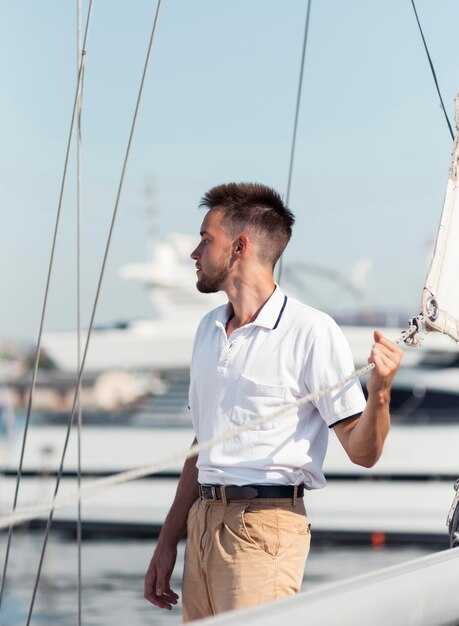
Recommendation: Deciding crew size starts with your group size and sailing experience. For a party of 4–6, selecting 2–3 crew ensures reliable service; for 7–12 guests, aim for 3–4 crew; for 13–16 guests, 4–5 crew keeps watches, provisioning, and safety manageable. With rental yachts, you can choose a skipper-included option or hire a dedicated crew to handle sails and galley, which is especially valuable on an international or european holiday. Think for yourself when selecting options.
Sleeping needs hinge on cabins vs berths. Check the boat’s layout: guest cabins plus separate crew quarters are common on modern yachts. If you have couples, prefer at least two guest cabins with doors; for singles, ensure a cabin share arrangement or a bunk in a multi-berth cabin that offers privacy. dont rely on a single shared saloon for sleeping nights; every guest should have a dedicated bunk or cabin with a door. For families, allocate one cabin for kids and another for adults.
Practical checks: count guest cabins against the headcount; ensure each cabin has a door and reading light; crew quarters should be separate and comfortable. Check the galley equipment; a well-stocked galley includes a sturdy knife and a safe knife block; keep it secured during rough seas. Confirm that the boat offers predictable energy supply: a reliable generator or solar setup to run essentials overnight.
Think through sleeping arrangements and crew interactions: selecting a yacht with the right mix of privacy and service helps everyone relax on holiday. If you dont have sailing experience, you must hire a skipper or crew member who is truly experienced; someone who can handle docking, watches, and provisioning will keep everything smooth for them. For guests joining an international itinerary, a european crew can coordinate meals and marina bookings in multiple languages.
Choose yacht type and size for your itinerary
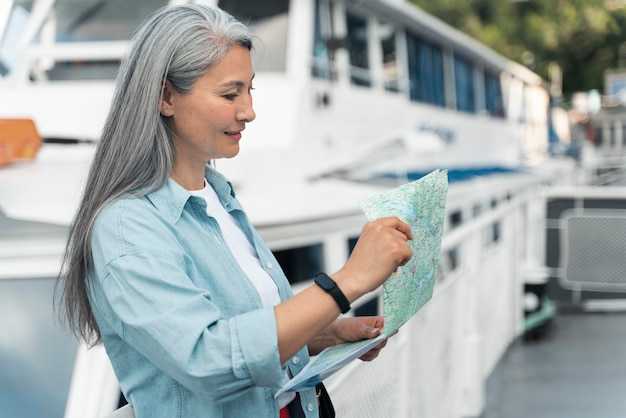
For a week with family, select 40–45 ft monohulls; they balance handling, docking ease, and lower supply costs. If your group includes others and you want more living space, a 50–60 ft catamaran offers a lovely deck layout, plus more shade and social zones, which is great for evenings along calm anchorages.
Generally, map your route with 4–6 ports along a European coastline, keeping daily legs around 15–25 nautical miles. A typical speed of 6–8 knots suits most coves and harbors, allowing time for swimming, shore visits, and a dinner on deck after sunset.
Knowing your experience guides selecting the right yacht. If you are new, adding a 선장 is a safe deal; if you are confident and comfortable with mooring and tides, a bareboat option lowers costs and increases cruising flexibility.
Plan provisioning along the route: in coastal towns you find abundant local markets with fresh seafood, vegetables, and bread. Budget much for dinner ingredients, and compare supply deals in marinas to avoid shortages in remote harbors. Keep a flexible detail on the 양 of provisions so you can adjust for weather or delays.
As an example, an itinerary could run Mallorca → Corsica → Sardinia → Croatian coast, with 4–5 nights aboard and day hops of 18–22 nm. This along route suits monohulls and catamarans alike, while giving you steady exposure to local cuisine, markets, and marina deals.
Decide charter type: bareboat, crewed, or skippered
Choose bareboat if you hold a sailing certificate and want much freedom to set the route, pace, and provisioning. With bareboat you navigate yourself, manage anchor checks, and decide where to sail each day. If you have taken formal training and logged time at sea, this option can be very rewarding. For group living, catamarans offer more living space; monohulls are quicker and agile on coastal routes. Globesailor lists many bareboat options with clear specs and safety gear to help you compare models. Just remember to pack smart and keep a tight checklist.
For comfort and guidance, compare crewed and skippered options. A crewed charter provides a captain and crew who handle navigation, provisioning, and boat upkeep, freeing your sailor group to enjoy scenery and camera moments. A skippered charter places a professional skipper on board who sails with you while you manage planning, sails, and day-to-day tasks–offering a balanced mix of independence and support.
When selecting the boat type, consider where you will sail and the space you need. Catamarans deliver generous living areas and stable platforms, while monohulls offer a smaller footprint and sharper handling. On a sailboat, choose a model with handy layout, easy entry, and good sail plans. Globesailor helps you with selecting the right fit by comparing items such as beam, draft, and cabin count.
Safety and qualifications matter. Bareboat needs a certificate and minimum sea time; if you have not taken a recognized course, skippered or crewed options provide a safer path. Regardless of type, verify insurance, safety gear, and rescue equipment before you book. Pack a practical checklist with items you always carry–shoes, camera, and other gear you frequently use on deck–so you’re prepared for each port and anchorage.
Step-by-step decision approach: Step 1, define your willingness to steer versus learn, Step 2, selecting catamaran or monohull based on group and itinerary, Step 3, confirm the charter package and skipper or crew options. Use globesailor to compare offerings, read reviews, and check certificates held by crew. With these steps, you can choose a charter type that fits your sailing holiday and your crew’s experience.
Plan routes, weather windows, and docking opportunities
Choose a sheltered route and map a backup leg to handle gusts. Plan each day so you finish in a well-protected harbor or marina, allowing crew to rest, dinner ashore if desired, and to adjust plans for the next day.
- Route planning and leg timing
- Set a primary route with 3–4 legs, each 20–40 nm for a typical sailboat at 5–6 knots; keep a backup leg of similar length that leads to a protected berth.
- Aim for 4–8 hours of sailing per day, finishing before sunset to reduce traffic and simplify docking.
- Pick legs that offer landfalls for weather checks, refueling, or a warm meal during the trip; prefer towns with popular harbors and easy shore access.
- Record the route on the chartboard and note suggested dinner options ashore to keep everyone onboard aligned.
- Weather windows and planning
- Check forecast sources 48–72 hours out, then refine to 24 hours and 6 hours; target windows with predictable wind shifts of 8–18 knots and wave heights under 2 m when possible.
- Identify at least two windows per leg: a primary, and a backup in case the forecast shifts; always be prepared to shorten or reroute to a safe harbor.
- Use multiple inputs (gribs, coastal obs, and local tide reports) to confirm consistency; if two sources disagree, accept a conservative option and re-evaluate at the next check.
- Schedule daylight sailing whenever you can; if night entries are unavoidable, ensure proper lighting, vigilant watchkeeping, and secure anchorages for the crew.
- Docking opportunities and harbor planning
- Identify 3–5 harbor options within 20–30 nm of each leg end; prioritize protected marinas and well-marked moorings that handle skippered sailboats in moderate conditions.
- Call ahead 24–48 hours to confirm availability; note required documentation, berth type, and any mooring fees; maintain a short list of alternatives in case of full slots.
- Check tide and current windows for approach, aiming to arrive during high water or slack if possible to simplify docking.
- Attach fenders and prepare lines in advance; assign a dedicated crew member to approach and a second to handle lines and bow protection.
- Plan for evenings in towns with reliable dinner options and safe walks back to the boat; this keeps morale high and makes it easier to keep the crew warm after a day on deck.
- Operational tips for a smoother trip
- Keep the weather log current and share updates with all on board; suggestions from sailors on watch often spot a developing risk earlier.
- Stay flexible with the schedule; a well-timed repositioning can open better docking opportunities and reduce exposure to larger weather fronts.
- Maintain a simple safety checklist for each leg: life jackets on, board emergency gear checked, and communication ready to contact shore offices or other boats if needed.
- During long passages, schedule short, warm meals like quick soups or one-pan dinners to keep energy steady and the crew content.
Set up your Profile Menu: save preferences, filters, and wish lists
Set up your Profile Menu today to save preferences, filters, and wish lists for your sailing holiday. Enter your preferred sailboat types, sailing style, and required fields so you can compare options quickly and keep your shortlist tidy.
Keep your profile well organized by recording cabin preferences and onshore or offshore priorities, and choose between bareboat or crewed experiences. If you went british on a route, tag those itineraries so you can filter them later.
Filter smartly: set ranges for price, length, and season; pin cruising options like coastal or blue-water routes; through these filters you’ll see only the matches.
Build wish lists: mark beautiful routes, charming harbors, and experiences you’d love to pack into a week aboard a sailboat. A million possibilities exist, yet you can start with a first shortlist and refine.
Keep it complete and still flexible: your profile should feel like a trusted navigator for a sailor today, helping you handle changes along the way. As you pack for the trip, the profile will roll with you, guiding cabin choices, embarkation and onshore plans, whether you went bareboat or with a crew. This approach makes the cruising experience truly personal and helps you feel confident, and ensures everyone finds a beautiful match.