


 한국어
한국어  English (UK)
  Русский
  العربية
  日本語
日本語  Magyar
  Türkçe
  Español
  Čeština
  Svenska
  Português
  Ελληνικά
  Suomi
Suomi  Nederlands
  Română
  Italiano
  Français
  Polski
  Українська
  Deutsch
  简体中文
简体中文  Slovenčina
  Boating Tips for a Safe Labor Day Weekend">

Recommendation: Wearing approved life jackets on every outing dramatically lowers drowning risk. Local policies often require children to wear PFDs at all times; verify each passenger’s size before launch and keep gear within easy reach. Check vessel capacity and keep extras accessible to prevent forgetting anyone.
distractions compound risk in crowded shorelines. Keep devices stowed, designate a dedicated lookout, and maintain navigation focus. These routines help avoid accidents as boats converge along the lake, especially when traffic behind you increases.
Know the lake’s depth, currents, wind shifts, and shoreline hazards before traveling. These experiences matter, especially when students from nearby campuses join the crew. Each trip includes a simple float plan naming a return time and an on-shore contact; share it with someone trusted.
On crowded days, keep a generous following distance behind other craft; maintain moderate speed near shoreline; pass on the right with a wide wake. Children need extra caution: life jackets on all minors, constant supervision, and no riding on the bow unless seated and strapped in.
Chuck, a veteran skipper, emphasizes pre-launch checks as the backbone of reliability. He repeats these steps: verify signaling device works, test battery-powered flashers, have a fire extinguisher, anchor, and a written float plan. Traveling with a composed crew reduces risk and yields smoother experiences on the lake. Additionally, chuck notes that routine checks matter because they catch issues before departure.
Weather updates, wind gusts, and crowded channels change rapidly; keep a portable VHF radio onboard, monitor shifting forecasts, and avoid sailing when storms threaten. The aim is to limit potential incidents and protect everyone onboard, including younger riders who may be more sensitive to movement and noise on deck.
Pre-Launch Safety and Equipment Check
Secure the kill switch to your person, run a quick engine test, and verify bilge pump, horn, navigation lights, and battery status before departure.
- Life jackets: Confirm every guest has a properly sized, USCG-approved PFD; inspect flotation, buckles, and straps; ensure a spare throw-able device is accessible; donts: store gear in inaccessible compartments.
- Fire safety: Check a type B:C extinguisher, gauge in green, current with expiration date, and mount within reach near the helm; replace if damaged or past date.
- Hull, deck, and rails: Look for cracks, loose fittings, and corrosion behind trim; test mooring lines for fray and replace immediately if worn.
- Electrical system and fuel: Verify battery is secure, terminals clean, no corrosion; test the bilge pump with a dry run; inspect fuel lines, vents, and caps to prevent leaks.
- Controls and safety gear: Test engine kill lanyard; confirm throttle and steering respond; ensure all life-saving gear is readily accessible and in good condition.
- Navigation and signaling: Test navigation lights, horn, and VHF radio; keep spare batteries; confirm channel 16 readiness; store a hand-held signal device within reach.
- Documentation and compliance: Confirm vessel registration and certification are current; review local laws and state requirements; keep copies onboard; use boat-ed resources when verifying rules.
- Capacity and crew roles: Verify the maximum load matches the current crew and equipment; designate a lead navigator; keep a simple plan accessible in case of cramp or confusion.
- Weather and situational awareness: Check latest warnings affecting the west coast and coastal communities; avoid crossings in deteriorating conditions; have a plan to reach protected harbors if needed.
- Logistics and arrangements: If another person will operate the vessel, confirm credentials and references with the captain; consider boatsetter options only from trusted sources; confirm right of way rules and local practices with crew.
- Gear and organization: Store safety items behind closed compartments when not used; ensure enough space to move safely; keep behind rail lines clear of entangling gear.
- Flare and emergency gear: Verify expiration on flares; keep a signaling device at hand; store with clear access to all crew.
- CO and ventilation (cabin boats): Check detectors and ventilation paths; test alarms; replace batteries as needed.
- Final note: These measures save time, protect vessels, and align with local laws across west states and coastal communities; rely on boat-ed and boatsetter resources to verify certification, confirm the right-of-way rules, and reduce any compromise to crew safety.
Secure Gear and Passengers to Prevent Shifts
Before you operate the cruiser, fasten loose items with marine straps and ensure every person wears a PFD that fits snugly, keeping them protected from shifting gear during splashes or quick accelerations; media reports reinforce the need to secure loads.
Store tackle, bags, lines, and cushions in locked compartments to reduce clutter that can move with speed changes; keep the work zone clear so a sudden surge doesn’t throw items toward passengers, even with small chop.
Explain rules and talk with children about staying seated; respond defensively to any sudden movement to avoid injuries.
Keep contact with the crew lead to verify that all passengers are secure and gear is stowed, so judgment influencing decisions during holidays translates into safer outcomes with plenty of time to review procedures.
Gear securing checklist

Five quick checks reduce risk: strap down every loose item; center the load to keep boats balanced; place the heaviest gear low and amidships; use non-slip mats under foot traffic; confirm PFDs on all occupants and confirm children are seated before speed rises.
Passenger handling strategies
Assign a clear seating plan, designate a contact person to signal shifts, and talk with them to ensure everyone stays protected. If a sudden shift comes, respond defensively to avoid contact injuries. During holidays, plenty of activities happen on the water; use opportunity to practice rehearsals, which strengthens judgment making, minimizes injuries, and makes everyone confidently ready to operate boats or cruisers at moderate speed when needed.
Phone Rules at the Helm: Minimize In-Boat Distractions
Limit devices to one dedicated unit and keep others stowed when underway without sacrificing essential alerts; mindful handling increases awareness and reduces errors that lead to incidents.
Operate that device with silent alerts, disable audible notifications to reduce noise and distraction while on the helm.
Establish local policies among crew: designate a time to check messages without interrupting the helm duties; each member stays mindful of navigation.
The nationwide advantage comes from consistent expectations; experienced boater crews prioritize risk awareness, which increases safety as distractions rise.
Keep gear minimal, like a dock-side mount; this reduces the temptation to handle other devices and keeps hands free.
Examine times when social scrolling creeps in; still, this behavior can lead to an underestimation of risk, especially during peak traffic times where visibility is challenged and theft becomes a concern.
If communications are required, pass information defensively by verbal briefings to the person operating the vessel; avoid multitasking, and operate with deliberate focus when you must respond.
Remember to stay mindful: this comes from social media, calls, and other notifications; minimize their impact to gain the advantage of calm hands at the wheel when the wind picks up.
Practical References
| Normal ops | One device active; nonessential gear stowed; alerts muted |
| High traffic | Single device; hands on wheel; secure loose gear; checks limited to set times |
| 날씨 경보 | 지정된 장치에서 날씨 앱을 엽니다. 정보를 음성으로 전달합니다. 시야를 유지합니다. |
| 선착장 교대 근무 | 지역 정책을 검토하고, 승무원을 교육하며, 기기 사용을 최소화하십시오. |
전담 감시병 및 승무원 역할 지정
교통, 위험 요소 및 기상 변화를 60~90초 간격으로 추적할 전담 감시원을 지정하고, 감시원이 사용 가능한 경우 미리 정의된 호출 시퀀스와 망원경을 사용하여 운영자와 소통하도록 합니다. 이를 통해 위험을 줄이고 예방 가능한 사고를 방지할 수 있습니다.
명확한 승무원 역할을 지정합니다: 조향사, 선수 전망병, 선미 전망병, 접안 감독관, 그리고 전담 장비 모니터. 각 역할에는 정의된 권리와 책임이 있습니다: 조향사는 경로와 속도를 유지하고, 전망병은 앞과 뒤를 감시하며, 접안 감독관은 mooring line 및 fendera를 처리하고, 장비 모니터는 장치가 작동하는지 및 구명조끼가 접근 가능한지 확인합니다.
출발 전에 주요 경로, 속도 제한, 비상 상황에 대한 계획을 작성하십시오. 구명조끼 착용, VHF 무전기 테스트, 조난 신호등 접근성 확보와 같은 요구 사항을 포함하십시오. 혼잡 시간 동안 모든 선원과 계획을 공유하십시오.
명확한 의사소통을 유지하십시오. 고정 구문 호출 시스템을 사용하십시오. 관측자는 표준적인 간격(예: “우현 앞”, “감속”, “정면”)으로 위험을 보고하고, 조작자는 짧은 확인 응답으로 확인합니다. 이동 중에는 문자 메시지 사용을 피하십시오. 전화 사용이 불가피한 경우 먼저 안전한 곳으로 이동하십시오.
좁아지는 수로가 있는 혼잡 지역을 인지하고, 수로에 표시되는 위험 구역을 추적하며, 안전하게 지나갈 수 있도록 속도를 조절하십시오. 더 큰 선박 뒤에는 최소한 선박 길이만큼의 간격을 유지하십시오. 해안선과 항구 근처의 도로에 유의하십시오. 육상 교통이 접근 수로로 흘러들어올 수 있습니다. 모든 승무원이 경험을 즐기면서 물과 해안선에서 다른 사람들을 존중하도록 하고, 최대 부하 시간 동안 기상 및 수질 조건을 모니터링하십시오.
장비 점검 목록: 모든 사람을 위한 구급조끼, 투척 장치, 호루라기 또는 경적, 작동하는 VHF 무전기, GPS 플로터, 그리고 비상 신호 발신기; 예비 배터리를 쉽게 접근할 수 있도록 보관하십시오. 장비 담당 선원은 점검해야 할 품목을 확인하고 점검 결과를 로그에 기록합니다.
러닝 후 브리핑: 아찔했던 순간들을 논의하고, 성과에 따라 책임의 우선순위를 정하며, 다음 번을 위한 계획을 업데이트합니다. 다른 사람들의 기여를 인정하고 권리가 존중되는지 확인합니다. 사망으로 이어질 뻔했던 순간과 계획이 어떻게 이를 예방했는지 기록합니다.
출발 전에 날씨, 조류, 연료 상태를 확인하십시오.
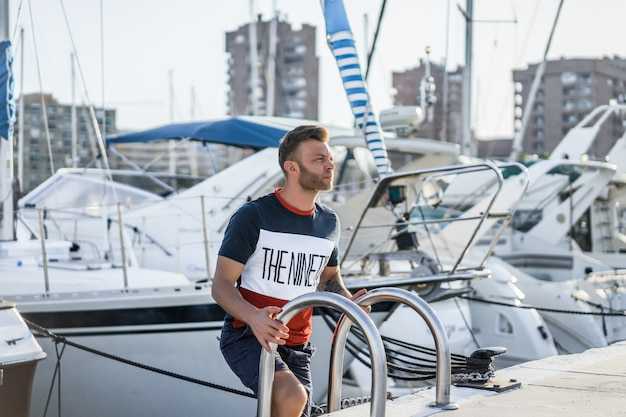
출발 최소 2시간 전에는 항상 최신 해양 예보, 조석 시간표, 그리고 연료량을 확인하십시오. 국가 기상청, 주 해안 사무소, 그리고 지역 항구 게시판에서 업데이트를 확인하십시오. 풍속과 돌풍을 노트(knots) 단위로 기록하고, 부표 보고서에서 파고를 기록하며, 해류 방향을 추적하여 항해하기에 안전한 시간대를 파악하십시오.
출항 장소와 계획된 경로에 대한 조류표를 확인하고, 수로를 따라 조류가 약해지는 시간대와 알려진 해류를 표시하십시오. 갑작스러운 힘이 진행을 멈추거나 배를 얕은 물 쪽으로 밀어낼 수 있는 구간이 있습니다. 따라서 이에 맞게 계획하고, 경험이 부족한 승무원의 경우 최고 만조 또는 간조 시 건너는 것을 피하십시오.
예상 여행 거리를 위해 사용 가능한 연료와 필요한 예비 연료를 계산하여 연료 범위를 추정합니다. 예를 들어, 크루즈 소비량이 해리당 0.8갤런이면 25해리 구간에는 20갤런이 필요합니다. 30%의 예비를 더하면 26갤런이 됩니다. 기재 연료가 해당 양보다 많도록 하고, 해안선이 길거나 안개가 낀 주를 횡단하는 항해의 경우 백업 용기를 휴대하십시오. 순풍, 해류, 화물을 고려하고 여유가 줄어드는 것을 피하기 위해 계획을 조정하십시오.
해안에 있는 사람과 계획을 수립하여 공유하고, 승무원의 브리핑을 받을 권리를 존중하며, 구명조끼를 착용하고, VHF 무전기와 충전된 휴대 기기를 사용할 수 있도록 유지하고, 비상 상황 시 명확한 수신호를 설정하고 책임을 설명하십시오. 설정된 제한 내에서 유지하고 계획 변경 계획을 가지고 있으면 경험이 많은 여행자에게 유리하며, 안전에 대한 타협은 피하고, 지연 시에는 의사 소통을 유지하고 충동적인 결정을 피하십시오.
이러한 접근 방식은 판단력을 날카롭게 하고 손실을 줄이며 공식적인 권고를 통해 주 전체에 걸쳐 전국적인 조율을 제공합니다. 주말 여행 중 명확한 계획을 유지하며 위급 상황 발생 시 타인을 침착하게 대처하도록 돕는 데 도움이 됩니다. 구명조끼를 올바르게 착용하고, 지속적으로 대화하며, 사정 범위 내에 머무르면 상황이 바뀌더라도 이점을 얻을 수 있습니다.