


 한국어
한국어  English (UK)
  Русский
  العربية
  日本語
日本語  Magyar
  Türkçe
  Español
  Čeština
  Svenska
  Português
  Ελληνικά
  Suomi
Suomi  Nederlands
  Română
  Italiano
  Français
  Polski
  Українська
  Deutsch
  简体中文
简体中文  Slovenčina
  Boating Made Easy – A Beginner’s Guide to Safe and Simple Boating">

daylight 시간대에 출발을 계획하세요. 그리고 모든 라이더에게 구명조끼를 착용하고, 비상 상황에 대비하여 콤팩트한 손전등을 소지하십시오. 안전은 준비에서 비롯되며, 물 위에서의 예측 가능한 루틴은 첫 번째 출발 순간부터 스트레스를 줄여줍니다. 초보자의 경우, 기본적인 5가지 안전 용품 키트로 시작하고, 각 사람이 적절하게 맞는 구급 부양 장치(PFD)를 갖추도록 하십시오.
Build a 사용자 친화적인 여행 전 점검 목록: 날씨 확인(초보자의 경우 시속 15마일 미만의 바람이 이상적), 연료량은 연료 탱크의 4분의 1 이상, 그리고 명확한 경로. 양쪽 모두 고려하세요. sides 배와 계획된 locations, 그런 다음 여러 options 외출을 위해. 계획을 간단하게 유지하면 위험 요소를 파악하고 배 안의 분위기를 차분하게 유지하는 데 도움이 됩니다.
올바른 장비 선택 중요한 사항: 제대로 맞는 구명조끼, 물과 햇빛을 차단하는 모자, 예비 배터리가 있는 작동하는 손전등, 그리고 기본적인 신호 장치가 있습니다. 출발하기 전에 호루라기나 휘슬을 테스트하고, VHF 무전기가 있다면 작동하는지 확인하고, 모든 해치를 닫아 건조함을 유지하십시오. 해안선으로부터 안전한 거리를 유지하면 위험을 줄이고 통제력을 유지할 수 있습니다.
물 위에서는 꾸준한 페이스를 유지하고 유지하세요 a 예측 가능한 계획하여 승무원들이 무엇을 기대해야 하는지 알도록 하십시오. 좋은 상태를 유지하십시오. sight 다른 배와 장애물에 대한 선을 확인하고, 얕은 지역의 경우 속도를 조절하고, 선택하십시오. locations 잔잔한 물에서 연습하십시오. 경험이 쌓이면 당신은 당신의 것을 확장할 수 있습니다. options 안전을 희생하지 않고, 초보자들이 보트를 더 쉽게 이용할 수 있도록 하며, 배 안의 모든 사람들에게 친근한 분위기를 조성하는 것.
구명조끼 법규 학습 및 준수
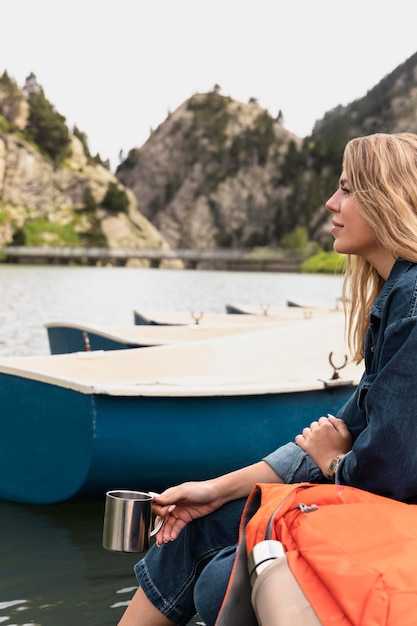
선박이 운항 중일 때는 적절하게 맞는 구명조끼를 착용하십시오. 이 간단한 조치는 익사 위험을 줄여주며, 특히 난파구나 갑작스러운 파도 속에서 도움이 되며, 반응할 시간을 벌 수 있습니다. 출발하기 전에 위치와 현지 규정을 확인하십시오. 법률은 주, 도 또는 국가마다 다르며, 일부 지역에서는 특정 조건에서 갑판 위의 모든 사람에게 구명조끼 착용을 요구합니다. 이번 주 규정을 확인하고 권장 지침을 따르면 규정을 준수하고 안전을 유지할 수 있습니다.
지역에 승인된 PFD를 선택하세요 (USCG, CE 또는 이와 동등한 라벨을 찾아보세요) 그리고 배에 있는 모든 사람에게 정말로 딱 맞는 것을 확인하세요. 스트랩을 조이고 조끼를 잠근 후 빠른 착용 테스트를 실시한 다음, 모두가 움직이고 팔을 들어 올려 안전하게 유지되는지 확인하세요. 어린이를 위한 경우, 어린이 크기의 장치를 선택하고 단단히 조절하세요. 움직임이나 부력을 방해하는 부피가 큰 옷을 입지 않도록 하고 최적의 성능을 위해 조끼를 양호한 상태로 유지하세요.
필수품을 가까운 곳에 보관하세요: 호루라기, 자외선 차단제, 응급 처치 키트, 작은 손전등 또는 신호 장치. 구명 조끼는 승무원과의 의사 소통 능력이나 전자 제품 작동을 방해해서는 안 됩니다. 방수 포켓에 장치를 보관하고 건조한 가방을 가까이에 두세요. 아웃보드 모터가 장착된 보트의 경우, 계획된 경로를 따라 조정 작업을 할 때 속도 제한을 준수하고 구명 조끼를 착용하세요. 이러한 접근 방식은 갑판에서 즐거운 분위기를 조성하고, 누군가가 배에 빠질 경우 위험을 줄여줍니다.
출발 전, 빠른 안전 점검을 실시하십시오. 각 사람이 구명조끼를 착용했는지 확인하고, 올바른 착용 상태를 확인하며, 조끼를 갑판에서 쉽게 닿을 수 있는 곳에 배치하십시오. 이러한 일상은 자신감 있고 개인적인 안전 문화를 확립하고 물 위에서 최적의 하루를 보내는 분위기를 조성합니다. 귀하의 위치에 적용되는 법규를 기억하고, 지속적인 인식은 여러분의 라이딩을 즐기는 동안 승객과 승무원과 효과적으로 소통하는 데 도움이 됩니다.
| Scenario | Requirement | 참고 |
|---|---|---|
| 진행 중 | 몸에 잘 맞는 구급 부유 장치를 착용하십시오. | 항상 접근 범위 내에 유지하며 확인하십시오. |
| 배에 아이들이 있습니다. | 어린이용 구급조끼를 사용하고, 안전벨트를 고정하세요. | 항상 감독한다 |
| 가시거리가 낮거나 파도가 거칠 때 | 높은 가시성의 구명조끼 착용; 호루라기 부착 | 반사 테이프 고려 |
| 선외 사고 | 소통하고 신호합니다. 신속하게 위치를 찾습니다. | 위치 데이터 및 계획된 경로를 파악합니다. |
법적으로 어떤 종류의 구명조끼가 필요합니까?
Have a USCG 승인 구명조끼 선상 모든 사람에게 적합한 크기여야 하며, 각 보트 타는 사람에게 맞는 크기로 준비하고, 문의 앞 벤치나 조타석 근처에 구명조끼를 사용하기 쉬운 곳에 보관하세요. 이 간단한 조치는 응급 상황의 위험을 줄이고 선상 모든 애호가들을 위한 명확한 기준을 제시합니다. 구명조끼의 크기가 올바르지 않거나 필요한 순간에 쉽게 접근할 수 없을 때 위험이 발생할 수 있습니다.
구명 조끼는 생명을 구하는 데 중요한 역할을 수행하는 장비입니다. 역할 어떤 배든지. 법은 정확한 모델을 규정하기보다는 인증된 구명조끼를 소지하는 데 중점을 두므로 다음을 찾을 수 있습니다. Type I, Type II, Type III 웨어러블 기기 및 Type IV 투척형, with Type V 특정 활동을 위한 재킷. 일상적인 용도에는 재킷이 필요합니다. Type III 조끼는 인기가 있습니다. 계속하세요. Type I 오프쇼어 여행 및 a용 Type II near-shore 사용을 위해, while a Type IV 특정 길이의 선박에서 쉽게 접근할 수 있어야 합니다. 유형에 관계없이, 배에 타고 있는 모든 사람은 적절한 크기의, USCG 승인 구명조끼.
규정은 국가 및 주마다 다릅니다. 미국에서는 해안 경비대가 요구 사항을 준수해야 합니다. PFD 각 개인을 위한 구명 조끼 착용 및 레크리에이션 보트 타는 동안 13세 미만의 어린이가 개방된 갑판에서 구명 조끼를 착용해야 합니다. 일부 관할 구역에서는 필수 사항을 요구합니다. Type IV throwable device to be accessible, and Penalties theyll face for non-compliance vary. Signs indicate the required equipment and local authorities publish specific details, so always check your local rules before heading out.
Recommendations for choosing and maintaining: select a USCG-approved jacket in the correct size, check for signs of wear, and replace damaged or waterlogged foam. Buckles, zippers, and seams should work smoothly, and jackets should fit snugly when fastened. Keep jackets on the front of the boat or in dedicated storage so they’re accessible during an emergency and easy to grab in rough water. Some rental boats add fees if PFDs are missing, so verify what you bring or rent.
Boating enthusiasts share experiences that compliant use of PFDs reduces panic in emergencies and protects families. Reading books and official guides builds understanding about the roles of equipment during a crisis. Joining a safety course or club reinforces good habits and respect for the law. If a jacket shows poor condition, replace it promptly; this simple step preserves safety and reduces potential risk for everyone aboard. The path toward consistent safety starts with each boater taking responsibility for their own gear and for those around them.
Where and When to Wear a Life Jacket on Different Watercraft
Always wear a life jacket while underway on kayaks, canoes, stand-up paddleboards, and inflatable boats; on powerboats, sailboats, jet skis, and larger vessels, wear one whenever you are underway or on deck in rough weather or when visibility is limited. Do a pre-departure check to ensure every person has a properly sized PFD within easy reach.
Guidance varies by craft, but the goal stays the same: buoyant support that stays with you, even if you move from calm water to a deeper, wind-roughened area. For novices and experienced boaters alike, choosing a light, properly fitted PFD creates a lasting connection between safety and confidence, giving you freedom to focus on the water, the wind, and the escape into tranquil coastlines or busy, excited waters near islands.
- Kayaks, canoes, and stand-up paddleboards (SUPs)
- Wear a Type III wearable PFD at all times while on the water. In moving water, near rocks, or when the depth varies, switch to a higher-buoyancy option if you anticipate a fall. Ensure the belt and shoulder straps are snug so the jacket stays in place during paddling.
- Keep a light, quick-release PFD for easy removal when you’re on land, but always put it on before entering the water. A compact, light vest is easier for long sessions and reduces fatigue for novices learning balance and stance.
- Attach a whistle and a small lash bag with a flashlight; these back-up items improve signaling and visibility in dim times or fog. If you’re paddling near islands or along coastlines, visibility becomes critical and your connection to the crew matters more than ever.
- 요트
- Wear a PFD when anyone is on deck, especially when tacking, maneuvering through lines, or working around the wheel and rigging. In heavier seas or gusty wind, keep PFDs fastened and within reach for quick use when you move below or above deck.
- Choose a snug Type II or Type III vest for daily sailing; consider a lighter, low-profile option for long passages. Ensure the life jacket does not snag lines or interfere with the wheel and winches.
- Before departure, review weather forecasts and adjust the crew’s equipment accordingly. If a change in wind or visibility is likely, have everyone on deck ready to clip into safety gear as needed.
- Powerboats and speedboats
- All occupants should wear a PFD whenever the boat is moving or navigating in open water. In calm, well-manned harbors with shallow depths, it’s still wise to have a PFD on for every passenger, especially children and non-swimmers.
- Keep at least one extra PFD on board as a back-up in case the crew size changes or someone’s jacket becomes wet and needs replacement. A total of one PFD per person plus one spare is a practical guideline for typical day trips.
- For high-speed runs or extended time offshore, upgrade to a Type I or inflatable option for longer sessions; these offer increased buoyancy and comfort if you’ll be seated for extended periods or moving across waves.
- Jet skis and personal watercraft
- Wear a PFD every time you ride, with a snug fit and proper fastenings. These craft move quickly and a fall can lead to immediate immersion in chop or wind-driven spray.
- Choose a compact, light jacket that won’t hinder throttle control or balance. Attach a whistle or signaling device and consider a leash for your board if you’re riding away from shore.
- Fishing boats and inland recreational craft
- On inland lakes, wear a PFD when the water is cold, visibility is limited, or you’ll be away from shore. Inland waterways can deepen quickly; a well-fitted PFD reduces fatigue and supports confidence for varying depth scenarios.
- Keep PFDs in visible places near the helm and along seating areas so crew can grab one without delaying a response during a change in conditions.
Insights from research and field tests confirm that well-fitted life jackets with simple access reduce reaction time and increase safe outcomes, especially for novices and excited first-timers who tend to drift away from shorelines. In practice, lines of communication and the habit of a brief pre-departure routine create a strong connection between safety and enjoyment. The atmosphere aboard becomes calmer when every rider understands the value of staying visible to fellow crew members and when back-up gear remains within reach near the wheel and helm.
Practical tips to improve wearing habit across craft:
- Test fit at home and adjust straps so it sits snugly without restricting movement for paddling or steering.
- Label PFDs with sizes and names to avoid confusion among crew and keep the right jacket on the right person.
- Use a simple clip-on whistle, light, or beacon to improve chances of being found during times of low visibility.
- Before each trip, review local rules and weather forecasts; wind shifts and changing depth often require a quick equipment check and possible swap to a different PFD.
- Maintain a calm, cooperative attitude among fellow boaters; that rapport helps in shared decisions about when to keep everyone wearing a PFD and when a quick break might be safe before continuing.
How to Check Fit and Condition to Stay Compliant
Check every PFD before you set sail to ensure a snug fit and current flotation rating. Verify the straps hold, the buckles latch, and the label shows the correct size for each rider. Have ready access to options in your gear bag, including inflation devices or manual backups, and confirm you have enough essentials for each person on board.
Test the fit with the wearer standing and moving. Have the rider raise their arms, twist, and take a light jog on deck; the PFD should stay securely in place. The eyes should be on the fit, and a quick pinch test should allow only a small amount of strap to be pinched at the shoulder. If not, exchange for a better size or style from the essentials kit.
Check flotation properties and condition. Inflate inflatable models to verify seals work, and inspect for leaks or rips in fabric. For typical recreational use, keep Type III vests as the default, but have one Type I alternative for extended trips in rough water. Replace any item showing wear, sun damage, or water penetration.
Review all safety devices. Confirm the audible signals, emergency beacon if you have one, and any extra devices are in working order and within service dates. Inspect fire extinguisher pressure gauge, flare expiry dates, and battery integrity for navigational devices such as VHF radios or GPS units. Additionally, forget nothing: record each check in your safety log.
Run a quick equipment checklist before you depart. Safety checks involving all roles on board–captain, lookout, and crew–ensure shared responsibility. Compare your gear options against the maps and navigational tools you plan to use. Confirm you have essentials for the planned route, such as a spare flashlight, a whistle, a first-aid kit, and a basic tool kit. If youre the captain, youre responsible for a final pass on all gear and to compare the current setup with the planned run on the maps, then adjust your decision to proceed or change course if needed.
In chicago area lakes or harbors, check local rules about flotation devices, service dates, and required signaling gear. Contact the marina or coast guard office for updates before your planned departure. Without compliance, you risk fines and unsafe conditions. If weather dictates a change, adjust your plan and proceed only after rechecking gear.
Keep the habit consistent: spend a few minutes on the pre-departure check, as it saves time, reduces stress, and makes boating more enjoyable. Use the same routine, and add small improvements each season–such as swapping old devices, testing new navigational tools, or updating your maps for changed routes. This approach helps you spend less time worrying and more time on the water.
Who Needs a Jacket by Age on Your Boat?
Always require a properly fitted life jacket for every person on your boat, and keep a back-up jacket within easy reach to ensure a quick response in any situation.
Infants and toddlers under 4 must wear USCG-approved infant jackets with full head support while the boat is moving; these jackets stay in place and prevent slipping when seas are rough.
Children ages 4 to 12 should wear youth-size jackets that fit snugly and fasten securely; check the weight range labeled on the tag and adjust as they grow, with the goal to prevent riding up and keep their face clear of water.
Teens 13 to 17 can wear adult jackets, but you still verify fit, strap tightness, and correct type; confident movement is crucial for safe maneuvering.
Adults should wear jackets when underway, even on short trips; everyone must be equipped and mindful of their own comfort, since a good fit enhances reaction time and reduces fatigue. For a formal day trip, keep jackets accessible and ensure the crew stays confident on deck; this is not a force but a safety habit, vital for calm decision-making. Shoes with good grip help prevent slips on a slick deck.
Older adults and people with medical conditions require jackets with easy front-closures, adjustable straps, and plenty of buoyancy; confirm that the jacket floats properly and stays in place during movement, night-of rough seas.
In a night-of rough seas, keep jackets fastened and ready to deploy if someone goes overboard; this simple step enhances safety and provides a back-up option when conditions shift.
Before departure, assign someone to confirm each jacket is properly sized and in good condition; check the year of manufacture and that the buoyancy rating matches the user’s weight. This approach can provide concrete insights for first-time boaters and seasoned skippers alike. The back-up plan offered by the crew enhances safety on every trip. Wear shoes with good grip to stay stable on a slick deck, and stay mindful on rough water conditions.
How to Verify Local Rules: Federal vs. State/Provincial Laws

Check official sources first: visit the Coast Guard site for federal requirements and your state or provincial marine authority for local rules before you sail. These sources provide a clear baseline and show how regulations differ across coastlines and vessel types. heres a practical approach you can apply every time you plan a trip with your sailboat.
규정은 종종 두 층의 구조로 나타납니다. 연방 기본 규칙과 주 또는 지방 정부의 추가 사항이 결합된 형태입니다. 저명한 전문가와 많은 기관에서는 보트 사용자에게 유사점과 차이점을 비교하는 데 도움이 되는 간결한 요약을 게시합니다. 각 지역은 유사한 활동에 대해 미묘한 해석을 게시할 수 있으므로 수상을 준수하려면 두 가지 모두를 확인해야 합니다. 해안에서는 항해 보조 장치가 지역에 따라 다르며 장비 브랜드가 요구 사항에 영향을 미치므로 이것이 중요합니다. 전문적인 지침이 이러한 규칙과 함께 제공되므로 공식 노트와 동반되는 유지 보수 권장 사항을 검토하십시오.
- 지역과 선박 종류를 확인하십시오. 연방 해역에서 운영하는지 또는 주/지방 구역에서 운영하는지 파악합니다. 요트의 경우 현지 규정이 특정 수의 구명복을 요구하는지(예: 3인용 키트) 확인하고 갑판에서 최소한 1인당 구명복이 접근 가능하도록 하십시오.
- 연방 규정과 주/지방별 구체 사항을 비교하십시오. 안전 장비, 항법, 조명에 대한 연방 규정을 읽은 다음 선박 크기 제한 또는 지역 허가 필요와 같은 추가 사항에 대한 지역 규정을 검토하십시오. 해당 지역에서 유사한 내용과 다른 내용을 찾아보십시오.
- 필수적인 장비 및 보급품 확인: 구명조끼, 시각 신호, 조명, 나침반 또는 전자 항법 장치, VHF 무전기가 있는지 확인합니다. 브랜드 및 모델이 승인된 기준을 충족하는지 확인하고 유지 보수 기록을 소지하고 있는지 확인하십시오.
- 장비 및 유지 보수 점검: 벤치 스타일 재고를 실시하고, 구명조끼 및 신호탄의 유효 기간을 확인하며, 만료가 임박한 품목은 교체하십시오. 내년에 신속하게 점검할 수 있도록 부품별 기록을 보관하십시오.
- 지속적으로 최신 정보를 확인하십시오. 규칙은 계절과 수로에 따라 변경되므로, 공식 해양안전공지 서비스에 가입하고 각 여행 전에 다시 확인하고, 특히 기상 악화 또는 기관 업데이트 이후에는 반드시 확인하십시오.
출항 전에 간단하게 배 앞쪽 점검을 하세요: 조타 장치를 테스트하고 갑판의 마모 상태를 확인하며, 모든 항해 보조 장치가 제대로 작동하는지 확인하세요. 이 간단한 루틴은 보트 타는 것에 대한 열정을 지원하고 해안을 따라 여러분과 승무원의 안전을 유지합니다.