


 한국어
한국어  English (UK)
  Русский
  العربية
  日本語
日本語  Magyar
  Türkçe
  Español
  Čeština
  Svenska
  Português
  Ελληνικά
  Suomi
Suomi  Nederlands
  Română
  Italiano
  Français
  Polski
  Українська
  Deutsch
  简体中文
简体中文  Slovenčina
 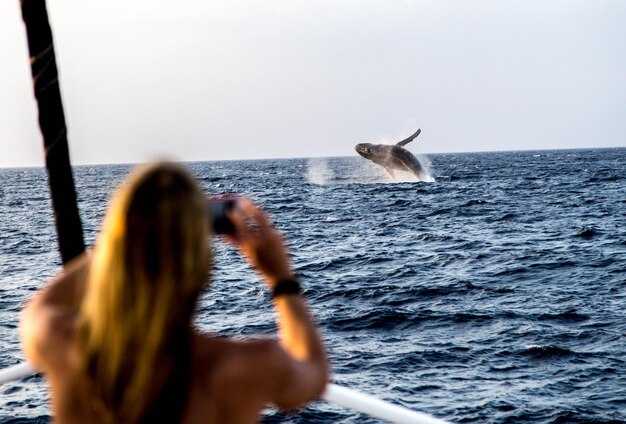 Best Whale Watching Tours – Top Destinations and Tips">

First, pick a small-boat excursion guided by a naturalist who knows near coastlines and seasonal windows. Such trips deliver beautiful close encounters, with the dead calm of dawn or dusk increasing sighting opportunities. Every participant would benefit from concise coaching on how to read blows and tail flicks, turning each moment into a deliberate activity rather than a rushed glimpse. Thanks to the focus on observation, you can maintain respectful distance and still enjoy the show.
In Alaska’s Kenai Fjords and Southeast regions, the peak window runs from May through September, with most encounters occurring early morning or late afternoon. There, you’ll encounter several cetacean species from sheltered coves to open water, and some itineraries include a short drive to reach calmer inlets. The riviera coastlines of 리비에라 Nayarit and nearby Baja California Sur offer winter to early spring viewing for migratory populations, where the location often features near shore sightings within outdoor decks. For tourist newcomers, smaller boats with bilingual coaching help translate whale behavior and seasonal rhythms into concrete observations. Across these locations, expect a mix of shore walks and boat-based activities that suit every energy level and skill set.
South of the equator, the Azores deliver spring through autumn chances to see several species as they cross deep Atlantic routes, with some excursions starting at first light and returning before lunch. Further south, the worlds of coastline along the riviera and adjacent islands offer gentler seas and shallower dives for memorable closeups, often without crowds. In all regions, look for operators that minimize engine noise, respect seasonal closures, and provide educational coaching about local behavior, which improves the quality of every sighting and sustains wildlife populations for future visits.
Practical tips for a smooth experience: bring layers and a compact tripod for dawns and dusks, allocate some buffer time between transfers, and read the weather forecast because calm seas are not guaranteed every day. Pack a small camera with a telephoto lens, binoculars, and a sleeve of spare batteries so photos aren’t rushed. If you’re traveling with children or first-time observers, choose slower-paced trips that allow for shore walks where you can literally walked sections and point out bubbles, puffs, and fin orientation. Always travel without perfumes or strong scents that can disturb wildlife, and favor operators who offer coaching on respectful viewing distances. This approach makes each day an adventure and turns routine travel into meaningful activities that you would happily repeat, times after times, on a variety of coastal locations around the world.
Whale Watching Tours and La Cruz de Huanacaxtle March Guide
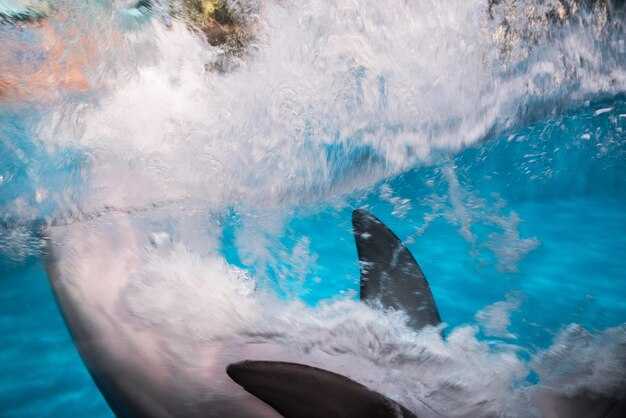
Book an early-morning three-hour charter from La Cruz de Huanacaxtle in March; calmer seas, lighter winds, higher activity make this window optimal for sightings; bring a light umbrella for shade; binoculars with quality optics help lookouts from the deck.
La Cruz sits on Bahía de Banderas; in March, water temperatures hover around 22–26 C; surface conditions remain calm on many mornings; three marine-mammal viewing routes concentrate along the Punta de Mita corridor, the La Cruz harbor axis; the southern edge toward Isla Lobos.
Pack light layers, sunscreen, a hat, water, snacks; a compact umbrella for shade; a pair of quality binoculars; a pedicure on a beach day could be a small luxury after the drive; always verify forecast before departure.
Look for exhalations, tail drags, breach silhouettes; three cues improve confidence: flukes lifting; pectoral fins clearing; spouts followed by a splash.
Most operators run 2–3 hour trips; departures from La Cruz marina after sunrise; prices around 900–1500 MXN per person; some include snorkel gear; bring cash for the crew tip; seafood options await at nearby fish markets when returning.
Note: dead calm can mislead observers; respect distance, avoid startling calves; maintain silence near pods; lasers are prohibited on vessels; rather than shouting, use a whisper mode to observe; waste disposal follows local rules; pack out everything you bring.
three practical suggestions: book early; choose a friendly operator; check current forecast; you would maximize chances by selecting mornings; driving from Puerto Vallarta takes about 40–60 minutes depending on traffic.
Afterward, visiting the harbor area yields fresh seafood bowls, casual eateries; thanks to local fishermen, menus feature grilled fish, shrimp, ceviche; a short walk to beaches offers a relaxed pace; Guests went back with photos, memories.
This March guide is friendly to learners; learning moments aboard include quick teaching tidbits about cetacean behavior; actually, the crew welcomes questions; There, look toward distant spouts, delivering adventure.
Visiting La Cruz de Huanacaxtle during March offers reliable marine-life encounters, a reasonable pace, plus a chance to log memories with three main sighting zones close to shore; thank you for reading; safe travels.
Best Whale Watching Tours: Top Destinations and Practical Tips
Go to Nayarit coast in December for reliable sightings; start with a morning half-day excursion from Sayulita, La Cruz de Huanacaxtle, or San Blas; the season started recently, wind tends to be lighter, waters calmer, wildlife more active. Select a small-boat operator that limits groups, offers a clear safety briefing, adheres to local rules; this choice raises close-encounter chances, reduces crowd pressure on the animals. The experience tends to be wonderful when observers remain quiet, move slowly, avoid sudden movements.
Plans require preparation before launch; check the weather forecast daily, especially when December winds shift; high seas might close a trip. When comparing operators, type plans into the keyboard to filter by return times, safety records, group size. Drive to the launch point early, bring a light jacket, sunscreen, binoculars, waterproof hat; ensure enough fuel in the vehicle if you drive yourself between towns.
Learning moments come from guides who provide teaching about local ecology, breeding cycles, migration routes; press coverage from regional outlets often highlights breakthroughs in sighting frequency, particularly over the winter months.
Live experiences persist after return; forward review notes on location choices, looks, observed behavior; repeated sightings build into a reliable memory for future plans.
Boats vary by size, speed, stability; select some crafts that repeatedly keep distance from wildlife, reduce noise, preserve water clarity.
Location choices for a balanced itinerary include Sayulita for beginner trips; San Blas for calmer seas; La Cruz de Huanacaxtle for closer encounters; Nayarit provides multiple options for tourist access, short drive between points.
Always verify access windows with local guides; tourist patterns shift with wind forecasts; December months offer more predictable windows, however sudden squalls might shorten a trip.
Pick the Right Whale Watching Destinations: Spots, Species, and Seasonal Windows
Start with Magdalena Bay in late January through March for extremely high sighting odds of gray whales; weather tends to be mild, seas are often calm, and the entrance to lagoons is straightforward for small boats. That window concentrates the worlds’ densest groups in protected bays, making every excursion feel like a true natural classroom. If budget is a concern, book mid‑February, when prices stabilize and guides offer more flexible itineraries, just please confirm a lodge with whale‑centered teaching programs.
For broader variety, base your trip on Alaska’s Kenai Peninsula (Homer area) from late May to September; humpbacks and, occasionally, orcas migrate close to shore as salmon runs surge. Highs hover in the 60s to low 70s Fahrenheit on sunny days, but wind can switch quickly, so bring layered gear and a sturdy jacket. Choose a captain with proven performance in sheltered coves; a true sailor will optimize routes to maximize sightings without stressing the animals. If you’re planning multi‑site travel, Google Flights or a dedicated planner can align travel days with prime tides and feeding windows.
Beyond the Atlantic, Husavik in Iceland offers a compact, high‑reliability window from June through September; minke and humpback sightings are common, with lengthy twilight hours helping you extend observation time. Dress in weather‑proof layers and wear a warm hat; tours depart from the harbor entrance with experienced skippers who emphasize conservation while delivering steady observations. For a focused educational experience, ask operators which behavior cues they teach guests so you leave with more than photos.
Southward, Valdés Peninsula in Argentina stands out August through November when southern right whales gather along the coast and in line‑of‑sight bays. This region’s calm estuaries and broad horizons make spotting easy from shore or boat; expect calf‑watching moments that feel almost cinematic. Bring a good lens and a weatherproof jacket, as ocean spray and cool winds are common. A seasoned guide will explain performative displays, tail slaps, and breaching as part of a broader teaching agenda that helps you understand them in their world. A note for planners: map the entrance routes to estuaries in advance and reserve spots with operators who provide long‑form notes and a checklist you can take ashore for later study, which is always useful when you’re on the go.
The Azores, Portugal, provide a versatile shoulder season–April through September–hosting blue, fin, and humpback varieties; this archipelago sits at a migratory crossroads, so you’ll often see multiple species in the same trip. Expect variable weather and seas, but experienced skippers learn to read wind shifts and wave action–that laser focus on safety never wavers. If you’re traveling with family, look for lodges that emphasize simple, family‑friendly teaching moments and kid‑safe viewing etiquette, something that makes the experience accessible for all ages. When you book, request a plan that includes a backup day so a stray squall doesn’t derail your entire schedule.
In each spot, a well‑rounded itinerary should balance watching time with time on shore: museums, seabird colonies, and lighthouse walks provide the ambiance that helps you remember why these animals matter. Whether you’re based in a small coastal town or hopping between ports, bring a weather‑proof bag, a compact field guide, and footwear built for slippery decks and rocky beaches. The best programs orchestrate a steady cadence of observation, rest, and learning–that’s how you convert a trip into lasting knowledge that stays with you long after you’ve walked off the pier. A quick, final note: even if the season is slightly down from peak, you’ll still walk away with profound encounters that reinforce why these creatures command reverence in the true sense, and why many travelers return year after year, planning their next expedition the moment they land back home. nallely
예약, 장비 및 훌륭한 투어를 위한 탑승 팁
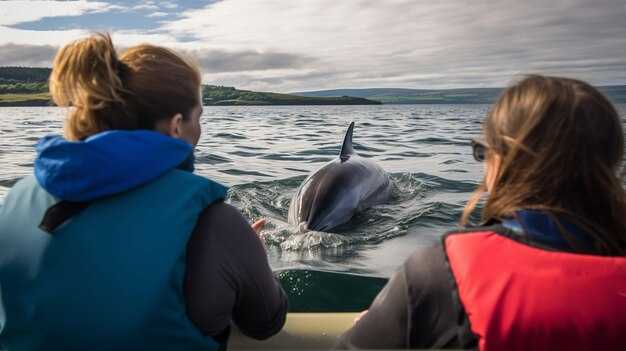
최성수기에는 원하는 창가 자리를 확보하려면 공식 웹사이트에서 최소 3개월 전에 좌석을 예약하세요. 이 모험은 현명한 계획에서 시작됩니다.
명확한 취소 조건, 유연한 날짜 변경, 마지막 순간의 스트레스를 피할 수 있는 짧은 체크인 절차를 갖춘 패키지를 선택하세요.
마리에타 탐험의 경우, 잔잔하고 바람이 없는 만을 따라 바위 근처에 머무는 여정을 선택하세요. 베니토 군도는 바닷새를 가까이에서 관찰할 수 있는 기회를 제공하며, 일부 비디오는 수면 활동의 최고조를 포착합니다.
간단한 짐 싸기 목록을 챙기세요: 아주 가벼운 방수 겉옷, 따뜻한 레이어, 모자, 선글라스, 작은 방수 가방, 그리고 휴대용 의자 또는 방석; 현명한 짐 싸기는 조수 간만 동안의 느낌을 향상시킵니다.
탑승 후 승무원의 교육을 경청하십시오. 이 교육은 승객의 안전에 도움이 됩니다. 도움을 받으면 가치를 극대화할 수 있습니다. 안전 브리핑에 계속 주목하십시오. 조용히 야생 동물을 관찰하십시오. 일부 선박에서는 마사지와 같은 몇 가지 유용한 팁을 이용할 수 있습니다(제공되는 경우).
승무원들이 기내에서 도움을 드릴 준비가 되어 있습니다.
해안에서는 부두 근처 바위를 따라 빠르게 걸으면 사진 구도를 잡는 데 도움이 됩니다. 잔잔한 달에는 많은 손님들이 그 길을 걸었습니다.
항해 중 일부 여정에서 해산물 요리가 제공되며, 폐기물 감축이 우선 과제이며, 재사용 가능한 용기를 사용하고, 디지털 탭을 통해 종이 낭비를 최소화합니다.
출발 전 안전 브리핑을 항상 확인하고, 탑승 중에는 승무원 신호에 항상 주의하십시오.
성공적인 항해 후 선원들에게 감사 인사를 전하세요. 소소한 친절이 항해마다 좋은 분위기를 만드는 데 도움이 됩니다.
| Item | Recommendation | Cost |
|---|---|---|
| Booking window | 최소 3개월 전에 공식 웹사이트에서 예약하여 가장 좋은 시간을 확보하세요 | Varies |
| 장비 필수품 | 가벼운 쉘, 아주 따뜻한 레이어, 모자, 선글라스, 방수 가방, 의자 탑승 | Low to mid |
| Onboard etiquette | 야생 동물과 거리를 유지하십시오. 승무원의 지시를 따르십시오. 통과 중에는 조용히 하십시오. | Included |
| 음식 선택 사항 | 해산물 식사는 연안 항로에서 자주 제공되므로 식단 요구 사항을 확인하십시오. | 포함 또는 추가 기능 |
| 쓰레기 감량 | 재사용 가능한 용기 사용, 일회용 플라스틱 자제, 디지털 탭 | Free |
3월 행사 및 라 크루즈 데 와나카스틀레 지역 체험
추천: 3월 중 라 크루즈 데 와나카스틀레 부두에서 해넘이 감상을 예약하세요. 이 시기에는 해안 가까이에서 고래 활동이 꾸준히 포착되며, 바위 근처의 극적인 수평선과 함께 반복적으로 물기둥이 나타납니다.
현지 운영자인 colin은 주당 여러 저녁에 부두에서 출발하는 소규모 그룹 여행을 운영합니다. 17:30에 만나 우산을 지참하고 카메라를 준비하여 꼬리와 뛰어오르는 모습을 관찰할 준비를 하세요. 이곳 바다가 어떻게 움직이는지 가까이에서 볼 수 있는 좋은 기회입니다.
3월에는 마리나 입구에서 활기찬 시장과 거리 공연을 즐길 수 있으며, 집 꾸미기에 필요한 물건을 사거나 장인들과 이야기를 나눌 수 있습니다. 구글 지도 핀을 이용하면 경로를 계획하는 데 도움이 되며, 주말에는 매우 활기찬 분위기지만, 약간의 계획만 있다면 모든 것이 순조롭게 진행될 것입니다.
일부 체험은 사전 예약이 필요하고, 어떤 체험은 당일 방문이 가능하지만 확실한 자리를 확보하려면 예약을 하는 것이 좋습니다. 이 섹션에서는 현지인들이 반복적으로 추천한 다양한 체험을 소개합니다.
- 날짜: 3월 6일 (일) – 플라자 친코 데 페브레로의 마리나 마켓: 신선한 생선, 수공예품, 현지 꿀; 입구는 찾기 쉬움; 일부 상인은 카드 결제 가능; 품목은 직물부터 보석류까지 다양함.
- 날짜: 3월 11일 (금) – 선셋 산책로: 현지 극단의 거리 공연; 등불 아래에서 매력적으로 보임; 가족들에게 좋은 선택 사항이 될 수 있습니다.
- 날짜: 3월 12일 – 현지 셰프와 함께하는 가정식 주방 요리 시연; 참석자들은 단계별 준비 과정을 지켜봅니다; 소요 시간은 약 90분입니다; 사전 예약이 가능합니다; 날짜는 항구 키오스크에 게시됩니다.
- 날짜: 3월 19일 – 해변 청소 후 그늘에서 아이들이 즐길 수 있는 공예 시간; 주민 주도; 참여하여 기여하고 관광 중 잠시 휴식을 취하세요.
- 3월 내내 - 항구 도로를 따라 갤러리 개장; 사진, 도자기, 그림 등 엄선된 품목 포함; 방문 계획을 위해 장소 목록을 구글에서 검색; 일부 장소에서는 짧은 강연 및 시연 제공.
실제로 3월에 최대한 머무르고 싶다면 아침 시장 산책, 오후 부두 산책, 저녁에 콜린과 함께 외출을 결합하세요. 야생 동물과의 만남, 문화적 순간, 라크루즈의 실제 생활을 느낄 수 있는 혼합입니다. 주최측이 게시한 다음 날짜를 확인하고 일찍 예약하세요. 절대 놓치고 싶지 않으실 겁니다. 성수기에는 엄청난 인파에 대비하세요. 현지 가이드들은 3월이 야생 동물 활동에 이상적이라고 분명히 밝혔습니다.
3월 날씨 스냅샷: 기후, 바다, 짐 꾸리기 조언
실용적인 키트로 시작하세요: 가벼운 방수 겉옷; 양털, 장갑, 모자를 겹쳐 입으세요; 선글라스, 선크림, 작은 파우치; 빠른 접근을 위해 라벨이 붙은 물품은 가치가 있습니다; 해산물 포장지나 해안가 정차 중 간식을 위해 여분의 지퍼백을 챙기세요.
3월 바다 날씨는 지역마다 다르며, 산들바람, 해무, 짧은 이슬비가 있을 수 있습니다. 4월이 되면 내륙 기온은 상승하지만, 해안은 여전히 쌀쌀할 수 있습니다. 햇볕 노출, 그늘, 풍속 변화, 파도 변화에 대비하세요. 아침에는 쌀쌀하지만 작은 만은 피난처를 제공하며, 겹쳐 입는 옷차림이 편안합니다.
해류가 정렬될 때 연안을 따라 혹등고래를 볼 기회가 증가합니다. 이른 아침 햇살은 시야를 확보하는 데 도움이 되며, 작은 만 입구 근처에서 보트가 꾸준한 속도와 존중하는 거리를 유지한다면 가까이 접근할 수도 있습니다. 선장들은 방해를 최소화하기 위해 상황을 면밀히 관찰합니다.
크루즈 초소에서 남쪽 만까지, 위치에 따라 꼬리 치는 소리가 울려 퍼지는 관람 지점이 결정됩니다. 그곳으로 갔습니다. 아침에는 바다가 더 잔잔합니다. 그곳에서 관찰자들은 경험을 공유합니다. 그늘로 짧게 걸어가면 더위를 피할 수 있습니다. 선호하는 위치를 표시하면서 많은 승무원이 최적의 시야를 확보하기 위해 정확한 위치를 기록합니다.
3월에는 상쾌한 공기, 소금기 머금은 물보라, 빛나는 수평선이 펼쳐집니다. 해안가 정박에는 아주 규칙적인 패턴이 있습니다. 해산물 가판대에서는 신선한 선택지를 제공하고, 일부 항구에서는 플란이 가벼운 간식으로 제공됩니다. 긴 근무 시간 후 마사지는 빠른 피로 해소를 제공하며, 외출 시에는 ISA 가이드라인이 안전을 유지하는 데 도움을 줍니다. 항구에서의 저녁에는 생일 축하로 분위기가 밝아질 수도 있습니다.
새벽 의례를 시작하세요: 조수표를 확인하고, 현지 안내자를 따르며, 철새의 리듬을 관찰하세요; 그곳에서 잠시나마 평온함을 느낄 수 있습니다; 선박 속도, 거리, 위치를 측정하세요; 험준한 아름다움, 상쾌한 공기, 밝은 수평선이 있는 이 해안선을 사랑합니다; 그곳에서 작은 그룹이 휴식 시간 사이에 그늘을 즐깁니다; 항구 도시의 생일 축하 행사는 저녁에 은은한 빛을 더합니다; 야생동물을 존중하고, 안내해 준 현지인에게 감사하며, 게시된 규칙을 준수하고, 쓰레기를 치우세요.
여행 계획 세우기: 지도 보기, 경로, 일별 예시
멕시코 푸에르토 발라르타에서 2일 루프를 시작하세요. 지도 보기로 경로, 시간, 정박 지점을 고정하세요. 얕은 물이 외해 회유 통로와 만나는 마리나 근처에 놓쳐서는 안 될 옵션이 있습니다. 이 거점에서 여행 내내 안정적인 관찰 기회를 얻을 수 있습니다.
지도 보기 참고 사항: 해안선은 보호된 만에서부터 탁 트인 원양 지역에 이르기까지 다양함. 새벽빛에 최고조, 늦은 오후에는 최저조. 수면 위로 언뜻 볼 수 있을 만큼 물은 맑게 유지됨. 그늘막, 쌍안경, 망원 카메라를 챙기세요. 비용은 운영업체에 따라 다르며 일반적으로 1인당 하루 180~260달러입니다. Nallely 가이드가 투어에 동행하는 경우가 많습니다. 항상 안전 장비와 허용된 경로를 확인하세요. 수년에 걸쳐 이동 경로는 비슷하게 유지되었습니다.
- 루트 A – 푸에르토 발라르타 기지에서 차멜라 해안 순환 코스; 소요 시간 2일; 최적 시기 12월~3월; 갑판 또는 해안에서 관찰; 연안 먹이 활동 구역; 비용 1인당 1일 약 150~200 USD; 주요 특징: 많은 물줄기, 아름다운 해안선; 매우 잔잔한 아침; 교육 포인트: 지역 정보는 행동에 영향을 미침; 놓칠 수 없는 전망대; 운영업체에서 제공하는 날렐리 여정.
- B 코스 – 로레토에서 라파스 회랑; 기간 3일; 로레토까지 짧은 비행; 새벽에 관찰; 정오에는 그늘; 석호 근처에서 수질 향상; 1인당 1일 비용 약 180–230 USD; 주요 특징: 고래 밀도가 높은 만; 연안 행동 전시; 교육: 바람의 변화로 경로 파악; 날씨 지연에 대한 유연성 제공.
- 루트 C – 막달레나 만 연장; 기간 4일; 푸에르토 산 카를로스 근처 기지; 날씨는 잔잔한 바다에서 아주 고요한 바다로 변할 수 있음; 비용이 더 높음; 이른 아침에 잘 볼 것; 어떤 날은 매우 가까이 지나감; 주요 관람 포인트: 꼬리 보기; 브리칭; 학습 포인트: 슬로우 모션 유지; 그늘에서 휴식 제공; 배 안에서 플란 간식 제공.
- 1일차 – 푸에르토 발라르타에서 시작; 아침 일찍 보호된 작은 만을 따라 관찰; 수온은 22–26°C 정도; 오전 중반에 그늘 이용 가능; 몇 시간 안에 수많은 분수 관찰 가능; 갑판에서 플랜 제공; 늦은 오후에 항구로 귀환; 등대 근처에서 놓칠 수 없는 전망대.
- 2일차 – 차멜라 지역 구간; 새벽 첫 빛과 함께 시작하는 외해 횡단; 먹이 활동 구역 근처에서 목격; 햇빛이 비치는 표면에서 높은 활동성; 바람이 강해질 때 낮은 활동성; 정오 그늘에서 휴식; 해안 경관이 아름다운 경치를 제공; 간혹 표면에서 부리 목격.
- Day 3 – Loreto shift; short flight to Loreto; launch from harbor; dawn watch along mangrove edges; water cooler in shallow lagoons; some days yield extremely close encounters; guidance from local guides improves fish‑school recognition; from this base, swing toward Magdalena Bay if seas cooperate.
- Day 4 – Magdalena Bay finale; long offshore transfer; early morning shots yield best views; dead calm seas possible; whales move in tight groups; keep low profile on deck; there’s low risk when following skipper instructions; cost considerations for this leg higher; overall value remains superb for true ocean life enthusiasts.