


 한국어
한국어  English (UK)
  Русский
  العربية
  日本語
日本語  Magyar
  Türkçe
  Español
  Čeština
  Svenska
  Português
  Ελληνικά
  Suomi
Suomi  Nederlands
  Română
  Italiano
  Français
  Polski
  Українська
  Deutsch
  简体中文
简体中文  Slovenčina
  Best Snorkeling in St Martin – The Ultimate Guide to the Best Locations">

추천 시작 크레올 락(Creole Rock)과 같은 곳은 그랜드 케이스(Grand Case)에서 이름을 딴 곳으로 맑은 물, 생생한 산호 정원, 열대어 관찰이 잦은 곳입니다. 수심은 5~12미터이며, 조류는 보통 오전에 약하고 정오 이후에 속도가 빨라집니다. 모든 다이버에게 크레올 락은 바위, 모래 수로, 다채로운 해양 생물을 부드럽게 소개합니다. 앵무새, 엔젤피쉬, 그리고 보호된 구석에 있는 수줍은 그루퍼를 기대하세요. 멋진 파노라마 await.
다음 정류장 얕은 화물선 잔해 지역과 오리엔트 해변 근처의 Momma Reef를 포함합니다. 화물선 잔해는 약 8~14미터 깊이에 있으며 튼튼한 산호 기둥과 덮인 해면이 있습니다. 그루퍼, 도미 및 숭어 떼를 만날 기회가 있습니다. 이곳의 해류는 종종 좁은 통로를 빠르게 통과하므로 암초와 가까이 있고 서지가 발생하면 부표선에서 멈추십시오. 상황이 허락한다면 잠시 멈춰서 관찰하십시오.
크리올 록을 넘어서, 탕타마르 섬의 암초는 더 큰 산호 머리와 더 많은 원양 활동이 있는 곳을 제공합니다. 엔젤피쉬, 트럼펫피쉬, 그루퍼는 잠시 표류한 후 모습을 드러낼 수 있습니다. 초보자는 6~8m의 얕은 수심에 머무르고, 숙련된 다이버는 12~15m의 더 깊은 턱을 탐험할 수 있습니다. 흐름 속도를 읽고 그에 따라 정지 계획을 세우십시오.
여행 일정 참고 사항 균형 잡힌 하루를 위한 추가 팁을 포함하세요. 해돋이에 크레올 락에서 시작하여, 젠틀한 해류와 다채로운 암초가 있는 맘마 리프로 이동한 다음, 거시적 생물과 화물창 선반이 있는 화물선 침몰 지역에서 마무리하세요. 각 정류장은 다양한 spots 매크로 디테일과 광각 뷰를 익히세요. 수영 후에는 해변 바에서 영상을 검토하고 다음 날 계획을 세우세요.
프티 클레 스노클링: 접근 지점, 해양 생물, 실용적인 팁
현지 업체를 통해 예약한 탕탕마르에서 출발하는 반나절 항해로 시작하세요. 잔잔한 남쪽 바다는 맑은 시야를 제공하고 스노클링을 즐기는 사람들에게 편안한 입수를 선사합니다.
진입 지점은 암초 끝과 흰색 모래 바닥 사이의 Petite Clef 입구에 있으며, 보트 하차는 Tintamare 쪽에서 이루어지므로 픽업을 미리 준비하십시오.
해양 생물은 앵무새고기나 surgeonfish와 같은 훌륭하고 다양한 어류를 포함합니다. 턱을 따라 미끄러지듯 움직이는 거북이와 틈새에 숨어있는 바닷가재를 볼 기회도 있습니다. 근처 난파선 구역이 흥미를 더합니다.
실용적인 팁: 파도와 무역풍 사이의 안정된 시기에 방문하십시오. 조류가 멈춘 시간대가 입수하기 더 쉽습니다. 오리발, 산호초 보호 선크림, 작은 방수 가방을 착용하십시오. 야생 동물과는 거리를 유지하고 절대 먹이를 주지 마십시오. 산호를 보호하기 위해 모래나 암반 위에 머무르십시오. 현지인과 운영자의 말을 경청하십시오. 현지인과 숙련된 운영자로부터 지식을 얻으십시오.
리브어보드 옵션으로는 남쪽 닻 Petite Clef가 여정표에 포함됩니다. 네덜란드 항해 선단을 포함한 이 여행은 암초 트레일과 하얀 작은 만, 야외 활동을 함께 제공하며, 노련한 선장들이 추천합니다.
Petite Clef 접근 지점: 해안 진입 vs. 보트 드롭
최적의 선택: 프론트 베이에서 해안 진입 시 얕은 물에 빠르게 접근 가능하고, 쉽게 착륙할 수 있으며, 바위와 소나무 근처에서 거북이 목격이 잦습니다. 붐비는 경우가 드물어 소규모 그룹과 가족에게 적합합니다. 현지 블로그 정보에 따르면 마호 바람과 남향 베이 주변에 명소가 있으며, 과거 방문은 신뢰할 수 있는 것으로 확인되었습니다.
보트 드롭으로 남쪽 해안의 깊은 곳에서 난파선, 녹색 바닷가재, 상어 등을 볼 수 있습니다. 프린세스처럼 이름이 붙은 곳도 있는데, 가이드 투어에서 활용됩니다. 바람 때문에 해류가 바뀔 수 있으니 표류를 피하려면 마르텐스 브리즈를 고려하여 계획하세요.
준비물: 산호초에 안전한 자외선 차단제와 물; 가벼운 장비 준비, 과거 여행 정보 확인, 여러 장소를 방문할 수 있도록 안내된 투어 따르기. 프롱트 베이(front baie)와 남쪽 주변의 많은 곳에서 푸른 생물, 바닷가재, 때로는 상어와 함께 잊을 수 없는 순간을 경험할 수 있습니다. 피넬(pinel)과 바위는 흥미로운 구조를 만듭니다.
| Access | Pros | Cons |
|---|---|---|
| 해안 입구 (정면 만) | 얕고 빠른 물살; 거북이 목격; 피넬 섬 상륙; 소규모 그룹 | 바람과 파도는 시야를 제한할 수 있음; 계절적 변화 |
| 보트 드랍 (남쪽) | 더 깊은 곳; 난파선; 상어, 바닷가재; 더 폭넓은 탐험; 프린세스와 같은 명명된 장소 | 작업자 필요; 강풍 시 표류 위험; 물류 |
쁘띠 클레프 스노클링 세션 장비 점검 목록
쁘띠 클레 세션 동안 소지품을 건조하게 유지하도록 표시된 소형 드라이 백이 포함된 플랜 장비 키트. 해양 생물과의 긴밀한 접촉을 잊을 수 없도록 필수품을 엄선하여 추천합니다.
우선, 필수품: 강화 유리 마스크, 배수 밸브가 있는 스노클, 그리고 맨발로 편안하게 착용할 수 있는 사이즈의 오리발.
바위 지대에는 네오프렌 부티 (3–5 mm), 산호초에 안전한 자외선 차단제, 비건 립밤, 가벼운 래시 가드를 추가하세요.
개방 수역에서의 편안함은 소형 방수 시계, 카메라나 조명을 위한 소형 보조 배터리, 그리고 마른 주머니에 보관된 여분의 배터리를 포함합니다.
마호 주변의 바위 지대, 세인트 마틴 명소에 갈 때는 산호초에 안전한 자외선 차단제, 챙이 넓은 모자, 그리고 방수 가방에 넣어둘 수 있는 수건을 챙기세요.
바위 선반이나 아늑한 작은 만과 같은 장소 사이에서, 탁 트인 바다에서의 시간과 휴식 시간을 균형 있게 배분하는 여정을 계획하십시오. 개인 교통편이나 소형 페리는 일정을 빡빡하게 유지하는 데 도움이 됩니다.
미니 페리 옵션은 바위 해안선을 따라 만을 연결합니다.
산호초 벽에는 해양 생물이 서식하지만, 더 깊은 수중턱 근처에서는 상어를 조심하십시오. 거리를 유지하고, 쫓아가지 말고, 해양 생물을 존중하십시오.
줄리아나와 프린세스라는 이름이 현지 대화에 계속 등장합니다. 개인 부티크 전세선은 작은 섬 사이를 운행하며, 마호와 다른 항해와 어울리는 개인적인 장소와 넓은 바다 항로로의 접근성을 제공합니다.
장비 점검이 끝나면 모든 장비를 깨끗한 물로 헹구고 그늘에서 말린 후 항해 사이에 드라이 백에 보관하십시오. 장비가 항상 준비되어 있을 때 탁 트인 바다로의 항해는 잊을 수 없는 추억이 됩니다.
탑 쁘띠뜨 클레프 스노클링 명소: 암초, 수로 및 모래밭
세인트 마틴 남부의 쁘띠 끌레프 채널에서 시작하여, 맑은 시야를 갖춘 균형 잡힌 따뜻한 물에서 시작할 수 있도록 인근 암초, 채널, 모래밭을 탐험하십시오.
숙련된 스노클링 애호가와 여행객 모두 이곳에서 보람을 느끼며, 피넬 섬과의 근접성, 크레올 문화, 조용한 작은 만에 대한 찬사가 자자합니다. 네덜란드령 지역의 서비스는 믿을 수 있는 교통 옵션을 제공하며, 연중 내내 쾌적한 환경을 유지합니다. 개인 여행은 유연한 일정을 제공하며, 현지 선장으로부터 자세한 내용을 알아보고 자신 있게 다음 여행을 계획할 수 있습니다.
-
Petite Clef 리프 엣지
- 수심 4–8 m; 시야 15–25 m; 잔잔한 아침에는 수온이 따뜻하고 녹색을 띔
- 생기 넘치는 산호초, 부채산호, 앵무고기, 그리고 새우와 같은 해양 미세 생물들을 기대해 보세요. 수중 사진작가에게 정말 좋습니다.
- 접근성: 남쪽 측면의 한적한 작은 만에서 해안 진입; 개인 보트는 소나무 섬 근처에 정박하여 간단한 루프를 돌 수 있음
- 최적 조건: 아침의 느린 조류; 동풍; 계절: 건기는 수온을 따뜻하게 유지함
- 팁: 현재 라인을 관찰하세요. 비건 여행객은 종종 점심 식사를 위해 아늑한 만을 선택합니다.
- 후기: 여행을 즐기는 연인들과 산호초 애호가들로부터 꾸준히 높은 평가를 받음
-
남부 채널 회랑
- 수심 6–12 m; 조류 보통; 시야 12–20 m
- 학교에 다니는 꼬치고기, Grunts 및 간혹 보이는 점박이 매가오리를 기대하세요. 산호 노두가 있는 수로 벽
- Access: from maho shoreline or pinel side; private tours ideal for guided drift with safety
- Ideal conditions: late morning through early afternoon when winds ease
- Tips: avoid strong tides when traveling with kids; bring a light net for small creatures
- information: private tours provide safety briefings and creole commentary about surrounding ecosystems; reviews from fishing lovers and vegan travelers highlight this area
-
pinel Sand Patch
- Depth 1–3 m; shallow; sandy with seagrass
- Highlights: small stingrays, flatfish, sea cucumbers; macro life in patches
- Access: board from pinel islet; keep to sheltered coves; good for a midday snorkel
- Ideal conditions: calm days; light winds; water warms quickly
- Tips: keep distances from boat traffic; reviews note quiet vibe
- Private options: private guide can tailor entry near pinel for safe snorkeling
-
Green Patch near maho
- Depth 2–5 m; shallow wading; water warm; greens of seagrass
- Highlights: juvenile fish schools, starfish; easy for families and new snorkelers
- Access: from maho beach area; entry near rocky outcrop; private drops possible
- Ideal conditions: late morning; calm days
- Tips: bring snacks, respect wildlife; creole markets nearby offer post-snorkel meals
- reviews: travelers praise this patch for relaxing, scenic sessions
while you learn creole stories from locals, private operators offer tailor-made experiences, again making next season a favored stop.
Marine life you’ll see: turtles, parrotfish, and corals
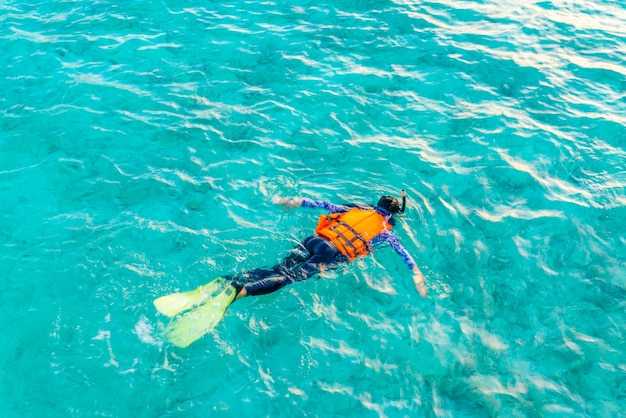
Plan a morning circuit around pinel to maximize chances of spotting marine life; calm water and visibility around 15–20 m help turtles and parrotfish pop against coral beds. Suited gear–mask, fins, and snorkel–keeps moves efficient. Extra buoyancy help reduces fatigue during days afloat near sandy patches. For snorkeling, ask local guides about currents and safe stops.
Close observation reveals green turtles grazing seagrass in sandy flats; parrotfish flash color changes while grazing on algal films; corals form a vibrant mosaic along shallow reefs that were healthier in past decades. Around sunken ship wrecks, barracuda and mullet schools may appear there. When currents shift, slow down and stop to let wildlife approach; this increases chance of quiet, respectful encounters.
Local rules emphasize no touching corals; keep distance from wildlife and avoid crowding popular stations. If you’re on a liveaboard itinerary, receive briefing before first dive or snorkel, then plan routes that minimize disturbance. Past excursions show respectful behavior yields richer observations from curious creatures rather than fleeing.
Smart timing matters: late morning or late afternoon often yields better light for photos and calmer seas. Tourists visiting by boat or netherlands charters frequently visit pinel and nearby coves; locals share extra information about currents, mullet, and nearby pinel reefs. Keep close to coral edges, avoid chasing wildlife, and plan routes suited for safety–dutchman wrecks dot close to shore, offering interesting targets for patient observers. Pinel remains popular, visited by tourists.
Past visitors who plan ahead on liveaboard itineraries report extra value when keeping currents in mind; you may receive practical tips from skippers or local divers about sunken ships and pinel reefs. If you keep a respectful pace and stop to observe, really nice moments unfold, and chances increase that you’ll meet curious turtles, mullet, or barracuda near sandy zones. Tourists often depart with wonderful memories and newfound appreciation for underwater life.
Best times, conditions, and safety tips for Petite Clef snorkeling
Start at first light, when breeze is mild and surface lies glassy. shallow bays near Petite Clef welcome a seasoned diver, with fish weaving through seagrass and a chance to spot a little turtle before crowds gather; travelers who previously snorkeled will recognize how calm this spot can be.
Dry-season windows run roughly from late November to April, when winds stay light and swell stays calm. visibility commonly ranges from 10 to 25 meters in clear pockets; after a light swell, water can appear really sparkling.
Safety: stay inside shallow belt and avoid touching coral; reef-safe sunscreen shields delicate habitats. Always watch for boats and ferries along sailing routes; pick entry during lighter harbor activity. If currents pick up, abort session and return to shore.
Gear and approach: suited for tropical water, bring mask, snorkel, and fins; a small buoy helps mark position; keep a modest footprint to protect seagrass bed and reef bowl. For next outings, add a wide-angle camera or smartphone in a dry case.
Wildlife: expect schools of tropical fish, occasional turtle glides, and possibly a dolphin breaking offshore. Petite Clef offers a calm bowl where visibility grows with sun angles; creole coast scenery enhances every moment near Saint Martin.
Information source: traveling blog notes spots next to a nearby resort; check sailing schedules, ferry timing from maho, and Saint Martin connections before heading out. источник