


 한국어
한국어  English (UK)
  Русский
  العربية
  日本語
日本語  Magyar
  Türkçe
  Español
  Čeština
  Svenska
  Português
  Ελληνικά
  Suomi
Suomi  Nederlands
  Română
  Italiano
  Français
  Polski
  Українська
  Deutsch
  简体中文
简体中文  Slovenčina
 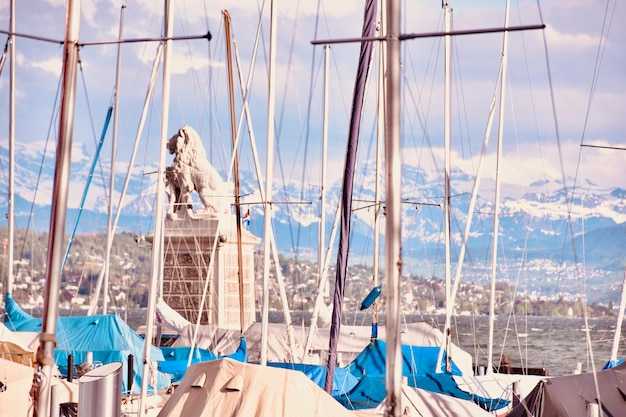 Best Sailing Destinations in Europe – Top Places to Explore">

Set course along croatia’s Dalmatian coast this late spring or early autumn, when crystal-clear bays and busy, bustling harbors align with a comfortable pace and reliable winds. This window offers a crisp initial experience for crews seeking a straightforward entry into coastal routes and sheltered anchorages.
Beyond croatia, map a sequence that links land and sea across bays and coves. The baixas shoreline, calm afternoon sails, and the flat water near markermeer provide varied practice for handling lines and buoyage. Choose prepared crews and anchorages that minimize risk during winter sessions and build confidence for longer hops.
For subscriber readers, a weekly briefing highlights wind windows, safe landings, and the routes that fit your pace and purposes, helping you time departures to maximize visibility and comfort on the water.
marys crews often trade notes from early-season hops, noting crystal-clear waters, busy ports, and the quieter coves tucked between islands. This adventure invites you to build experience, with a focus on safety, provisioning, and proper storm precautions.
Practical itineraries and sailing tips
Start with a 7–9 day Croatia loop: base Split, sail to Hvar, Korčula, Brač and Vis, then back to Split. Keep daily hops to 20–40 nautical miles, anchor in quaint coves, and enjoy promenades ashore in old towns. Choose those cheaper charters from smaller operators to curb costs, and time the trip for late spring or early autumn when weather and conditions are steadier. Check harbour fees and berthing rules on the website of local authorities, and use nautical centres for up-to-date information on moorings and fuel. During calmer mornings you can sail across sheltered bays, reserving marina nights for rest and provisioning. Ignore Titicaca-distance fantasies and keep hops practical to stay fresh for the next day’s breeze.
Another compact option runs along the Breton coast: Brest to Camaret-sur-Mer, Crozon, Douarnenez, and back in 4–5 days. Winds are typically Atlantic and can be fresh, so reef early and rely on nearby headlands for protection. Nights ashore in charming towns offer promenades, fresh seafood and a chance to refill supplies. This loop works well with a mid-size sailboat and allows free cruising through sheltered inlets, with shorter hops between coves during gusty spells. Use the website of port authorities and nautical centres to confirm weather windows, fuel availability, and mooring fees, then swap between protected harbours to preserve time and comfort, especially if you’re crossing between larger bays and smaller harbours.
Practical tips: monitor weather data every morning and plan the day’s leg around its forecasts; in all routes, have a backup plan for shelter when conditions sharpen. For those dipping into cross-country sailing, Elba can be a distant long weekend option if you extend across the Tyrrhenian, but keep Croatia routes within manageable distances to minimize fatigue. When choosing a base, look for centres with well-marked promenades, reliable maintenance crews, and on-site rental desks; book charters well in advance, especially in peak periods, and confirm exact pickup locations and handover procedures through the charter operator’s site or phone line. Fresh crews and flexible itineraries help maintain safety and momentum across days, while anchoring in coves that suit your plan reduces marina dependence and costs.
Croatia’s Dalmatian Coast – sheltered routes, island hopping, and charter tips
Base in Split and pursue a three-leg loop Split → Brač → Hvar → Split to keep sheltered routes while delivering island variety that fits diverse preferences.
Coastal coves around Brač (Milna and sheltering bays near Bol) and the Pakleni archipelago off Hvar provide easy berthing under lee from typical winds, reducing downwind stress. Winds typically run 10–25 knots in the afternoon, with calmer mornings, so plan short hops of roughly 15–25 nautical miles between stops and allow time for cliffside walks and seafood dinners.
Charter tips: work with official operators and confirm berth availability ahead of time; keep a flexible schedule to adapt to weather and port busy seasons. wang brokers and seasoned crews provide routes aligned with your preferences, from quiet mornings to bustling evenings, while ensuring safety briefings and compliant harbor procedures.
Three-leg routing between Split, Brač, and Hvar keeps the itinerary compact yet varied. From Split head to Brač for a cliffside coastline and the iconic Golden Horn in Milna; then sail to Hvar through the lee of Pakleni for tranquil bays or a bustling harbor feel, depending on mood. Local tavernas along the coast offer seafood feasts, while the island atmosphere remains authentic rather than polished–beauty that invites short, memorable stops with minimal long sails.
Seasonal conditions favor a cautious pace: typically short, manageable day sails allow time for berthing in small harbors, market visits, and the occasional shore excursion. Many routes are designed to provide safe passages while avoiding exposed channels, and you can confirm harbor dues and official requirements at each port prior to arrival. The three-leg plan offers a flexible framework to sail down the coast without overcommitting to stern-wasting days.
Local flavor comes with a side of mountain backdrops: the Velebit range and mainland cliffside towns frame the sea, enhancing the beauty of every anchorage. For a tasting menu, seek grilled seafood specialties, black risotto, and fresh squid in family-run eateries–short trips with big flavor that keep every day engaging for crews of all skill levels.
Greece’s Aegean Islands – best seasons, port calls, and must-visit routes

Begin late May for tranquil seas and dependable weather windows. Book berths early along Mykonos, Paros, and Naxos to secure sheltered harbors and dotted anchorages where needed, with a small buffer before the next hop.
From June through August, strong Meltemi winds can make longer hops less predictable; plan shorter legs, steady sail plans, and a well‑stocked budget for neccessities. Aim for light tides, smooth layovers, and relaxed on-board routines to keep adventures enjoyable even when weather shifts.
Port calls cluster along a handful of prized towns: Piraeus or Lavrio as starting points, then Mykonos, Paros, Naxos, Ios, Santorini, Milos, and Syros; ashore strolls reveal whitewashed lanes, tranquil tavernas, and views that glow under soft light as sunsets arrive. The turquoise seas frame every stop and the beauty is capricious in its clarity, inviting photo captures and a quick flickr session at dusk.
Coordinate with harbor masters and use VHF radio for slot timings, mooring, and fuel. This helps you keep schedule tight, especially during shoulder weeks when demand is moderate and most popular bays fill quickly. A handful of dependable harbors along this circuit provide steady services and reduced risk if a weather window narrows.
For budget ease, target a conservative route with 4–6 hour hops between islands where possible, and choose anchorages with ample water, dinghy docks, and shore facilities. On-board systems and crew routines can be streamlined by pre-planning mooring lines, lines of approach, and a clear plan for ashore time before sundown.
ischia
| Leg | Stops | Distance (nm) | Best window | 참고 |
|---|---|---|---|---|
| Piraeus → Mykonos | Mykonos | ~84 | Late May–early July; September | Protected harbor near town; ideal for first-night check-in; dotted coastlines nearby for short sails |
| Mykonos → Paros | Paros | ~20 | May–June; Sept–Oct | Gentle hops, reliable ferries; coordinate with local radio for harbor slots |
| Paros → Naxos | Naxos | ~22 | May–Oct | Handful of coves; strong light for views; ashore tavernas popular at sunset |
| Naxos → Santorini | Santorini | ~60–70 | June–Sept | Caldera panoramas; busy peak, book moorings early |
| Santorini → Milos | 밀로스 | ~60 | May–Sept | Quiet anchorages in the southern bays; excellent turquoise seas |
| Milos → Ios | Ios | ~25 | May–Sept | Vibrant nightlife outlets but many quiet bays available for daytime rest |
Spain’s Balearic Islands – Mallorca, Menorca, and Ibiza: anchorages and day sails
Book early for Mallorca’s sheltered anchorages around Palma Bay and Cala d’Or (east coast), then keep your schedule flexible to switch to Menorca’s sheltered coves if a sirocco arrives. For each leg, confirm your berth and maintain a buffer of extra time in case winds shift.
From Palma, plan shorter hops of 8–25 miles along the southeast and south coasts; hours at sea typically range from 4 to 6, with waters that stay calm in sheltered pockets and offer quick dips between anchorages. Read coastal pilot notes to locate natural havens and secure a steady position.
In Menorca, the south coast offers calmer, deeper bays with secluded anchorages and ancient watchtowers along the shore. Read pilot guides. This helps confirm mooring options and registration requirements with harbour centres before overnighting.
Ibiza presents modern marinas and secluded bays on the west and north coasts; day sails can loop from Ibiza Town to Cala Conta, Cala Bassa, and back, powered by steady trade winds, typically 4–5 hours depending on wind.
For longer itineraries, sardinia or croatia offer alternatives to extend the loop beyond the Balearics; bohinj remains inland, but under a broader plan you can compare distances and hours to develop a balanced route.
Registration when staying on moorings or visiting protected reserves is necessary in many centres; be sure to read notices and confirm hours of operation, especially in peak months. Mallorca, Menorca, and Ibiza provide dependable services, and the possibilities vary by island so plan with flexible targets for daily leg lengths and anchorages.
France’s Corsica and the Riviera – coast highlights, harbours, and sailing permissions
Recommendation: secure a dependable charter with local operators and lock in harbours, slips, and slots six to eight weeks ahead; confirm rates and required documents by email and keep a buffer for weather shifts.
Corsican coast highlights span rock and cliffside towns along Cap Corse and around Bonifacio, Calvi, and Ajaccio; Bastia’s harbour offers a brisk, bustling atmosphere, while sunsets over rocky coves are famous for postcard views.
리비에라에서는 니스, 칸, 안티브, 생트로페 근처 항구가 활기차게 운영되고 있습니다. 슬롯과 정박 공간을 확보하고, 항구 당국이 부과하는 요금을 이해하려면 미리 계획하십시오. 항해 채널과 라디오를 사용하여 기상 상황, 정박 상태 및 각 항구의 공식 사용 현황을 모니터링하십시오.
실용적인 측면: 필수 장비와 완벽한 안전 키트를 준비하고, 각 정박지마다 필요한 허가 또는 승인이 있는지 확인하고 정박 시간을 고려하세요. 제한 사항을 확인하고, 해상 마일과 도시에서의 시간을 균형 있게 배분하는 짧은 이동을 샘플링하기 위해 대여 운영자에게 연락하세요.
절벽 하이킹, 문화적 발견, 해양 리듬의 균형을 맞추는 노선을 독점적으로 고려하십시오. 바이샤스, 보힌이, 비고, 사이클라데스 참조는 여정을 벤치마킹하는 데 도움이 될 수 있으며, 하루의 풍향 날씨 계획 몇 시간은 갑판과 항구 주변에서의 매일의 가치를 더해줍니다. 날씨의 여유를 확보하고, 항구와 이메일을 교환하고, 일몰과 도시 탐험을 위한 유연한 일정으로 계획을 완료하십시오.
포르투갈의 알가르브 & 마데이라 - 대서양 항해 기간 및 항구 옵션
라구스, 알가르브에서 출발하여 늦은 봄 해안을 따라가는 계획을 미리 준비하고, sheltered coves (보호된 해안)와 아침 시간을 이용하여 자신감을 쌓은 후 더 긴 여정을 시작합니다. 브레스 참고사항은 대서양으로의 접근 시기를 결정하는 데 도움이 되며, 유능한 선장과 촘촘한 승무원은 항해를 안정적으로 유지합니다. 장비 준비 상태를 유지하고, 항해 일정을 단순하게 유지하여 보급품 구매와 휴식을 위해 마을에 상륙할 수 있도록 합니다.
- 대서양 해안: 5월~6월과 9월~10월은 라구스, 포르티마우, 사그레스 간 해안 항해에 꾸준한 서/북서쪽 바람과 적당한 바다를 제공합니다. 최전선이 접근할 경우 라구스 또는 포르티마우 마리나에서 보호된 밤을 보내면서 하루에 20~40해리씩 계획하십시오.
- 개방 수역 구간 마데이라까지: 늦은 봄 또는 초가을은 본토에서 멀리 떨어진 긴 구간에 더 안정적인 무역풍을 제공합니다. 일반적인 기간은 바람에 따라 3~6일 바다에서 진행되며, 6시간 관찰 주기를 유지하고 정기적으로 날씨 업데이트를 요청합니다. 푼샬 또는 카메라 데 로보스에 도착하여 육상에서 잠을 자거나, 조건에 따라 마리나 정박을 선택합니다.
- 알가르브 연안의 항구: 라고스 마리나 (깊고, 남서쪽 파도로부터 잘 보호됨); 포르티마우 마리나 (조용하고, 강 접근 가능); 페라구두와 알부페이라에서는 보호된 접근 방식을 갖춘 짧은 항해가 가능하며, 올하우와 타비라는 보급 및 시장을 위해 편리하고, 선원과 일반인을 위한 육상 접근이 용이하다.
- Madeira 항구 옵션: 푼샬 마리나 (주요 허브, 강력한 보급, 안정적인 피난처); 카마라 데 로보스 (조용하고 평화로운 밤을 제공하는 어항); 칼헤타 마리나 (새롭고 보호된 진입구) 및 포르투 산투 (긴 항구, 섬에서의 밤, 메이드이라 루프 후 좋은 거치 지점).
고려할 만한 여정은 접근 방식과 속도 면에서 다양성을 제공합니다. 알가르브 해안선을 따라가는 여정은 간단한 항해를 통해 보트와 승무원을 시험해 볼 수 있게 해주며, 그런 다음 더 길고 노출된 구간이 많은 장항해를 위해 군도 쪽으로 나아갈 수 있습니다.
- 알가르브 루프 (4~6일): 라고스 → 포르티마우 → 알부페이라 → 타비라 (숙박) → 라고스. 보호된 저녁, 항구 보급, 잠재적인 다음 구간 전에 해안에서의 숙면에 집중하세요.
- 알가르브에서 마데이라로의 횡단 (7–12일): 라구스 또는 포르티마우에서 준비, 상 벵투 강 접근, 푼샬 또는 카마라 드 로보스로의 외해 구간, 날씨가 좋으면 칼헤타 또는 포르투 산투에 잠시 정차 가능; 선장이 결정을 내리고, 승무원들은 시계를 돌보고 필요에 따라 육지에서 상륙 결정을 내립니다.
- 메이데이라 섬 점프 (5–8일): 푼샬 → 포르투 산투 → 칼헤타 또는 포르투 모니즈 → 푼샬로 돌아감; 군도 스타일의 정박지를 사용하고, 마을을 탐험하고, 긴 항해 후 배에서 잠을 자고, 마을에서 보급을 즐기세요.
장비 및 준비: 자신감을 높이기 위해 날씨 장비, 방수 의류, 예비 로프와 펜더, 앵커와 체인, 튼튼한 응급 처치 키트, 작동하는 VHF와 휴대용 백업 장치를 갖춘 준비된 키트를 유지하십시오. SART와 EPIRB를 포함시키고, 더 먼 거리를 이동하기 위한 추가 연료와 물을 준비하십시오. 육상에서 식사를 간단하게 준비하는 것은 승무원이 정신을 맑게 유지하는 데 도움이 되며, 정기적인 선장과의 통화는 승무원 전체의 일관성을 유지합니다.
항구 특징 및 접근 요령: 알가르브 지역에서는 조류가 상승할 때 라구스나 포르티마우 마리나에 입항하고, 하구 근처의 얕은 수심을 주의하며, 침착한 승선팀과 함께 정박하십시오. 마데이라에서는 해상에서 푼샬에 접근하고, 암벽을 오른쪽으로 두고, 악천후 시 북서쪽에서 오는 파도에 대해 경계를 늦추지 마십시오. 카메라 드 로보스는 날씨가 좋지 않은 경우 더 안전한 밤을 제공하며, 포르투 산투는 구간 사이에 더 긴 밤머무는 옵션을 제공합니다.
승무원 및 선장님께 드리는 참고 사항: 해상 구간은 준비된 경계 시스템, 날씨 판단에 대한 자신감, 그리고 전선이 지나갈 때 육지로 휴식을 취할 수 있는 유연한 계획을 요구합니다. 참고 자료를 좋아하는 분들을 위해, 알가르브 해안은 느낌 면에서 일부 아말피 스타일의 만과 비슷하며, 마데이라 군도는 항구 옵션에 또 다른 질감을 더합니다. 길을 따라 야자수와 시장은 팔마에서 기대할 수 있는 에너지와 울려 퍼지지만, 이곳에서의 접근은 여전히 뚜렷하게 대서양적인 특징을 가지고 있습니다.