


 한국어
한국어  English (UK)
  Русский
  العربية
  日本語
日本語  Magyar
  Türkçe
  Español
  Čeština
  Svenska
  Português
  Ελληνικά
  Suomi
Suomi  Nederlands
  Română
  Italiano
  Français
  Polski
  Українська
  Deutsch
  简体中文
简体中文  Slovenčina
 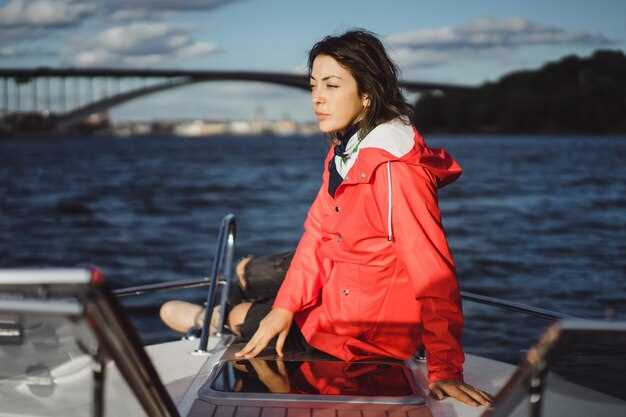 Alaska Yacht Charter Guide – Essential Routes, Tips, and Wildlife Encounters">

Plan early with alaskan specialists to lock in your dates, then manage expectations and keep records of every encounter to build a reliable experience. An attentive crew designs routes that travel across rugged coastlines, sheltered bays, and remote inlets along the Inside Passage.
Prime routes start in Juneau or Ketchikan and thread north to Glacier Bay, then drift across Prince William Sound and into the Chugach region. Specialists advise flexible plans in early september to catch incredible wildlife activity and calmer seas.
Along the route you may encounter orcas, humpbacks, sea otters, and eagles. Always follow wildlife guidelines and consenting distances to minimize disturbance. For exploring remote coves, our crew coordinates on-water activities and shore visits with care.
Practical tips: pack compact gear, bring binoculars with 8x and a sturdy camera, and assign a crew member to manage provisioning and waste handling. Always verify permits and insurance details before heading offshore. The captain can handle sudden squalls, shifting tides, and passenger needs, while the mate records weather data to improve planning.
Across the coast you’ll encounter areas such as the Inside Passage, Glacier Bay, Kenai Fjords, and Copper River delta. Our guides detail anchorage options, best practices for less crowded ports, and how to time wildlife observation for maximum impact.
For records and memories, encourage guests to keep notes or a shared log. Your experience will feel incredible as you compare sightings across seasons, helping shape responsible exploring and future voyages.
Alaska Yacht Charter Guide
Plan a 7–9 day Inside Passage voyage and lock bookings early to secure your preferred yacht, captain, and dates. The Southeast corridor offers classic scenery, culture stops, and reliable wildlife viewing, with calm channels and sheltered harbors most of the season.
Core routes and typical durations:
- Inside Passage and Southeast Alaska (5–7 days): misty fjords, glacier fronts near Juneau, Sitka, and Ketchikan; ideal for visitors seeking family-friendly harbors and steady distances between stops.
- Kenai Fjords and Prince William Sound (6–9 days): Valdez to Seward or Whittier, with tidewater glaciers, dense wildlife, and opportunities to view sea otters and bears along shoreline trails.
- Aleutian Islands expeditions (10–14 days): remote, windward routes through the aleutian archipelago; rugged scenery and fewer crowds for explorer-minded crews.
- Glacier Bay and Hubbard areas (4–6 days): limited access zones via permit; silent waters, towering ice cliffs, and abundant seabird colonies.
Wildlife and nature encounters: plan to rise early for the best light and calmer seas. Orcas and humpbacks cruise with the main currents; bears forage along rivers when salmon are running; eagles perch above forested shorelines. For observers, a telephoto lens and binoculars help capture behavior without disturbing animals.
Gear, provisioning, and stores: head to a marine store or local outfitter to pick up waterproof layers, foul-weather boots, spare parts, and safety gear. Mix in-port shopping with pre-arranged provisioning to save time in harbors and ensure fresh produce and seafood for dinners on deck. Also, verify vessel functions such as watermaker, pumps, and navigation lights.
Culture, visitors, and etiquette: respect coastal culture and native lands; request permission before approaching beaches; keep noise to a minimum in wildlife-rich zones; share knowledge from guides and rangers to enrich the experience.
- Eight months before: confirm vessel and captain, finalize core route, and lock bookings to secure seasonal slots.
- Six months before: review permits for Glacier Bay or protected areas; align crew duties and safety drills.
- Two months before: arrange provisioning, fuel plans, and equipment checks; coordinate with a marine store for spare parts.
- Two weeks before: confirm passenger lists, safety briefing, and a flexible day-by-day plan that accommodates wildlife watching and early-morning departures.
Latest tips for travelers: keep a small radio or satellite phone for coastal weather alerts, monitor sea state before hull crossings, and store valuables in watertight lockers. Perseverance helps when port calls change due to fog or swell, but a calm, flexible approach yields the best wildlife moments and quiet moments in silent coves.
Also, pack a compact dry bag to protect cameras and essentials during wet landings.
Choosing the Right Explorer Yachts for Alaska: Routes, Wildlife, and Practical Tips
Choose an explorer yacht with ice-class certification, a seasoned crew, and a flexible departure window in september. Prioritize stabilizers, reliable Zodiacs, and safety protocols that let you create comfort during a challenging season and adventures.
Build an itinerary that threads the vast alaskan coastline, including fjords and peaks, and pauses at icebergs offshore. Include a list of stops that meet local needs and keep the schedule focused on the most rewarding views.
On this route, youll spot eagles circling cliffs, other wildlife, and fresh snow in the higher basins. Observe seals and bears from sheltered bays, and use this chance to compare options across the world.
Practical tips: detail your gear, provisioning, and communications, and review norwegian operator sites and websites to compare routes, safety records, and chef options.
culture and history: engage with tlingit guides when possible, learn about totems, language, and traditional stories to enrich your alaskan experiences.
Classic adventures on a modern platform: pick an alaskan-specific itinerary with proven routes, and leave room for only off-grid days in fjords where fresh snow lingers.
Southeast Alaska Itinerary: Inside Passage from Juneau to Sitka
Recommendation: Book a five-day charter with a northern Alaskan operator to sail the Inside Passage from Juneau to Sitka; youll experience vast, serene water passages and rugged shores, with protected anchorages that maximize wildlife viewing and shore visits.
Pricing runs per-person from roughly $1,000 to $2,000 daily, depending on vessel size, season, inclusions, and captain experience. Bookings early help secure prime cabins, the best wildlife windows, and potential add-ons like guided hikes or lighthouse visits.
Certain choices on the route to Sitka require careful pre-trip planning with your captain to align wildlife windows and weather gaps. Your operator will store gear in watertight lockers and map out a sequence of anchorages that minimize long passages and maximize opportunities to observe calving glaciers, bears along shorelines, and sea otters across protected bays.
Day 1: Juneau to Tracy Arm–Ford’s Terror area; begin with a rocky coastline view, then cruise into a calm inlet where a calving glacier may push spray into the air. Pick a sheltered anchorage near Holkham Bay for the night, and if conditions allow, kayak in a mirror-clean cove; first-hand wildlife notes from your captain add context to every rock formation and tide change, youll likely spot harbor seals, bald eagles, and bear signs along the shore.
Day 2: Sail toward the Petersburg–Wrangell corridor, crossing broad channels across Baranof Island; stop at small coves for kayaking, shore walks, and a chance to see brown bears along river mouths. Statistics from coastal surveys show peak whale activity in midsummer, so youll often have orcas and humpbacks in view from the deck across the water.
Day 3: Move to the Wrangell area and continue toward Sitka; you can visit a cannery store, a totem park, and a coastal trail. This leg offers a rugged blend of culture and creek-side viewing, including opportunities to observe sea lions and seals. A midday stop gives first-hand opportunities to chat with local guides–this is where a true explorer can pick up insights about salmon cycles and forest recovery.
Day 4: Approach Sitka with a sheltered crossing along Chatham Strait; pick a point along Sitka Sound for a dawn harbor walk, then anchor near the historic wharf district to sample local seafood and crafts. Across the rugged shoreline, dramatic views reward your choice of short kayak trips as the afternoon settles into serene light.
Day 5: Sitka in-depth–with hiking, kayaking, and wildlife watching options; for many guests, the best per-person value comes from including a guided shoreline excursion and a stop at the wharf district. youll wrap with a final breeze on the water, reflect on the route, and finalize bookings for your next Alaskan charter along this vast coast.
Seasonal Window: Charter Timing for Wildlife, Light, and Sea States
Book a late May–early July window to maximize wildlife sightings, light, and smoother seas along the Inside Passage.
Choose seattle-based departures for easy access, then pick a curated combination of fjords, sumdum detours, and rocky shores that keep guests aboard comfortable and engaged.
Humpbacks frequent the passage from spring into summer; otters bustle along rocks, bears venture to shorelines early in the season, and calving events along protected bays attract observers.
Light grows generous from late May through midsummer, delivering long photo windows at dawn and dusk as you pass through fjords and glacier-lined channels.
해상 상태는 전선에 따라 다르지만, 늦은 봄에는 보호된 항구 사이의 잔잔한 횡단이 흔합니다. 규정 준수 지침을 준수하고, 속도를 낮게 유지하며, 바위와 곶 주변의 파도를 줄이기 위해 승선 인원수를 제한하고, 그들의 안전과 편안함을 보장하십시오.
안전과 즐거움을 극대화하려면 각 구간 전에 최신 야생 동물 기록을 확인하고, 안전 장비 테스트를 실시하며, 탐험대가 현지 규정 및 준수 점검을 따르는지 확인하십시오. 이는 훌륭한 기준을 유지하고 탑승한 모든 사람에게 안전한 통행을 보장하는 데 도움이 됩니다.
실제로, 바람을 막아주는 통로가 있는 항해 일정, 윌리엄 포인트를 따라가는 구간, 그리고 섬덤 암초에 근접하는 일정을 짭니다. 이러한 균형은 혹등고래, 곰, 해달의 시야를 확보하고, 마지막 순간의 변경 사항에 대비할 수 있도록 선원들을 준비시킵니다.
시애틀 출발 크루즈부터 계절 운항까지, 폭풍 최고조를 피하고 잔잔한 시기와 맞물리도록 엄선된 스케줄을 유지합니다. 승객들이 피오르드 방문 사이에 배 안에서 휴식을 취할 수 있는 안식처를 유지하고, 승무원들은 다음 시즌을 위해 기록을 검색하고 규정 준수 로그를 업데이트합니다.
야생 동물과의 만남: 고래 관찰, 곰, 해달, 그리고 안전 수칙
공인된 박물학자와 함께 야생 동물 크루즈를 예약하여 야생 동물에게 존중하는 거리를 유지하면서 최대한 많은 동물을 관찰하십시오. 바다, 시트카 해역, 케나이 해안을 포함하는 여정을 목표로 고래, 독수리, 해달을 최적으로 만나보고, 승무원이 승객의 안전과 편안함을 우선시하는 크루즈를 선택하십시오. 해안 절벽선을 따라 독수리를 볼 수도 있습니다.
고래 관찰: 활동은 봄철과 늦여름에 대륙붕 가장자리와 해초 지대에서 활발해지는 경향이 있습니다. 여행당 4~8개 무리를 예상하며, 각 무리에는 어미와 새끼를 포함하여 2~6마리가 있습니다. 먹이 활동이 일어나는 암반 지점과 얕은 언덕 근처에서 뛰어오르기, 꼬리 치기, 정찰 행동을 찾아보세요.
곰: 바라노프 섬 주변의 남동쪽 해안선에는 늦여름에 연어를 먹는 검은 곰과 갈색 곰이 서식합니다. 곰으로부터 100m의 거리를 유지하고 절대로 곰의 앞을 가로막지 마십시오. 조용히 접근하고 엔진을 공회전 상태로 유지하십시오. 반대편 해안이나 안전한 거리에서 사진을 찍으십시오. 반려동물을 안전하게 보호하고 동물 서식지에서 멀리 떨어뜨려 놓으십시오.
해달: 시트카 인근과 중앙 해안가의 보호된 작은 만에서는 5~50마리의 해달 무리가 다시마 위에 뗏목처럼 떠서 연체동물을 찾아 먹습니다. 소음을 줄이고 쫓아가지 마십시오. 새끼들에게는 더 많은 공간을 주고 안정된 장소에서 쌍안경으로 관찰하십시오. 해달은 먹이를 먹기 위해 잔잔한 물에 의존하므로 뗏목을 만지거나 밀어내지 마십시오.
안전 수칙: 항상 승무원의 지시를 따르고, 갑판에서는 구명조끼를 착용하며, 헐거운 장비는 단단히 고정하십시오. 엔진 변속 중에는 카메라와 휴대폰을 보관하고, 해상 상태가 좋지 않을 때는 난간에서 떨어져 계십시오. VHF 무전기나 위성 메신저를 휴대하십시오. 해안에서 곰을 만나면 천천히 뒷걸음질쳐 배로 돌아가십시오. 야생 동물에게 먹이를 주지 마십시오. 먹이 제공 정책은 야생 동물과의 상호 작용 및 그들의 영역을 침범하지 않는 것입니다.
계획 및 기록: 브로커에게 안전 기록, 허가 및 해상 규정에 대해 문의하십시오. 급여 정책, 환경 조건, 탑승 인원 등 요금을 비교하고 포함된 서비스를 확인하십시오. 인기 있는 시기를 위해서는 일찍 여행을 예약하고 취소 조건을 검토하십시오. 이 기회를 활용하여 여행 경로를 데날리 및 해안 경로와 맞추고 손님 그룹과 협의하십시오. 보이는 것을 기록하고 목격 정보를 기록하여 향후 기록에 활용하고 돌아오는 손님과 반복 크루즈에 정보를 제공하십시오.
탐험 요트 사양: 항속 거리, 내항성, 흘수선, 텐더 수용량
50m 익스플로러 요트를 선택하고 범위 4,500–6,000 nm, 9–11노트 시 draft 3.5m 미만의 보트와 6~8m 텐더 두 척, 그리고 수상 비행기까지 갖추었습니다. 덕분에 이번 시즌에는 시애틀 항에서 출발하는 일정을 케나이 해역과 외딴 피오르드로 변경하여 탐험을 계속할 수 있습니다.
내항성은 해양 기술과 선체 마감에 달려 있습니다. 알래스카의 내해 항로에서는 우수한 내항성, 통합 안정 장치, 액티브 핀을 갖춘 선체를 선택하십시오. 2~3m 파도에서 9~12노트로 항해 시 약 60%의 롤링 감소를 예상할 수 있으며, 이는 피로감 없이 피오르드와 봉우리를 따라 항해하는 데 도움이 됩니다.
외딴 후미진 곳에서는 흘수가 중요합니다. 케나이 피오르드 인근의 보호된 정박지와 대부분의 피오르드 입구에 닿을 수 있도록 목표 흘수는 2.8~3.4m로 하고, 마을 길에서 얕은 물 접근을 용이하게 하기 위해 접이식 벌브와 강력한 선수 스러스터를 추가하십시오.
알래스카 장거리 항로의 항속 거리 및 내구력: 9–11노트 속도로 4,500–6,000 해리는 속도, 날씨, 그리고 에어컨 및 발전기 관리에 따라 대략 28–40일마다 재정비가 필요함을 의미합니다. 연료를 신중하게 계획하고 효율적인 동력 순환을 활용하여 강어귀와 피오르드를 탐험하는 동안 선체 표면을 매끄럽게 유지하십시오.
텐더 수용량은 2대의 텐더(6~8m)와 4~6m의 팽창식 지원 보트가 있어야 게스트가 해안, 야생동물 은신처, 물놀이 기구에 쉽게 접근할 수 있습니다. 선택 사양인 수상 비행기는 외딴 마을과 빙하까지 이동 범위를 확장하여 정류장 간의 긴 운전 없이 좋아하는 여정을 펼칠 수 있습니다.
기술 및 데이터: 통합 내비게이션 및 날씨 데이터가 사용자 장치로 전송됩니다. 승무원들은 매일 로그를 보내고 야생 동물 목격 정보를 추적하여 이러한 데이터는 매니아들에게 유용하며, 손님들은 다음에 어디를 봐야 할지 알 수 있습니다. 이러한 설정을 통해 매일 지연이 아닌 발견을 할 수 있습니다.
시즌 계획: 알래스카 최적기는 5월~9월이며, 인기 경로는 시애틀에서 시작해 키나이 해안, 프린스 윌리엄 사운드, 외곽 피오르드를 연결합니다. 이러한 일정은 헬리 스키, 등산, 해양 생물이 지나가는 동안 마을에서 커피를 마시는 것을 즐기는 활동적인 고객에게 적합합니다. 최고의 순간을 위해 갑판에서 스테이크로 하루를 마무리한 다음, 다음 밀물 전에 팀을 보내 고래나 돌고래를 추적하십시오.
전세선 물류: 허가, 해안 관광, 선상 물자

공원, 섬, 개인 만 접근을 확보하고 조정이 필요한 상륙 및 활동에 대한 관련 당국의 동의를 얻으려면 6~8주 전에 허가 및 해안 관광을 예약하십시오.
허가 및 허용: 운영자는 선박 운항을 위해 USCG와, 어업 관련 활동을 위해 알래스카 어업 및 사냥 관리국과, 보호구역에 상륙할 때는 알래스카 주립 공원 또는 국립공원 관리청과 협력합니다. 알류샨 지역에서는 추가 상륙 제한이 예상됩니다. 귀하의 전세 브로커가 서류를 수집하고, 승인을 추적하며, 귀하의 여정에 맞게 예약을 조정합니다. 숙련된 승무원은 귀하가 섬 해안선에서 주요 볼거리를 탐색하는 동안 효율적으로 허가를 처리할 것입니다.
해안 엑스커션: 현지 가이드와 함께 섬을 기반으로 계획하십시오. 문화유산 방문, 행사, 광대한 해안선을 따라 야생동물 관찰, 전통 시연 등 다양한 옵션이 있습니다. 육지 투어와 달리 전세 일정은 날씨와 야생동물 활동에 따라 조정될 수 있지만, 공원이나 보호 서식지에 상륙하려면 관계 당국의 동의가 필요합니다. 날씨는 까다로울 수 있으며 계획에 부정적인 영향을 미칠 수 있으므로 유연한 시간을 확보하고 백업 옵션을 준비하십시오. 특정 알류샨 트레일에서는 짧은 썰매 시연이 계절적 하이라이트로 나타날 수 있습니다.
야간 및 연안 물류: 야간 정박을 계획하는 경우, 공급품을 보호된 정박지와 마리나에 보관하고 보호 구역 상륙 허가를 받도록 용선사와 협력하십시오. 최고 수준의 안전 기준을 준수하고 폐기물 처리, 연료 관리, 승무원 교대에 대한 명확한 계획을 유지하여 모든 탑승자에게 원활한 진행과 편안한 경험을 제공하십시오.
선상 식량 준비: 현지에서 조달한 식재료로 기능적인 주방 흐름을 유지하여 메뉴가 알래스카 유산과 연결되도록 합니다. 저장 식품은 라벨이 붙은 통에 보관하고, 부패하기 쉬운 식품은 폐기물을 줄이기 위해 로테이션하며, 게스트 식량 준비를 위한 개인 공간을 예약합니다. 해산물, 유제품, 과일, 상온 보관 가능 품목을 균형 있게 혼합하고, 악천후에 대비한 신뢰할 수 있는 백업을 계획하여 육지 상점에만 의존하지 않도록 하십시오.
| Item | Details |
|---|---|
| 공원 및 보호구역 착륙 허가 | 운영자를 통해 국립공원관리청/알래스카 주립공원과 협력; 리드 타임 6~8주; 동의 승인 확보 |
| 선박 운항 및 COI | 미 해안경비대(USCG); 선박 상태 및 운영자 자격 증명 확인; 소요 시간 4-6주 |
| 어업 관련 허가 | 알래스카 어류 및 사냥 협회; 종별 제한 및 계절별 규정 포함; 리드 타임 2~4주 |
| Provisions | Quantity | 참고 |
|---|---|---|
| 마시는 물 | 주당 180–260 L | 병에 담긴 물 또는 정수된 물; 비상용 물품도 구비하십시오. |
| Non-perishables | 1인당 2~3일 | 날씨 지연 대비 재고 |
| Fresh produce | 4~5일 분량 | 폐기물을 최소화하기 위해 회전시키고, 가능한 경우 현지 상점을 둘러보세요. |
| Dairy & eggs | 5–7 days | 냉장 보관; 유통기한 확인 |
| Ice | 2–3 bags per day | Keep separate from food stores; update as needed |