


 한국어
한국어  English (UK)
  Русский
  العربية
  日本語
日本語  Magyar
  Türkçe
  Español
  Čeština
  Svenska
  Português
  Ελληνικά
  Suomi
Suomi  Nederlands
  Română
  Italiano
  Français
  Polski
  Українська
  Deutsch
  简体中文
简体中文  Slovenčina
  7가지 흔한 수상 레저 실패와 이를 피하는 방법 – 필수 안전 팁">

이 program 필수적이다. briefing 안전을 위해 boating, 돕는 both 신규 및 숙련된 운영자 이해 what 사고가 발생한 원인과 사고를 더 빨리 방지하는 방법을 알아보십시오. 이 브리핑을 사용하여 keep questions 답변 완료., 항상 경계를 늦추지 말고 물 위에서 사고로 이어질 수 있는 상황을 예방하십시오.
실제로는 구명조끼를 착용하고 모든 것을 고정하는 object 탑승이 중요합니다. 다음을 확인하세요. 계기, keep lines 팽팽하게 유지하고, 엔진 준비를 확인하며, 무언가를 건드려 발생할 수 있는 이런 속도가 증가하는 순간에 사고가 발생하기 전에 예방하는 데 도움이 됩니다.
저희 교육에서는 다음 내용을 다룹니다. 비수기 보관, 홈 도크, 및 ownership 정책 대상 rental 함대 및 개인 owner 보트. 정책을 준수하고 모든 것을 유지하십시오. secured, 준비됐습니다. next 아웃팅; 이는 위험을 줄이고 모든 사건에서 안전하게 보호받을 수 있도록 해줍니다.
이것들을 검토할 때 moments, 항상 경계를 늦추지 마세요., alert, 그리고 준비된 deal 어떤 상황에도. 이러한 things 강좌를 잘 따라가고, 사고를 예방하며, 수역을 모든 사람이 안전하게 이용할 수 있도록 도와드릴 것입니다. 불필요한 걱정은 이제 그만, 항해 안전과 연료, 로프, 속도를 더 스마트하게 다루는 것을 환영합니다.
보트 타기 시 흔히 발생하는 7가지 실수와 예방법: 충분한 물을 챙기지 않는 것을 포함한 실용적인 안전 팁
Tip 1 – 물을 충분히 챙기지 않으면 물 위에서의 하루가 엉망이 될 수 있습니다. 보트의 수용량과 전세 계약 시 허용되는 최대 보급량을 확인하고, 식수, 요리 및 위생을 위한 계획을 세우십시오. boatsetter와 같은 서비스를 통해 예약한 경우 포함된 물과 추가 옵션을 확인하십시오. 간단한 적재 목록을 준비하고 시동 및 작동 중 쏟아지는 것을 방지하기 위해 덮개가 있는 용기에 물을 보관하십시오.
Tip 2 – 보관 및 분배가 중요합니다. 트림 내에서 무게를 유지하기 위해 적절한 적재 기술을 사용하십시오. 보트의 안정성을 유지하기 위해 물을 고르게 분배하고, 용기를 고정할 때 액체가 쏟아지지 않도록 밴드나 스트랩을 사용하십시오. 갑판에서는 엎지르지 않도록 캡을 씌워두고 모든 병에 안전한 장소를 지정하십시오. 이렇게 하면 사고를 예방하고 엔진 영역을 깨끗하게 유지하는 데 도움이 됩니다.
Tip 3 – 수분 유지는 개인적인 절제를 필요로 합니다. 각 대원에게 물병을 지급하고 비상용 공유 비축분을 포함하는 간단한 개인 계획을 세우십시오. 섭취량을 쉽게 추적하고 단일 공급원에 의존하지 않도록 하십시오. 날씨와 활동 수준을 고려하십시오. 컵을 돌려쓰고 다른 사람들에게 규칙적으로 물을 마시도록 상기시켜 안전 기준에 부합하는 경험을 유지해야 합니다. 누군가 물병을 추가로 가져갔을 경우 균형이나 여유 공간을 해치지 않는지 확인하십시오.
Tip 4 – 탈수 증상은 위험하며 사고로 이어질 수 있습니다. 수분 부족은 의사 결정 능력과 반응 시간을 저하시키고, 특히 엔진이나 윈치 근처에서 보트 주위를 이동할 때 위험을 초래할 수 있습니다. 출발 전에 간단한 브리핑과 점검 목록을 실행하여 안전 장비가 안전한지 확인하고 모든 사람이 물을 마실 수 있도록 하십시오. 승무원에게 짐을 싣거나 도킹하는 동안 판단력이 흐려지지 않도록 수분을 유지하도록 상기시키십시오.
Tip 5 – 보급에 대한 확실한 규칙과 시스템을 사용하십시오. 좋은 규칙은 브리핑에 물 계획을 포함하고 기장 또는 부기장과 함께 보급 정책을 검토하는 것입니다. 부족한 것이 있으면 기장 또는 전세 항공사 운영자에게 도움을 요청하고 출발하기 전에 목록을 조정하십시오. 이렇게 하면 질문이 줄어들고 정책 및 최대 용량 내에서 유지하는 데 도움이 됩니다.
팁 6 – 비상 예비 물자를 확보하고 물자 부족에 대비하십시오. 항상 선미 보관함이나 지정된 공간에 예비 물통이나 병을 넣어두십시오. 이는 실행하기 쉬우며 해안에서 멀리 떨어진 긴 시간 동안 갈증을 예방할 수 있습니다. 지연될 경우 안전하지 않은 임시 용기를 즉흥적으로 사용하는 대신 체계적으로 정리하고 예비 물자를 현명하게 사용하여 시간을 벌 수 있습니다. 그러한 순간에는 갑작스러운 물자 부족에 어떻게 대처하고 승무원의 공황 상태를 막을 수 있을지 생각하십시오.
팁 7 – 향후 운항 개선을 위한 운항 후 검토. 승무원에게 발생한 상황을 알리고 피드백을 수집하며 탑승자에게 물 계획이 효과가 있었는지 생각해 봅니다. 보트 타기가 처음이라면 이 과정을 통해 안전을 유지하고 경험을 통해 배울 수 있습니다. 목록이나 집에서 준비한 물품에 부족한 부분이 있다면 보트세터 또는 운영자에게 문제를 알립니다. 운항 사이에 적재, 엔진 및 안전 시스템을 검토하여 위험을 방지하고 물 계획을 실제로 적용해야 합니다. 이 좋은 습관은 동일한 문제가 반복되는 것을 방지하고 자신과 다른 사람의 경험을 향상시킬 수 있습니다.
개인 부양 장비(PFD)의 적절한 사이즈 및 안전 장비에 대한 빠른 접근
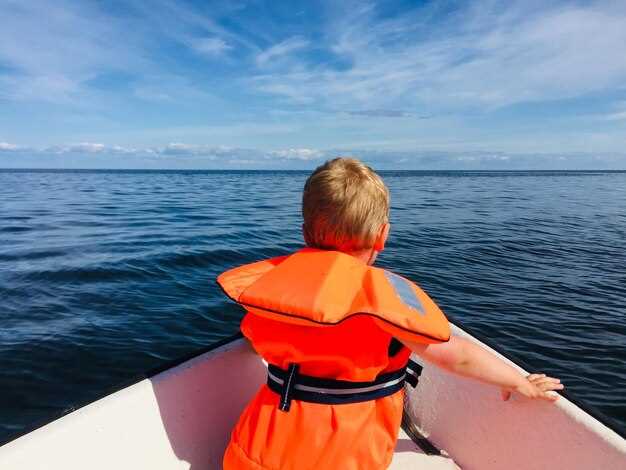
보트 여행을 할 때마다 구명조끼의 착용감은 물결, 거친 물살, 엔진 주변에서의 갑작스러운 움직임 중에도 안전하게 고정되는지 여부를 결정합니다. 올바른 크기의 구명조끼는 몸에 꼭 맞고, 완전한 운동 범위를 허용하며, 밧줄을 잡거나 돌풍 속에서 몸을 지탱할 때 제자리에 있습니다. 너무 큰 구명조끼는 위로 올라와 효과가 없을 수 있으며, 너무 작은 구명조끼는 호흡을 제한하고 비상 상황에서 반응 속도를 늦출 수 있습니다. 정확한 크기를 결정하는 것은 가슴 둘레, 체중, 물 위에서 입을 옷의 양에 따라 다르며, 움직임과 구부리는 동작을 통해 항상 제자리에 있는지 확인해야 합니다.
안전 장비에 빠르고 안정적으로 접근하면 귀중한 시간을 절약하고 사고 발생 시 중요한 시간을 놓칠 가능성을 줄일 수 있습니다. PFD 및 기타 안전 용품을 문 근처, 조타 장치, 각 좌석에 명확하게 표시된 위치에 보관하십시오. 가급적 건조한 가방이나 클립 시스템에 넣어 안전하게 보관하면서도 쉽게 잡을 수 있도록 하십시오. 팽창식 PFD의 경우, 팽창기 또는 CO2 카트리지를 확인하고 실제로 필요하기 전에 침착한 환경에서 수동으로 팽창해야 하는 경우 펌프 사용 연습을 하십시오.
- PFD를 제 몸에 맞게 선택하십시오. 가슴둘레와 몸무게를 기준으로 사이즈를 결정하고, 움직임을 테스트하며, 엔진 주위로 손을 뻗거나 몸을 기울일 때 뜨지 않도록 어깨와 허리 스트랩을 조절하십시오. 가장 흔한 실수는 겉모습이나 가격만 보고 선택하는 것입니다. 올바른 사이즈를 결정하는 것이 중요합니다.
- 착용 및 점검 사항: 모든 승객은 출발 시 구명조끼를 착용해야 합니다. 잠금쇠를 채우고, 스트랩을 조인 후, 빠르게 몸을 굽혔다 펴는 동작을 하여 거친 물결이나 파도에도 안전하게 고정되는지 확인하십시오.
- 위치 선정 및 빠른 접근: 조타 장치, 출입문 근처, 그리고 주 조종석 범위 내에 구명 조끼를 보관하여 상황이 발생했을 때 찾는 데 시간을 낭비하지 않도록 하십시오.
- 유지 보수 및 점검: 찢김, 버클 마모, 곰팡이 등을 점검하고, 팽창식 장비는 공기실을 점검해야 합니다. 사고 후 또는 과도하게 사용한 후에는 고장이 났거나 손상된 흔적이 보이는 부품은 교체하십시오.
- 임대 및 선주 지침: 임대 보트의 경우 구명 조끼가 몸에 맞고 현지 안전 규칙을 준수하는지 확인하십시오. 선주 또는 승무원에게 조정을 요청하고, 구명 조끼가 불편하면 부두를 떠나기 전에 교체하십시오.
- 훈련 및 연습: 급작스러운 파도나 기동 직후 안전 장비에 즉시 접근하는 간단한 안전 훈련을 실시하고, 엔진 주변, 장비 적재 및 고정, 걸려 넘어질 위험이 있는 물건을 치우는 연습을 합니다.
- 추가 물품 및 수분 보충: 장거리 이동 시 빠르게 마실 수 있도록 작은 물병을 준비하고, 장비를 두고 가지 않거나 속도를 늦추지 않고도 신속하게 대처할 수 있도록 즉석 키트를 보관하십시오. 이는 피로 해소에 도움이 되며 팀의 집중력을 유지시켜 줍니다.
보트 안전 지침과 현지 규제 요건의 출처를 찾아 준수 사항을 지키십시오. 그런 다음 장비 설정, 교육 및 훈련에 적용하십시오. 이 접근 방식은 실수를 최소화하고 해안에 있든, 탁 트인 바다를 항해하든, 다음 여행을 위해 트레일러 준비가 되어 있든 가장 중요한 순간에 모든 사람의 안전을 지켜줍니다.
날씨, 바람, 조수: 출발 전 점검 사항
여행을 떠나기 전에 가장 중요한 단계는 게시된 예보를 확인하여 날씨, 바람 및 조수를 확인하는 것입니다. 짧은 코스를 달리든 더 긴 항해를 떠나든 현재 상태와 계획을 늦출 수 있는 조수를 고려하면서 예보를 검토해야 합니다. 이럴 때 예보가 위험해 보인다면 시작하지 마십시오. 안전이 최우선입니다.
날씨 및 조수 확인을 위한 사전 점검에는 풍향 및 파고, 출발 시점의 조수, 예상 수위 등이 포함됩니다. 항로를 기준으로 풍향이 어떻게 변하는지, 돌풍이 이동하면서 강해질 수 있는지 확인하십시오. 계획과 보트의 성능이 일치해야 하며, 그렇지 않으면 예상치 못한 위험에 대처할 수 없게 될 수 있습니다.
엔진을 걸기 전에 연료 탱크와 적재물을 점검하고, 여행에 필요한 연료와 안전 여유분이 충분한지 확인한 다음, 스로틀 반응을 테스트하십시오. 뭔가 이상하거나 어울리지 않는 딸깍 소리가 들리면 시동을 걸지 마십시오. 간단한 실수가 하루를 망치고 사고로 이어질 수 있습니다.
Deck and docking checks include confirming the cleat condition, securing lines, and checking the plug and scuppers. Keep your limbs inside the cockpit and don’t put your weight on the rails while moving. Clear any loose items so they don’t become a hazard as the boat accelerates or slows.
Boat handling and safety: plan for both light and heavy conditions; know when to reduce speed or turn back. If wake is growing or the boat becomes tilted, slow down and reassess. That could be dangerous if you push through. Proper planning helps you avoid possible mistakes and keeps everyone safe within the hull. When conditions allow, you may plane at safe speed, but only with good space and control.
Decision rules and practice: there’s a rule that if weather deteriorates, you shouldnt push beyond your limits. The program you follow should have a specific set of thresholds and times to reassess. If you’re not familiar with the forecast or the area, spend more time reviewing charts and talking with your crew, so you learn together and stay familiar with the conditions.
Home harbor awareness and environmental caution: when near fishing boats or crowded marinas, maintain a conservative speed and keep a wide berth to reduce the risk of collision. That could be dangerous if you’re not paying attention. Always put your safety first and be prepared to adjust plans as weather or tides change. Youre experience with the water grows year by year, which sailors understand as part of the craft.
Putting all checks into practice: know your boat and your own limits, and start every trip with a clear plan and backup options. Youve got to stay focused, a program that reduces risk during the times you’re on the water. With a familiar routine and the right mindset, those moments become manageable, and you can drive the boat safely back home.
Clear Float Plan and Route Sharing
A clear float plan and route sharing are essential for every voyage, whether youre on a lake or around larger waterways. Your plan must include the course, the route, and times for leaving and arriving. It should specify a tactician on deck and a backup destination in case rough weather or mechanical issues occur. This plan is a living document that grows with experience and learning on the water. You must verify the plan before you leave, and the plan should be accessible to both crew and guests.
Share the plan with guests aboard, the rental operator, and the person left on shore who will monitor progress. Tell them where you came from, where youre headed, and the times you expect to check in. Use lines on a map and keep them visible in the cockpit so that their eyes and your mind are aligned. Set the maximum speeds you want to maintain, and note what to do if a speed change becomes necessary while leaving the dock. This keeps everyone–both crew and guests–involved and ready, and avoids the feeling that something is left to chance. One guest said this approach makes their trip safer.
To address contingencies, document what to do if the boat deviates from the plan: what happens if you come aground, if a line snags in rough water, or if the transom or sterndrive area shows a flaw. Note motor and other mechanical issues and the steps to take to stay safe. If problems arise, never hesitate to switch to the backup route and communicate with the shore band or support team. Dealing with these conditions requires quick thinking and clear signals. Around the lake or river, your route may need to bend around currents pulled by wind, and you may find that you need to modify the plan on the fly.
Assign roles so that those on board are working together: the tactician leads the course corrections, trimming, and steering; a crew member handles lines; another monitors signals; and all look out for their personal safety. This is learning in action for sailors and guests alike, and these tasks become second nature. When fatigue starts to set in, use your mind and your legs to keep the boat moving and avoid mistakes. The rule is simple: check the map at each stop, look for changes, and tell the team what changed. If someone dont understand a term, each of them should ask for clarification and the captain would check again. The system should be clear and dragging lines across the deck must be avoided. Remove any gear that could interfere with the boat’s movement, and ensure everyone has a quick break when needed.
Keep the plan a living document: the moment you find something that doesnt fit, create a revised version and tell their part of the crew. When winds shift, or times change, update the route and pulled lines, and drop new coordinates into the shared map. Down the line, this helps boats and crews become confident and would greatly reduce accidents. Remember: the body of the boat and the people aboard, as well as the motor and other mechanical systems, matter. So, always leave with a solid float plan, remove unnecessary gear, and tell everyone what to do if you need to alter course. When these changes come, the crew can work together to maintain safety and efficiency down to the last detail. If something comes up mid course, you can pull together the crew and adjust as needed, and those on shore will be informed of the changes that were taken or dropped and why.
Pre-departure Boat Systems Check: Engine, Battery, Bilge, and Lights
Before departure, perform a comprehensive check of engine, battery, bilge, and lights to ensure everything starts safely and the crew stays hydrated and aware. In busy seasons or off-season maintenance windows, follow these checklists to prevent dangerous failures and reduce the chance of weather surprises from winds or waves.
- Engine readiness
- Pulled into the check, confirm fuel level and fuel quality; ensure there is enough fuel for the planned course and reserve for contingencies. Insufficient fuel or contaminated fuel can cause sudden shutdowns and dangerous stops.
- Inspect the engine compartment for leaks, loose hoses, or worn belts; check the engine plate and mounting bolts. Remove any debris that could cause overheating or damage to moving parts.
- Verify oil level and quality; top up if needed and check for emulsified or milky oil, which signals a problem. Remember to review the oil dipstick with the engine off and cool, then document readings in your checklist.
- Check raw-water cooling (if applicable) and inspect the water intake for blockages; ensure the pump is primed and the impeller is in good condition. Check the cooling hoses for cracks or wear along the way.
- Prepare the starting sequence: turn on the battery switch, engage the starter, and watch for a clean, steady start. If the motor doesnt start after a few attempts, stop, reassess fuel and connections, then consult assistance if needed. Do not crank endlessly–times matter, and repeated starts can damage the starter.
- During starting, monitor for smoke, fumes, or abnormal noises; if anything seems off, turn off the engine and investigate. Once started, listen for a steady idle and check for surging or misfiring.
- Ensure the trim/tilt and throttle controls respond smoothly; adjust trimming to optimize planing and minimize load on the propeller. Remember that improper trimming can cause instability or excessive vibration, especially in choppy winds.
- Keep limbs away from moving parts; perform the entire sequence with the cockpit clear and everyone in a safe position behind the safety line. The biggest thing is to avoid rushing; take time to verify each step and think through the procedure.
- Battery health and electrical system
- Check battery type and capacity; verify the battery voltage with a multimeter. A healthy battery should read around 12.6–12.8V when fully charged; if readings are low, recharge before departure.
- Inspect all electrical connections: clean corrosion, tighten loose terminals, and confirm the plug connections are seated. Remove any oxidation from battery terminals and inspect cable insulation for wear.
- Test the main switch and essential circuits (starter, bilge pump, lights) to confirm they function when the key or power is engaged. If a connection is loose or a fuse is blown, replace or repair as needed on land with the engine off.
- Note battery plates and overall condition; if plate exposure or swelling is observed, replace the battery and avoid using compromised units. Ensure the charge state matches the load expected during operation, especially if a heavy electrical load is anticipated.
- For off-season storage, disconnect or remove the battery to prevent drainage; store in a cool, dry place and keep it on a compatible charger. Check the charge status sooner rather than later to avoid a dead battery after months of inactivity.
- Hydration and crew readiness: ensure everyone checks in at the cockpit so batteries and gauges are monitored while the boat is underway. Remember that personal safety and alertness are part of a safe electrical system operation.
- In case of a found issue with electrical safety, do not attempt DIY fixes that could cause a fire. Call for assistance and use a proper diagnostic program or service as needed.
- Bilge and pumps
- Test bilge pump operation and verify the float switch is functional. A pump that doesnt activate when water rises is a critical failure risk, especially in heavy seas.
- Check bilge for water and remove any accumulation; verify for signs of leaks around seals, seacocks, and through-hulls. If water is present, identify the source and address promptly; insufficient drainage can sink a boat in rough conditions.
- Close and secure all bilge access hatches; ensure hoses are tight and clamps are intact to prevent backflow or leaks during operation.
- Ensure the bilge pump power supply is protected and that a backup pump or manual pump is ready if one system fails. This reduces the chance of flooding if one circuit loses power.
- Lights and signaling
- Check all navigation lights: port, starboard, stern, and steaming light; verify they illuminate properly and comply with local regulations for your intended voyage. If a light fails, replace the bulb or fixture before departure.
- Test cockpit and deck lighting and ensure emergency lighting is functional for night operations or low-visibility conditions. Verify spare bulbs or fuses are on board in a safe place.
- When trailering, inspect trailer lights and tires; confirm the trailer plug is compatible and wired correctly. Inspect tire tread, valves, and pressure; ensure load rating is appropriate for the boat and trailer combination. This helps prevent dangerous situations during transport and improves stopping distance on launch and retrieval.
- In the cockpit, confirm that lighting does not blind the crew or impair night vision; adjust brightness as needed and use red or low-intensity modes to preserve night adaptability.
- Remember to keep a list of all electrical components and their locations for quick reference; this helps everyone reach critical controls quickly in a pinch.
- Checklists, responsibilities, and best practices
- Use a printed or digital checklists list so nothing is missed; run through each system once and verify status with at least one other person on board. The biggest thing is to ensure everyone understands their assigned tasks and knows where to find the controls.
- Assign clear roles: engine operator, electrical monitor, bilge watch, and lights supervisor. If weather or load changes, adjust responsibilities so no single person bears all tasks and nobody is overwhelmed.
- Practice the starting and shutdown sequence in calm conditions to build familiarity; this reduces the risk of mistakes when winds pick up or when you are in a tighter docking scenario.
- Document any findings and maintenance needs; address minor issues now and schedule bigger repairs at the earliest safe opportunity. Unless a problem renders the boat unsafe, complete the fix before departure.
- Keep spare fuses, connectors, and plugs in a waterproof container; maintain your inventory to handle common mechanical and electrical faults quickly. This helps reduce downtime and keeps the crew on track.
- Remember to secure loose gear and protect the cockpit from trip hazards; remove items that could snag on moving parts or become projectiles if the boat heels or pitches. Think through every movement so fats, hits, or abrupt actions don’t jeopardize safety.
Not packing enough water on board: hydration strategy and on-board supply plan
Boating safety starts with hydration. What starts as a light thirst can become dangerous in hot weather, when youre in the cockpit moving around, or during long legs of the trip. Improperly hydrated crew perform worse, misread signals, and are slower to respond to issues, which makes this issue not only uncomfortable but avoidable.
실용적인 수분 공급 전략은 일일 목표와 체계적인 선상 보급 계획을 결합합니다. 육지에서 가장 오래 떨어져 있을 수 있는 시간을 계획하고, 활동량이 많아 수분이 빨리 소모될 것이라고 가정하십시오. 물 공급 장치는 거친 바다에서 움직이지 않도록 고정해야 하며, 모든 병이 어디에 보관되어 있는지 항상 정확히 알고 있어야 합니다. 출발하기 전에 탱크 수위와 휴대용 병을 점검하고, 승무원을 위한 충분한 양과 비상 상황에 대비한 약간의 여유분을 확보하십시오.
보관 및 접근성은 매우 중요합니다. 롤링되며 쏟아지지 않도록 클리트나 스트랩으로 고정하되, 조종석 구역 내에서 손이 닿는 곳에 물병을 두십시오. 바람이나 파도에 쓰러질 수 있는 갑판 위에 두는 것은 피하십시오. 물탱크가 있다면 용량을 확인하고, 해치를 열지 않고도 벤치나 조리대에서 컵을 다시 채울 수 있도록 간단한 공급 펌프를 고려하십시오. 음료에 사용되는 모든 장비가 깨끗하고 준비되었는지 확인하십시오. 물이 부족해지는 것을 방지하기 위해 잘 짜여진 적재 계획만큼 좋은 것은 없습니다.
출발 전, 탑승 인원, 기간, 예상 기온을 고려하여 선내 물품 공급 계획을 세우십시오. 여행 전에 각 개인별 수분 섭취 목표를 설정한 다음, 병, 뚜껑 수, 탱크 물의 양과 같이 실질적인 자산으로 변환하십시오. 보트세터 주말 임대 등 용선하는 경우, 선장과 계획을 공유하여 모든 사람이 물 저장 위치와 접근 방법을 알 수 있도록 하십시오. 객실에 여분의 병 한두 개를 보관하고, 조타 구역을 벗어나지 않고 탱크에서 물을 보충할 수 있도록 소형 휴대용 펌프를 고려하십시오.
선적 및 항해 중에는 모든 것이 고정되었는지, 바람에 날릴 수 있는 물건은 없는지 확인하십시오. 거친 물결에서는 밧줄, 윈치, 물통 등을 고정하여 엎지르는 것을 방지하십시오. 규칙은 간단합니다. 계획된 시간보다 충분한 물을 준비하고, 모험이나 지연을 대비해 약간의 여유를 더하십시오. 목마름을 느끼기 전에 대처하십시오. 꼬인 밧줄, 새는 병, 장시간 공회전 펌프의 과열 등 잠재적인 문제가 보이면 나중에 더 큰 문제가 발생하지 않도록 즉시 해결하십시오.
| Plan element | Guidance | 참고 |
| 목표 섭취량 | 날씨 및 활동에 따라 1인당 예상 금액을 산정하고, 여행의 최소 금액을 설정하십시오. | 열기, 햇빛, 그리고 격렬한 활동에 대비하십시오. |
| Storage | 탱크 용량, 휴대용 병, 안전한 배치 | 필요에 따라 조종석 또는 선실에 고정, 결박 및 보관. |
| Accessibility | 마실 물을 가까이에 두고 식별하기 쉽도록 라벨을 붙여 두십시오. | 병은 지정된 구역에 보관하고, 갑판 구역에 두지 마십시오. |
| Security | 클리트 스트랩이나 윈치를 사용하여 컨테이너를 고정하고 유출을 방지하십시오. | 라인 및 호스의 움직임 점검 |
| 유지 관리 | 저장 용기 청소, 물 순환, 오래된 물 교체 | 날짜 확인; 필요한 경우 대체 |