


 한국어
한국어  English (UK)
  Русский
  العربية
  日本語
日本語  Magyar
  Türkçe
  Español
  Čeština
  Svenska
  Português
  Ελληνικά
  Suomi
Suomi  Nederlands
  Română
  Italiano
  Français
  Polski
  Українська
  Deutsch
  简体中文
简体中文  Slovenčina
 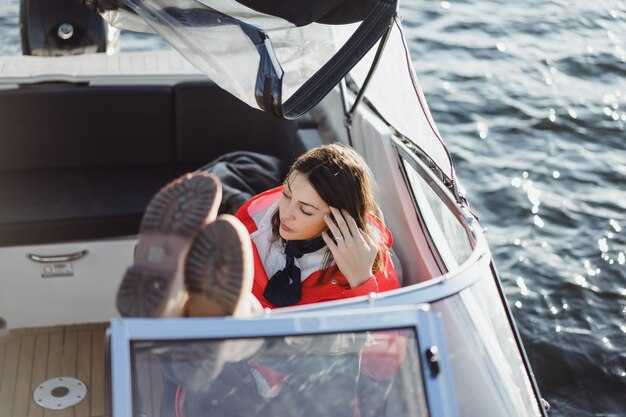 5 Pro Tips for Boating During Memorial Day Weekend – Safety, Prep, and Fun">

Always 바람과 파도를 확인하세요., tides from a reliable источник 출시 전, 바쁜 연휴 여행 기간에 준비가 중요합니다. 입다 U.S. Coast Guard 공인 구명조끼; 구명조끼를 쉽게 접근할 수 있도록 보관; 통신 장비 테스트; 단호한 director 안전의 문제는 계획을 검증할 것입니다.
모든 장비를 검토합니다. vessels 함대에; boats 동일 그룹에 속하는 경우 동일한 점검을 받습니다. 용량 표시를 확인하십시오. 투척 부이를 배치하십시오. 소화기를 확인하십시오. VHF 무전기를 테스트하십시오.; captain 날리는 조타석에서 자신감 있는 계획; 견인 준비 완료.
제한 속도 표지판 근처 해변; 붐비는 정박지로부터 적절한 거리를 유지하십시오; 감시하십시오 tides 그리고 해류; 정박하기 전에 계획하십시오. fourth 국지적 일조량; 복구 지점 지정; 황혼 시 조명 사용.
비상 상황 발생 시 선상 사람들에게 무엇을 해야 하는지 알립니다. 간결한 정보 시트를 공유하고, 경로, 도착 예정 시간(ETA), 잠재적인 기상 변화 원인 등을 포함합니다. 일상 점검 외에도, 출발 전에 신뢰할 수 있는 연락망이 검토하도록 초대합니다.
추념하는 휴일에, 위험을 통제하십시오. 무모한 기동은 죽음을 초래할 수 있습니다. 술은... drive; 구명조끼를 착용하세요; 주변을 주의하세요; 해변; 관계 당국에 신속하게 보고합니다. 명확한 계획에 대한 의존은 위험을 줄입니다.
추모일 주말 수상 레저: 실용적인 가이드
출발 전: 구명 조끼가 제대로 맞는지 확인하고, 자외선 차단제를 바르며, 연료를 보충하고, 항해등이 제대로 작동하는지 확인하십시오.
수상 계획에는 명확한 역할이 포함됩니다. 선장이 라디오를 작동하고, 망 lookout이 교통을 감시하며, 연안 연락을 구축합니다.
혼잡한 교통이 예상됩니다. weekends on 켄터키 물; 육지를 시야에 두고; 움직이는 보트와 거리를 유지하십시오.
장비 점검 목록에는 추가 투척물; 예비 연료; 응급 처치 키트; 구명 조끼 착용; 선크림; 기본적인 의상 갖춤; 조건에 맞게 적절히 옷 입기 등이 포함됩니다.
물에서의 사망 사고는 존중을 강조합니다. 한계를 준수하십시오. 연락이 끊기면 즉시 신호를 보내십시오. 구조대가 접근 가능하도록 하십시오.
상황 점검은 날씨 변화를 포괄하며, 요터는 예측에 대한 빠른 접근을 원합니다. 안전한 여유 범위 내에서 운영하고, 침착한 결정이 위험을 최소화한다고 믿으십시오.
지역 지식이 도움이 됩니다: 지역별 팁; 근처 연료 선착장; 폐기 규정; 주말 군중이 교통 체증을 유발합니다; 지출 계획에는 사전 계획이 필요합니다.
rowan 선박명: 선박 이름이 rowan인 경우, 마리나에서의 계류 옵션을 확인하십시오. 선호하는 슬립에 미리 연락하십시오. 피크 시간 전에 연료를 보급하십시오.
7월의 더위는 위험을 증가시킵니다. 추가 선크림을 휴대하고, 수분을 유지하며, 날씨 업데이트를 모니터링하십시오.
출발 전 선박 점검: 엔진, 배터리, 연료, 오일 받이
엔진, 배터리, 연료, 빌지 상태를 점검하여 정상 범위 내에서 작동하는지 확인합니다. 이제 운항 준비를 시작합니다.
- Engine
- 오일 레벨: 디프스틱 사용; 표시 범위 내 유지; 부족할 경우, 제조사에서 권장하는 오일 첨가.
- 냉각: 냉각수 레벨 확인; 호스 점검; 클램프 조임; 누출 확인.
- 벨트: 균열 검사; 마모된 품목 교체; 적절한 장력 확보.
- 시동, 워밍업: 3~5분간 주행; 온도계가 정상 범위로 이동해야 함; 비정상적인 소리가 나는지 주의; 배기가스 흐름이 원활한지 확인하십시오.
- 소모 상태: 누출 징후를 확인하고, 물 침투가 없는지 확인합니다.
- 배터리
- 전압 점검: 휴대전압은 12.6V 이상이어야 합니다. 12.2V 미만이면 운항 전에 충전하십시오.
- 단자: 부식 제거; 단자 그리스 도포; 클램프 조임 확인.
- 장착: 트레이 또는 구획에 단단히 고정합니다. 운행 중 움직임을 피하십시오.
- 예비 전력: 휴대용 충전기 가져오기; 규정에서 허용하는 경우 예비 배터리 휴대하기.
- 날씨 보호: 건조한 장소에 보관하십시오. 사용하지 않을 때는 덮개를 씌우십시오.
- Fuel
- 수위: 1/4 탱크 위를 유지; 필요한 경우 보충; 비어 있을 때 가까이 주행하지 마십시오.
- 누수: 호스, 클램프, 피팅을 점검합니다. 엔진 주변의 연료 냄새를 확인하고 필요한 경우 조이거나 교체하십시오.
- 품질: 해양용 가솔린을 사용하십시오. 에탄올의 경우 안정제를 고려하십시오. 장착된 경우 수분 분리기에서 물을 배출하십시오.
- Vent, cap: 환기구 확인; 캡 실링 확인; 점화원 근처 누출 방지.
- Planning: bring spare fuel container in compliance with regulations; label container; keep on mobile deck away from heat.
- Bilge
- Dry bilge: check for water; remove excess; ensure bilge wetted surfaces are dry; verify pump discharge path unobstructed.
- Pump test: turn on bilge pump; run 1–2 minute; confirm water cleared; float switch triggers at set level.
- Wiring: inspect wiring for corrosion; secure connections; protect from moisture; keep within the hatch.
- Discharge rules: abide by regulations; avoid overboard releases in restricted zones; operate seacock shutoff as required.
- Maintenance: keep spare seals, gaskets; ensure pump is equipped; test prior underway.
Having resources from national agencies helps; arrive prepared, compliant with regulations; bring a mobile toolkit; spare parts; where appropriate, carry a printed manual. weve observed minute delays underway; this approach increases enjoyment for crew, party guests.
Wear Life Jackets and Pack Safety Gear
Put on a life jacket before launching. Keep it fastened while underway.
Enough life jackets onboard to cover each passenger. Check each fit; it must be snug, safe. Weekends bring higher crowd levels. A single misstep could ruin the outing.
Include a signaling device. Include a waterproof flashlight. Include a first aid kit. Include a fire extinguisher. Include a whistle. Include a spare rope.
Test the signaling device’s batteries on shore. Test the VHF radio battery before launch. Test navigation lights.
Avoid alcohol aboard. Impairment raises death risk. Designate a sober captain.
Night operation requires extra lighting. Lines secured. Anchors secured.
Memory of a close call should reinforce readiness. Create a simple plan. Practice a test drill with someone. Discipline would avoid panic in incidents. Rehearsal improves reaction.
Even a little percent of incidents arises from missing PFDs.
Be ready with a quick checklist. Advanced gear, like a VHF radio, improves response.
Plan for Weather and Crowds: Forecasts, Visibility, and Timing
Begin with a NOAA marine forecast check; target a fall window around wind below 15 knots; seas around 2 feet; visibility at least 5 miles. If conditions hold, depart early, around 7:30–9:00 a.m.; calmer waters reduce risk; safer travel; help boats reach destinations smoothly.
Weather shifts can squeeze windows; build a 4-hour margin around planned times; never rely on a single forecast; according to forecasts, keep radar; a charged cell; note latest alerts.
Beaches attract many visitors; such traffic raises moving hazards; american labor rhythms push crowds toward waters; many want quieter routes; select destinations with plenty of docks; long stops available; boating routes should favor early or late windows.
Prepare a route sheet: destinations; stops; backups. Prior to launch, calling ahead to docks keeps attention kept on capacity; this minimizes waiting; keeps boats moving.
Boaters equipped with life jackets; signaling devices; navigation lights; VHF radio; plenty of water; prepare a kit with tools; such steps reduce lawsuits.
Note the weather around planned routes; keep a filed float plan; share it with a trusted contact; again if conditions shift, move toward a sheltered waters area; this habit takes safety seriously.
Know Local Rules: No-Wake Zones, Speed Limits, and Right-of-Way
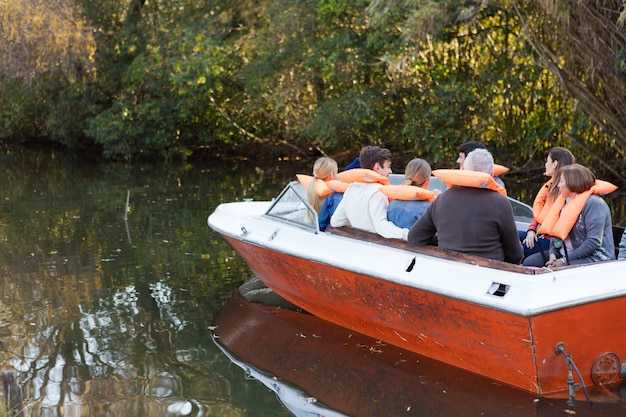
Check local rules before departure: download official charts; verify No-Wake zones; confirm speed limits; identify right-of-way priorities; review on-site signage.
Know where No-Wake zones exist near marinas; docks; shallow channels; speed limits vary by waterway; in alabama waters, moving vessels require reduced speed within 50–100 meters of others; anchored craft, paddlers, pets near the stern require extra clearance; such vessels include kayaks, rowboats, inflatables; like smaller craft near shore, vigilance remains.
Right-of-way rules rely on multiple factors: vessel type; route; relative speed; visibility; A factor to track is visibility; if risk persists, less speed; leave ample room.
Checklist note: carry their certificate; vessel paperwork; current license; verify firefighting gear; jackets on deck; keep moving crew informed; periodic refresh of procedures; kickoff readiness.
Collision risk demands quick action: administer evasive maneuver; log cause, time, location; notify authorities; inform their crew; minimize ruin; prevent fires; avoid fuel sources; consult lawyers if necessary.
rowan reference note: review rowan data sheet for zones, crash history, recommended buffers; download updates when posted again; note changes early; refresh plan accordingly.
Communicate Clearly and Delegate Roles on Board
Assign three core roles and publish a short order of duties immediately. The three roles are: Captain (steering and decision making), Lookout (watch traffic and hazards), Deck Manager (lines, anchor, equipment, and activity coordination). Create a checklist that lists requirements before launch and review it aloud at the heading session. Include details on maximum responsibilities, fuel reserves, and task limits, to ensure getting underway smoothly.
Use plain-language callouts: one person speaks at a time, tell the next action, invite corrections, and test understanding with a quick recap. Maintain a professional tone in every exchange. On first-time crews, run a land drill to verify roles, then simulate on water. Download and distribute the duties list to every device aboard; ensure each person knows their point and how to respond to a call.
Assign signals and checklists at critical moments: pre-start, heading checks, traffic gaps, and dock return. Equip each person with necessary things: headlamp or lights, life jacket, whistle, and non-slip footwear. The Deck Manager holds lines, checks knots, and manages the anchor. If something goes wrong, hold the vessel and re-check the checklist. Potential injury requires immediate action: tell the person with medical training, avoid alcohol on deck, and shift duties away from risk.
Maintain open communication with shore and other boats: use a VHF radio, clear hand signals, and lights to indicate intent. The factor here is alignment of three elements: weather, crowd, and task. Establish a point where activity shifts, and keep everyone equipped with the latest information. Gear transfers occur from a truck to the vessel at the dock; invite the crew to test roles again before getting underway in busier zones. Remember to check in often, respect limits, accommodate wants, and document progress with a quick download after each voyage.