


 한국어
한국어  English (UK)
  Русский
  العربية
  日本語
日本語  Magyar
  Türkçe
  Español
  Čeština
  Svenska
  Português
  Ελληνικά
  Suomi
Suomi  Nederlands
  Română
  Italiano
  Français
  Polski
  Українська
  Deutsch
  简体中文
简体中文  Slovenčina
 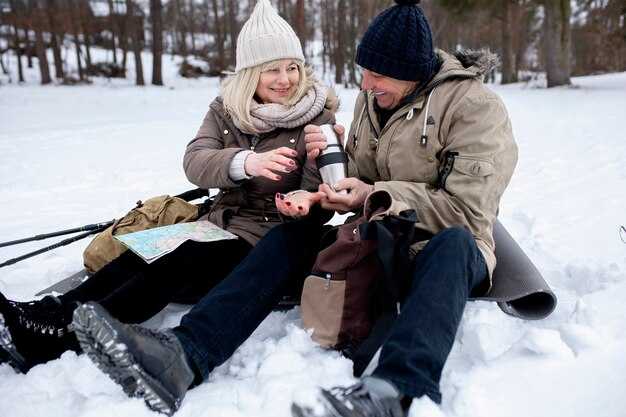 10 Tips for Ice Fishing Success – A Winter Angler’s Guide">

얼어붙은 표면을 밟기 전에 항상 여러 지점에서 두께를 확인하십시오. 안전이 확실하지 않으면 즉시 해안으로 후퇴하여 더 안전한 장소에서 다시 평가하십시오.
안전 제일 수칙 적절한 레이어링, PFD, 그리고 light, 그리고 호루라기. 스푼 블레이드 루어와 작은 지그를 함께 챙기고, 여분의 배터리와 날카로운 칼을 손 닿는 곳에 두십시오.
크래피는 종종 다음에 반응합니다. light, 불규칙적인 속도; 스푼 블레이드 루어를 another 유형을 선택한 다음 구멍으로 내려가 잠시 멈춰 미끼를 유인하세요. 탁 트인 수면 선반을 따라 이동하고, 다양한 수심을 시험해보고, 뭔가 잡혔다는 신호가 나타날 가능성이 높은 지역을 표시해두세요.
시작하기 전에 풀어야 할 질문: 구멍을 효율적으로 배치하는 방법은? 정답: 구멍 간 간격이 6~8피트이고 여러 열로 이루어진 격자이며, 가시성과 구역 특징에 따라 조정됩니다. 별도 표지판이 없는 한 조용히 움직이고 발소리를 주의하십시오. light, 그리고 입질을 보면서 수심 변화를 조절하세요.
안전한 접근, 장비, 빠른 피드백을 위해 근처 리조트에서 현지 전문가를 고용하세요. 리조트는 보호된 접근 지점, 난방 시설, 실용적인 교육을 제공하여 편안함과 집중력을 유지하도록 돕습니다. 이러한 준비는 특히 지각이 두껍고 바람이 강해질 때 위험을 줄이면서도 추진력을 유지합니다.
꾸준한 반응을 얻으려면 인내심, 표면에 대한 지속적인 관심, 현실적인 계획이 필요합니다. 물을 읽고, 해당 지역에 맞는 유형의 루어를 선택하고, 잡힌 신호마다 조정하는 방법을 배웠습니다. 선택지를 열어두고, 안전을 유지하며, 상황이 개선되지 않는 한 희망이 사라지면 침착하게 후퇴하여 다른 시도를 위해 재정비하십시오.
팁 1–2: 장비 선택 및 빠른 구멍 설정
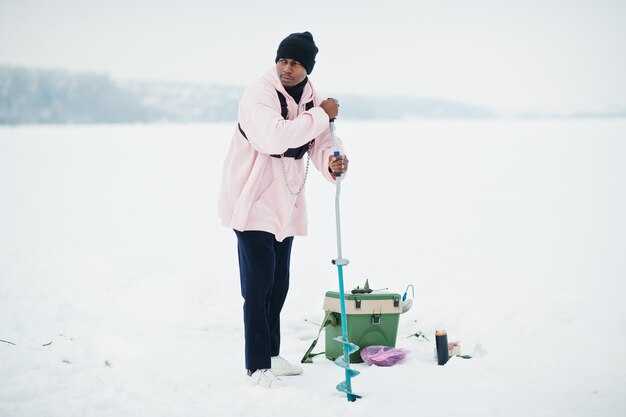
날카로운 8인치 오거로 시작하십시오. 늦은 시즌의 얼음 표면은 튼튼한 장비를 필요로 합니다. 전동 모델이 가장 빠르지만, 잘 조율된 수동 오거는 전력이 부족할 때 신뢰성을 제공합니다. Gustafson은 깨끗한 구멍이 드릴 시간을 줄이고, 에너지를 보존하며, 어부가 입질을 쫓기 위해 언제 날을 교체해야 하는지 알 수 있도록 돕는다고 지적합니다. 이러한 종류의 설정은 속도와 제어 사이의 안정적인 균형을 제공하여 가장 효율적인 드릴 코스를 형성합니다. 콜로라도 지역에서는 이러한 접근 방식이 더 빠른 구멍과 그곳의 조건에 대한 더 나은 이해를 제공합니다.
장비 목록: 여분의 날, 여분의 비트, 그리고 전동 장치가 있는 경우 여분의 배터리를 챙기고, 손이 닿기 쉬운 주머니에 넣어 두십시오. 가볍고 휴대하기 좋은 삽은 진창을 치우는 데 도움이 됩니다. 미끼와 2~3가지 색상 옵션을 준비하십시오. 색상이 바닥이나 껍질과 대비될 때 입질이 발생합니다. 조합이 중요하며, 조건이 변하기 때문에 빛이 변함에 따라 색상을 바꿔야 할 가능성이 높습니다. 미끼가 시들해지면 신선한 옵션으로 바꿔 액션을 유도하십시오. gustafson의 기록에 따르면 콜로라도 지역 호수에서 빠르게 적응할 때 액션이 급증하는 것으로 나타났습니다.
홀 셋업 흐름
오거를 내려놓고 꾸준한 압력으로 비틀어 칩을 제거하고 구멍을 검사하십시오. 껍질 두께를 존중하고 구멍을 억지로 뚫지 마십시오. 구멍이 깨끗하면 빠른 라인을 내려 깊이를 테스트하고 미끼 또는 루어를 배치하십시오. 입질을 관찰하고 적응하십시오. 활동이 멈춘 상태로 유지되면 같은 구멍을 계속 파지 말고 새 지역으로 돌아가십시오. 늦은 시즌 조건은 유연한 배치를 요구합니다. 여기로 가져와서 적응하십시오. 조건은 다양하기 때문입니다. 여행에 비행기가 포함된 경우 변경 속도를 유지하는 소형 키트, 예비 블레이드, 예비 비트 및 가벼운 루어 백을 준비하십시오. gustafson은 날카로운 도구와 빠른 깊이 확인의 좋은 조합이 이 지역에서 입질 가능성을 높인다고 언급합니다. 예쁜 돌풍이 라인을 밀 수 있으므로 장비를 단단히 고정하십시오.
팁 3~4: 차가운 물에서의 루어 선택 및 미끼 전략
살아있는 미끼나 피라미를 단 1/16–1/8 oz 텅스텐 지그로 시작하여, 수초 가장자리와 암반 낙하지점 주변의 깊은 곳 근처 6–12피트까지 떨어뜨립니다. 수직으로 튕겼다 멈추는 동작을 사용한 다음, 미끼가 바닥으로 다시 가라앉도록 합니다. 이러한 접근 방식은 개방 수역 가장자리에서 더 깊은 유역으로 바뀌는 수역에서 효과적입니다.
색상 및 향 선택은 입질을 증가시킵니다. 맑은 물에서는 흰색 및 반투명 색조가 가장 효과적이며, 흐린 물에서는 더 밝은 대비가 도움이 됩니다. 특히 해질녘에는 살아있는 미끼에 가벼운 향을 첨가하여 유인력을 높입니다. 움직임은 제어되고 자연스러워야 하며, 지나치게 격렬해서는 안 됩니다. 이러한 표현 방식은 탁 트인 물가와 만 주변에서 효과적이며, 다양한 조건에서도 통합니다. 출처: Gord는 차가운 물에서는 미끼의 크기보다 움직임이 더 중요하다고 언급합니다.
깊이, 구조 및 프레젠테이션 조정
수초대, 경사면, 중간 수심대 등 다양한 수심을 실험해 보세요. 공원 근처 호수로 여행을 간다면 하구와 흐름이 만나는 지점, 턱 근처를 방문해 보세요. 입질이 뜸하면 미노우나 피라미 크기를 바꿔 보세요. 만 입구 근처의 얕은 물가나 유역 전체의 깊은 웅덩이를 노려보세요. 짧게 멈추면서 당기는 간격을 일정하게 유지하세요. 그들은 이런 곳을 찾고, 환경에 적응하면 결과가 쌓입니다. 고드는 추운 날씨에는 물속에서의 움직임이 덩치보다 중요하다고 언급합니다.
팁 5–6: 물고기 찾기: 수심, 구조, 그리고 계절적 단서
먼저 어군이 몰려 있는 적정 수심을 파악하십시오. 음파 탐지기를 사용하여 턱, 급경사면, 은신처를 지도화하십시오. 맑은 물에서는 물고기가 수심 약 2~4m 지점의 녹색 수초 가장자리 근처에 머뭅니다. 탁한 물에서는 더 깊은 곳으로 이동하여 지형지물을 찾으십시오. 이러한 접근 방식이 조과를 올리는 원천입니다. 여러 구역에서 튜브 지그와 생미끼를 비교하여 어느 구역에서 크기와 먹이 섭취 행동이 활발한지 알아내십시오. 입질이 드물면 다른 지점으로 이동하십시오.
계절적 단서로 수색 범위를 좁히세요: 턴오버 및 계절 변화기에는 그들의 움직임이 가장자리 전환과 경사면에 집중됩니다. 해질녘에는 적정 수심이 더 얕은 지역으로 이동하는 경우가 많으므로, 수초 가장자리와 움푹 들어간 턱 부근을 탐색하세요. 시간대도 중요하므로, 해당 지역을 순서대로 이동하고 먹이 활동이 활발할 때는 계획을 고수하세요. 패턴을 발견하면 반복하세요.
실전 전략: 다양한 미끼는 잡을 확률을 높입니다. 튜브 또는 스틱 루어를 사용하여 알맞은 실루엣을 연출하고, 필요할 때를 대비하여 살아있는 미끼를 준비하십시오. 꾸준하고 자연스러운 프리젠테이션을 유지하십시오. 느린 폴링과 미묘한 리프팅은 움직임을 흉내냅니다. 입질이 보이면 물고기를 잡을 수 있으며 크기와 수심을 조절할 수 있습니다. 이 자리에서 효과가 있었던 것이 나중에 다를 수 있으며, 이 방법을 가르치기 위해 한 영역에서 시작했습니다.
팁 7–8: 얼음 낚시 기술: 지깅, 팁업, 프레젠테이션
권장 사항: 가벼운 지깅으로 활성 구간에 진입하여 입질이 오는 수심까지 떨어뜨린 다음 1~2초간 들어 올렸다가 멈추십시오. 이것은 바위 지형을 따라 월메기 입질을 유도하는 일정한 리듬입니다. 시야가 좋지 않으면 야광이나 샤트뢰즈 색상을 사용해 보십시오. 약간의 인내심을 가지면 반짝이는 피라미와 입질을 볼 수 있으며, 이는 상황이 어려울 때 정말 도움이 됩니다.
머릿말 참고. 각 세션에서 수심, 미끼, 루어를 기록하여 나중에 결과를 비교할 수 있도록 하십시오. 캐나다 리조트 근처의 위치 선정은 결과에 영향을 미치므로, 작은 변화를 살펴본 다음 조정하십시오.
지깅 케이던스와 루어 선택
- 가벼운 블레이드가 달린 1–3호 지그를 선택하십시오. 미꾸라지나 생미끼를 달고, 낚싯줄을 팽팽하게 유지하십시오. 바닥에서 3–6피트 위에 채비를 내린 다음, 낚싯대 끝을 튕기고 1–2초 멈췄다가 입질을 확인하십시오. 여러 번 반복해도 잡히는 게 없으면 흰색이나 야광으로 바꾸고 멈추는 시간을 조절하십시오.
- 색상: 맑은 물에는 자연스러운 색조가 뛰어나고, 탁한 물에는 샤트뢰즈나 주황색 계열의 밝은 색상이 효과적입니다. 특히 빛이 적을 때는 빛이 입질에 큰 영향을 미칠 수 있으므로 날씨와 물의 투명도에 따라 조정하십시오.
- 지깅 리듬과 미끼를 조합하여 실험해 보세요. 때로는 제자리에서 빠르게 들어 올리는 것이 길게 떨어뜨리는 것보다 효과적일 때가 있고, 또 다른 경우에는 천천히 떨어뜨리고 더 오래 멈추는 것이 더 많은 입질 신호를 얻는 데 도움이 됩니다.
팁업, 미끼, 프레젠테이션
- 암반 지형 주변 다양한 수심에 팁업 2~4개를 설치하십시오. 가벼운 라인과 피라미 같은 작은 미끼를 사용하여 냄새 기둥을 추적하십시오. 미끼를 잘 손질하고 활성 상태를 유지하십시오. 라인이 깃발로 부드럽게 공급되도록 하십시오.
- 조류 세기에 따라 바닥 바로 위나 중간 수심에 미끼를 세팅하십시오. 입질 유도를 위해 10~20cm 정도 살짝 떨어뜨리는 방법도 있으며, 미끼 크기와 채비 회수 속도에 따라 조절하십시오.
- 프레젠테이션은 별도의 낚싯대에 살아있는 미끼와 서스펜드 루어를 결합해야 합니다. 쏘가리 먹이 활동에 맞춰 장소와 계절에 따라 수심을 다양하게 조정해야 합니다. 캐나다 리조트는 각 각도를 테스트하고 개선할 수 있는 충분한 기회를 제공합니다.
질문: 아무것도 잡히지 않는다고 확신한다면 수심, 미끼 또는 장소를 조정하고, 캐나다 리조트 근처 호수에서 잘 관리된 장소에서 현지인들과 대화하여 활발한 구역을 찾으십시오. 여기서 약간의 시도는 성과를 낼 수 있습니다. 합리적인 조합을 선택하고 이 방정식의 모든 각도를 살펴보면 잡히는 것이 흔해집니다.
팁 9–10: 날씨 대비, 안전, 빙판 위 편안함
구체적인 지시 사항부터 시작하십시오. 신뢰할 수 있는 예보 소스를 매시간 방문하여 돌풍을 추적하고 온도를 모니터링하십시오. Gustafson은 북풍이 유빙을 몰고 온다고 말했으므로 깔끔하게 정돈된 호수 바닥에 얼음 낚시 텐트와 구조물을 설치하여 기지에서 더 가까운 곳에서 낚시하고 상당히 안정적인 설정을 유지하십시오.
기어 배치 및 안전
세 겹으로 껴입고 방풍 쉘을 착용하십시오. 장갑과 미끄럼 방지 신발을 착용하십시오. 호루라기와 던지기 로프를 포함한 소형 안전 키트를 휴대하십시오. 다른 파트너가 시야 내에 있도록 하고 간단한 버디 시스템을 사용하십시오. 장비부터 구멍까지 신중하게 경로를 정하고 표면에 발을 디디기 전에 안정성을 테스트하십시오. 그 확인 후에만 표면으로 이동하십시오. 수심 표시는 수초 라인 근처의 얕은 지역을 피하는 데 도움이 됩니다. 특히 추운 날씨 직후에는 잘 다져진 통로를 유지하십시오. 이 규율은 팁업이 즉각적인 조치를 취할 수 있도록 준비하는 동안 귀하와 팀원을 보호합니다.
높은 수준의 편안함을 유지하십시오. 활발한 속도는 도움이 됩니다. 15~20분마다 움직여서 뻣뻣함을 방지하십시오. 선호하는 조합의 대피 장소, 소형 히터, 마른 좌석을 사용하십시오. 수분을 충분히 섭취하고 따뜻한 음료를 마시십시오. 미끼와 스푼으로 제공 패턴을 설정하고 얕은 곳과 깊은 곳을 테스트하십시오. 깊이에 대한 인식은 특히 북쪽 만 근처에서 독특한 기회를 향해 잡는 것을 추적합니다. 패턴을 마스터하여 어획량 결과를 높이고 여행 중 집중력을 유지하십시오. 그 접근 방식은 매우 효과적입니다. 탐험 내내 건조하고 편안하게 지내기를 바랍니다.